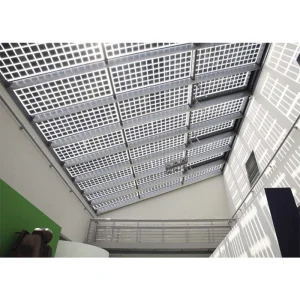
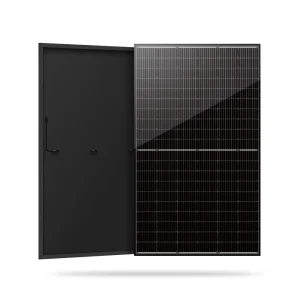
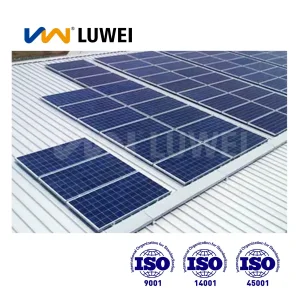
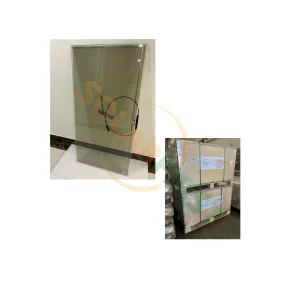
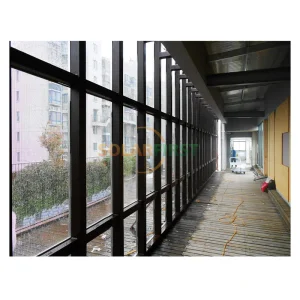
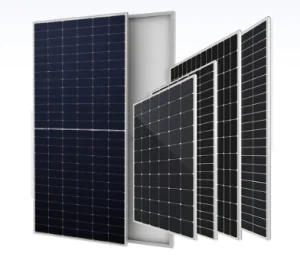
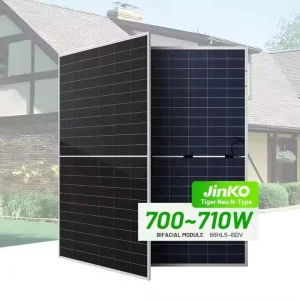
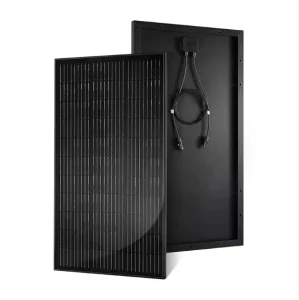
Seattle, often characterized by its commitment to green infrastructure and stringent environmental regulations like the Washington State Energy Code (WSEC), represents a high-potential market for Building-Integrated Photovoltaics (BIPV). Unlike traditional rooftop solar, BIPV replaces conventional building materials, turning facades, skylights, and windows into energy-generating assets.
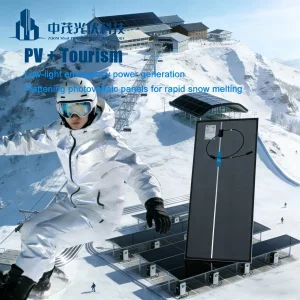
Seattle’s climatic conditions—frequent overcast days and latitude-specific sun angles—require advanced BIPV technology. Our thin-film and CdTe (Cadmium Telluride) solutions offer superior low-light performance compared to standard crystalline silicon modules, ensuring consistent power generation even under the dense cloud cover characteristic of the Pacific Northwest.
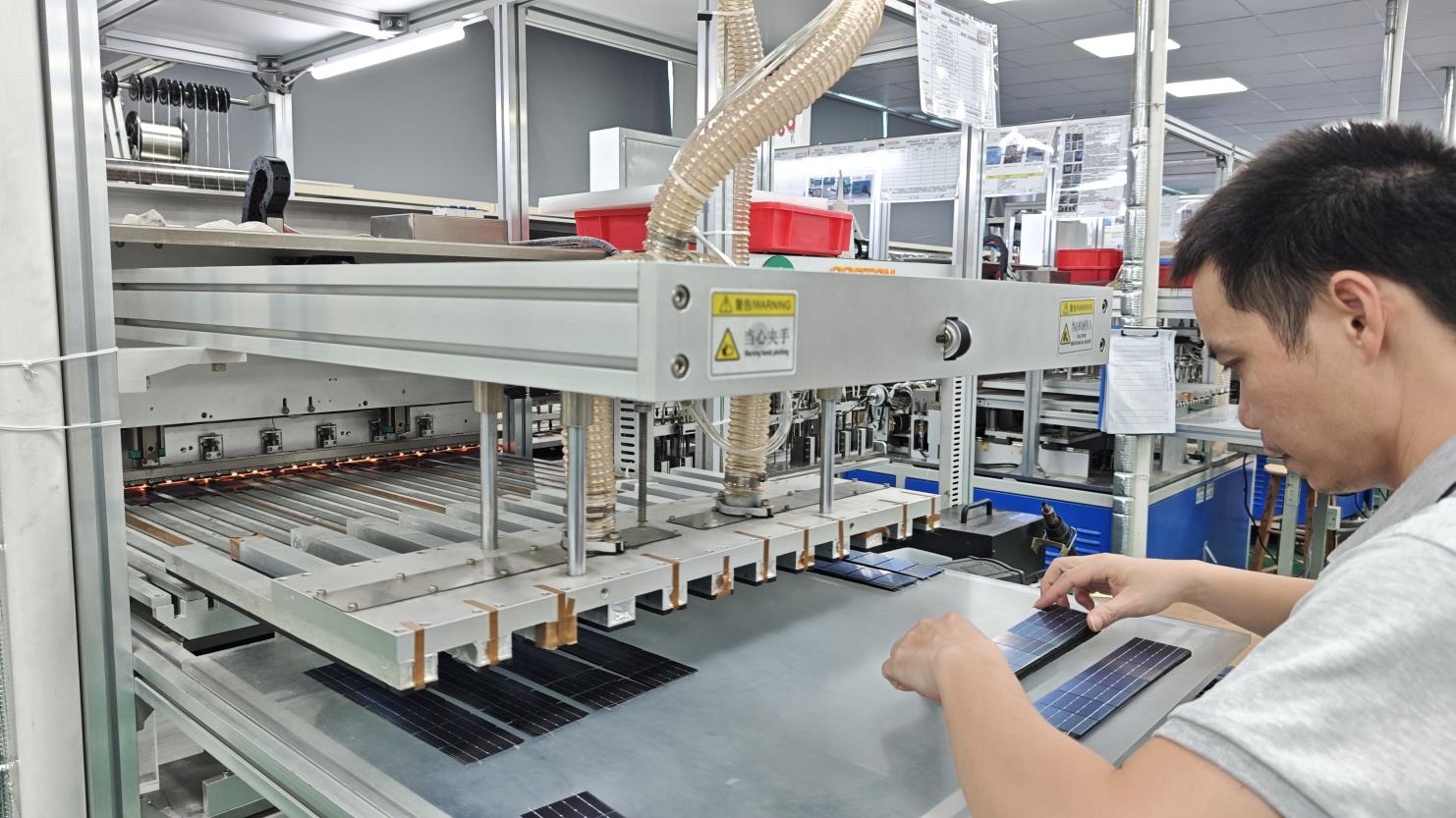
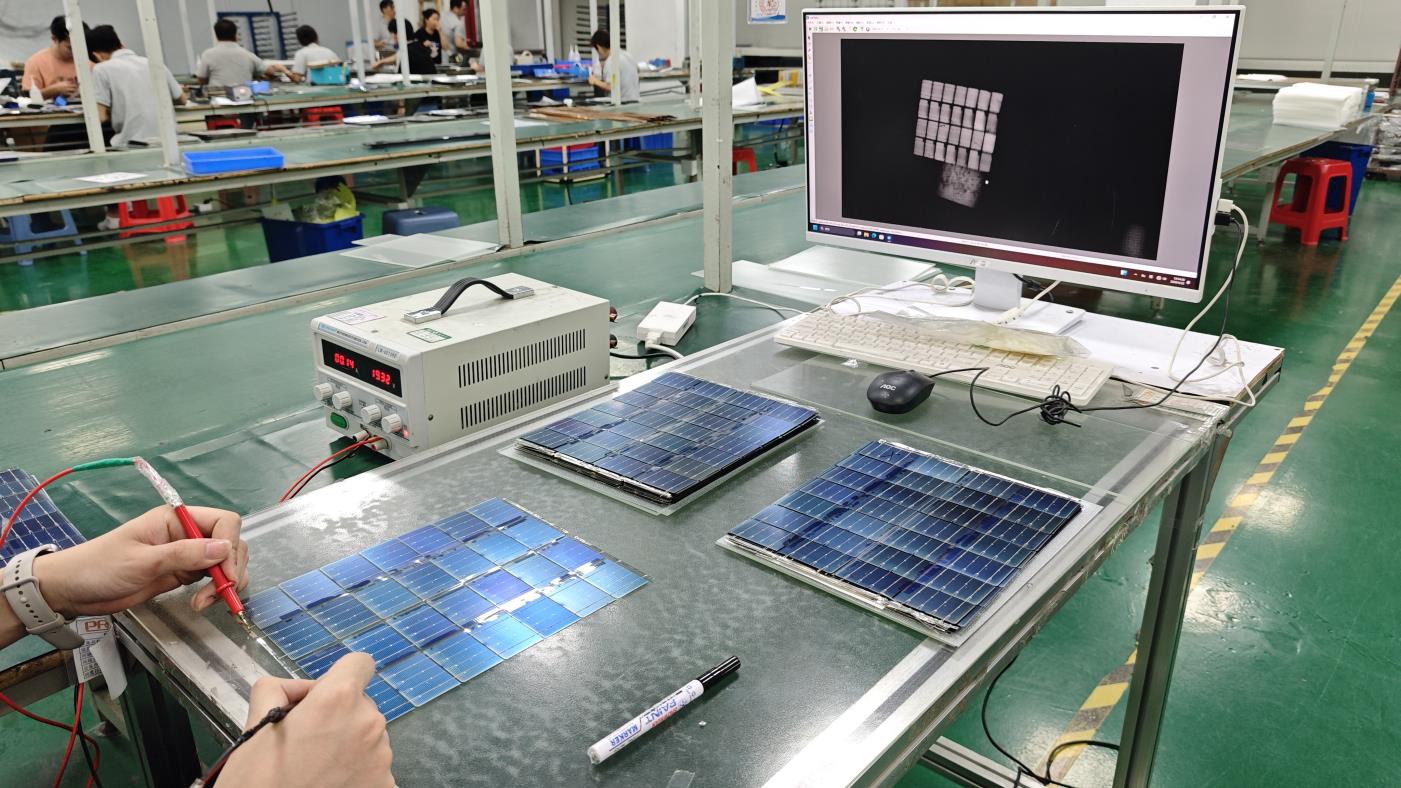
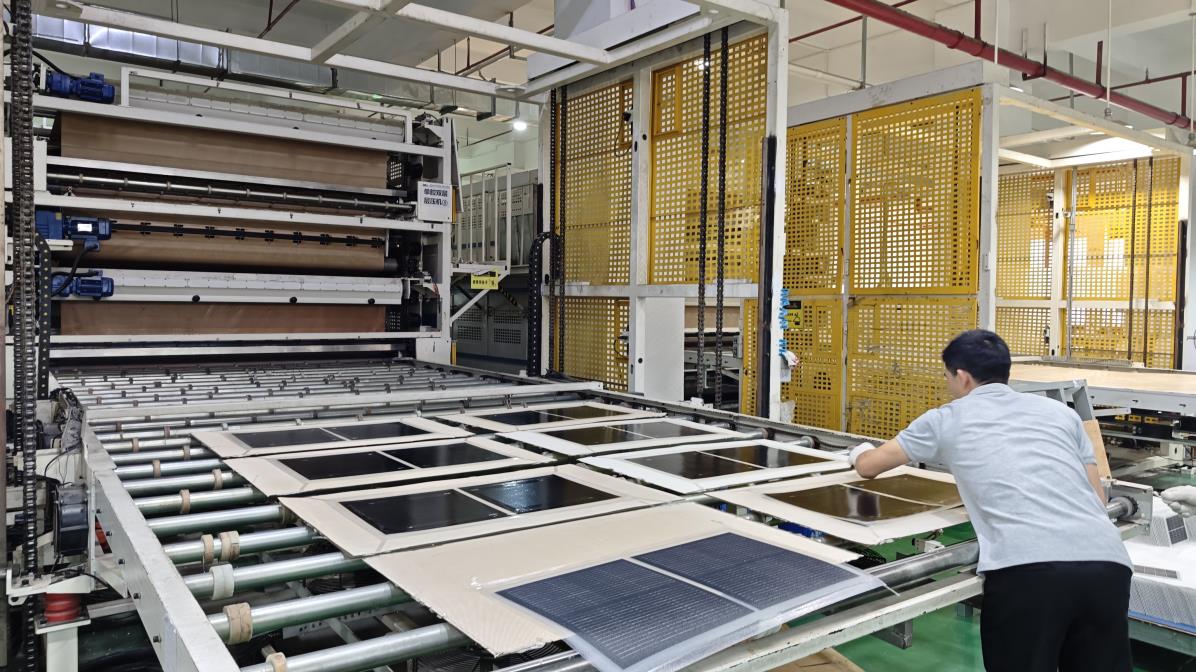
For stakeholders in Seattle, compliance is paramount. Our export-grade BIPV modules are manufactured with TUV, UL, and IEC certifications, ensuring they meet the safety and structural requirements of local building departments. We specialize in BIPV integration for commercial curtain walls and residential aesthetics, effectively bridging the gap between functional energy needs and architectural design.
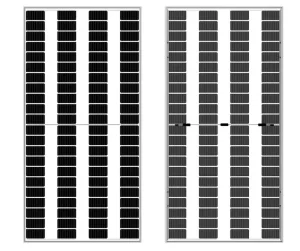
We are transitioning beyond basic solar panel installation into full-building electrification. Our roadmap includes semi-transparent PV modules for vertical facades and lightweight, flexible BIPV solutions designed specifically for retrofitting historic buildings, a significant market segment in the greater Seattle area.
A: BIPV offers dual value: it functions as a primary building material (cladding, roofing) and generates clean electricity, helping projects meet stringent Seattle energy benchmarks more efficiently than standard roof-mounted solar.
A: Our CdTe thin-film BIPV panels are engineered with a superior spectral response, allowing them to capture energy from diffuse light, which is critical during Seattle's cloudy seasons.
A: We provide global export services with comprehensive digital technical documentation, remote installation guidance, and performance monitoring software to support our Seattle partners.
 ConTech Solar