Engineered for lightweight integration, architectural aesthetics, and high-efficiency performance under diverse environment conditions.
Understanding Thin-Film Technology, Structural Versatility, and Material Sciences
The global shift towards deep carbon reduction has highlighted the material limitations of traditional, rigid crystalline silicon (c-Si) solar systems. For decades, traditional panels dominated the market due to raw manufacturing scale. However, the modern industrial landscape, architectural aesthetics, and localized off-grid mobility designs demand characteristics that rigid glass frames cannot support. This is where Thin-Film Solar PV Technology reshapes possibilities.
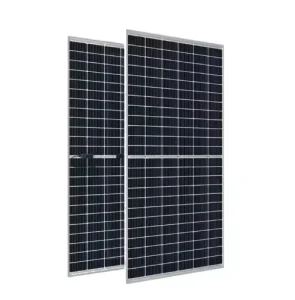
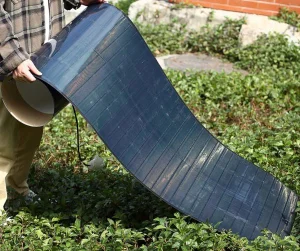
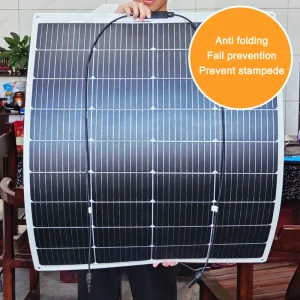
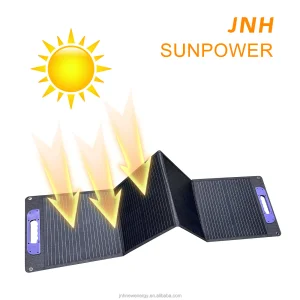
Thin-film photovoltaics utilize extremely thin layers of semiconductor materials deposited on glass, plastic, or metal substrates. These modules are characterized by a lightweight profile, physical flexibility, excellent low-light sensitivity, and a superior temperature coefficient compared to standard crystalline PV modules. Xiamen ConTech Solar Co., Ltd. has stood at the forefront of this industrial revolution, manufacturing advanced solutions tailored to these high-performance applications.
Different applications require different semiconductor chemistry. Our facilities are optimized for high-yield production of the three major thin-film sub-technologies:
"Thin-film technologies allow energy capture to break free from standard ground-mount racks or massive metal roofing frames. By integrating generation capacity into building materials and flexible mobile assets, we transform dead surfaces into active revenue generators."
Addressing Load Limits, Structural Constraints, and BIPV Mandates
Commercial developers, EPC contractors, and multinational manufacturing conglomerates face complex energy mandates. In the European Union, the Energy Performance of Buildings Directive (EPBD) mandates zero-emission buildings by 2030. In North America, LEED certification requires dynamic onsite energy strategies. Yet, standard heavy PV glass installations are frequently unviable due to structural engineering issues, including:
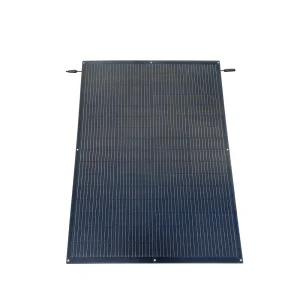
Many commercial structures, distribution centers, and retrofitted historic landmarks cannot support standard framed PV systems (typically weighing 15-20 kg/m²). Adding wind-load ballast mounts exacerbates structural weight challenges. Flexible, lightweight thin-film solar solutions weigh less than 3 kg/m² and can be bonded directly onto TPO, EPDM, or metal roof membranes. This eliminates structural reinforcement costs and heavy mounting structures.
Traditional angled racks act as wind sails, creating significant mechanical stress on roof beams during typhoons or high-wind events. Because thin-film flexible modules mount flush against structural profiles, they eliminate wind uplift risks. This makes them highly suitable for coastal environments, storm-prone commercial zones, and seismic areas.
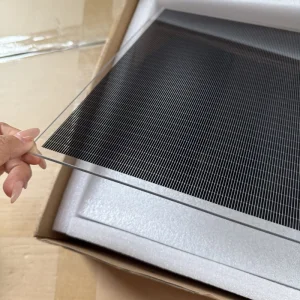
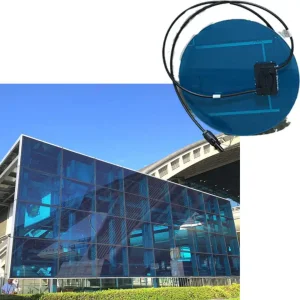
Urban real estate offers limited roof space but vast vertical wall space. Forward-looking architects leverage CdTe customized inkjet-printed facade panels and transparent solar windows. These materials replace traditional glass cladding or spandrel sections, transforming structural walls into utility-grade, power-generating arrays without compromising architectural design.
Unmatched Supply Chain Resilience, Automation, and End-to-End Quality Control
Xiamen ConTech Solar Co., Ltd. is a high-tech pioneer in solar energy innovation. From our production base in Xiamen, China, we coordinate the development, production, and global export of advanced solar panels, controllers, and comprehensive photovoltaic systems.
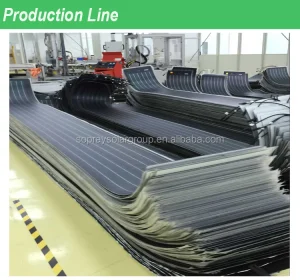
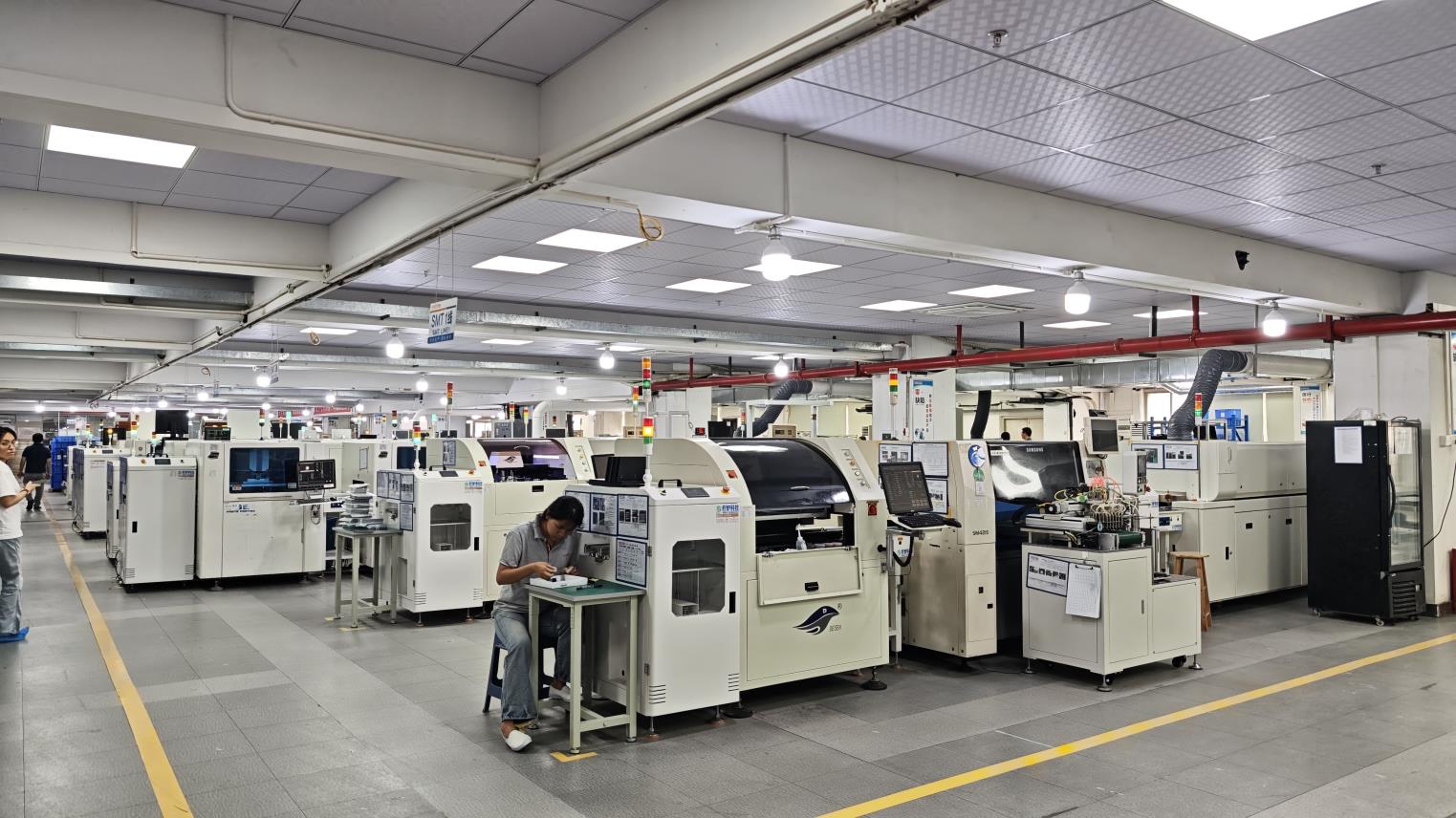
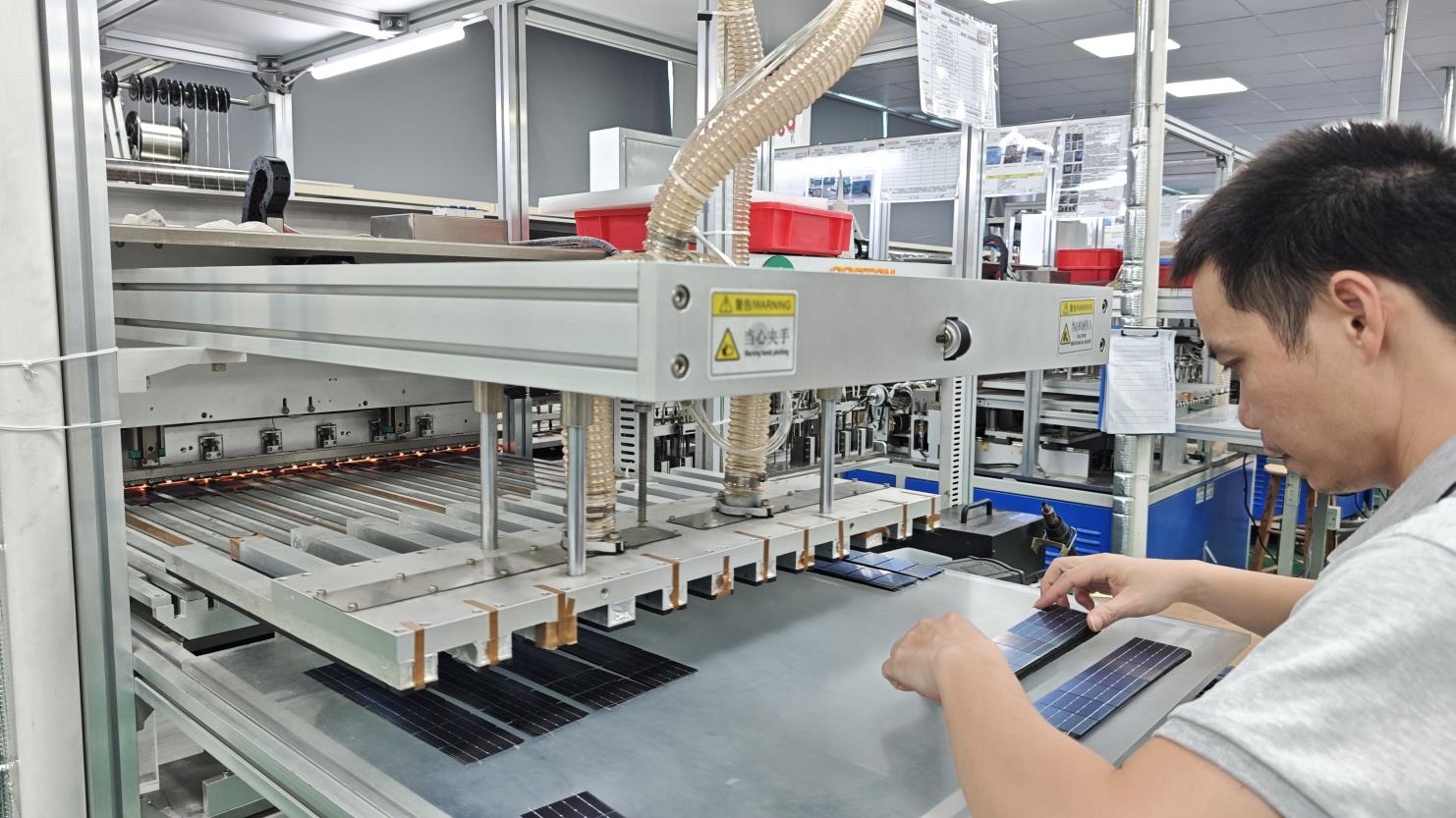
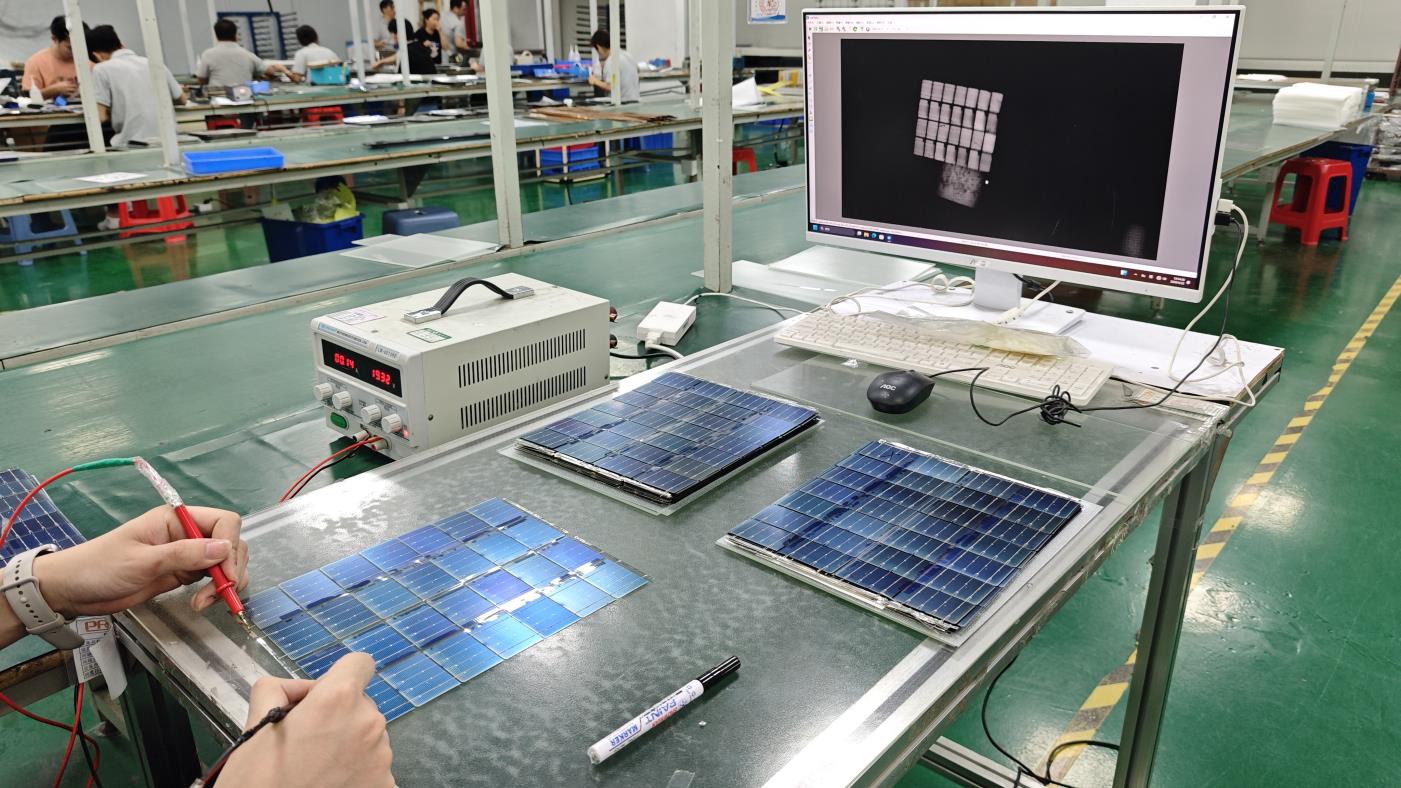
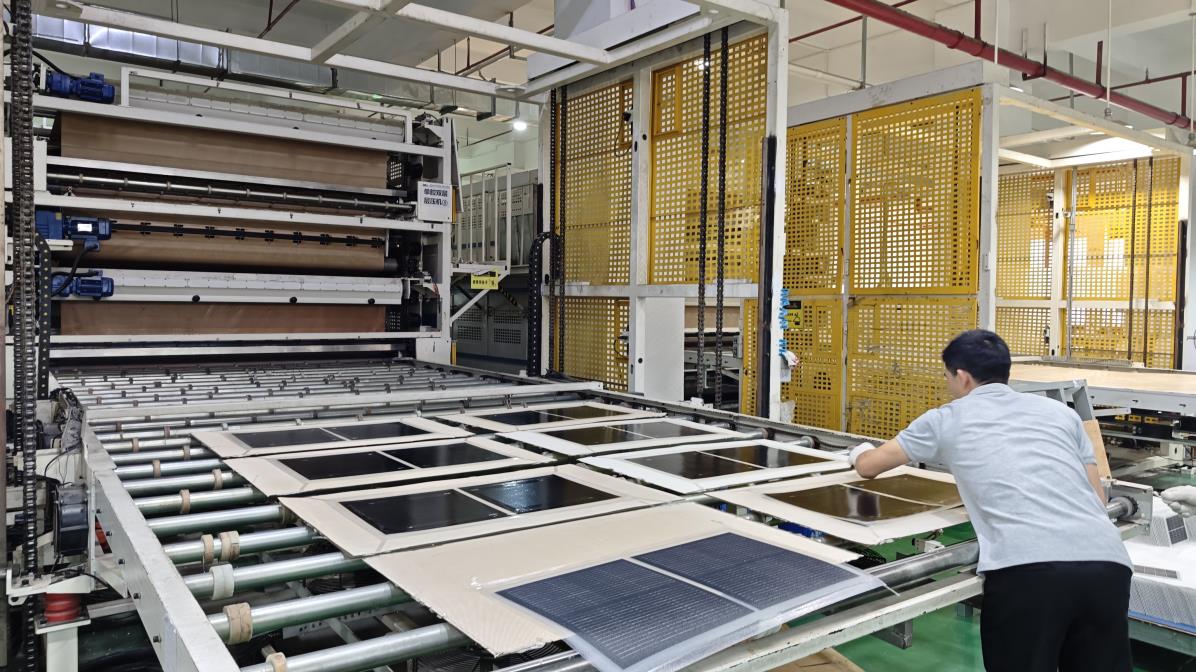
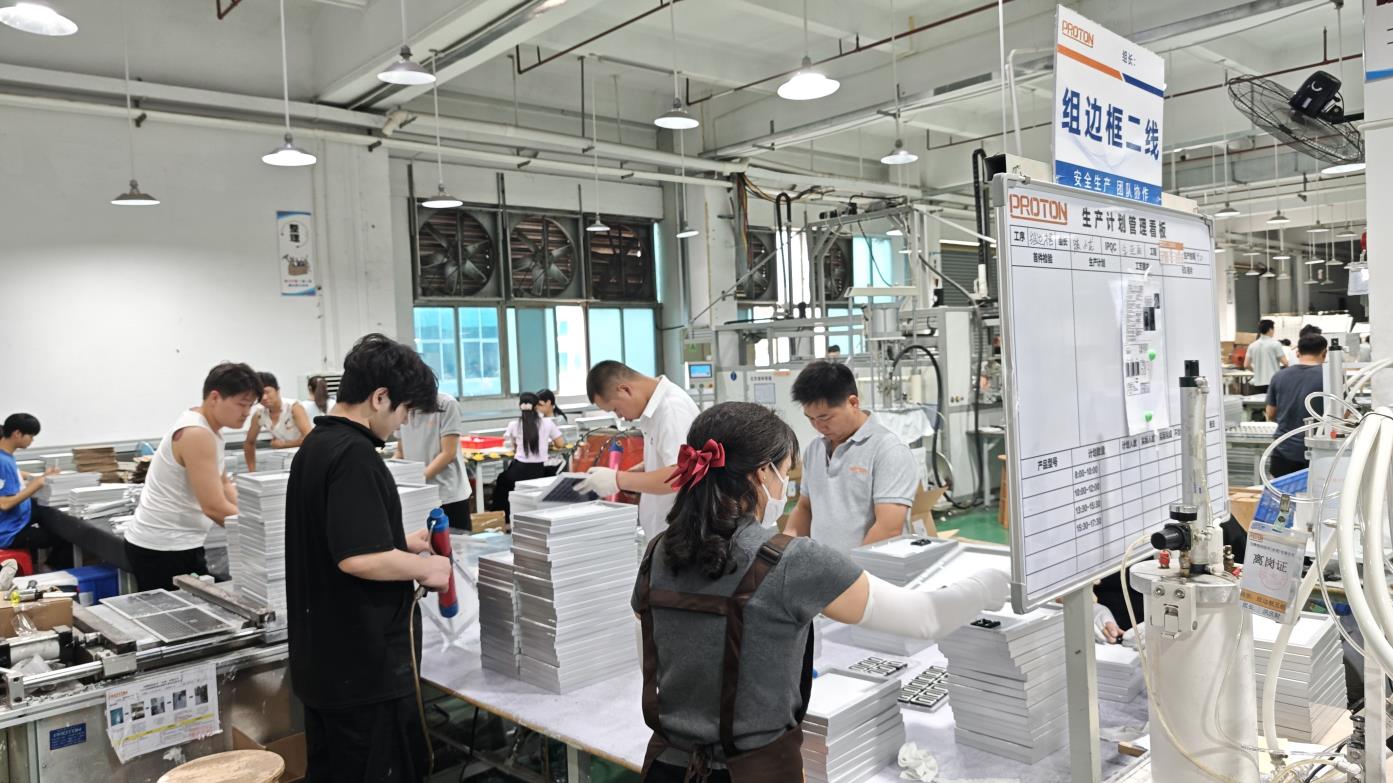
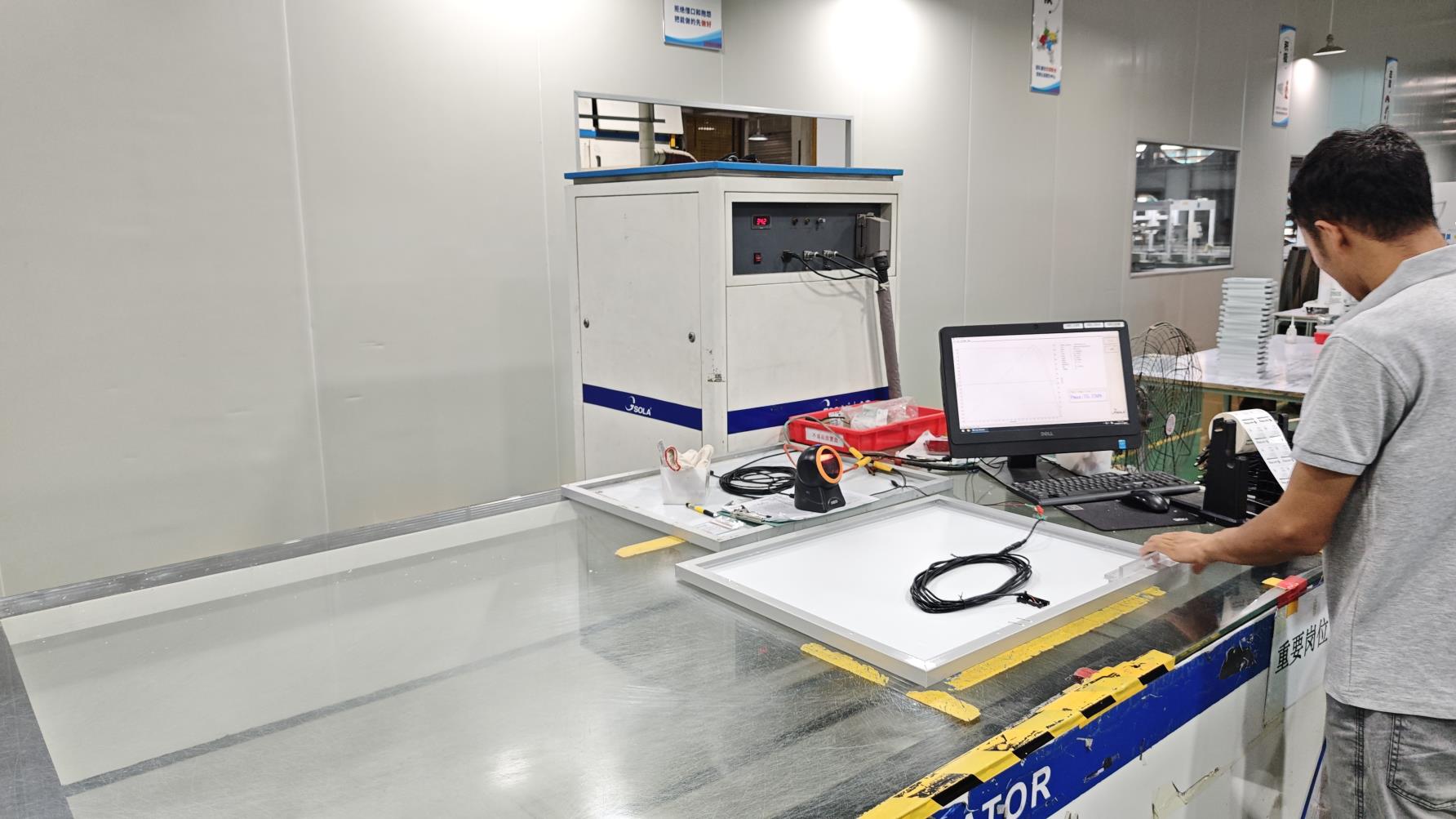
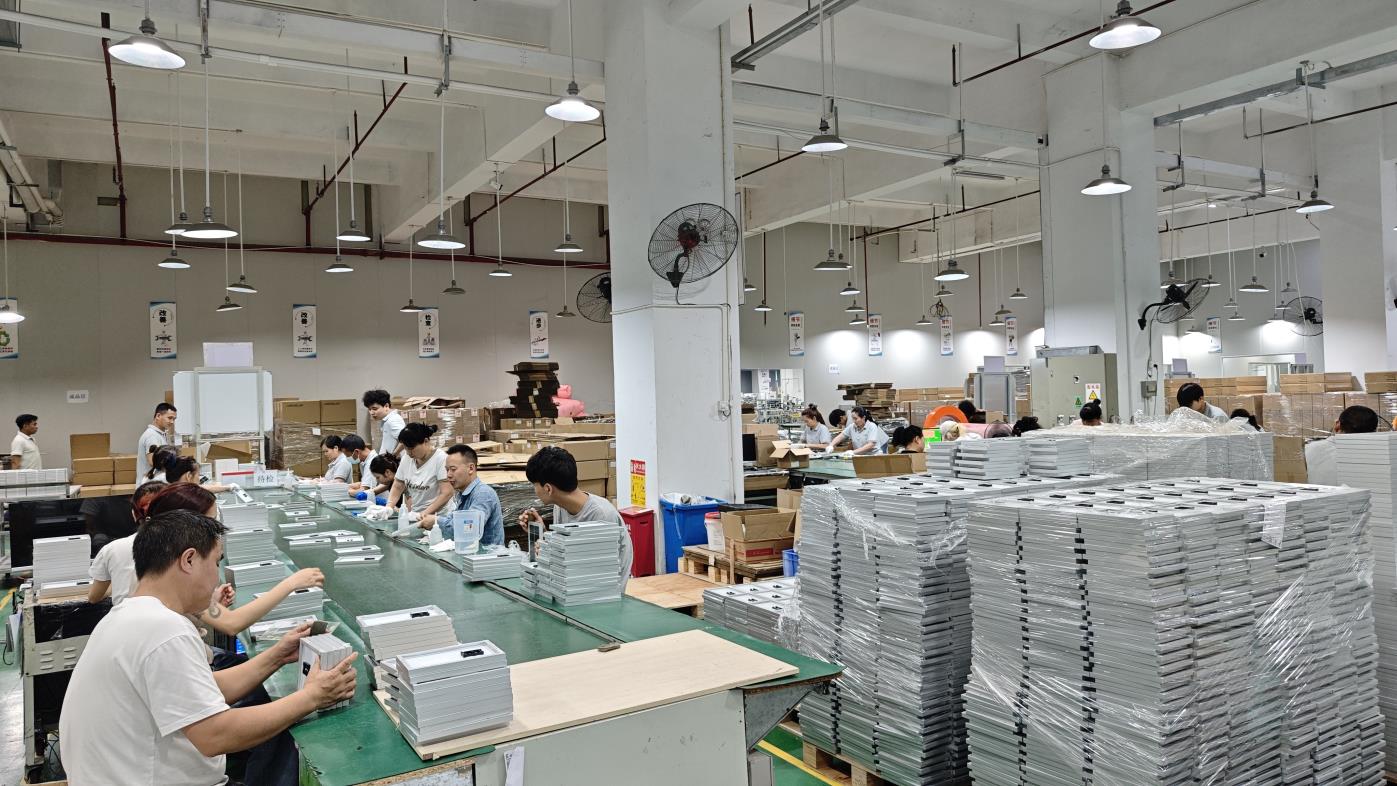
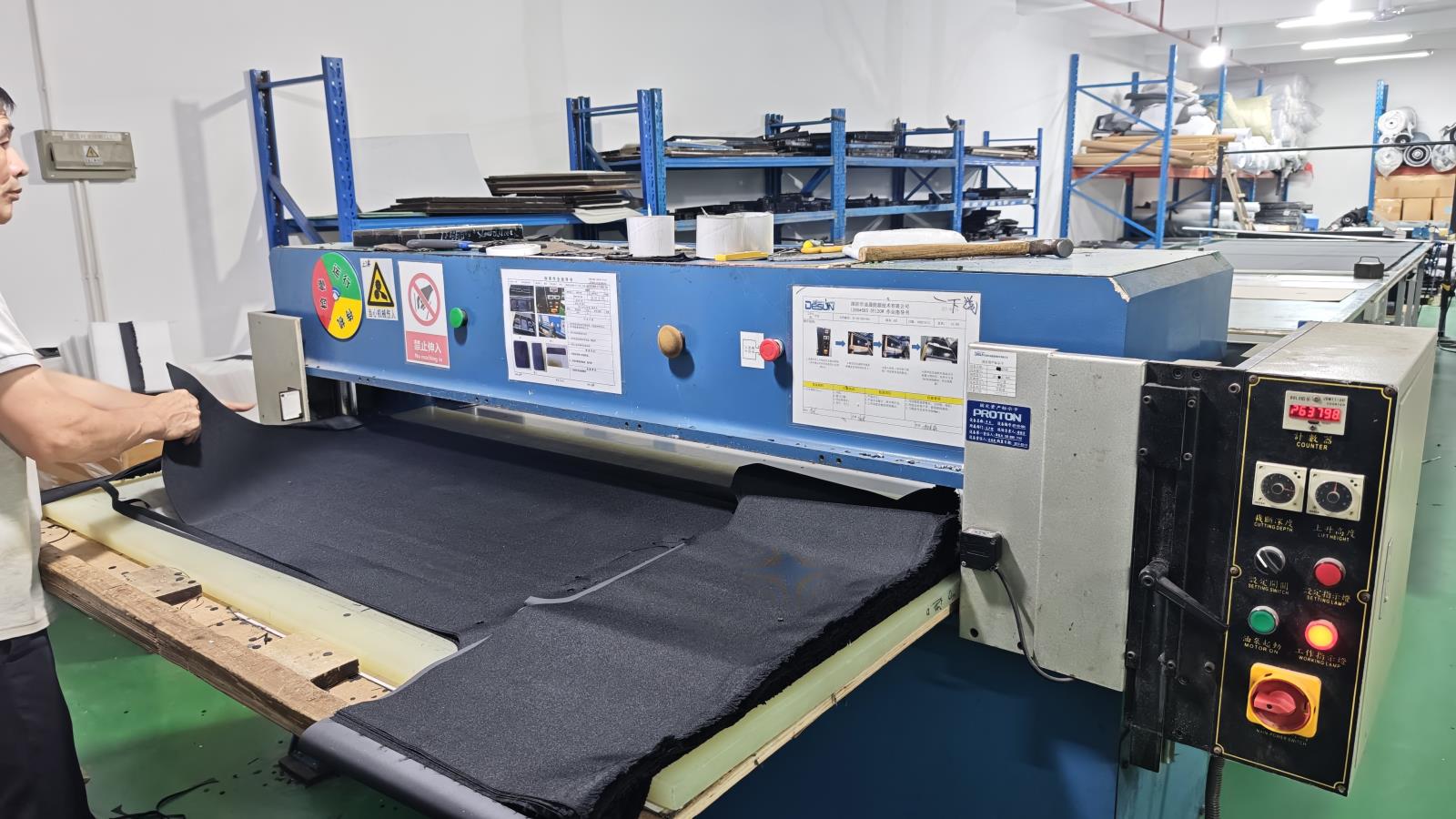
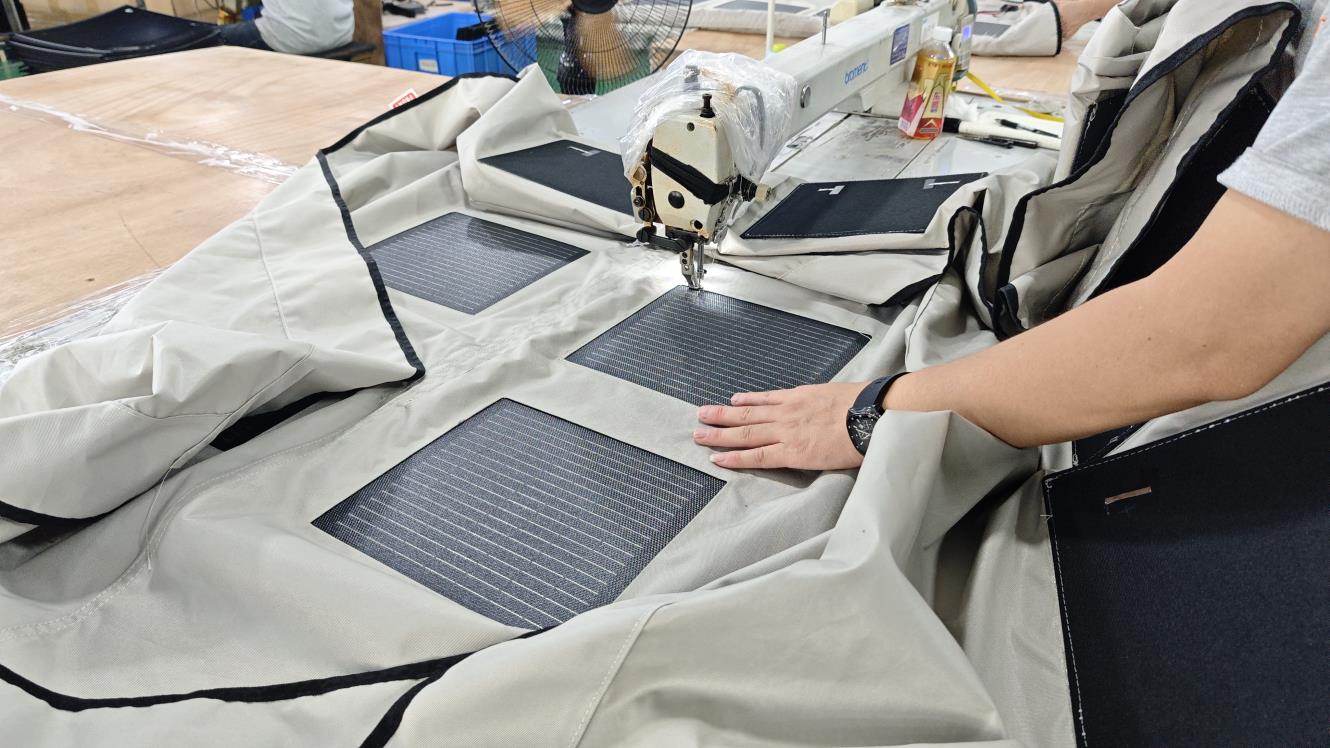
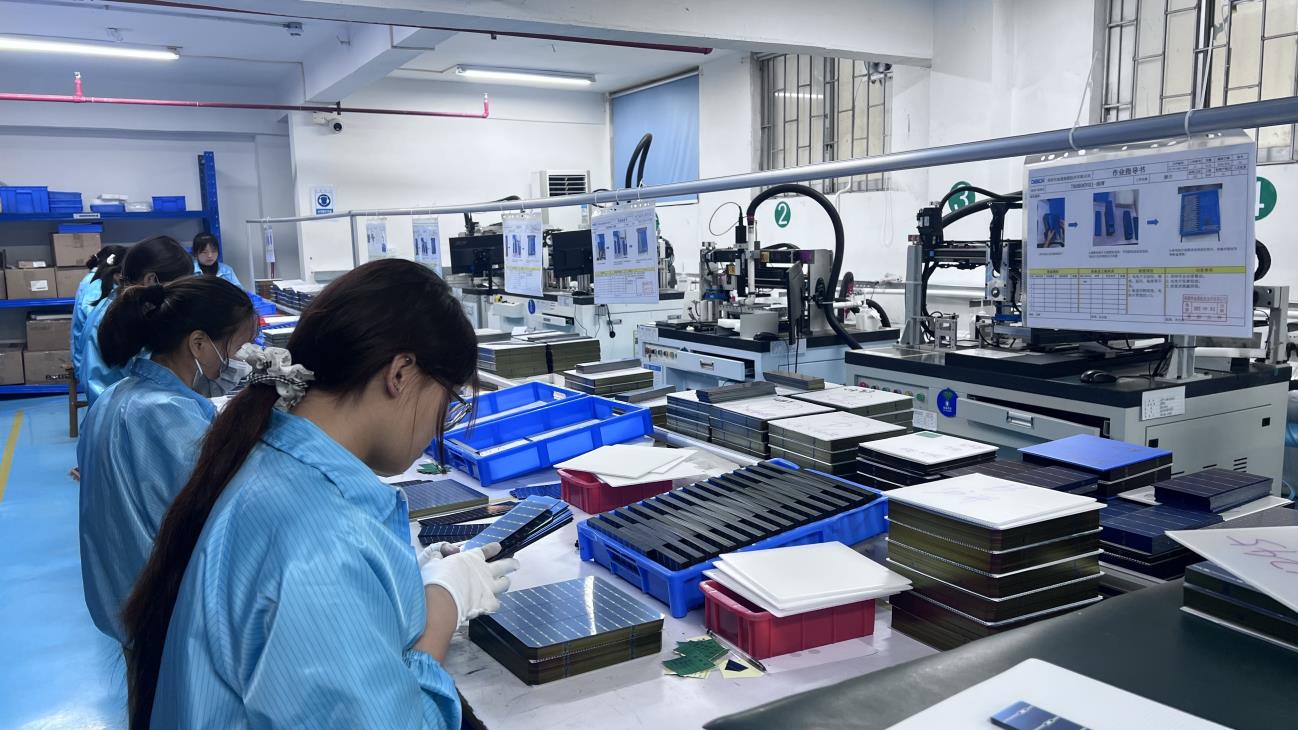
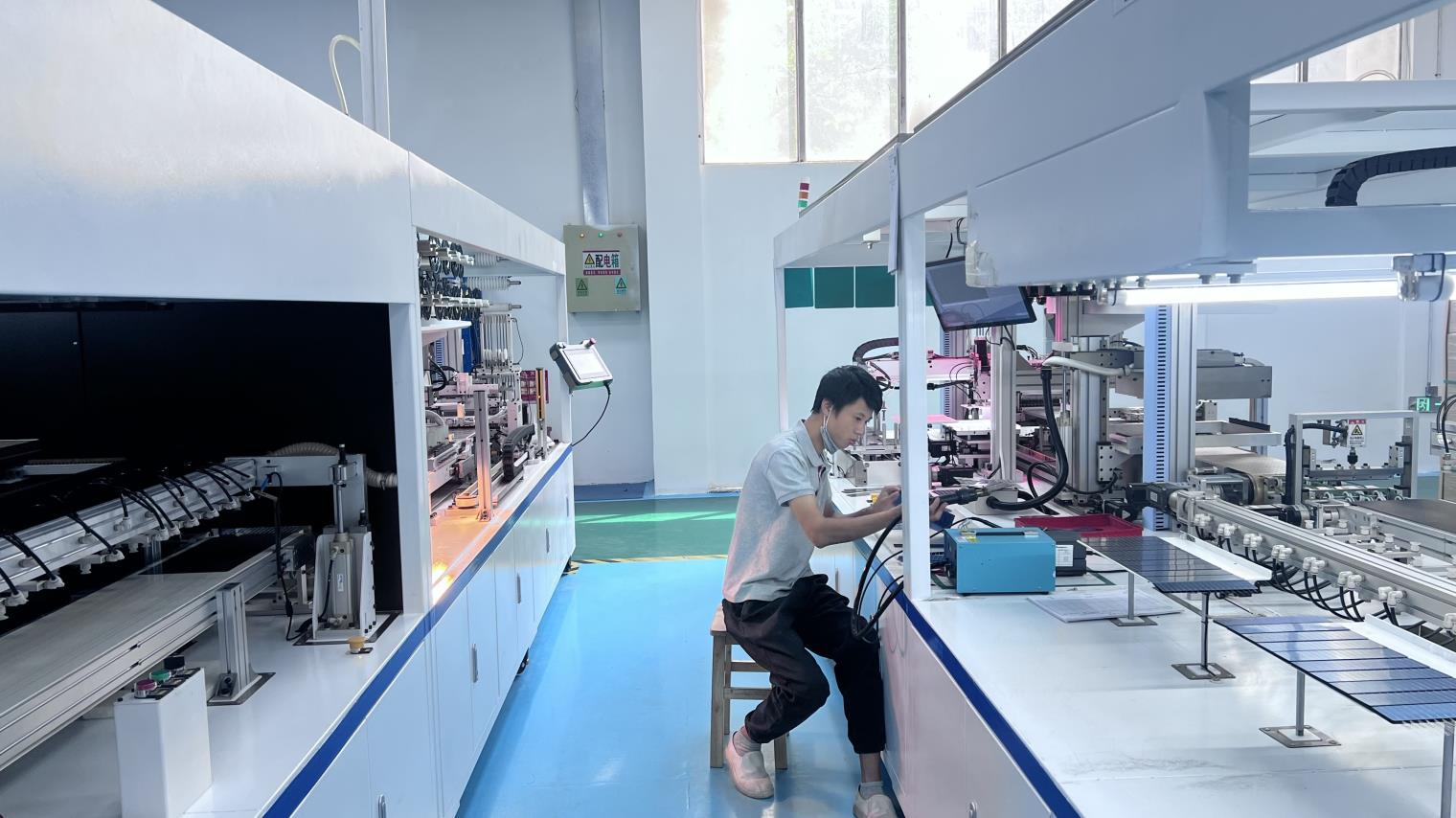
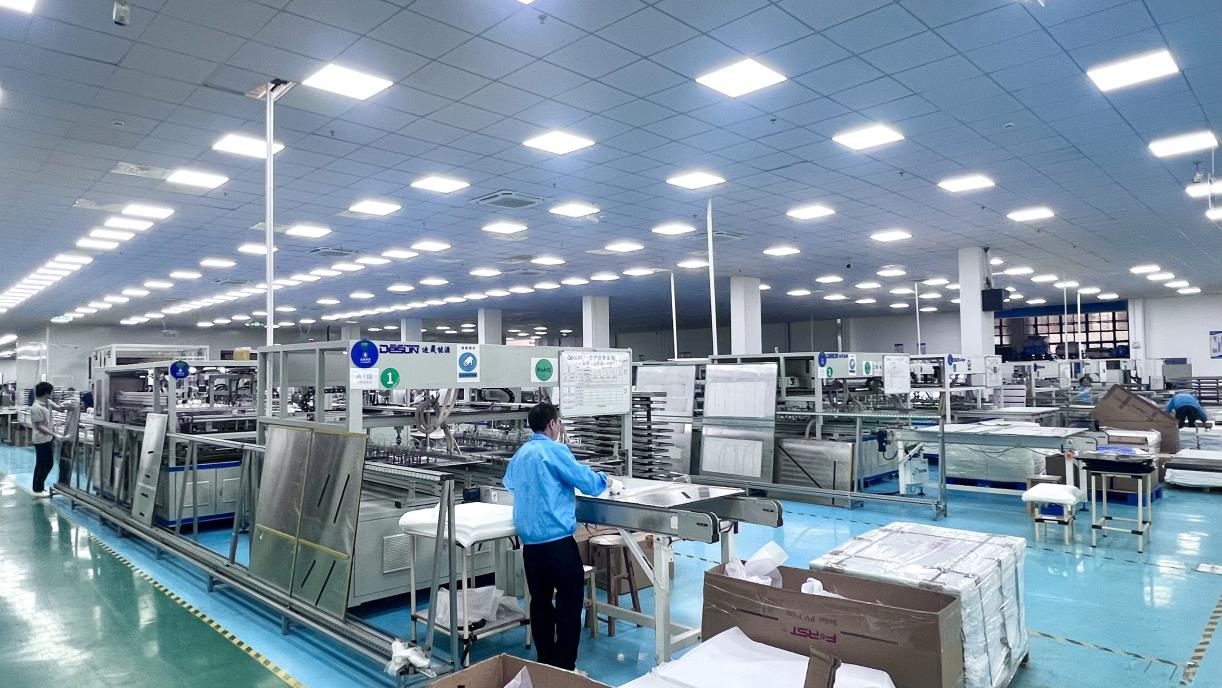
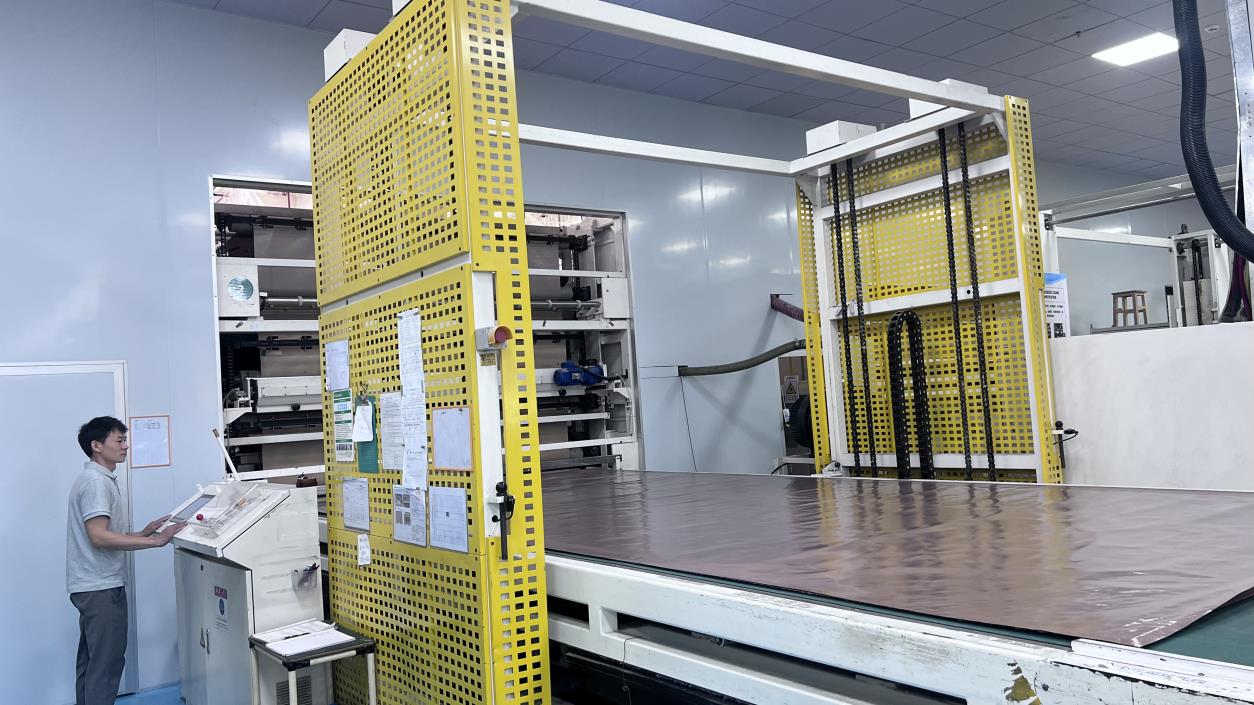
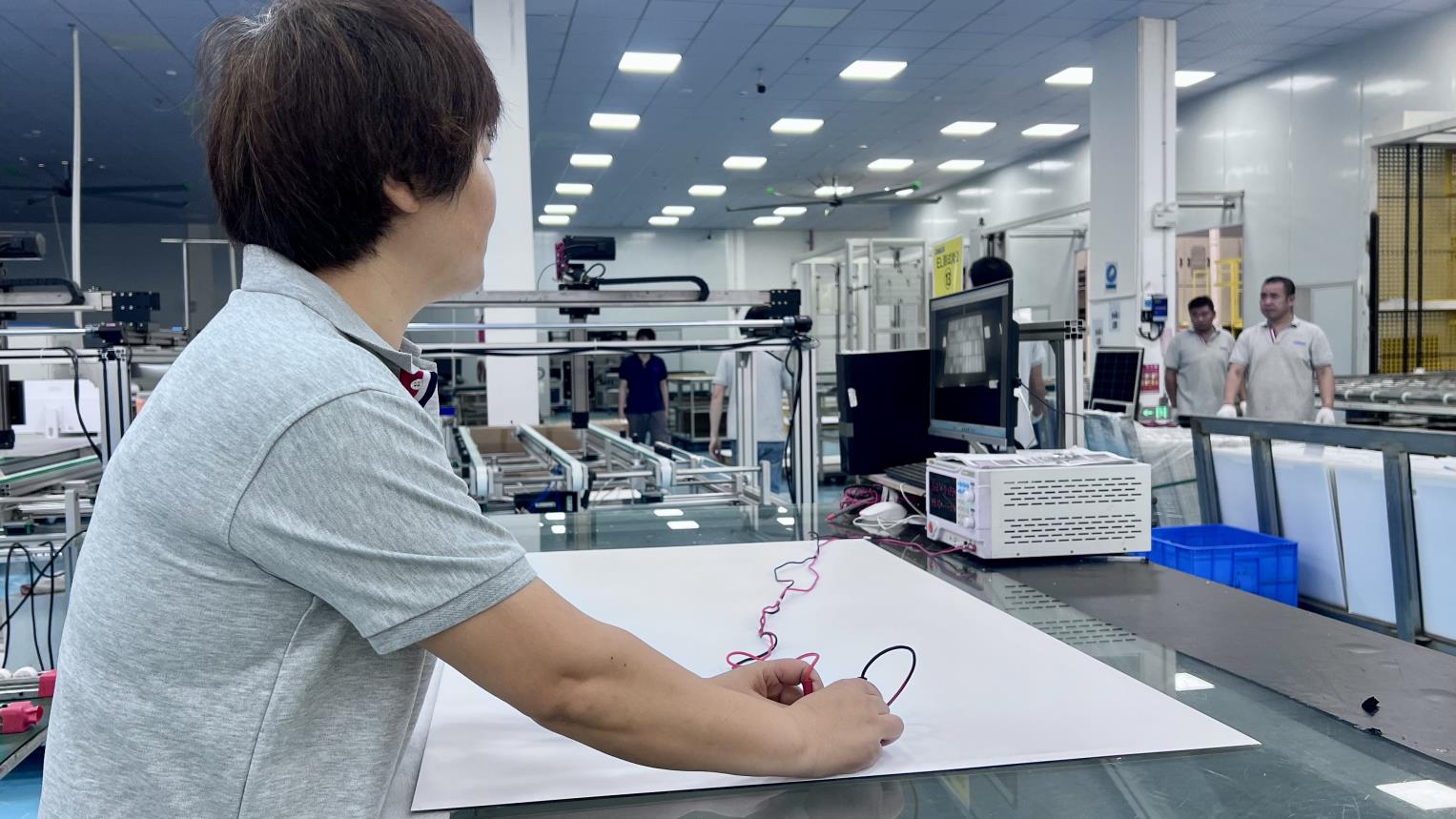
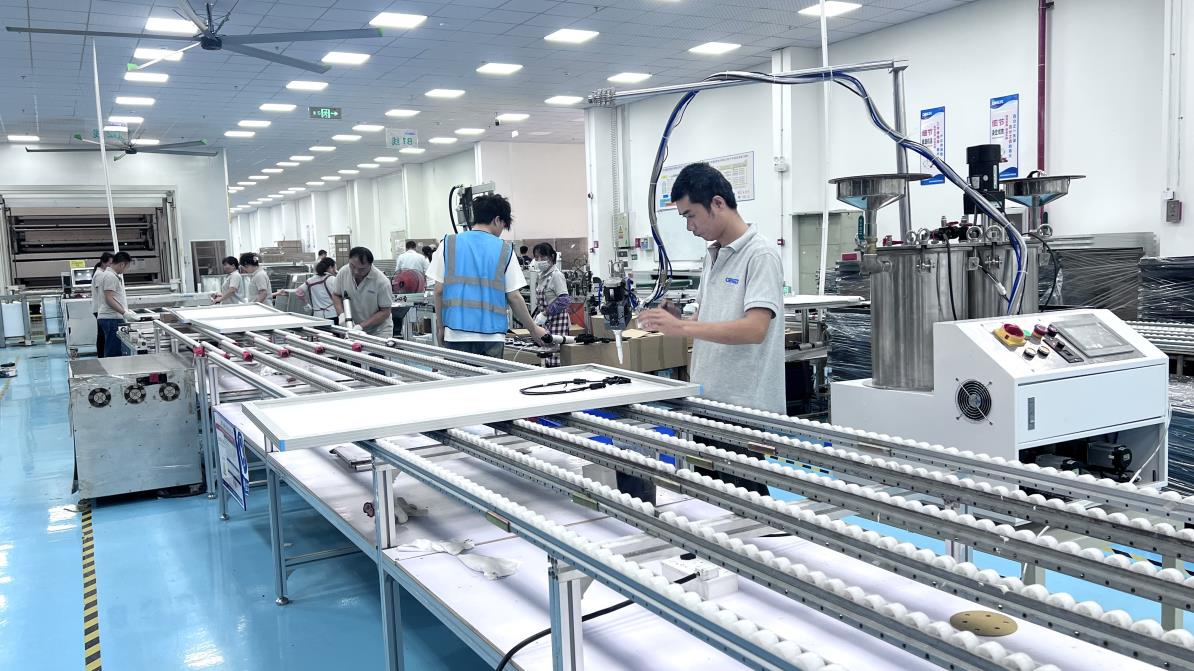
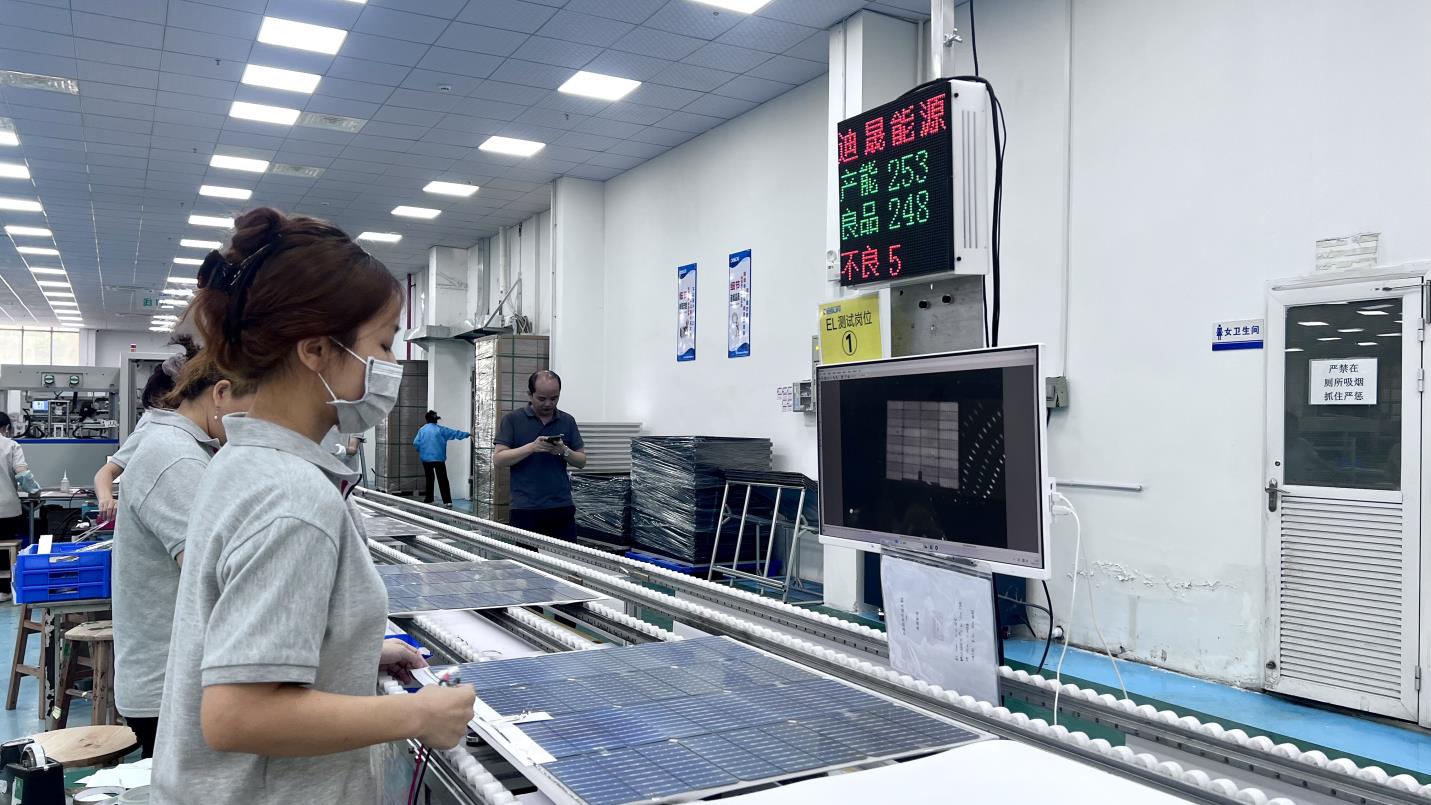
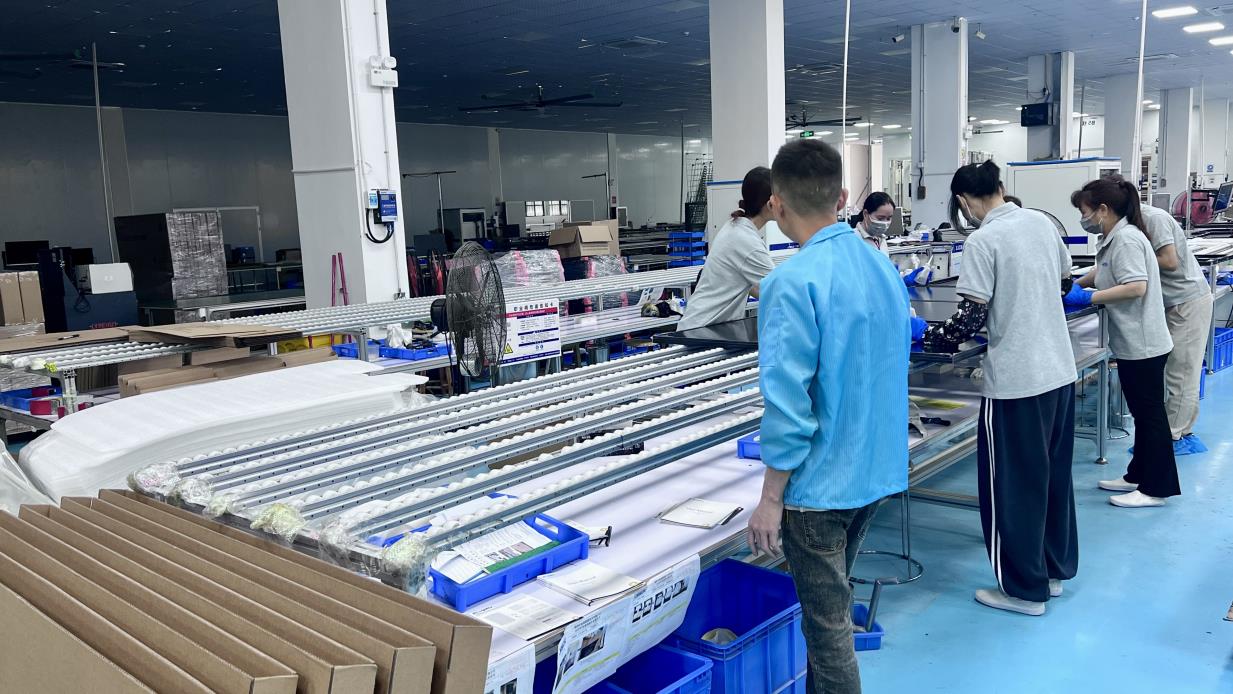
Our commitment to reliable production is backed by our advanced Factory 4.0 manufacturing processes. Through high levels of automation, automated laser-scribing, and multi-tier quality control checks, we minimize production variations, ensuring every module achieves its rated power output and a 25-year service life.
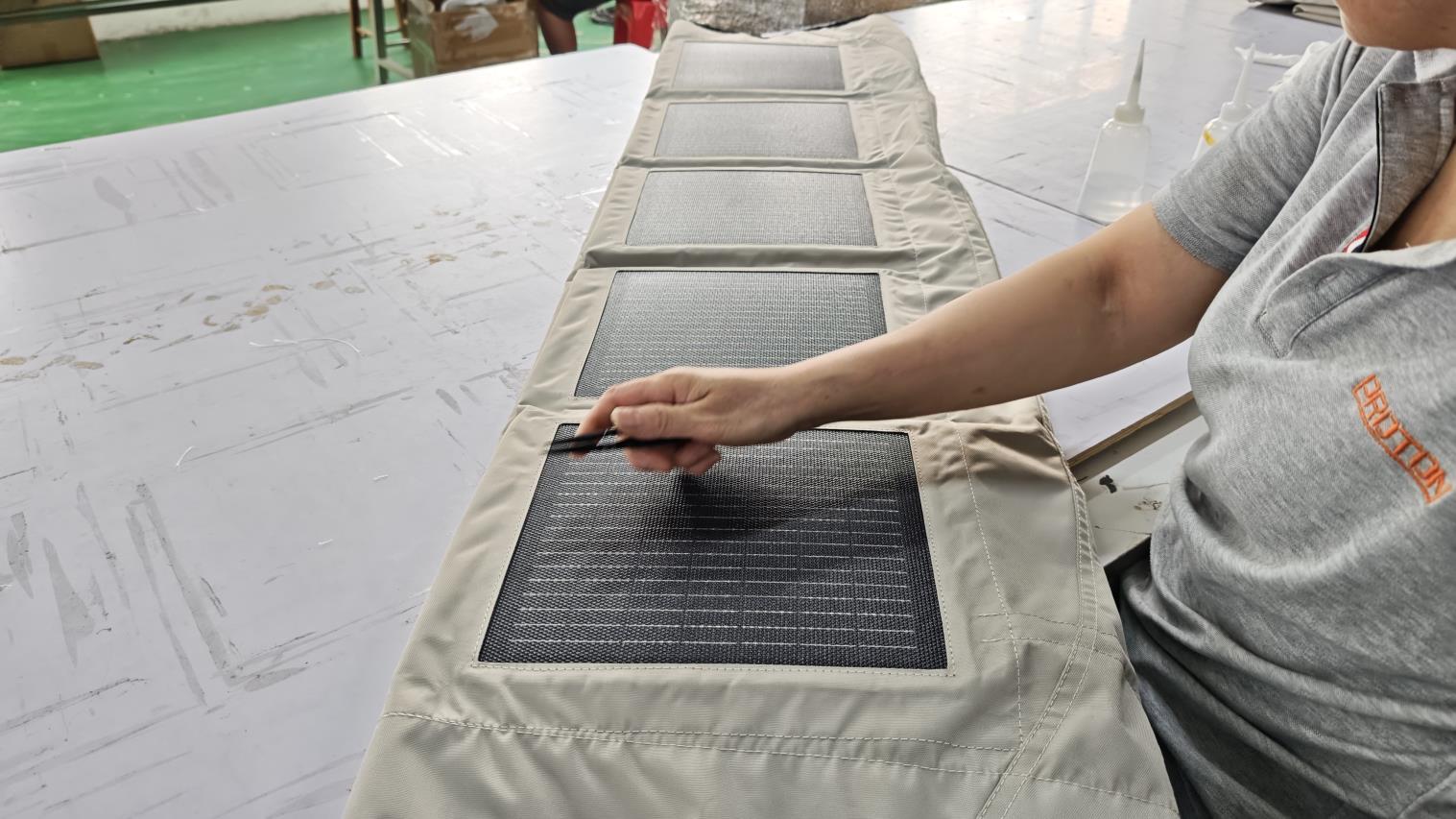
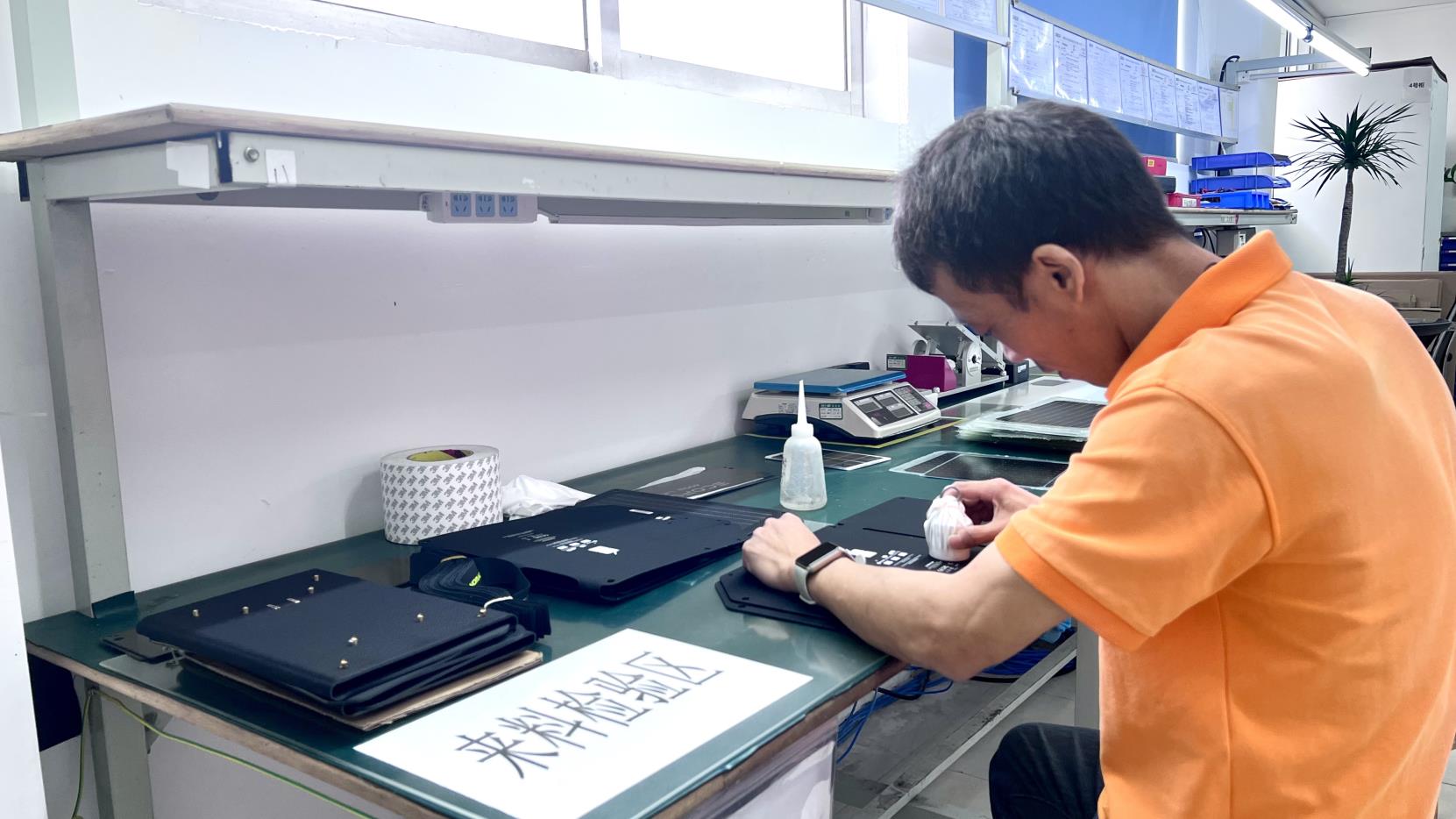
To assure engineering partners of our high production quality, we maintain transparent workflows throughout the entire manufacturing process. Our step-by-step production line is detailed below:
From Marine Vessels and Recreational Off-Grid Mobility to Modern BIPV Smart Facades
Thin-film photovoltaics' real-world performance is proven across specialized and demanding deployment environments. Unlike standard rigid panels that require precise tilt angles, our thin-film arrays deliver strong performance in off-axis orientations, partial shade, and extreme weather.
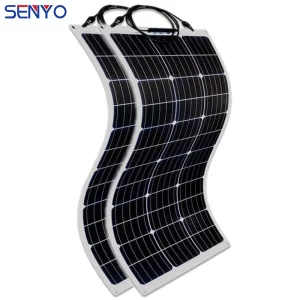
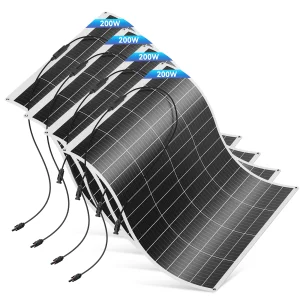
Marine and recreational vehicles require highly durable, low-profile solar installations. Our flexible panels conform to deck curves and vehicle rooflines, maintaining aerodynamics and minimizing structural drag. With marine-grade IP67 polymer encapsulation and saltwater-resistant junction boxes, ConTech systems withstand constant exposure to seawater, strong vibrations, and high UV levels, making them a reliable off-grid energy source.
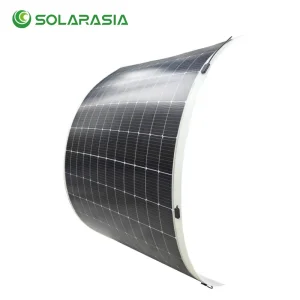
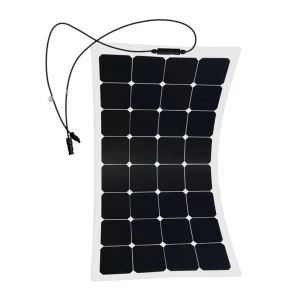
Industrial warehousing often utilizes curved standing-seam metal roofs, which pose mounting challenges for heavy crystalline arrays. Our rollable CIGS panels bond directly within roof pans, preserving the building's aesthetic profile and structural integrity. This approach avoids roof penetrations, eliminating potential water leak pathways.
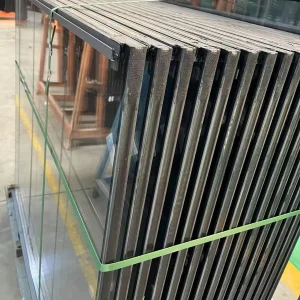
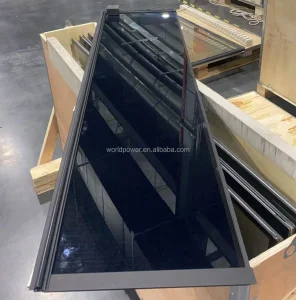
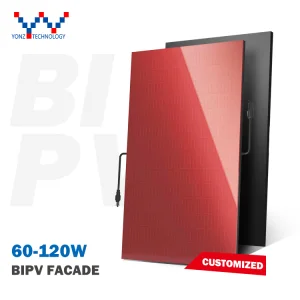
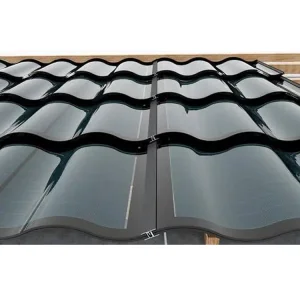
In modern high-rise architecture, glazed facades offer a key opportunity for clean energy capture. Our customizable CdTe laminated architectural glass provides clean energy generation while serving as building cladding. Designers can select specific light transmission rates (e.g., 20% to 40% transparency) to balance indoor natural lighting with thermal insulation, helping to lower building HVAC heating and cooling costs.
Expert Answers for EPC Engineers, Architectural Consultants, and Purchasing Officers
Flexible monocrystalline panels offer the highest conversion efficiencies, peaking between 21% and 23%. However, they use thin-cut standard silicon and must be mounted on surfaces with limited, single-axis curvature to prevent micro-cracking. CIGS (Copper Indium Gallium Selenide) modules achieve solid efficiencies of 15% to 18% and are highly rollable and bendable. CdTe (Cadmium Telluride) thin-film glass operates between 14% and 17% efficiency, but excels in high-heat and low-light environments, making it a preferred choice for vertical building integration (BIPV) and high-temperature regions.
Flexible modules are typically installed using high-durability, factory-applied structural adhesives, such as butyl-based peel-and-stick backing. This adhesive bonds directly to clean TPO, EPDM, or metal roofing profiles. This method distributes load forces evenly across the roof, eliminates structural penetrations, prevents roof leaks, and reduces wind uplift forces.
Thin-film technologies feature a superior temperature coefficient (typically -0.20%/°C to -0.32%/°C) compared to standard crystalline silicon modules (-0.38%/°C). In hot climates, thin-film systems experience less thermal performance degradation. Additionally, their wider spectral absorption profile allows thin-film modules to capture energy earlier in the morning and later in the evening, as well as under cloudy sky conditions.
Yes. The cadmium used in CdTe is bound in a stable crystalline compound that is insoluble in water. Our modules feature double-laminated, high-strength architectural safety glass. They undergo rigorous testing, including high-impact hail resistance, wind loading, and fire ratings, ensuring they meet the safety standards for commercial high-rises and public structures.
ConTech Solar thin-film modules carry a 25-year linear performance warranty. Thanks to robust raw material formulation and high-quality edge-seal laminations, our thin-film arrays show an annual degradation rate of less than 0.55%, ensuring long-term power generation and return on investment.
Yes. Through our flexible manufacturing processes, we can customize CdTe facade panels in terms of dimensions, light transmittance levels, and custom color profiles using advanced inkjet printing. This allows architectural engineers to combine green energy generation with specific facade designs.
We provide full support throughout the procurement process, offering engineering design consultation, custom mechanical drawing layout, international customs documentation, and post-installation technical support. We ensure our products meet key international standards, including CE, IEC, and RoHS certifications.
Find the ideal clean energy solution for your specific application requirements.
 ConTech Solar