Marine Solar Panel Factories & Exporters

The Definitive Industrial Sourcing Guide & Technology Whitepaper for High-Efficiency Off-Grid Offshore PV Solutions

Premium Marine Solar Systems Sourcing Portfolio

Engineered for extreme offshore resilience, high-yield power generation, & robust E-E-A-T manufacturing standards
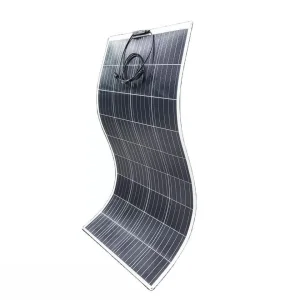
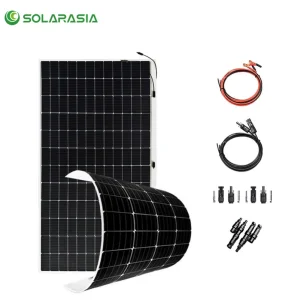
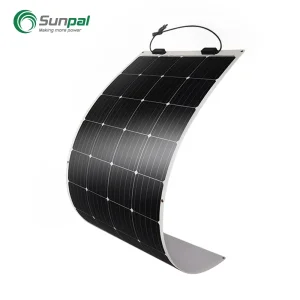
High Efficiency 100W Flexible Solar Panel
Shingle Cell Tech

High Efficiency 100W Flexible Solar Panel Shingle Cell Technology Monocrystalline PV Module for RV Boat Yacht Caravan Marine Camper Van

Explore Specifications
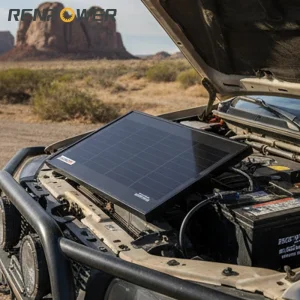
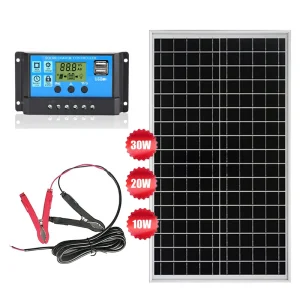
30W 12V PV Solar Panel Charger Kit
Trickle Charger Kit

30W 12V PV Module Battery Trickle Charger Maintainer Kit Bc Solar Panel for Outdoor Boat Car RV Motorcycle Marine Automotive

Explore Specifications
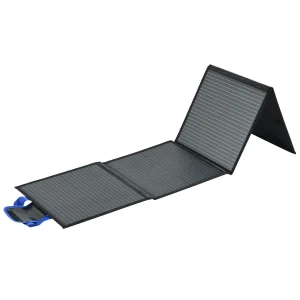
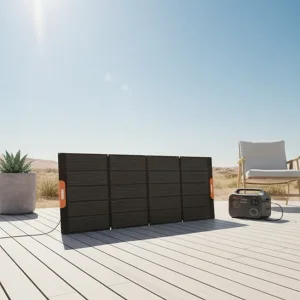
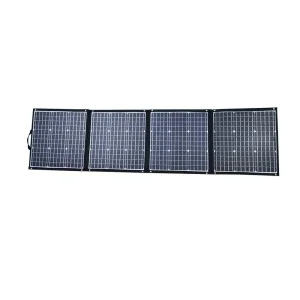
Ultra-Lightweight 160W Folding Solar Panel
ETFE Coating Mono

Ultra-Lightweight 160W Folding Solar Panel Portable Solar Charger Bag ETFE Coating Mono PV Module for Power Station Van Life Marine

Explore Specifications
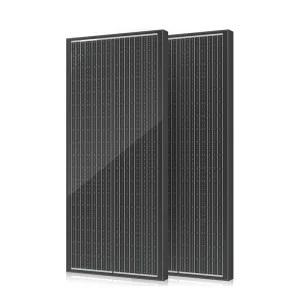
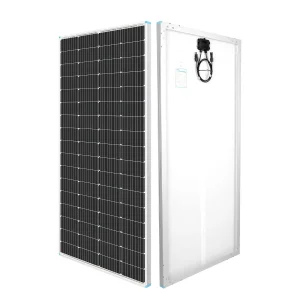
200W Solar Panel 100 Watt Monocrystalline
25% High Efficiency

18bb 200W Solar Panel, 2PCS N-Type 12V/24V 100 Watt Solar Panels, 25% High Efficiency Monocrystalline Solar Module, for RV, Boat, Marine, Trailer, Farm, Rooftop

Explore Specifications
Wholesale Solar Charge Controller Kit
DIY Complete Kit

Wholesale 10W 20W 30W DIY 10A Simi Flexible Solar Charge Controller Mono Poly Solar Panel Complete Kit for Home RV Marine Boat

Explore Specifications
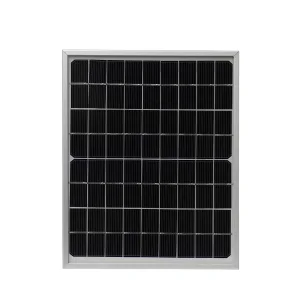
Glass Solar Panel Residential Rooftop
Tempered Glass

Glass Solar Panel for Residential Rooftop Marine Boat

Explore Specifications
Flexible 100W 12V Monocrystalline
Monocrystalline 12V

Flexible 100 W 12 V Monocrystalline Flexible Solar Panel 100 Watt 12 Volt for 12 V Batteries Caravan Motorhome Boat Yacht Marine

Explore Specifications
Flexible Solar Panel 520W 430W Kit
High-Power Thin-Film

Flexible Solar Panel 520W 430W Flexible Solar Power Kit Complete Thin-Film Portable High-Efficiency with Battery Charger for Yacht Marine and Mobile RV Backup

Explore Specifications

Navigating the Marine Off-Grid PV Market: A Sourcing Director's Overview

The global demand for marine solar energy systems has experienced an unprecedented upward trajectory. As international maritime policies shift rapidly towards zero-carbon goals and commercial shipbuilders, fleet managers, and recreational boatyards transition from diesel-only power architectures to decentralized smart microgrids, selecting a reliable marine solar panel factory has become a strategic commercial imperative. Unlike traditional residential or utility-scale ground-mounted solar installations, the marine environment represents one of the most punishing and complex operational envelopes for photovoltaic (PV) modules.

Oceanic operations introduce a severe multi-variable destructive environment characterized by perpetual saltwater mist exposure (catalyzing electrochemical corrosion), mechanical stresses from wave impacts, sustained structural vibrations, high-temperature thermal cycling, and uneven shading from rigging, masts, and sails. Consequently, standard commercial-off-the-shelf (COTS) PV modules suffer rapid degradation, delamination, internal electrical shorts, and catastrophic power loss within months if deployed in marine settings.

This is where Xiamen ConTech Solar Co., Ltd. stands out as a world-class, high-tech B2B innovator. Headquartered in the coastal manufacturing hub of Xiamen, China, ConTech Solar has spent over a decade establishing itself as a premier engineering partner for complex off-grid marine solar architectures, advanced structural laminates, and customizable OEM/ODM solar controllers. The company is dedicated to continuous technological innovation, ensuring every module shipped meets strict international maritime criteria, certified by leading compliance boards.

"Sourcing marine solar panels is not merely about calculating cost-per-watt. It is a strict multi-dimensional engineering evaluation encompassing encapsulation materials, cell technology, thermal expansion co-efficiency under extreme humidity, and salt-mist resilience. Our production protocols at Xiamen ConTech Solar ensure every PV module achieves maximum mechanical reliability, maintaining peak performance across a 15-to-25-year operational lifespan."

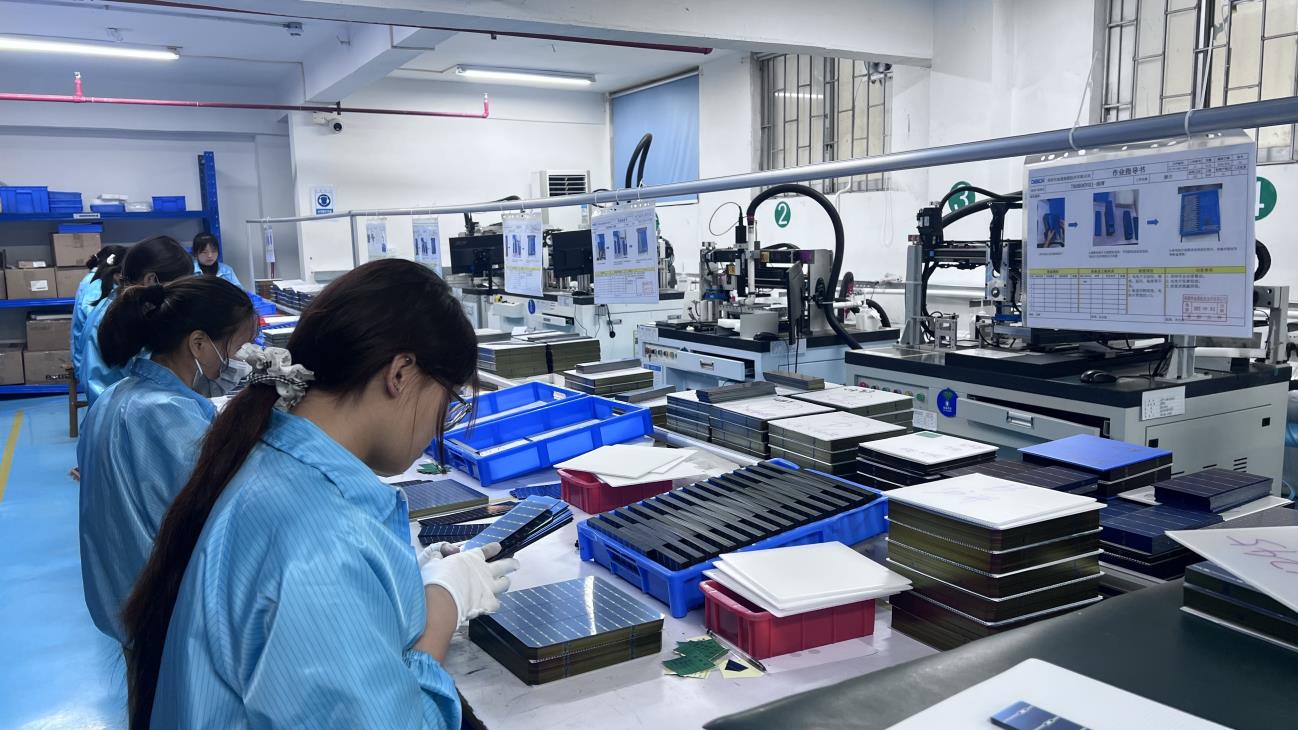
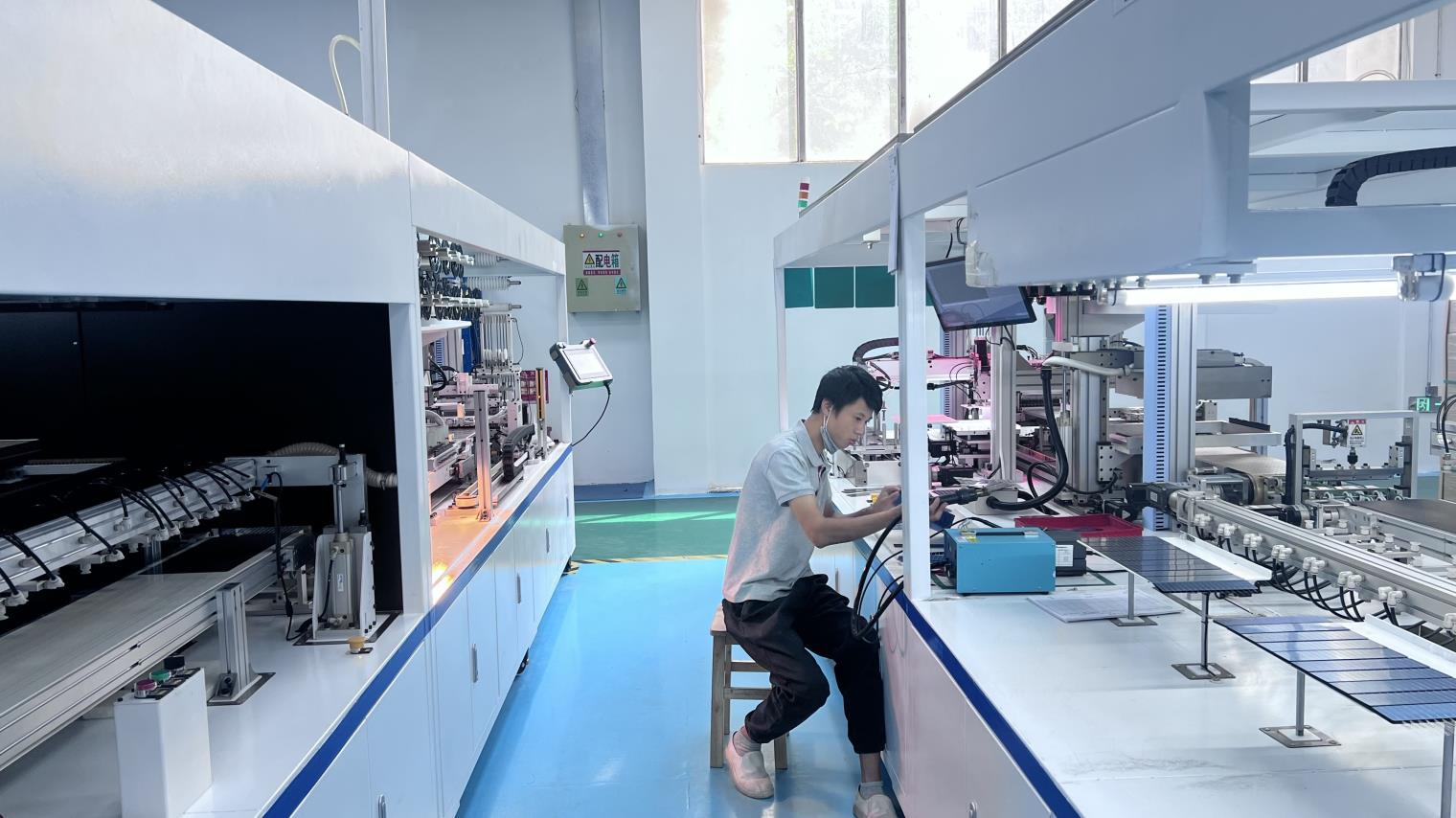
By leveraging an advanced domestic Chinese supply chain with localized industrial clusters, Xiamen ConTech Solar integrates state-of-the-art monocrystalline N-Type silicon wafer cutting, automated laser scribing, and high-frequency series welding into a highly streamlined production ecosystem. This integration enables the factory to achieve economies of scale and strict product quality control, allowing global distributors, B2B procurement agencies, and yacht builders to acquire robust marine solar kits with exceptional price-to-performance ratios.
Proven Global Sourcing Impact

Why ConTech Solar's marine PV platforms outperform the standard off-the-shelf alternatives
25%
Conversion Efficiency
N-Type Monocrystalline shingle technology sets industry-leading yields
30°+
Flexibility Tolerance
Adaptable to curved yacht decks, camper roofs, and streamlined marine hulls
IP68
Ingress Protection
Hermetically sealed junction boxes with integrated smart bypass diodes
10+ Yrs
Field Durability
Proven UV, saltwater mist, and continuous mechanical stress endurance

The Engineering Principles Behind High-Yield Marine Solar Panels

To fully grasp why premium marine solar panels differ from standard ground modules, we must analyze their internal architectural configuration and raw material processing. Marine-grade PV engineering requires optimization across four key technological areas: cell interconnect configuration, top-sheet encapsulation chemistry, backsheet tensile structure, and electrical protection networks.

1. Monocrystalline N-Type Shingle Cell Architecture

Traditional solar modules use metal ribbons soldered across the front of the PV cells to collect electrical current. This design introduces two major vulnerabilities in marine deployments: physical shadow cast by the metal grids, which decreases active cell area, and high susceptibility to thermal stress fractures along the soldered joints. Due to wave actions, high winds, and walking on the deck, these soldered ribbons quickly crack, resulting in open-circuit failures.

ConTech Solar addresses this challenge by deploying Shingle Cell Technology. In this configuration, the monocrystalline N-Type cells are laser-sliced into narrow strips and layered like roof tiles, joined with an electrically conductive adhesive (ECA). This eliminates the need for front-surface metallic ribbons, reducing resistance, eliminating thermal expansion stress points, and enhancing efficiency up to 25%. Under partial shading—a common issue on yachts and sailboats due to masts—the shingle layout ensures only the shaded region is bypassed, allowing the remaining unshaded cells to generate power continuously.

2. Advanced ETFE Coating vs. Traditional Glass Laminates

For flexible, ultra-lightweight marine solar panels, the choice of top protection layer is critical. Standard low-end flexible panels use PET (Polyethylene Terephthalate), which breaks down under heavy UV radiation, resulting in yellowing, peeling, and reduced light transmittance within 1-2 years.

ConTech Solar leverages high-molecular-weight ETFE (Ethylene Tetrafluoroethylene) co-polymer coatings. ETFE is a fluorine-based polymer featuring excellent UV resistance, self-cleaning surface properties, and chemical resilience. Its molecular matrix is highly resistant to saltwater mist corrosion, maintaining 95%+ optical transparency over decades. The surface is textured to capture oblique angles of sunlight, increasing power output in early morning and late afternoon, while providing a non-slip textured finish that allows safe foot traffic on boat decks.

"By utilizing N-Type shingling and multi-layer ETFE co-polymer lamination, Xiamen ConTech Solar has bridged the gap between flexibility, structural lightweighting, and long-term durability in maritime PV applications."

3. Micro-Climate Thermal Management & Anti-Corrosion

As PV cells heat up under direct sunlight, their open-circuit voltage decreases, lowering overall output. On a boat deck, heat can build up rapidly beneath the module. ConTech's marine solar modules feature an integrated heat-dissipating composite backplate, reducing operational temperatures by up to 8°C compared to conventional polymer backsheets.

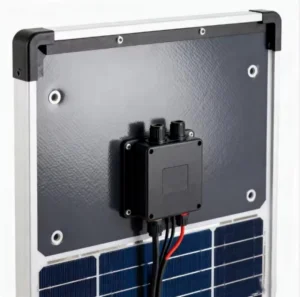
Additionally, marine applications require robust saltwater corrosion defense. All metal interconnects and copper busbars within ConTech panels are coated with a specialized anti-oxidant layer. This is complemented by IP67/IP68 rated junction boxes filled with high-viscosity silicone gel to keep out moisture and salt.

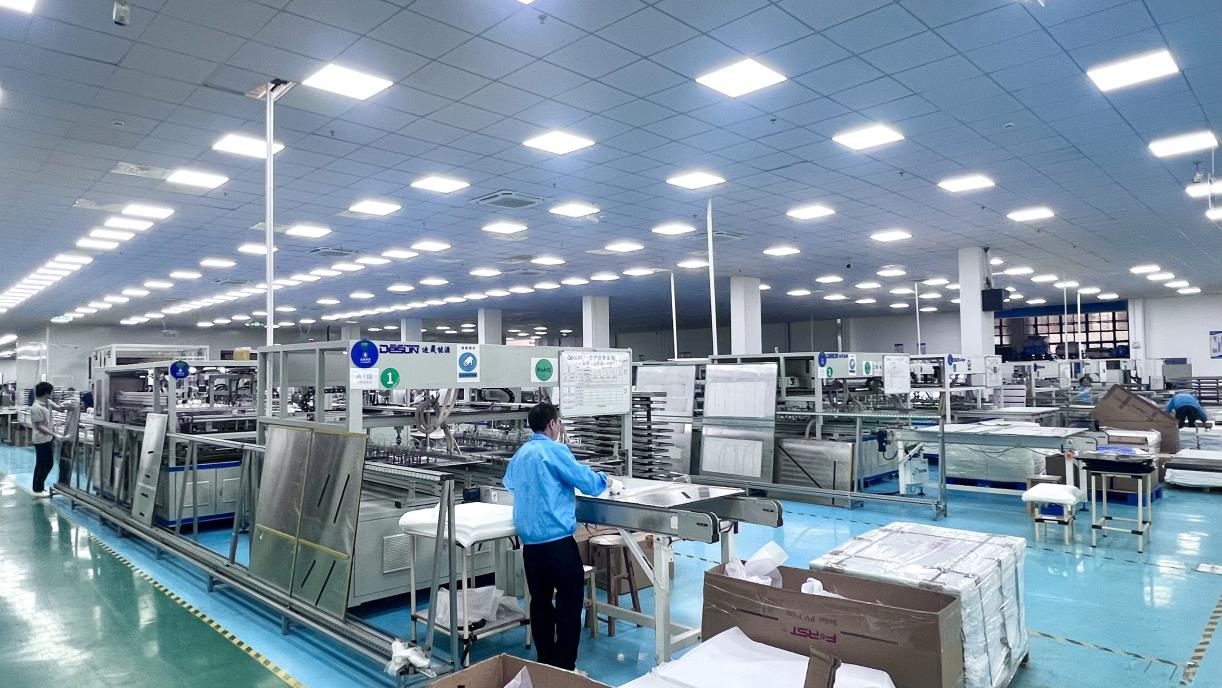
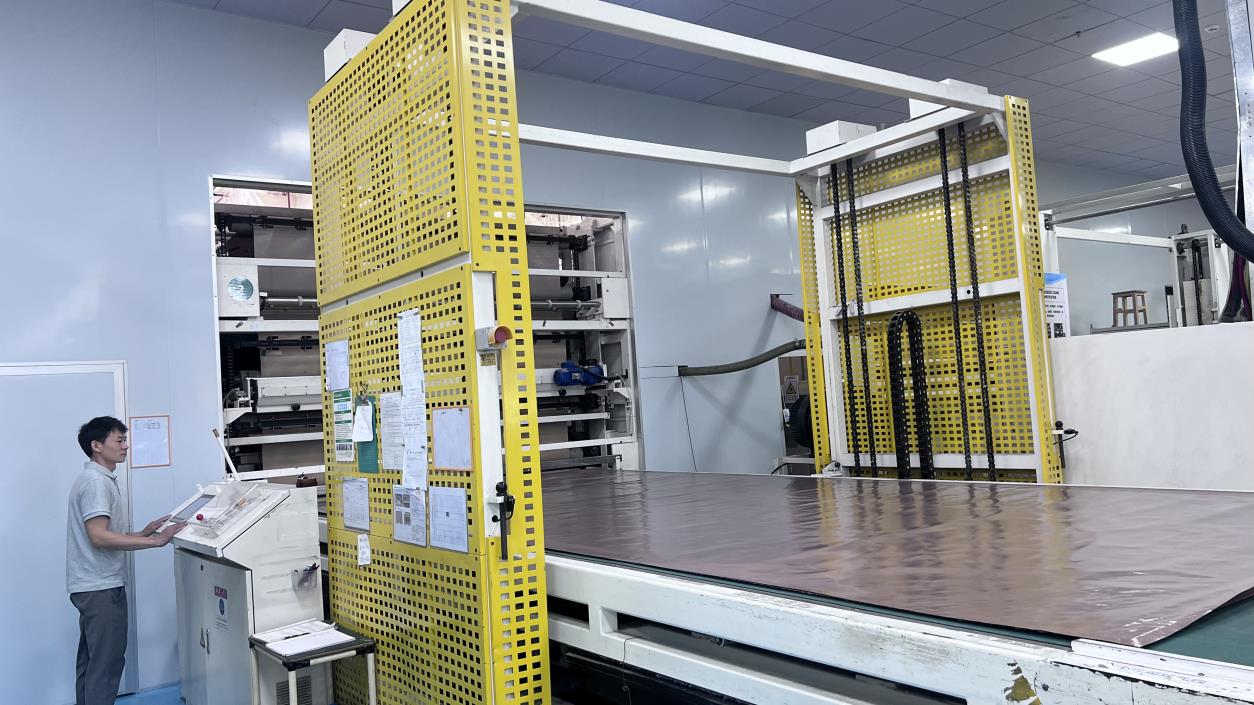
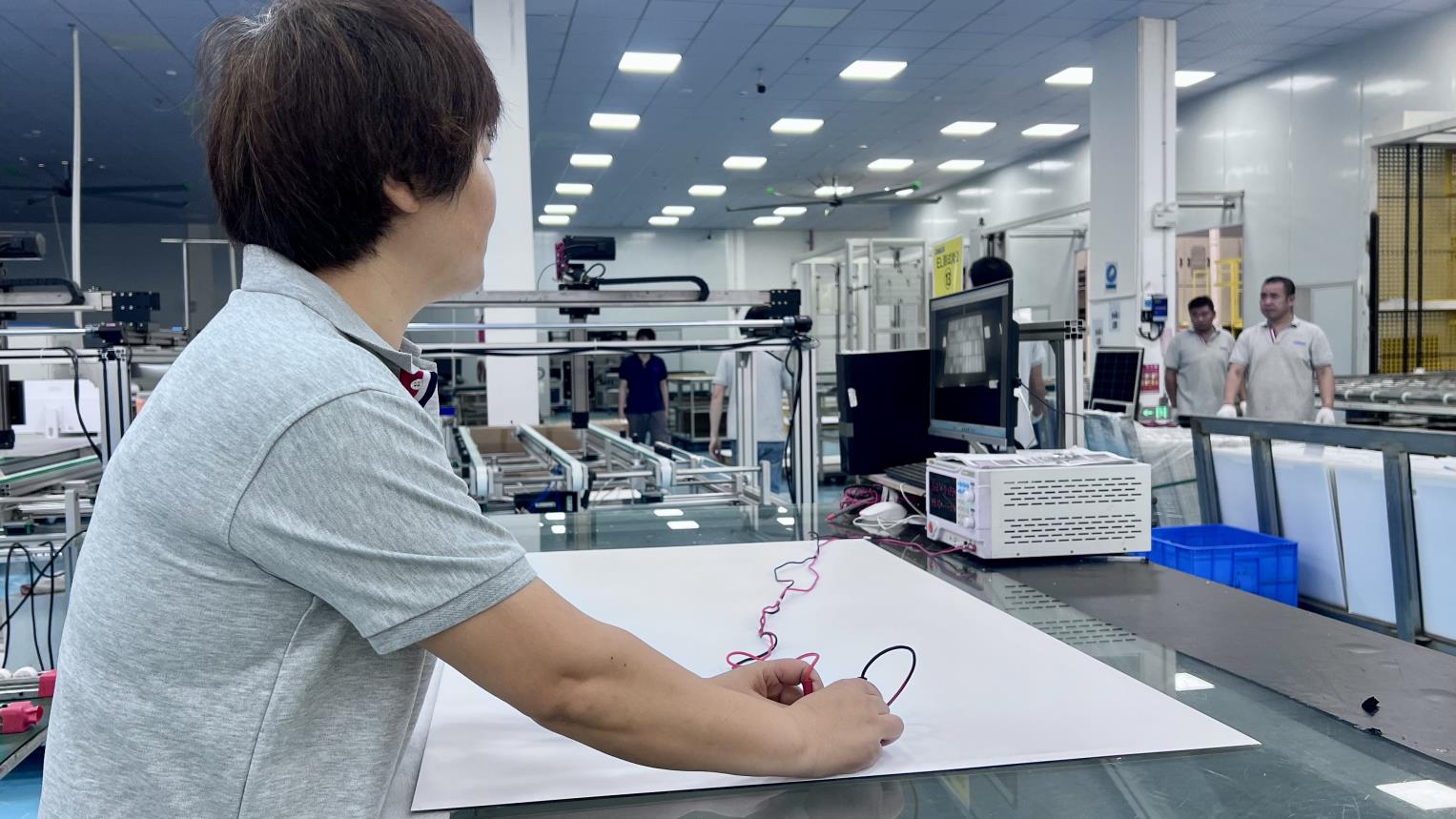
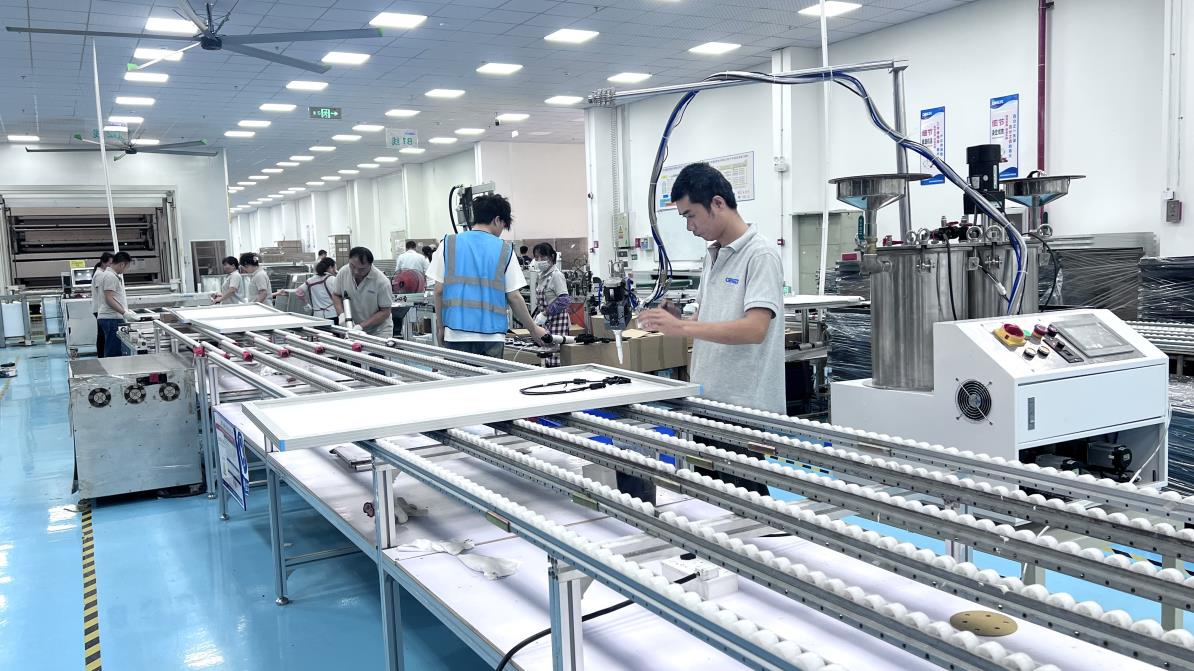
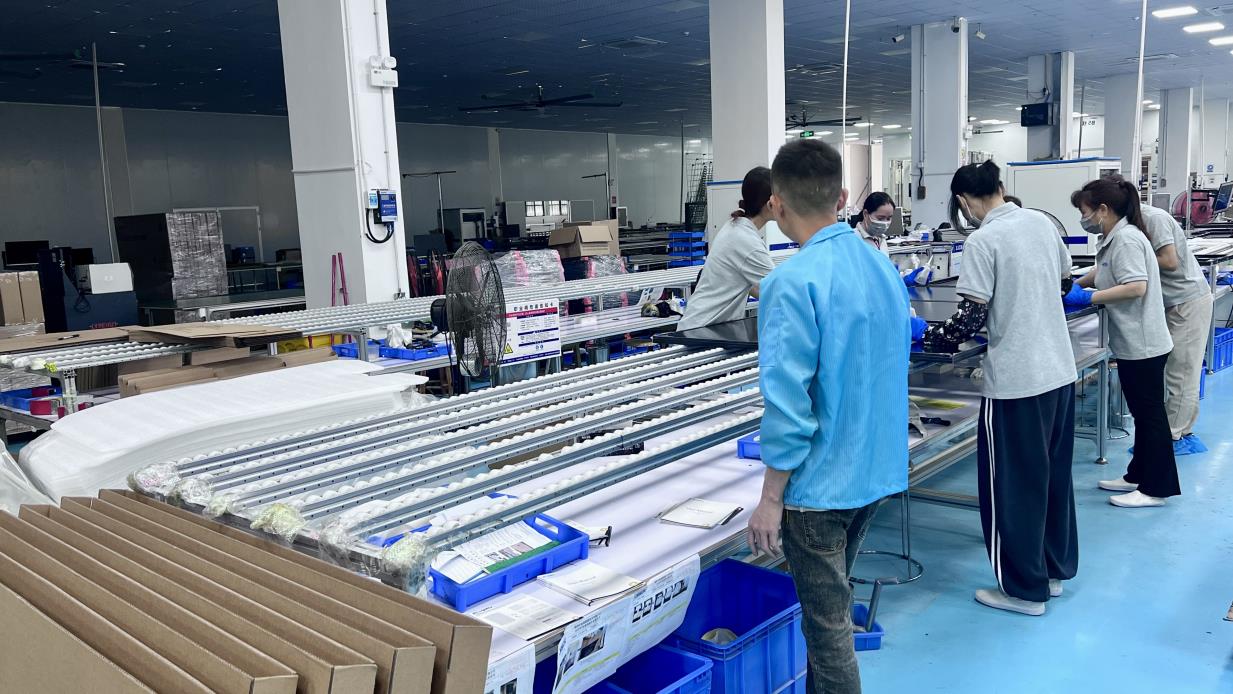
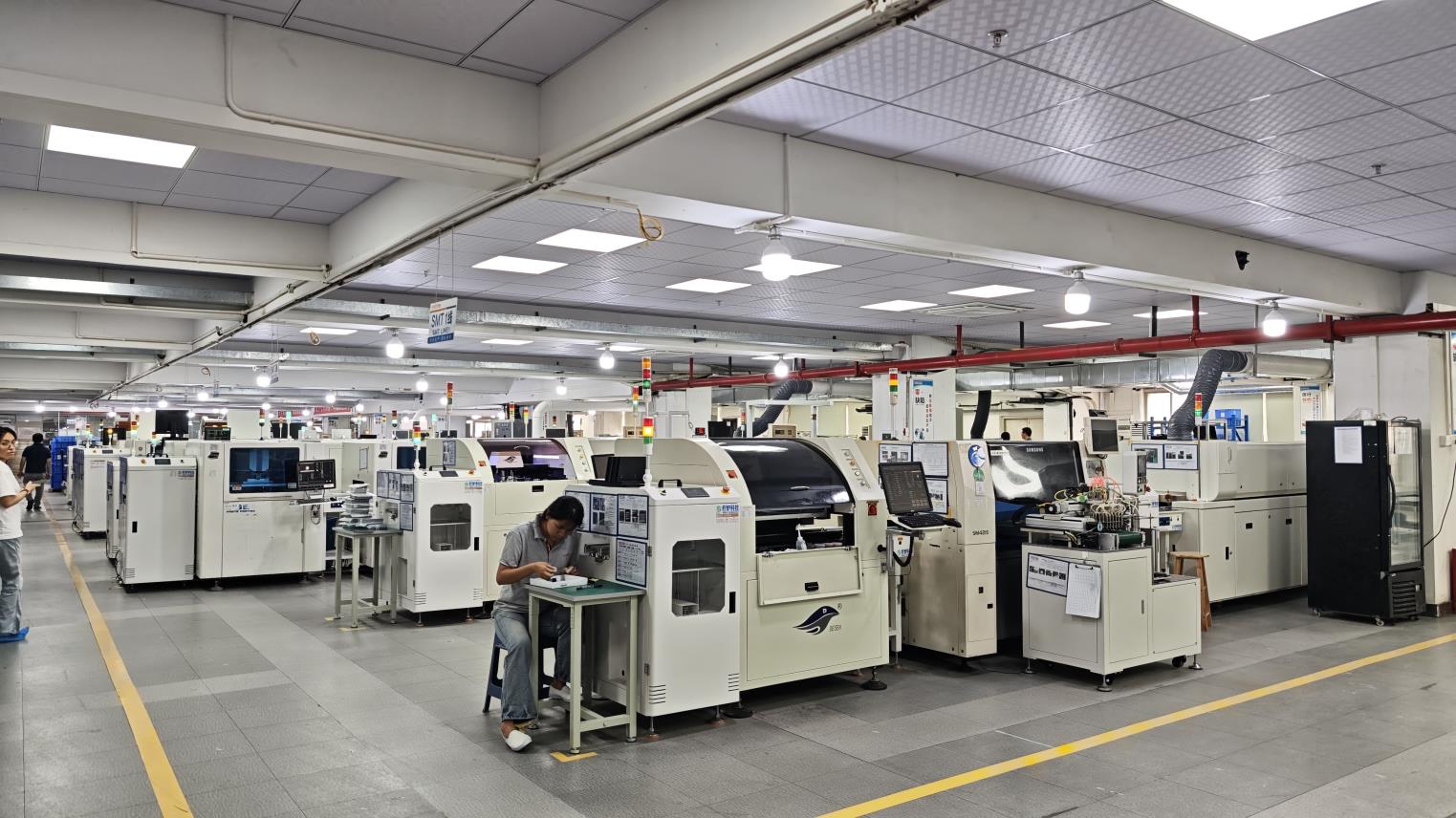
Inside Xiamen ConTech Solar: High-Tech Production & Quality Control

19 precise stages of manufacturing excellence to guarantee long-term field reliability
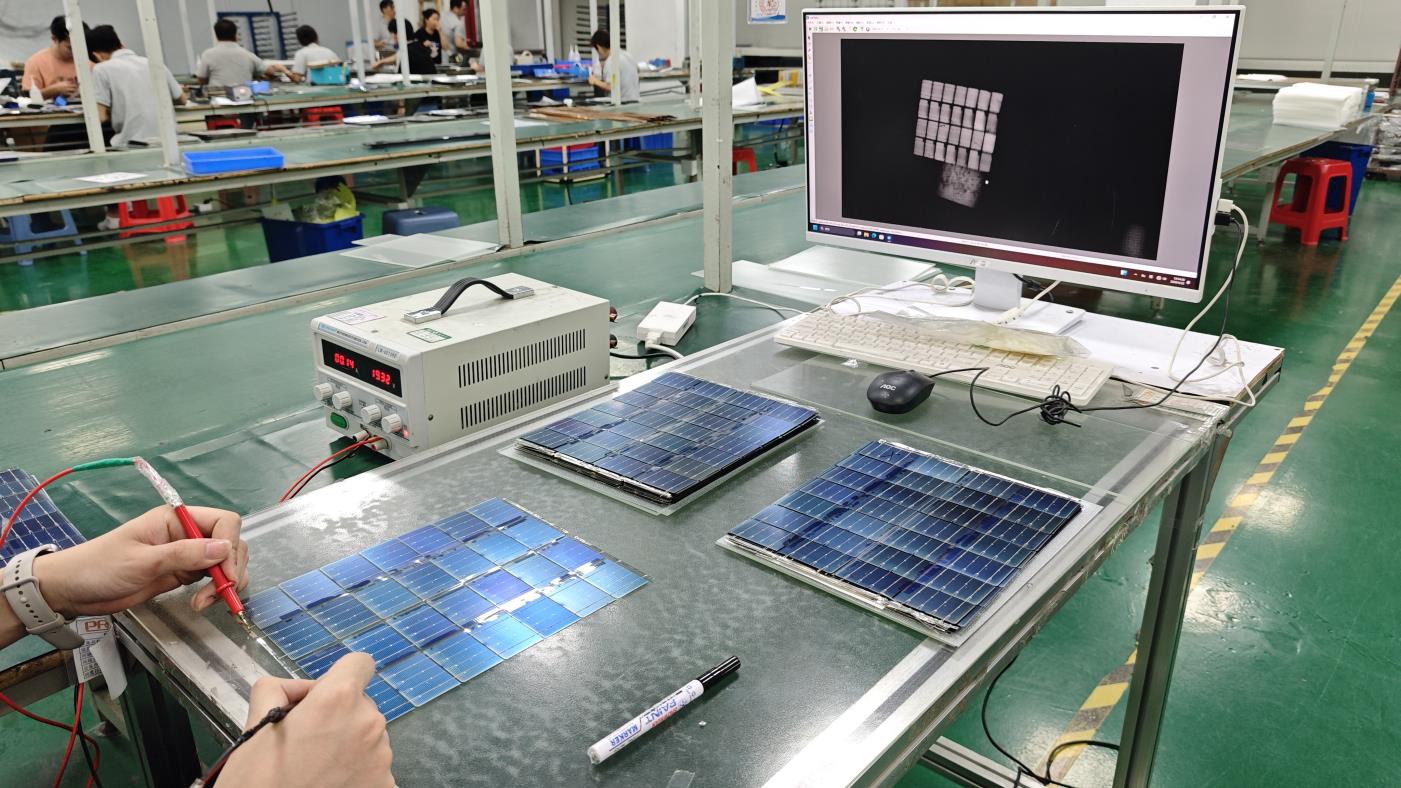
SMT
SMT
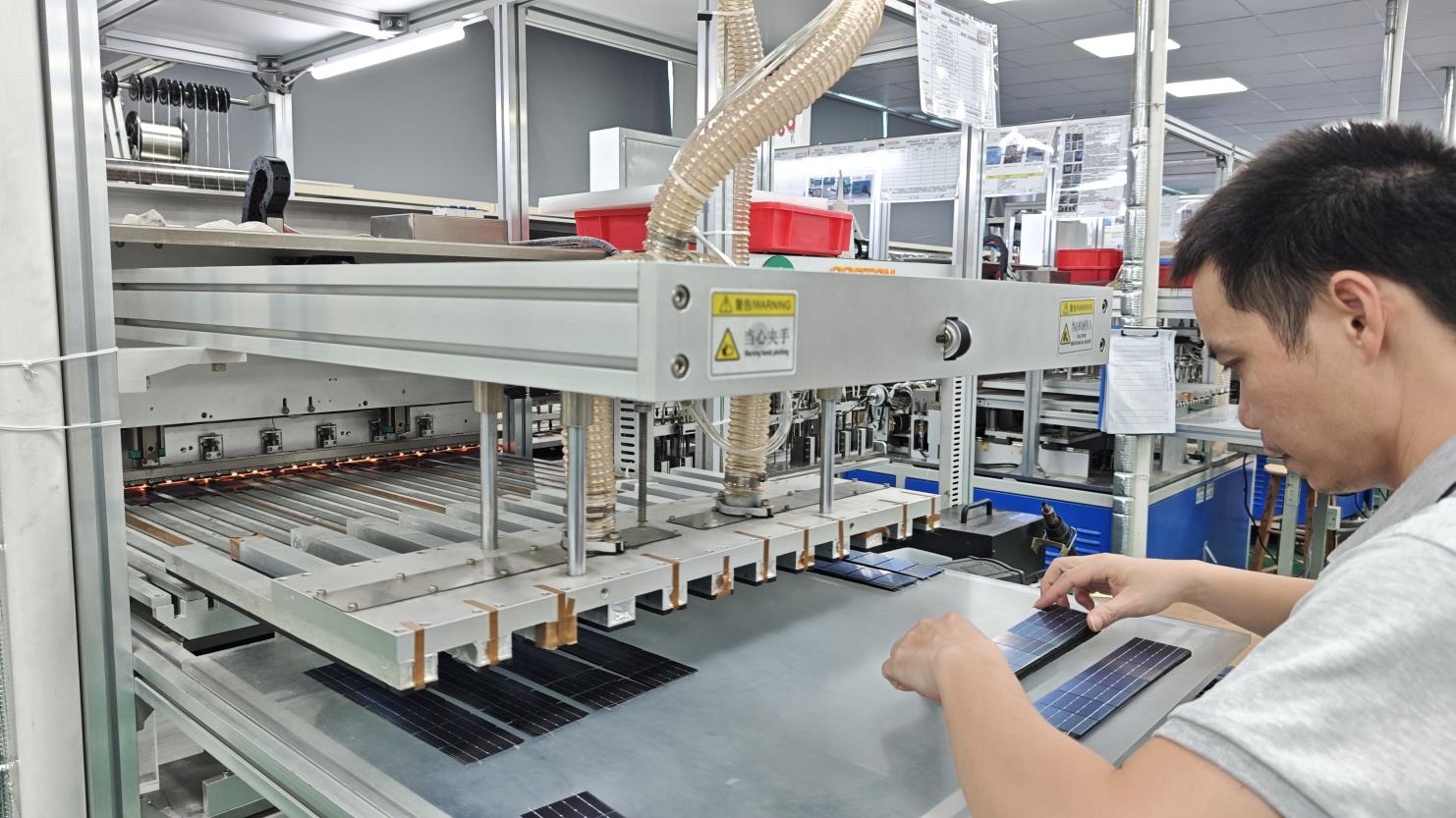
Series welding
Series welding
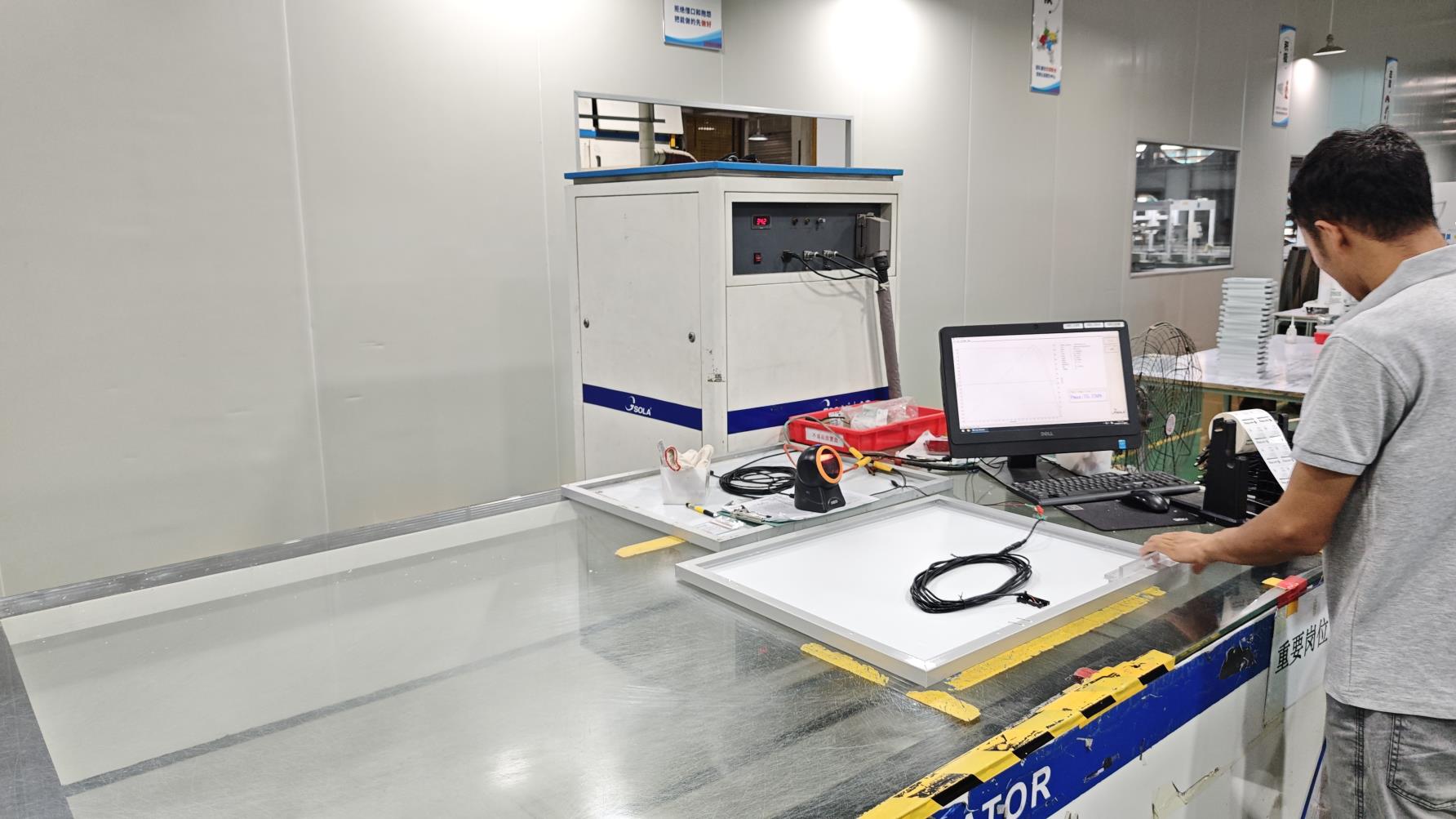
Testing
Testing
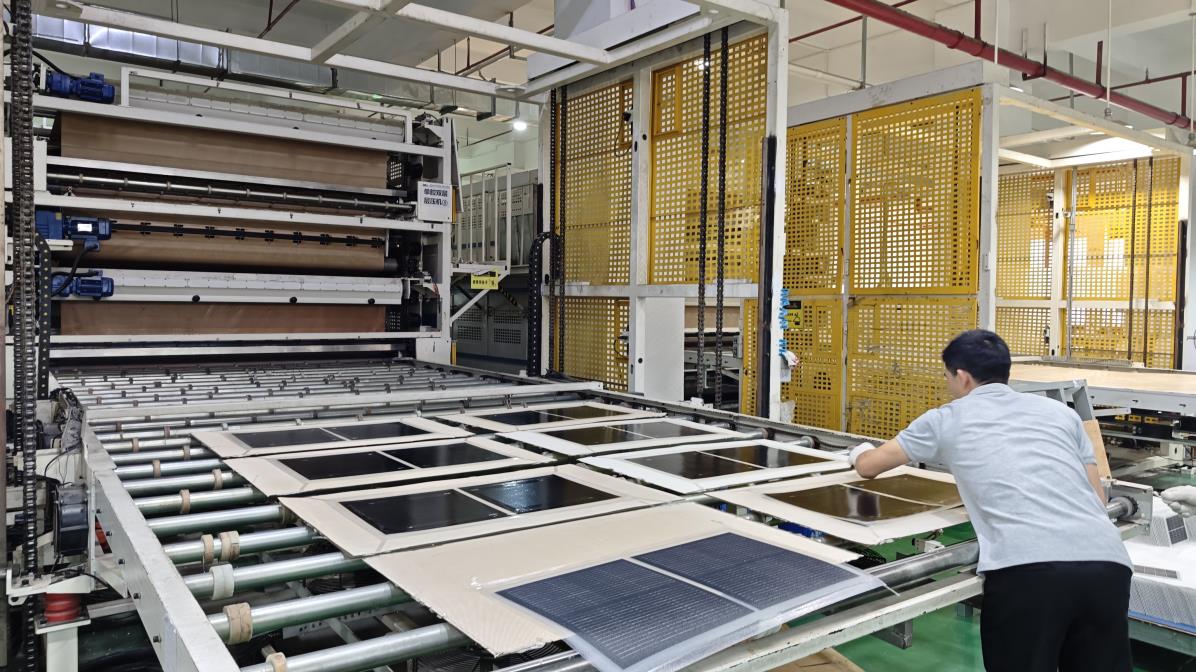
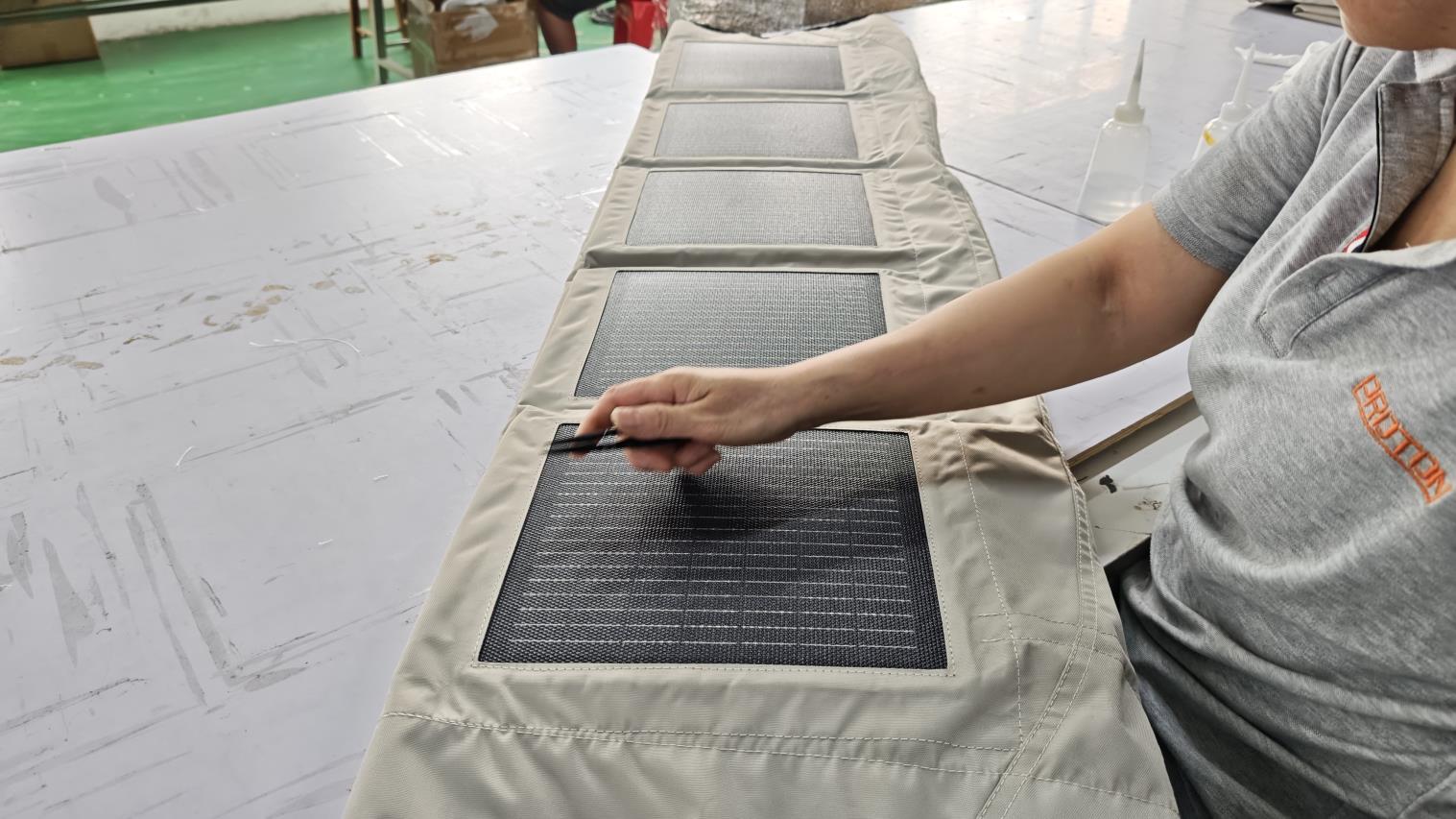
Solar panel laminating
Assembling
Assembling
Inspection
Inspection
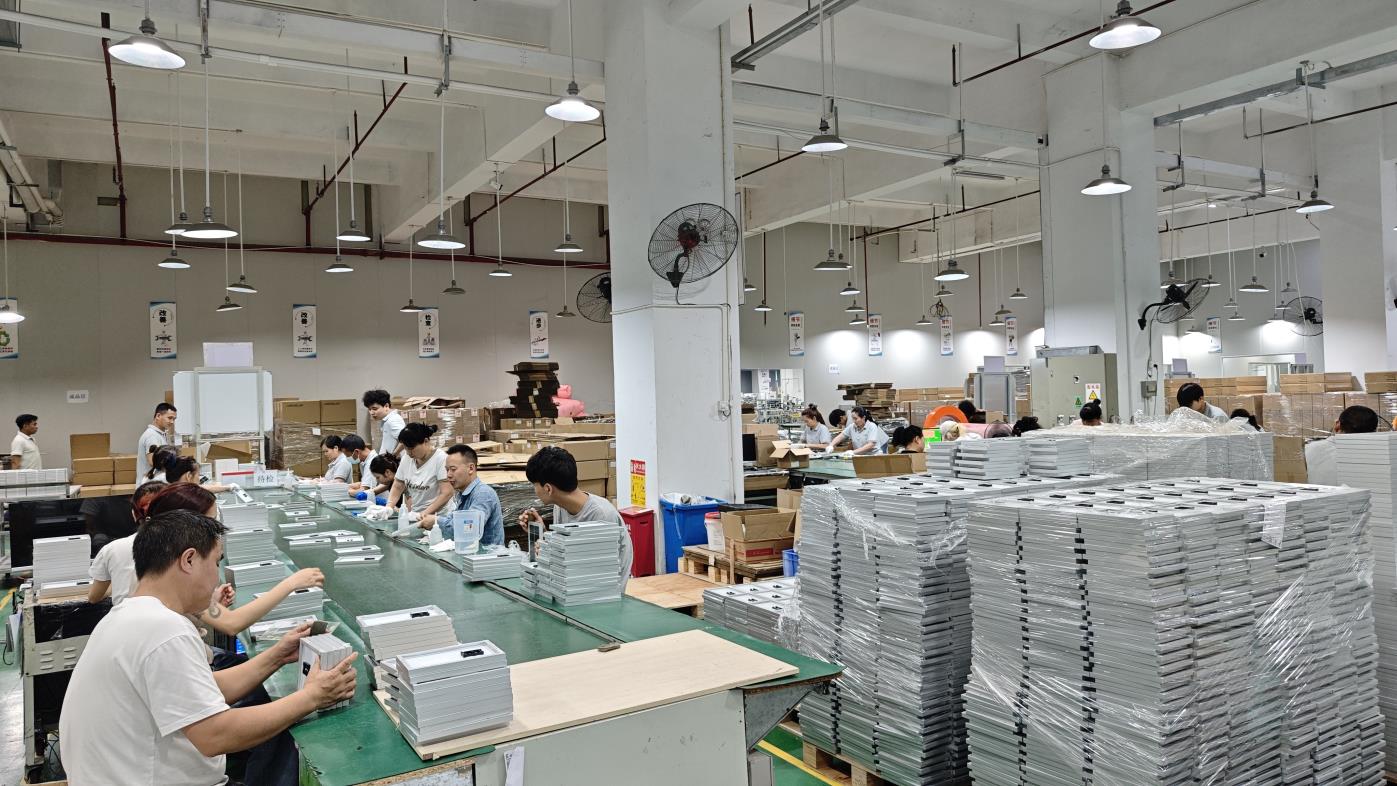
Packaging
Packaging
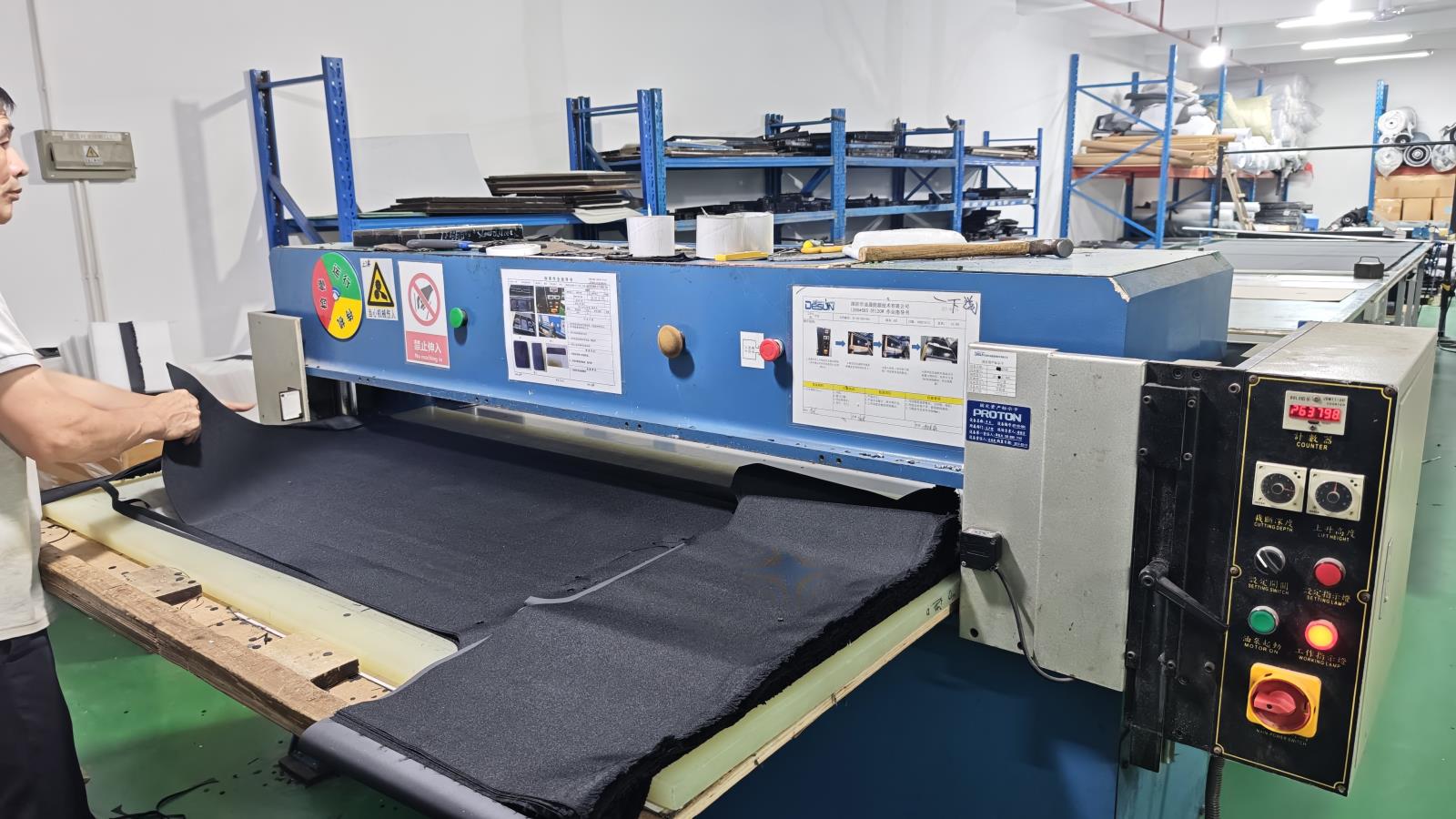
Cutting
Cutting
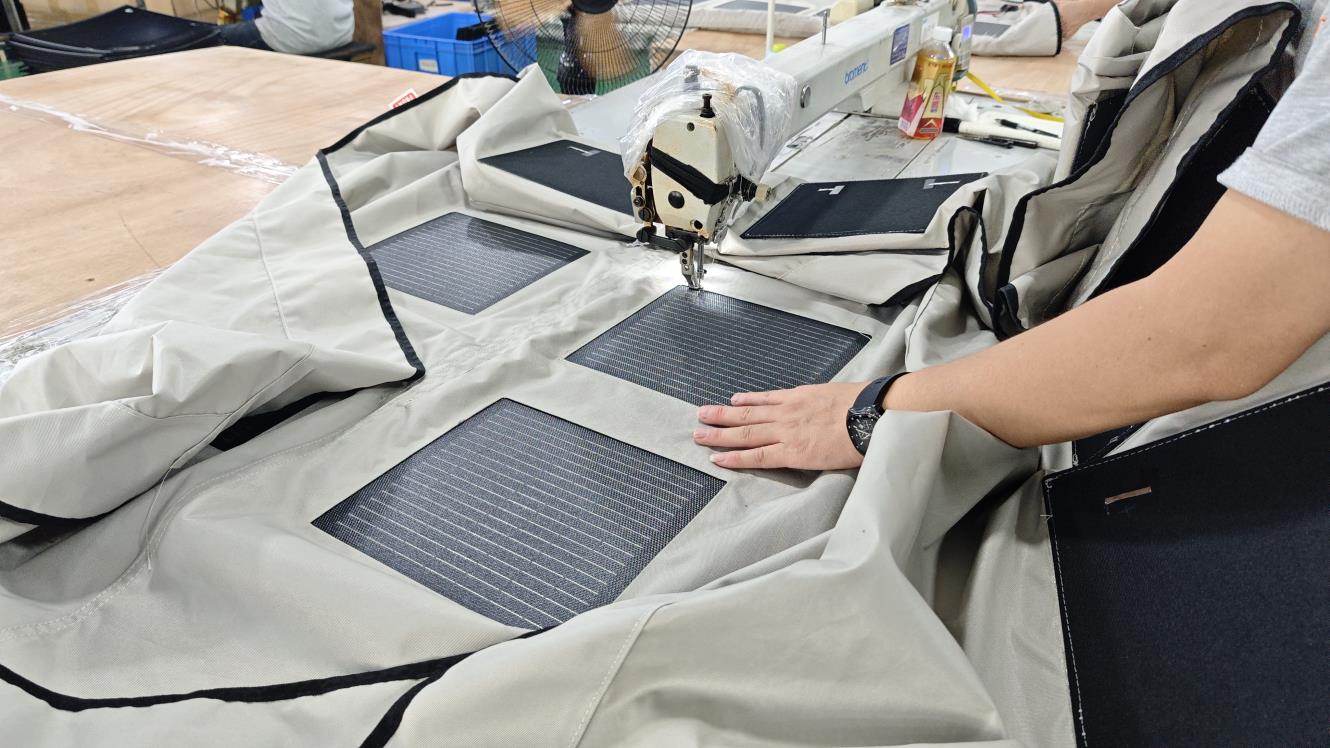
Sewing
Sewing
QC
QC
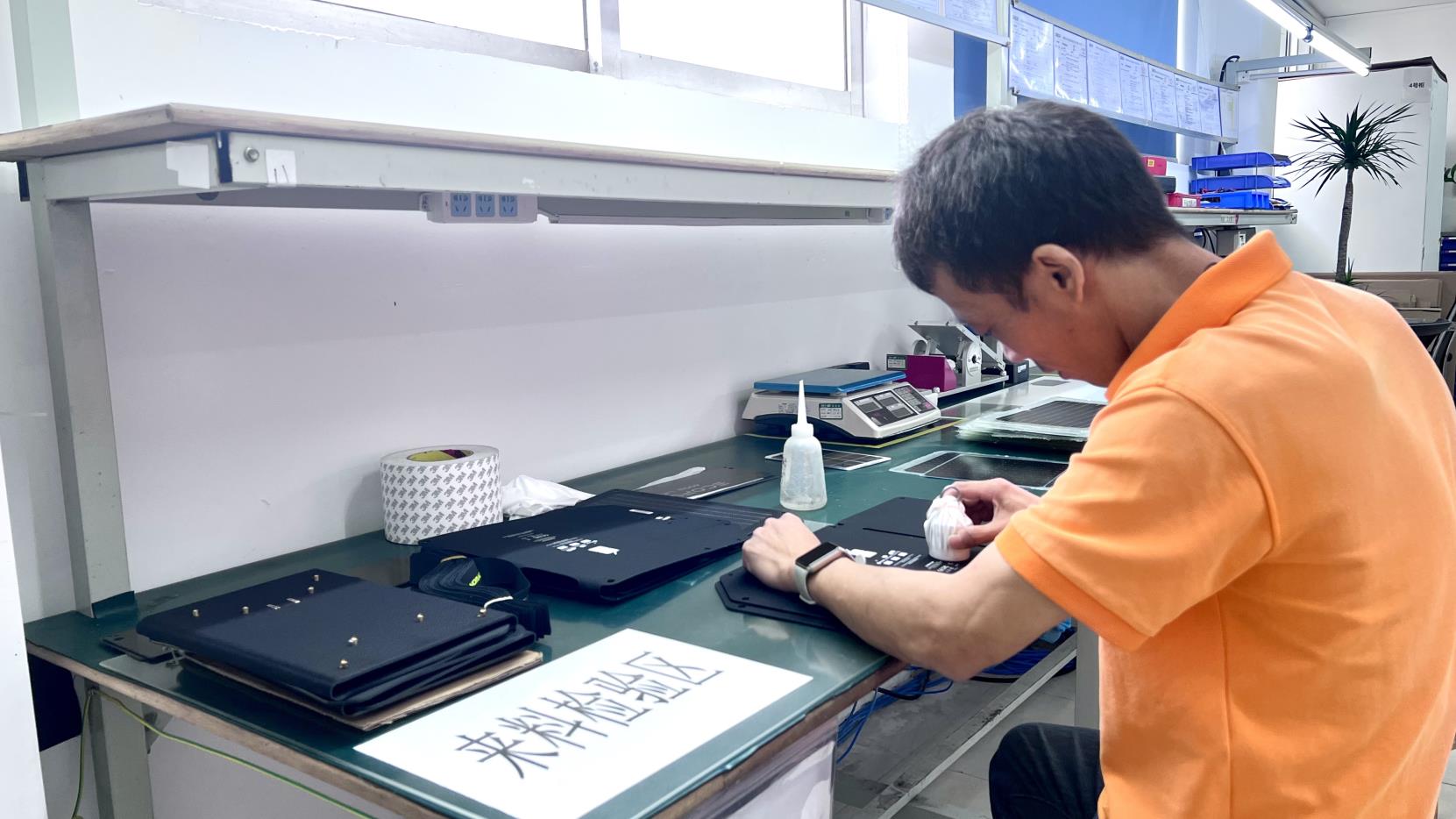
IQC
IQC
Laser Scribing
Laser Scribing
Automatic String Welding
Solar Panel Stacked
Solar Panel Stacked
Solar Panel Laminating
Semi-finished Product Test
Assembly
Assembly
Finished Product Test
Cleaning & Packaging

Global Offshore Trends & Macro-Environmental Solutions

The convergence of carbon-neutrality frameworks and off-grid innovations has accelerated several key trends in the marine solar industry, reshaping procurement criteria for global distributors and shipbuilders.

Trend 1: Smart On-Board Microgrids

Modern yachts and commercial vessels are moving beyond simple solar battery maintenance towards complete, smart microgrids. These systems combine solar arrays, wind generators, hybrid diesel engines, and lithium-iron-phosphate (LiFePO4) storage, managed by AI-optimized Maximum Power Point Tracking (MPPT) charge controllers to maximize energy capture and efficiency.

Trend 2: Seamless Aesthetic Integration

Yacht builders and naval designers now demand solar panels that integrate seamlessly with a vessel's design. This has led to the adoption of ultra-thin, dark-colored flexible PV panels that conform to complex contours without disrupting sleek aesthetics, replacing bulky metallic mounting frames.

Trend 3: Industrial & Defense Sourcing

Sourcing needs are expanding beyond recreational yachts. Military offshore outposts, marine navigation buoys, offshore oil extraction sites, and scientific research platforms now require rugged, industrial-grade marine solar installations designed to withstand extreme conditions without manual maintenance.

Tailored Offshore System Solutions

For B2B buyers looking to address specific maritime challenges, Xiamen ConTech Solar provides complete end-to-end off-grid solutions:

  • Commercial Vessels: Custom high-yield rigid and semi-flexible solar installations designed to offset fuel consumption for auxiliary systems like climate control, desalination units, and navigation electronics, helping meet strict carbon reduction targets.
  • Offshore Marine Infrastructure: Ruggedized, small-footprint PV arrays designed for severe sea states, supplying continuous power to remote environmental monitoring equipment, oceanographic sensors, and safety beacons.
  • Recreational RV & Yacht Sourcing: Plug-and-play kits including shingle-cell flexible solar panels, smart MPPT charge controllers, pre-terminated wiring, and specialized adhesive backing, designed for simple integration by retail distributors and aftermarket installers.

Strategic Sourcing Checklist for B2B Importers

When sourcing solar systems from factories in China, international procurement agents must evaluate several key factors to ensure long-term product reliability and strong returns on investment:

Inquire About Layer Lamination Pressures:

Ensure the manufacturer uses automated, vacuum-sealed lamination equipment to prevent micro-voids, which can cause delamination under high humidity.

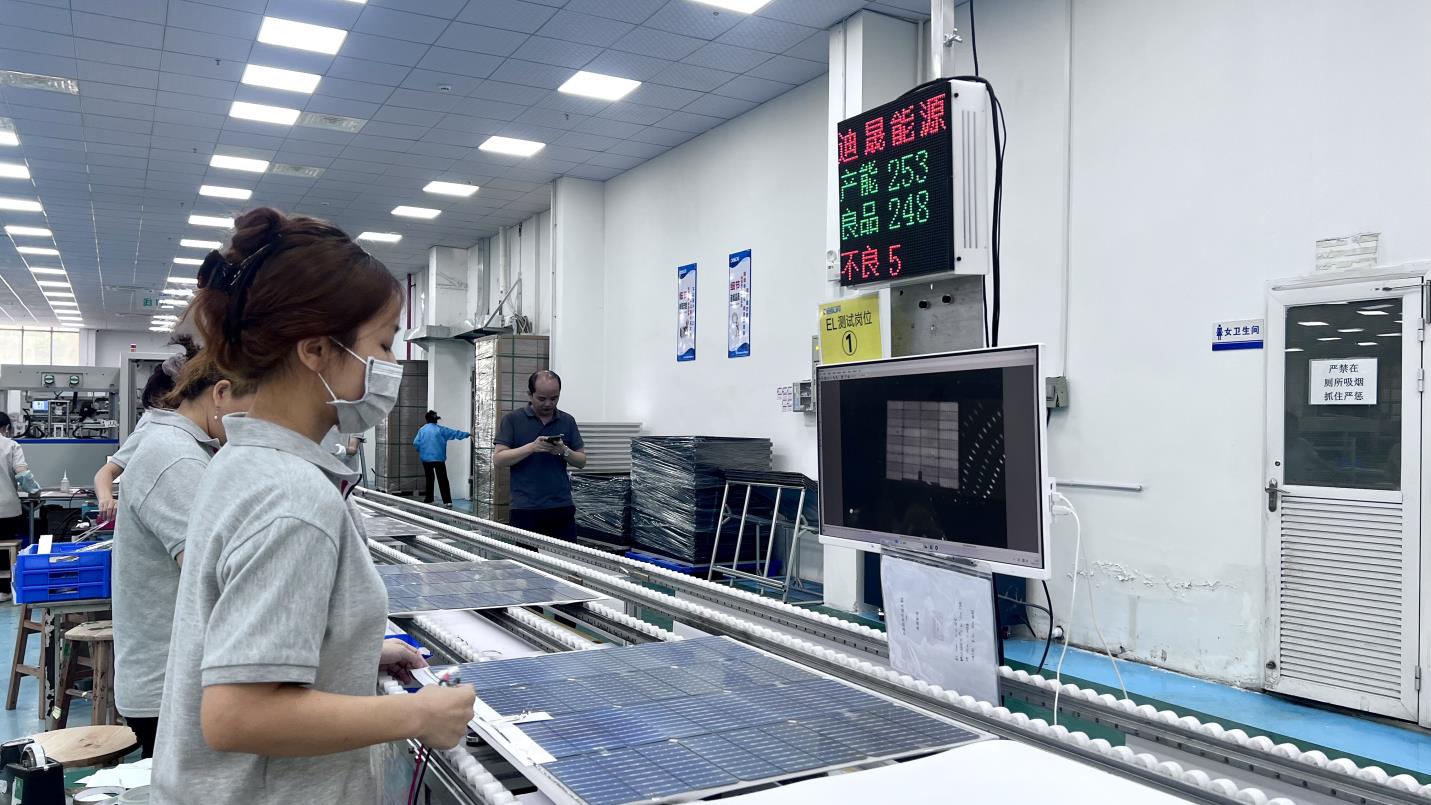
Verify EL Testing Standards:

Review Electroluminescence (EL) test reports from the factory's QA department to confirm modules are free of micro-cracks before they are packed and shipped.

Assess Salt-Mist Compliance:

Confirm the PV systems are certified to IEC 61701 standards, validating their ability to withstand severe marine environments.

Evaluate Custom OEM Capabilities:

Work with partners like Xiamen ConTech Solar that offer flexible customization for custom layouts, backsheets, and pre-wired connector kits.

Offshore Solar Engineering FAQ

Technical insights and answers for B2B buyers, maritime designers, and engineering partners
What is the primary difference between PET and ETFE coating on marine flexible solar panels?
ETFE (Ethylene Tetrafluoroethylene) is a high-grade fluorine-based copolymer that offers vastly superior UV stability, chemical resistance, and thermal performance compared to PET (Polyethylene Terephthalate). PET coatings degrade and yellow rapidly under continuous UV exposure, which drops light transmission and leads to delamination. ETFE is self-cleaning, handles heavy foot traffic, and maintains exceptional light transmittance over a much longer operational life.
How does shingle cell technology improve performance in shaded conditions?
Traditional panels connect solar cells in series using copper ribbons; if any part of the string is shaded, the current drops across the entire array. Shingle cell technology slices cells and overlaps them in a parallel-heavy circuit configuration. When partial shading occurs—such as from a yacht's mast—only the directly shaded section of the panel is bypassed, allowing the remaining unshaded areas to continue generating power at peak efficiency.
Are these panels fully resistant to saltwater corrosion?
Yes, Xiamen ConTech's marine-grade solar panels are engineered specifically for saltwater environments. They feature IP67/IP68 hermetically sealed junction boxes filled with high-viscosity silicone, bypass diodes to prevent hot spots, and corrosion-resistant backsheets that protect all electrical pathways from salt-mist ingress.
Can flexible solar panels be walked on after installation on a boat deck?
ConTech Solar panels utilizing textured ETFE coatings and reinforced fiberglass backplates are designed to withstand normal, flat-soled foot traffic when properly adhered to a flat, solid deck surface. This makes them ideal for yacht decks where space is limited and deck access is required.

Advanced Marine PV & Specialized Micro-Solar Sourcing

Engineered for niche maritime deployments, portable expeditions, & robust auxiliary power
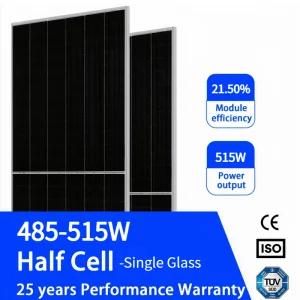
515W Marine Solar Panel
Heavy-Duty Auxiliary

515W Marine Solar Panel Anti-Corrosion 485W Onboard Power for Electronics

Explore Specifications
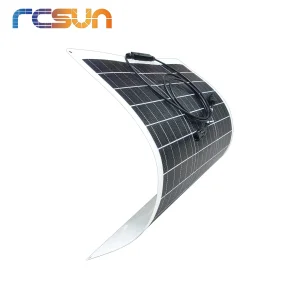
Rcf Solarflex High-Efficiency Solar Panel
RCF Solarflex Tech

1. Rcf Solarflex - High-Efficiency Solar Panel for Marine and Recreational Vehicles

Explore Specifications
Pet ETFE Glass Mini Solar Panels
Mini & IoT Ready

Pet ETFE Glass Small Mini Solar Panels for Solar Garden Lights, Solar Lantern, Solar Charger, Toys, Mobile Chargers, Marine Equipment, Drones, Iot Devices, GPS

Explore Specifications
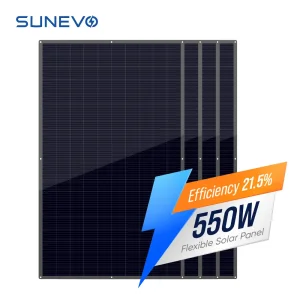
Sunevo Waterproof IP65 Bendable Panels
Sunevo Bendable 500W

Sunevo Waterproof IP65 Bendable Flexible Solar Panels Kit 12V 500W 550W Lightweight for Curved Surfaces RV Van Truck Marine

Explore Specifications
High-Efficiency 450W Portable Solar Panel
High-Output Portable

High-Efficiency 450W Portable Solar Panel for Marine Adventures

Explore Specifications
Sunpal Small Rollable Flexible Solar Panels
Rollable Thin-Film

Sunpal Small Rollable Flexible Solar Panels 12V 24V 50W 100W 200W 300W Photovoltaic Panel for Marine

Explore Specifications
Advanced 220W Solar Panel
Advanced 220W Mono

Advanced 220W Solar Panel, High Energy Output, Low Consumption, Great for Marine & Boats

Explore Specifications
150W 160W Solar Blanket Panel
Folding Solar Blanket

150W 160W Solar Blanket Panel for Camping, Caravan, Motorhome, Marine Charging

Explore Specifications
All Marine Solar Panel Products