Architectural glass modules precision-engineered for direct building facades and structural roof configurations, providing structural support alongside active power production.
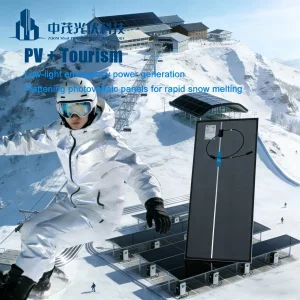
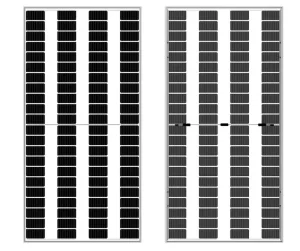
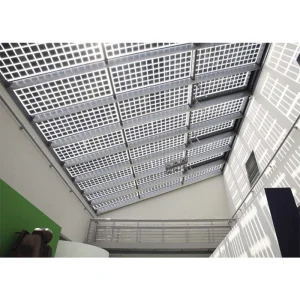
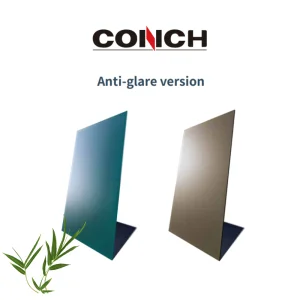
As Bangladesh scales its posture as a global textile and industrial manufacturing superpower, commercial environments are undergoing an immense transformation. The country's Ready-Made Garments (RMG) sector, which accounts for more than 80% of total export earnings, is experiencing structural changes driven by global supply chain compliance regulations, international environmental standards, and localized grid-capacity vulnerabilities. Global brands are aggressively mandating strict greenhouse gas emission reductions. Sustainable practices are no longer a premium choice; they represent a fundamental market access requirement. In this high-stakes landscape, Building Integrated Photovoltaics (BIPV) offers a path forward, seamlessly transforming inactive factories and commercial high-rises into self-sustaining power plants.
"With land availability being extremely limited across critical manufacturing hubs like Gazipur, Narayanganj, Savar, and Chittagong, standard land-based solar configurations are highly unviable. Real estate remains one of the most premium commodities in the country. This leaves factory facades and industrial rooftops as the only viable surface areas for large-scale green power generation."
BIPV technology addresses this spatial challenge directly. Unlike conventional retrofitted solar structures which present severe engineering vulnerabilities to high wind events, structural weight limitations, and building code violations, modern BIPV integrates photovoltaic systems directly into the building's physical structure. Facades, windows, glass atriums, and roof tiles are replaced by clean energy generating systems that yield high returns without claiming an inch of valuable agricultural or industrial land. In addition, BIPV plays an active role in lowering thermal transfer coefficients, reducing HVAC loads, and shielding delicate facility equipment from high tropical heat indexes.
Deploying photovoltaic systems across Bangladesh requires high-level design engineering tailored to handle localized climate conditions. Modern BIPV installations must operate reliably in highly humid tropical environments characterized by sudden monsoon rains, extended seasonal haze with low natural light output, and intense cyclones originating in the Bay of Bengal. Traditional solar configurations often struggle with premature component failures, water pooling, frame degradation, and micro-cracking caused by cyclic wind forces.
ConTech Solar’s next-generation BIPV modules feature specific technological design details to meet these rigorous conditions:
By using these targeted materials, we provide Bangladesh developers, architects, and industrial plant owners with a highly durable asset. ConTech Solar BIPV modules serve a dual purpose: they function as structural elements protecting the building envelope while operating as high-efficiency power generation units over their full 25+ year lifespan.
Designed for architects and commercial builders seeking an elegant, high-yield alternative to traditional structural building envelopes.
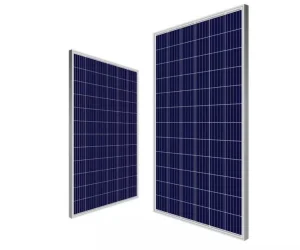
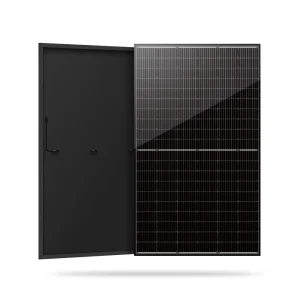
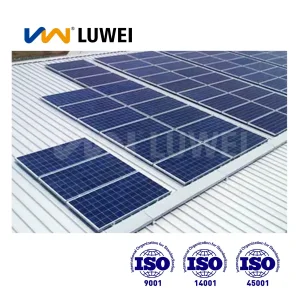
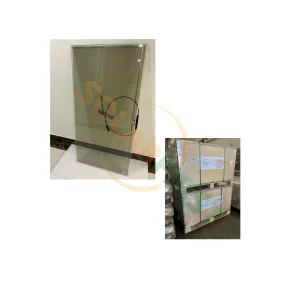
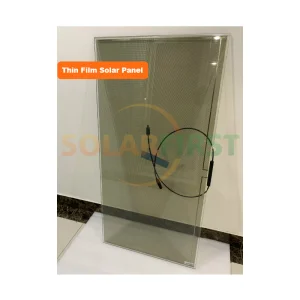
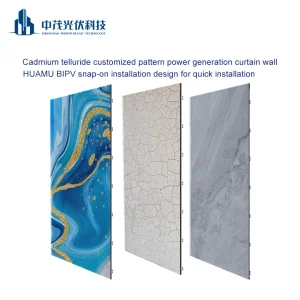
Developing an optimized energy-generating building envelope requires selecting the most appropriate photovoltaic technology. BIPV technology options are divided into two main categories: Crystalline Silicon (c-Si) and Thin-Film Cadmium Telluride (CdTe). Both serve critical but distinct roles within architectural engineering:
| Performance Metric | Crystalline Silicon (Mono-Si) | Thin-Film Cadmium Telluride (CdTe) |
|---|---|---|
| Peak Conversion Efficiency | 20% – 22.8% (Extremely High Density) | 14% – 16.5% (Optimal for Vertical Walls) |
| Temperature Coefficient | -0.34% / °C (High heat degradation) | -0.20% / °C (Excellent High Heat performance) |
| Aesthetic & Transparency | Opaque/Semi-transparent options | Customizable Transparency (10% to 50%) |
| Low-Light Performance | Moderate (Requires direct sunshine) | Exceptional (Highly reactive to scattered photons) |
| Primary Applications | Monolithic roofs, metal decking overlays | Facade glazing, curtain walls, window glass |
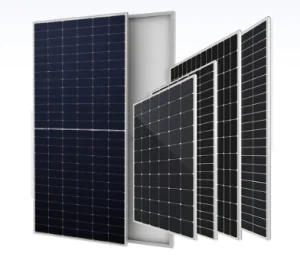
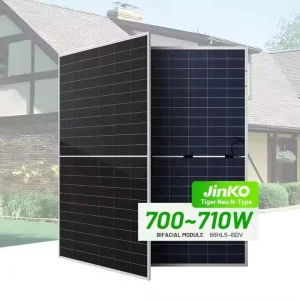
For factory structures in places like Chittagong or Gazipur, where metal trapezoidal roofs are common, high-efficiency Monocrystalline BIPV solutions (like the Jinko 700W Bifacial or ConTech 550W Mono) provide the best return on investment by maximizing power density per square meter. In contrast, modern corporate headquarters, high-rise atriums, and premium retail buildings in urban Dhaka benefit greatly from CdTe Thin-Film BIPV. Transparent CdTe panels allow natural daylight to enter the space, keeping occupants comfortable and significantly reducing the building's heat intake.
ConTech Solar leverages China's advanced manufacturing capabilities to deliver high-quality, cost-efficient BIPV products. China's solar supply chain offers unparalleled vertical integration, combining raw material access, silicon wafer production, specialized dual-glass glazing, and advanced robotic assembly. This integration allows us to implement stringent quality control at every stage, providing superior product consistency and reliability compared to fragmented regional suppliers.
Our manufacturing processes utilize precision automated machinery designed to maintain tight tolerances and high mechanical durability. Key production steps include advanced laser scribing, automated string welding, high-pressure thermal lamination, and multi-angle performance verification. This rigorous approach ensures that every BIPV module exported to the Bangladesh market meets international quality standards, providing long-term reliability and peace of mind for local developers.
Step-by-step documentation of our advanced production lines. Each stage is fully tracked to guarantee long-term performance.
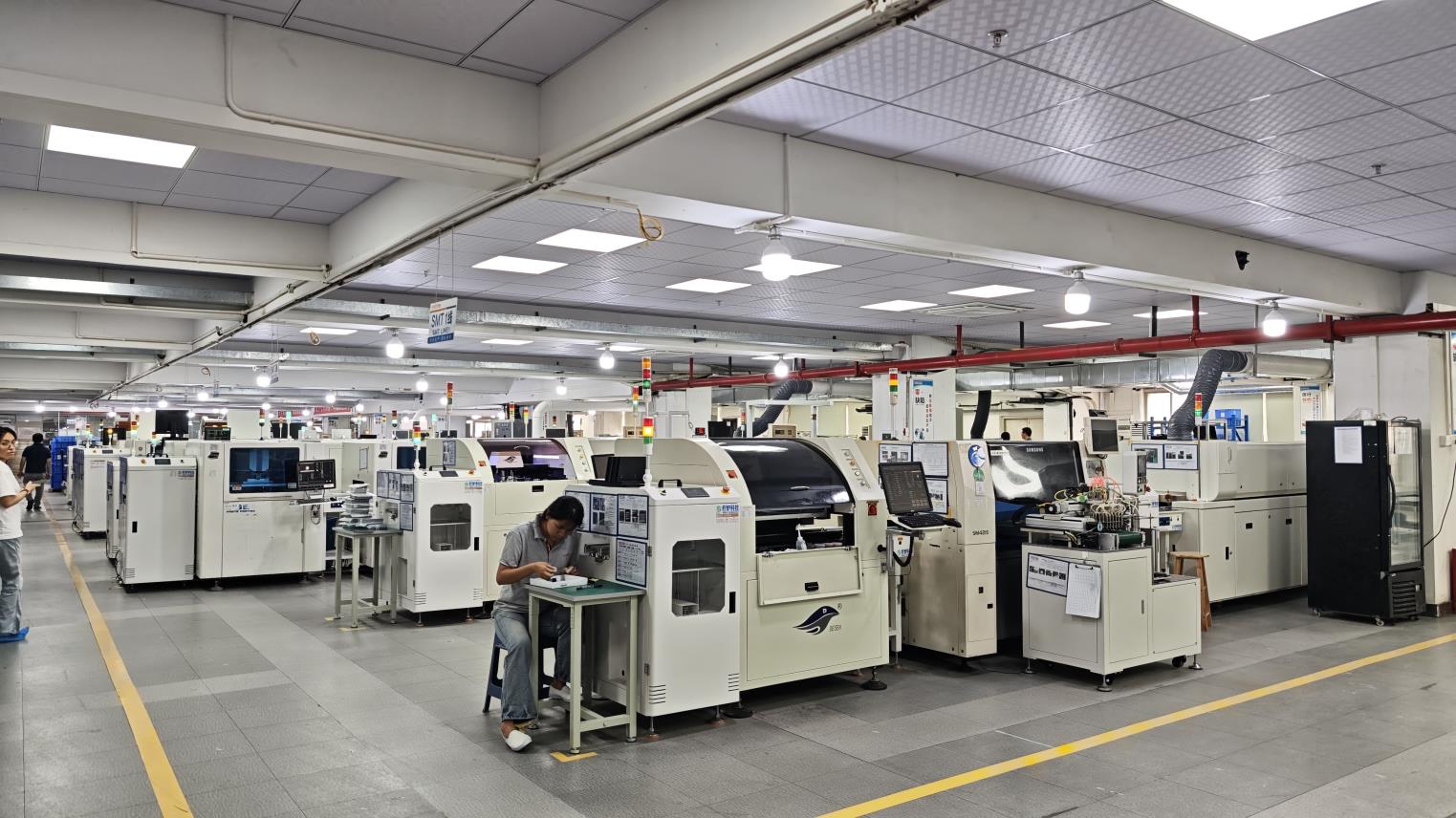
1. SMT Automation
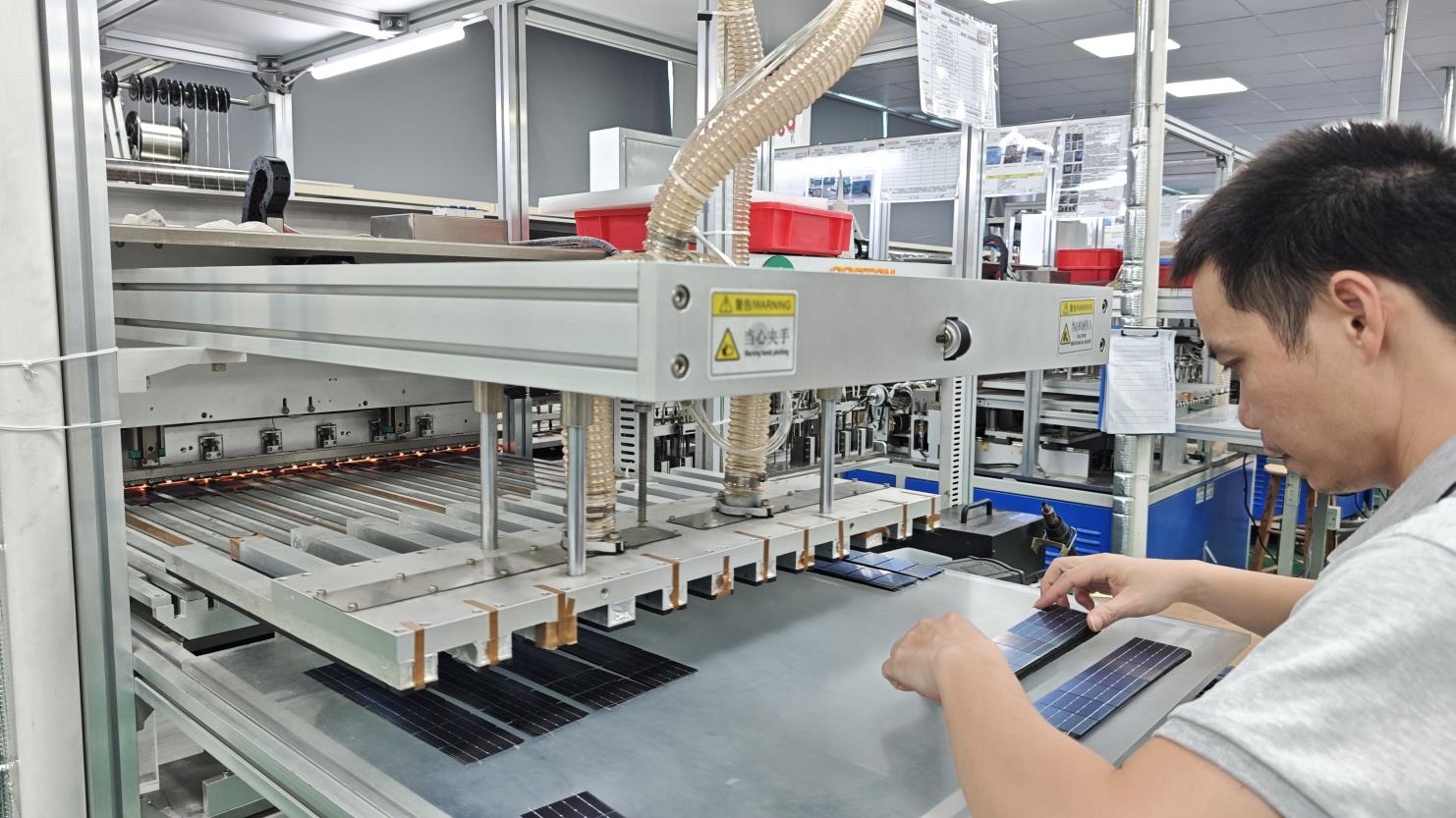
2. Series Welding
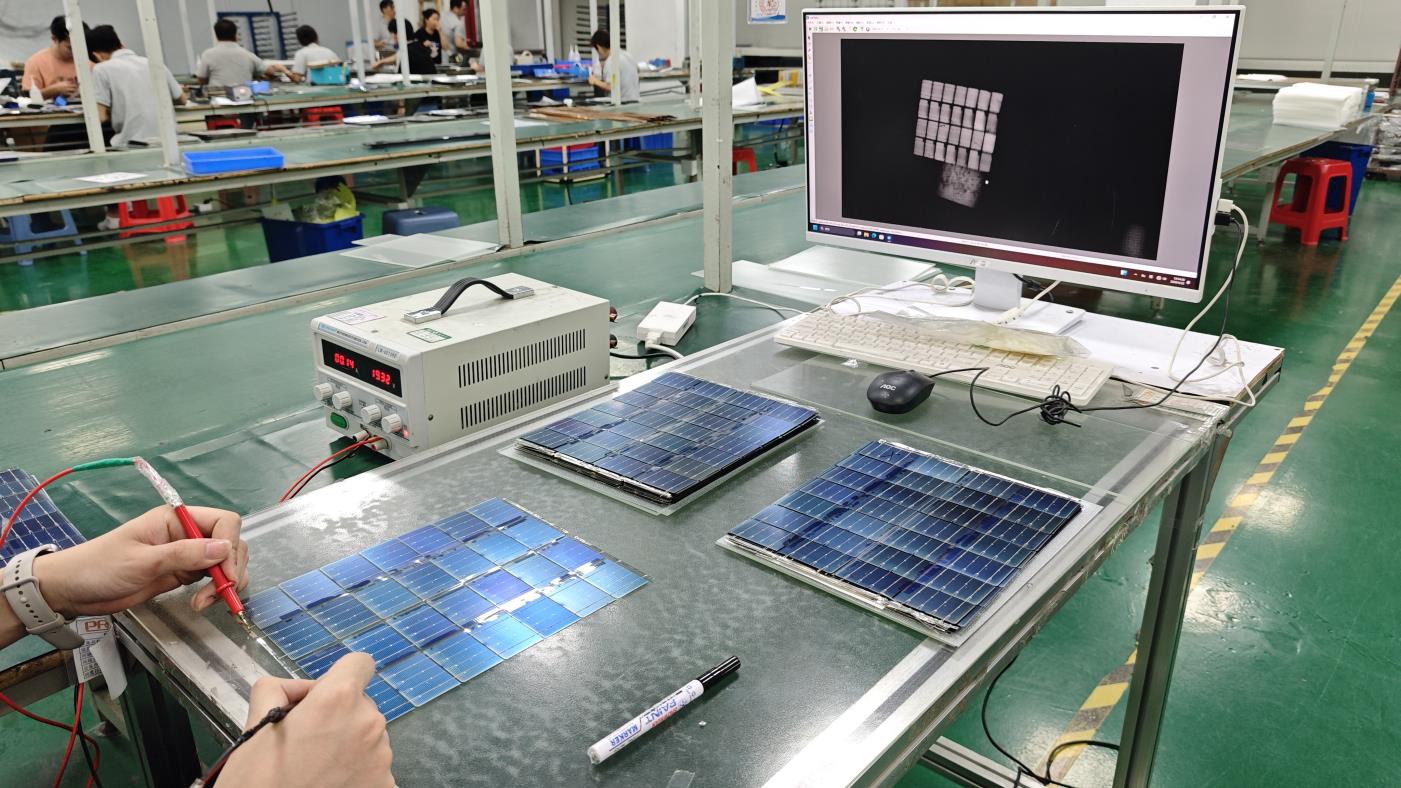
3. Raw Testing
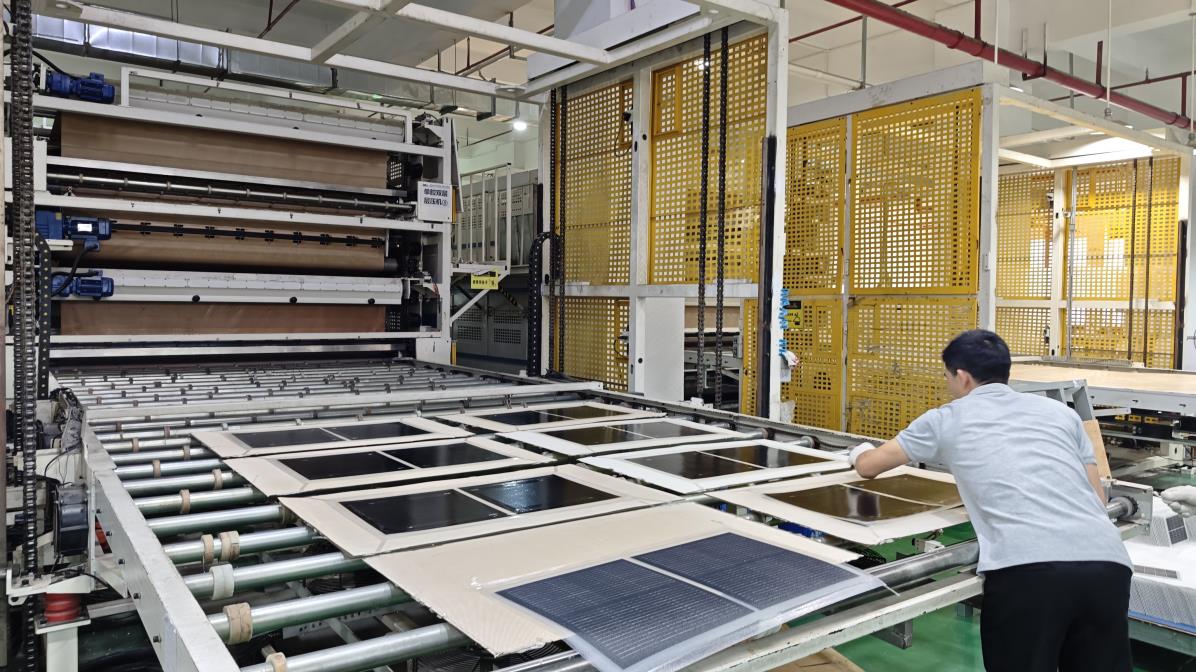
4. Panel Laminating
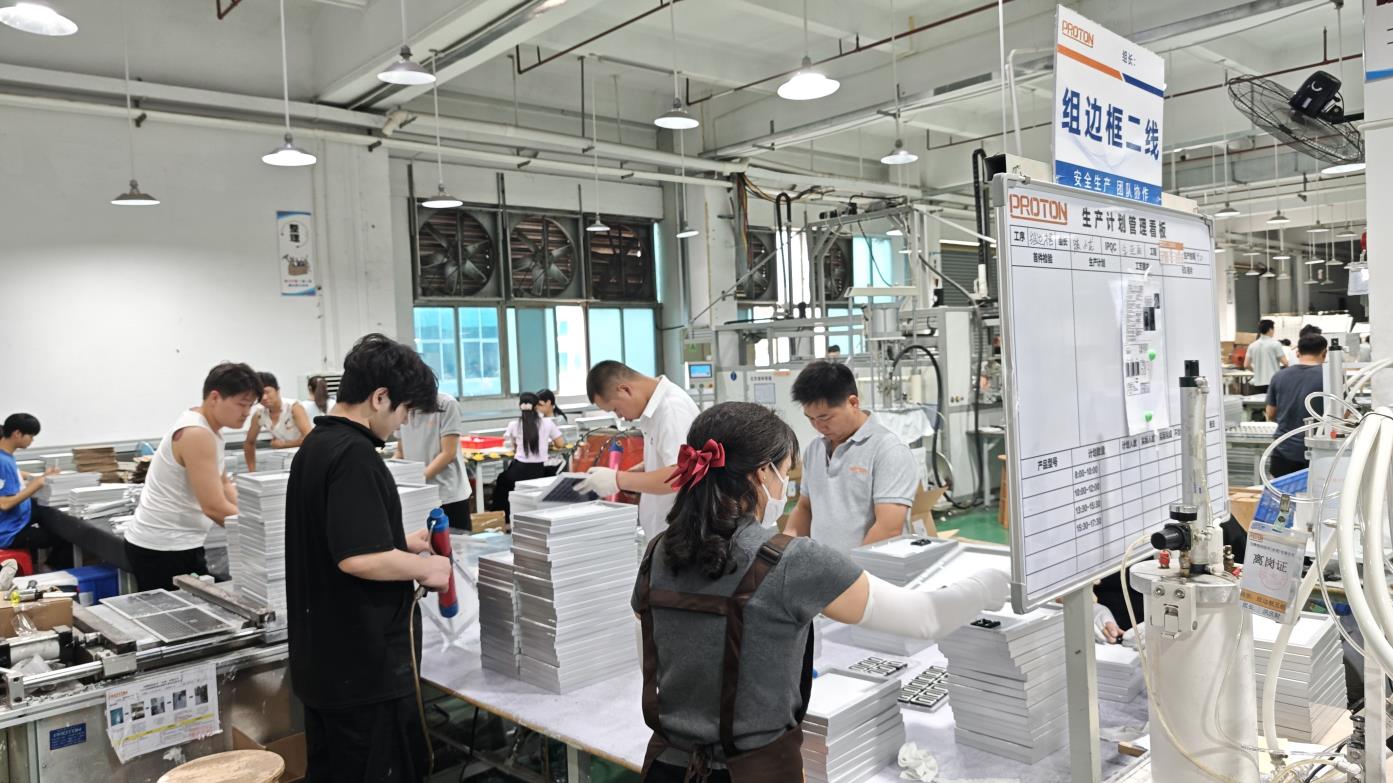
5. Mechanical Assembly
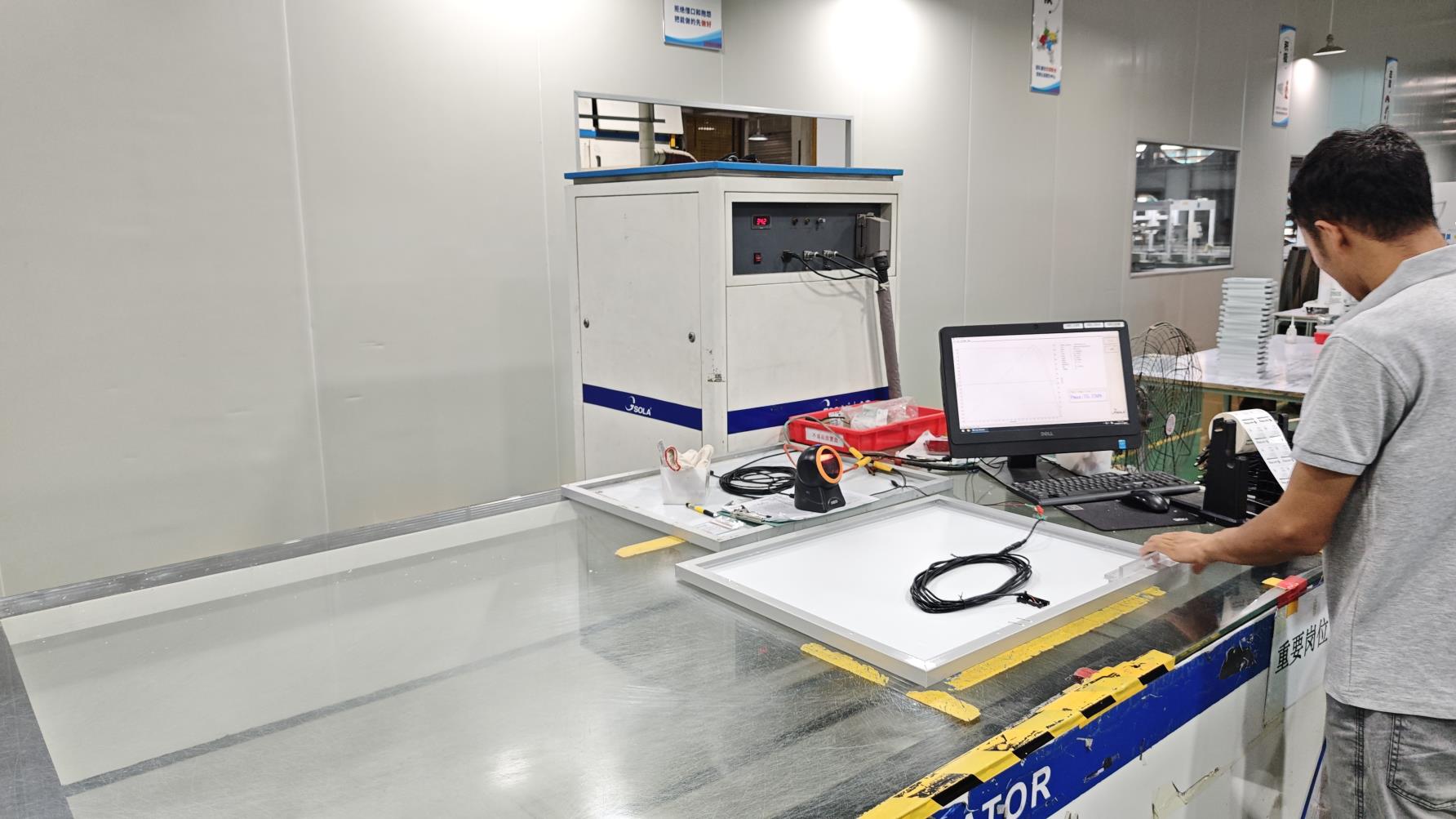
6. Optical Inspection
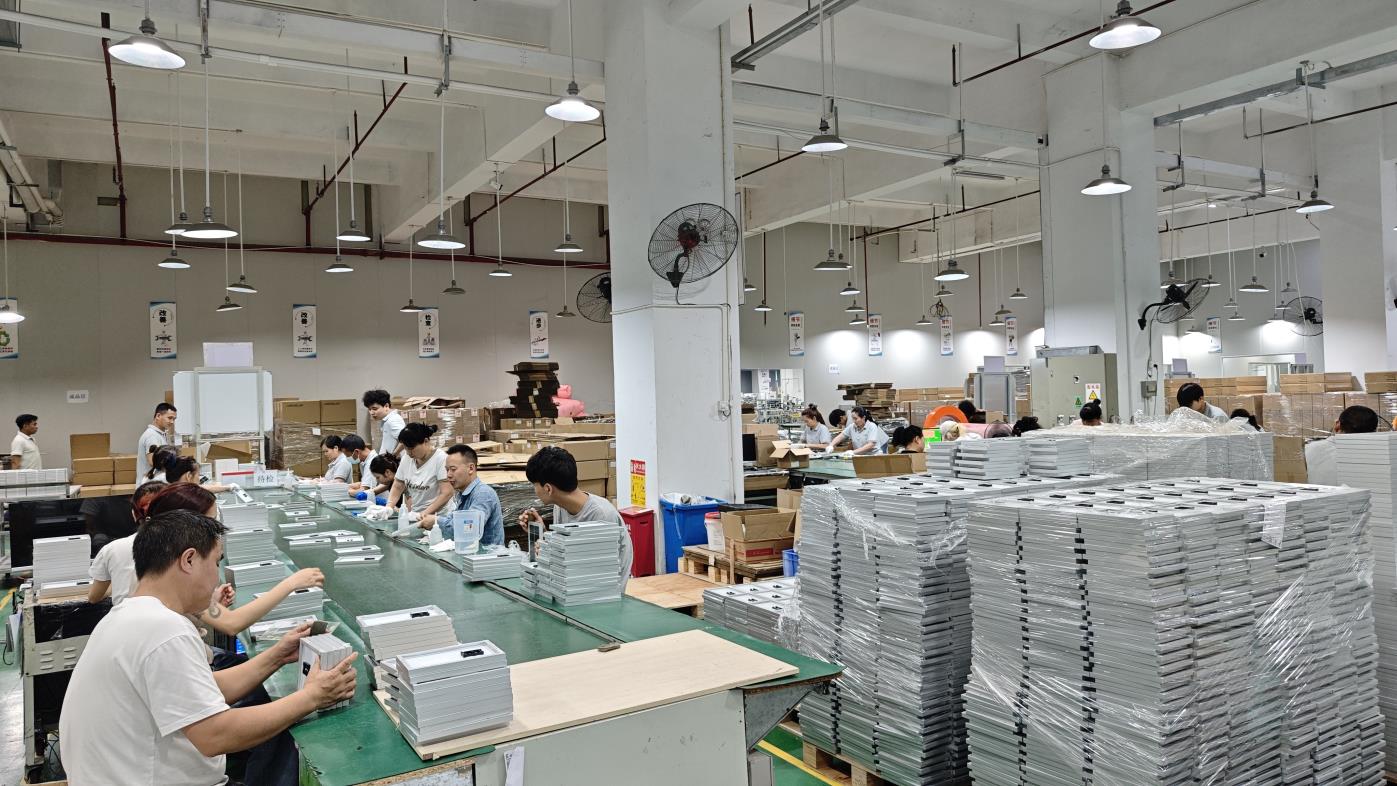
7. Protected Packaging
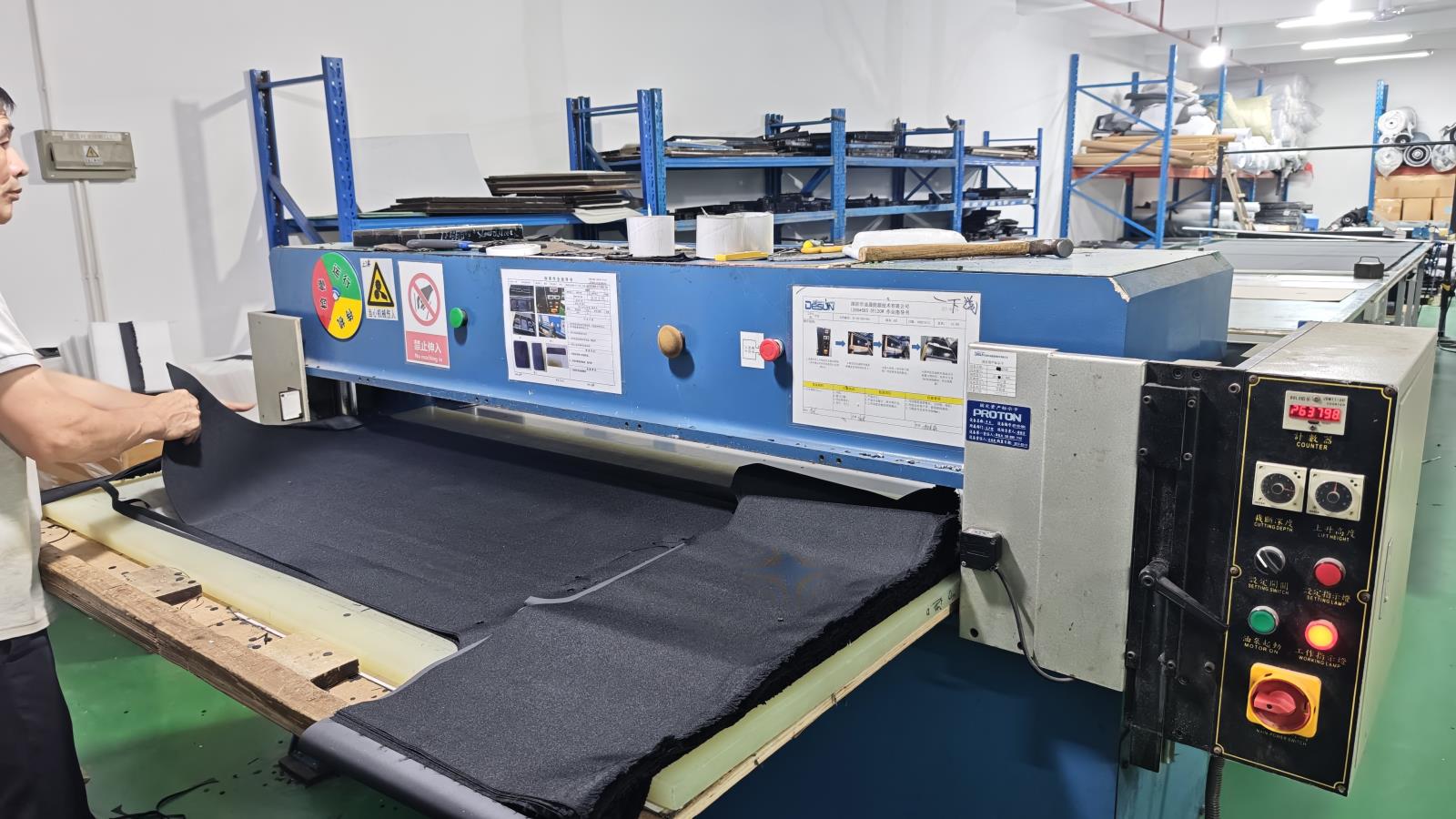
8. Precise Laser Cutting
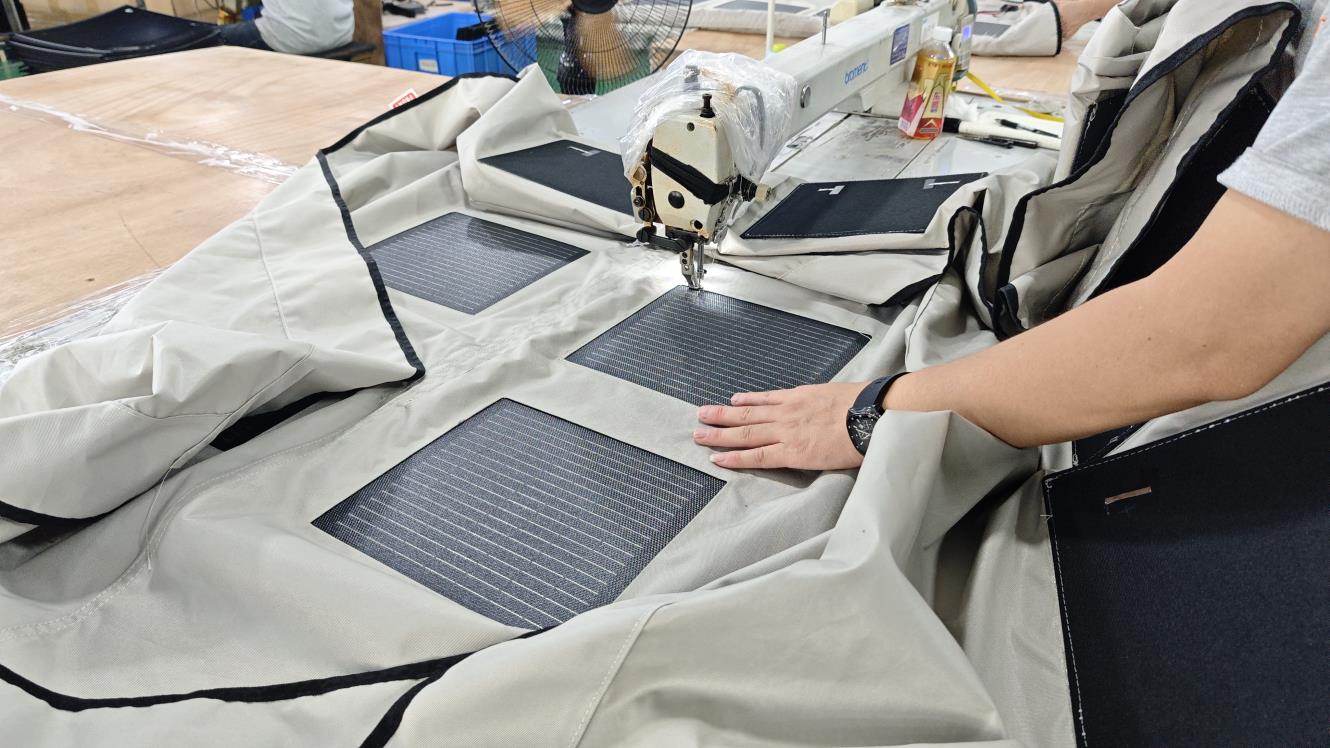
9. Edge Border Sewing
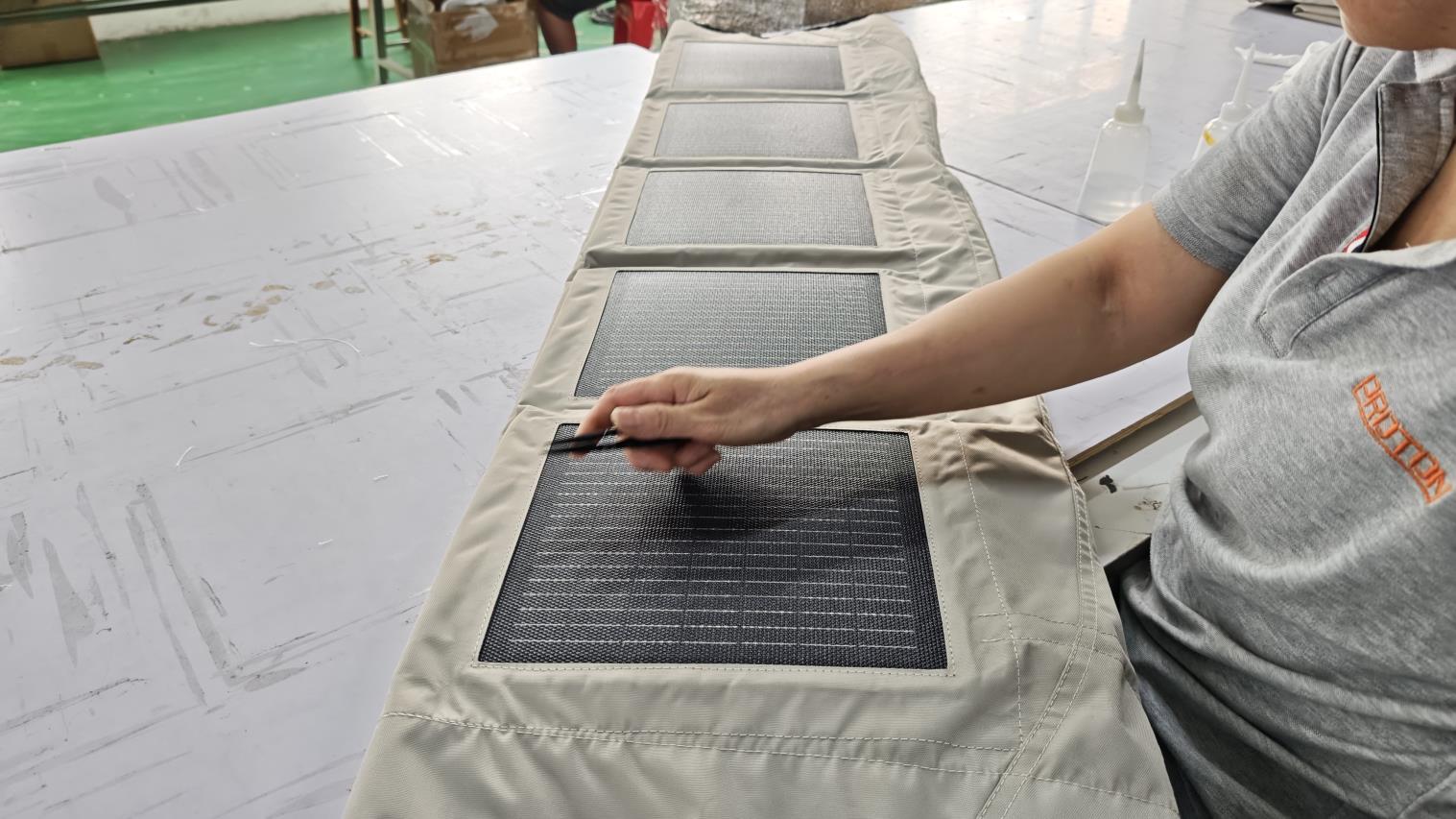
10. Inline Quality Control
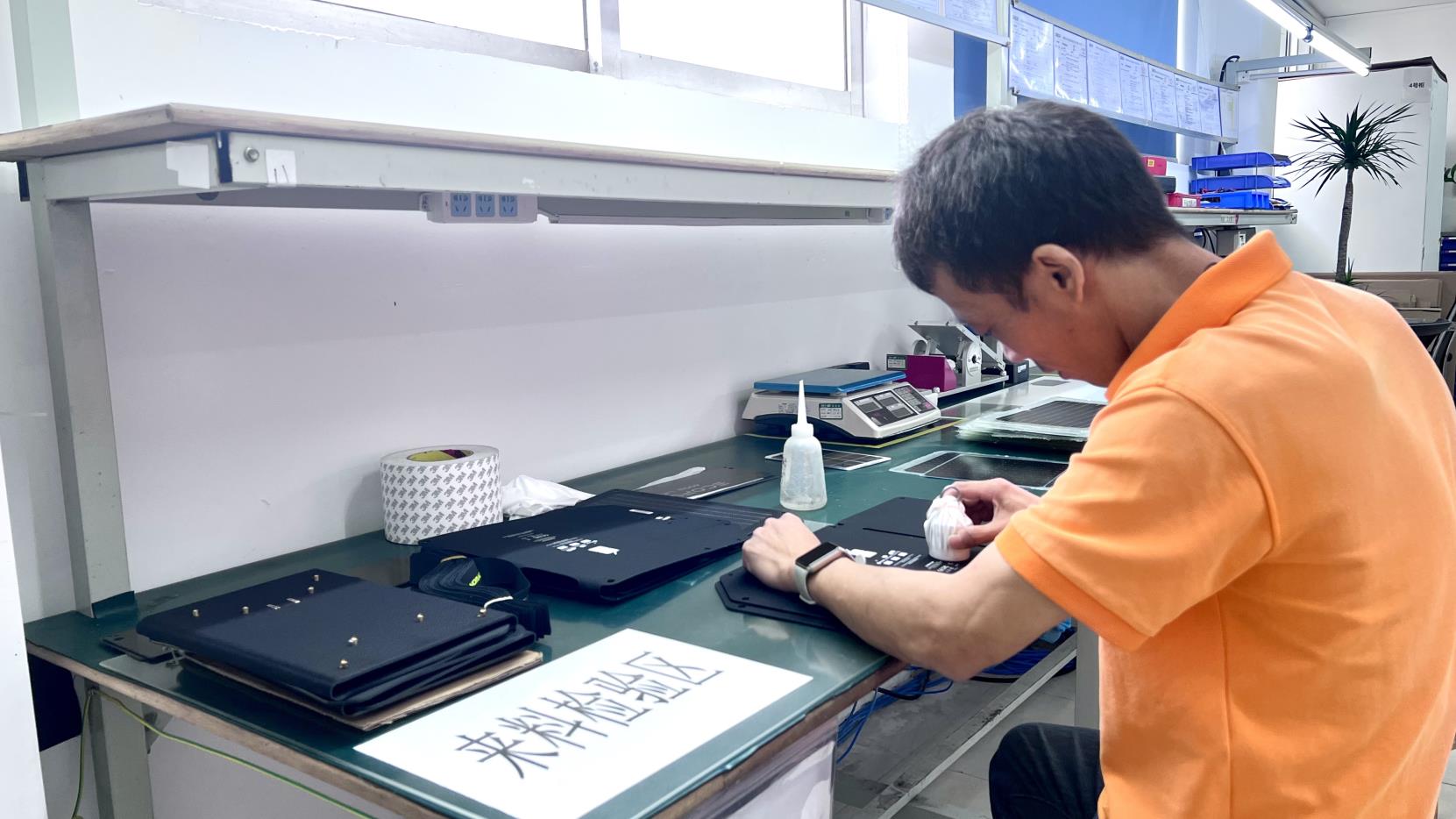
11. Incoming Quality Control
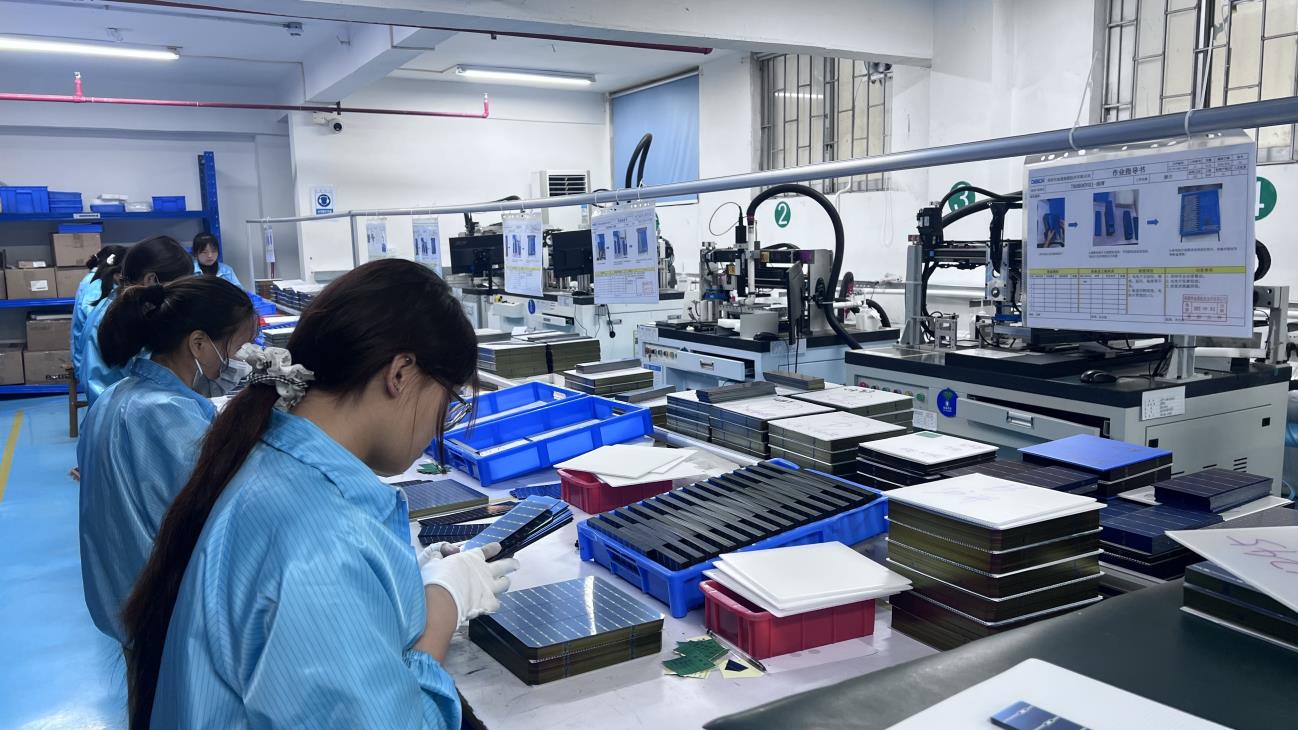
12. Laser Scribing
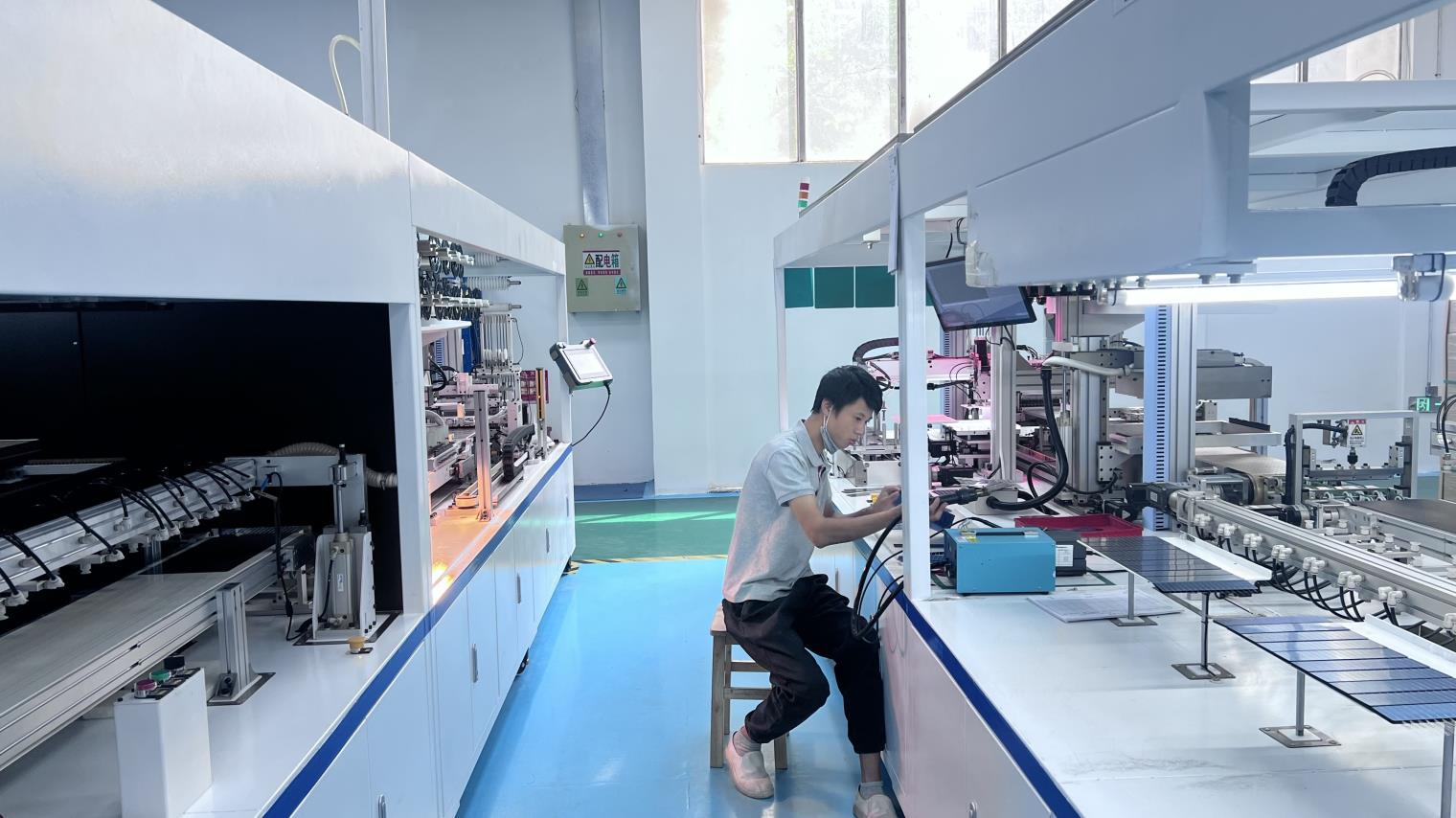
13. Automated Welding
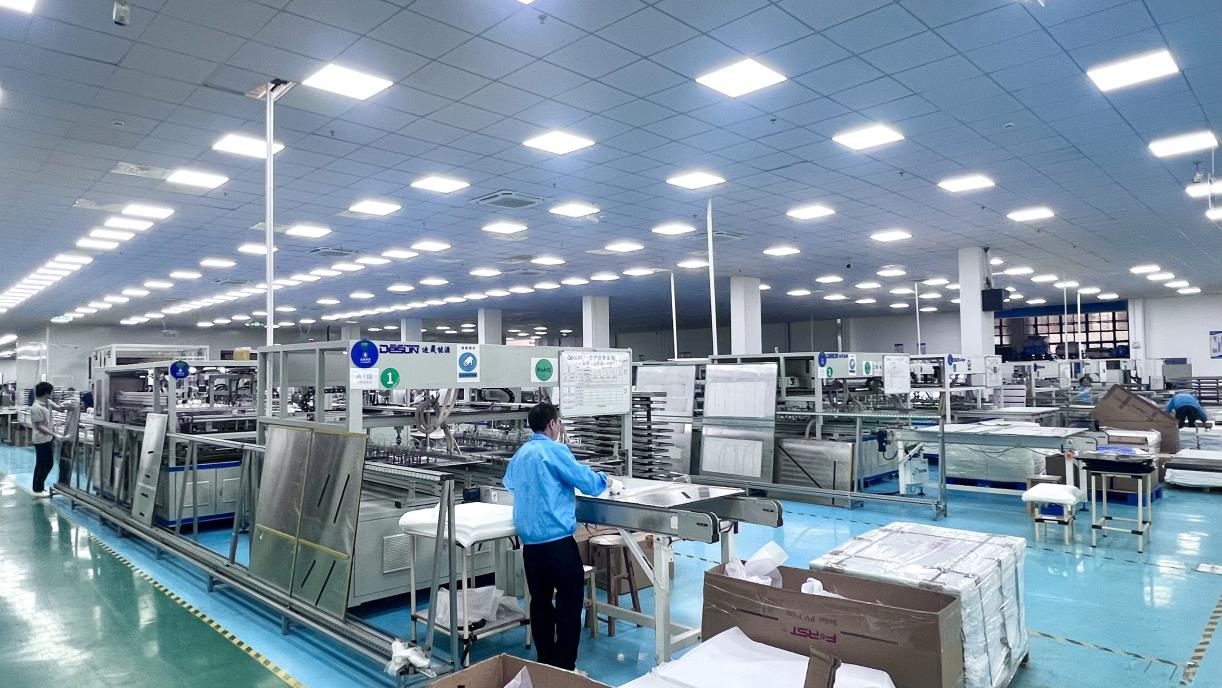
14. High-Volume Stacking
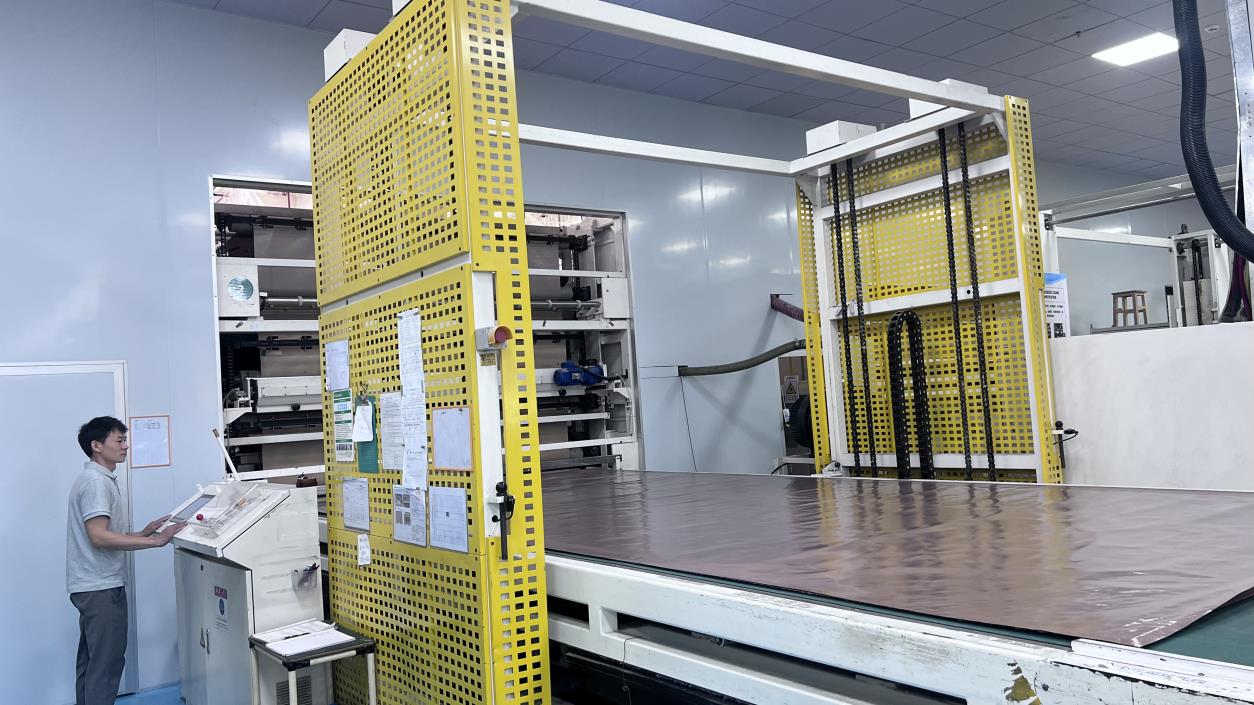
15. Advanced Heat Lamination
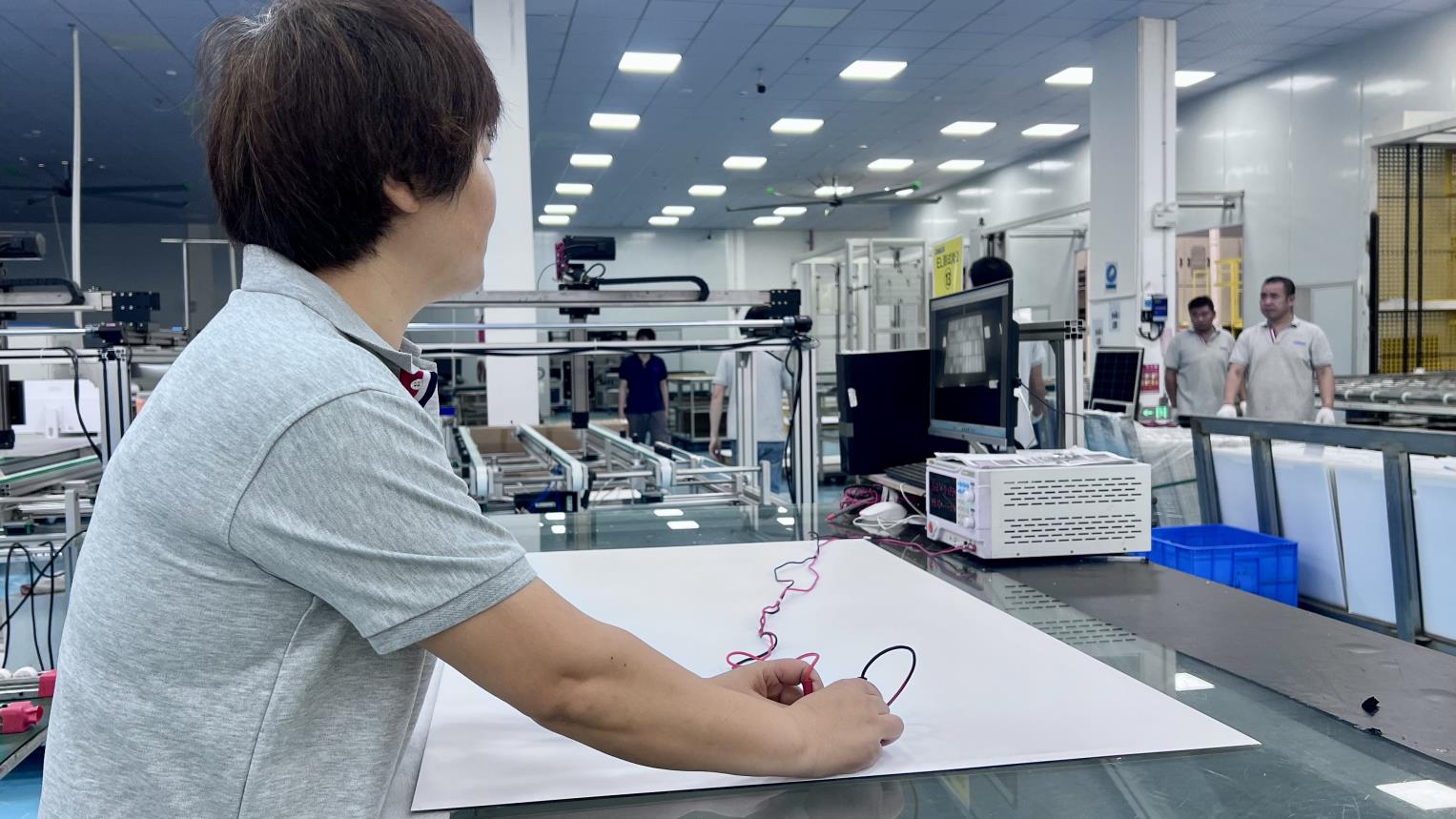
16. Intermediate Diagnostics
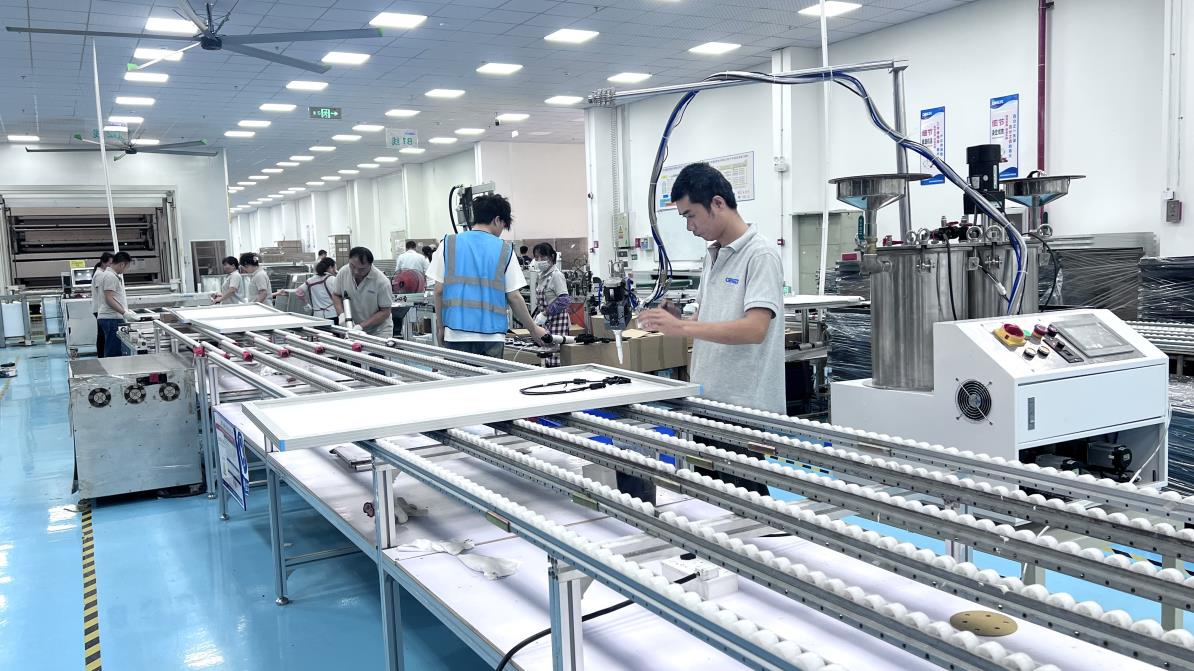
17. Frame Integration
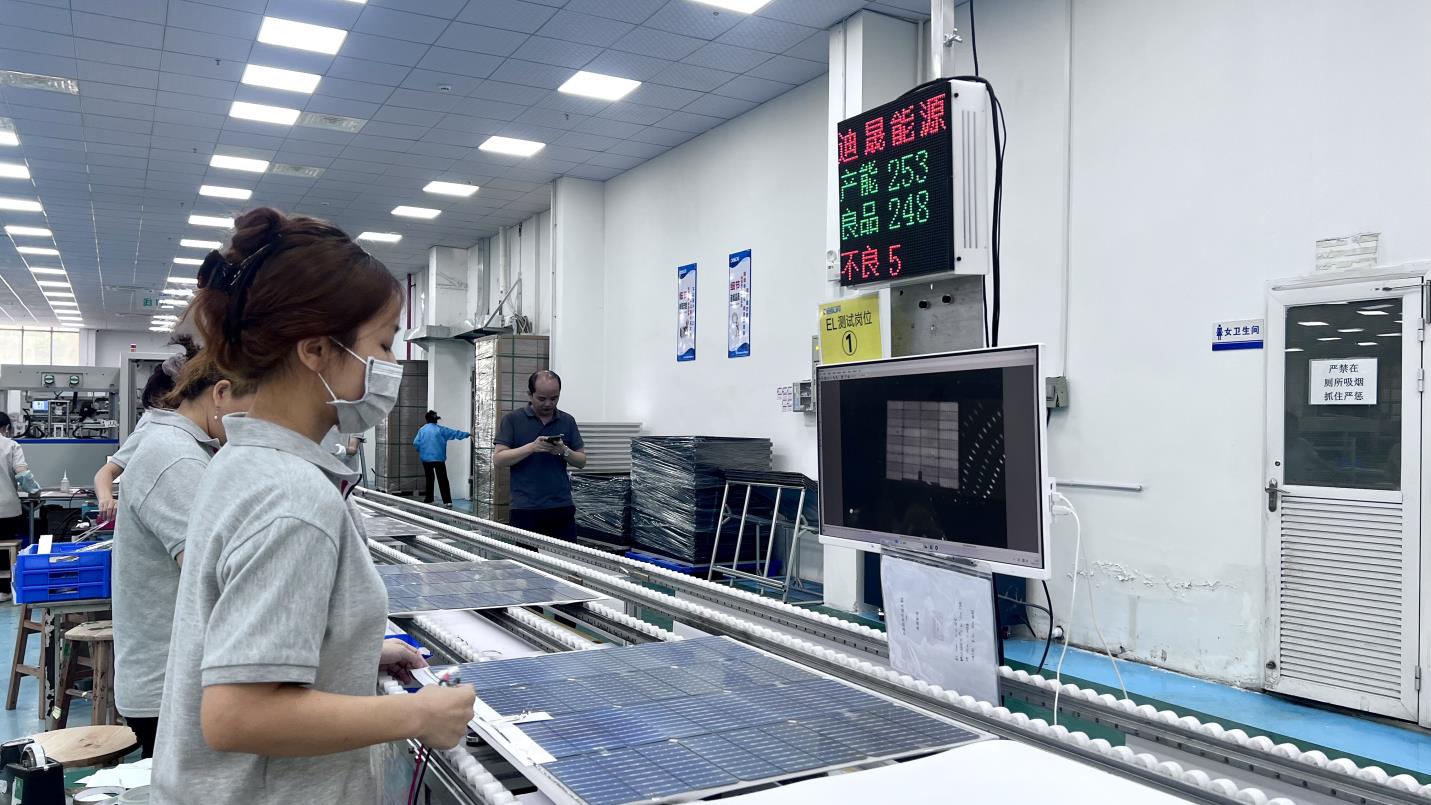
18. Final Power Certification
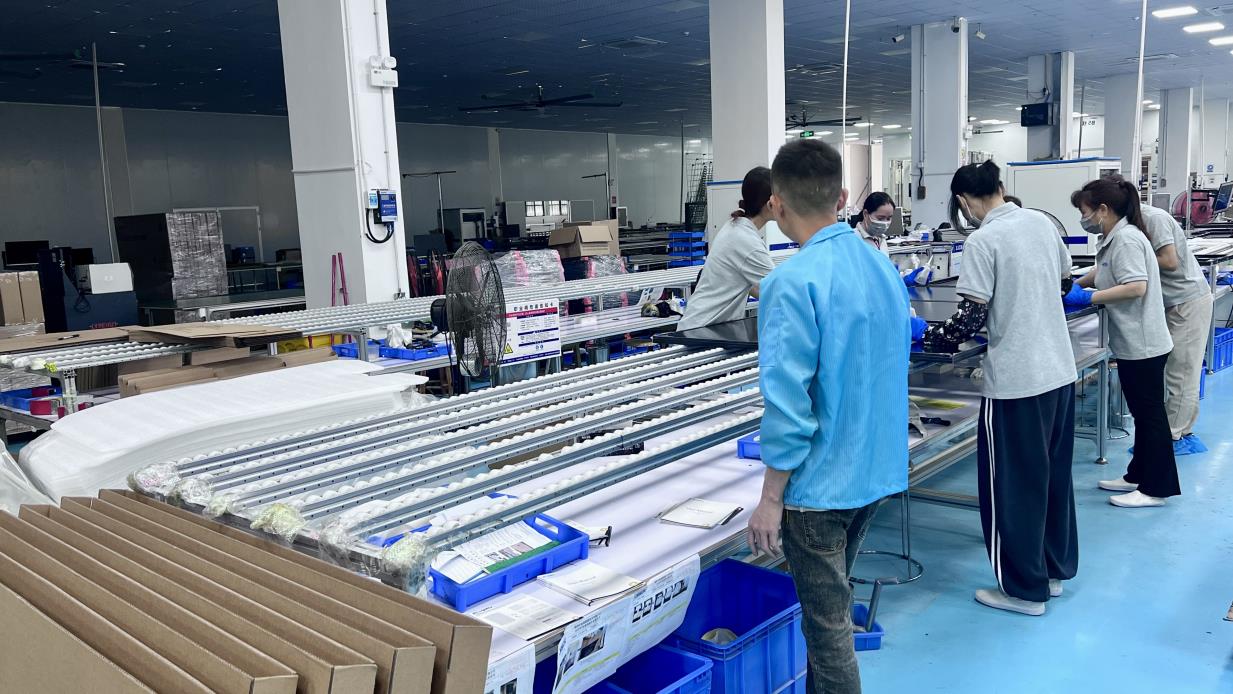
19. Deep Clean & Export Wrap
ConTech Solar works closely with engineering partners and energy consultants across Bangladesh to deliver comprehensive technical support. We assist our clients through every stage of the project, including initial CAD integration, structural wind load analysis, electrical configuration design, net-metering approval processes, and final system integration. This end-to-end support model reduces project risk, ensuring that each BIPV installation performs reliably and achieves long-term durability in challenging local conditions.
Our commitment to quality is backed by globally recognized certifications. All ConTech Solar BIPV products hold key international approvals, including TUV Rheinland, CE, and IEC certifications (IEC 61215 and IEC 61730). These certifications verify that our modules meet stringent requirements for electrical safety, fire resistance, and structural load performance. By maintaining these high standards, we help our customers achieve international green building recognitions, such as USGBC LEED Gold and Platinum status, enhancing both their sustainability profile and long-term asset value.
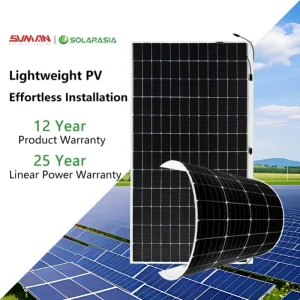
A comprehensive range of high-efficiency solar modules engineered for facade integration, carport systems, colored tiles, and premium commercial projects.

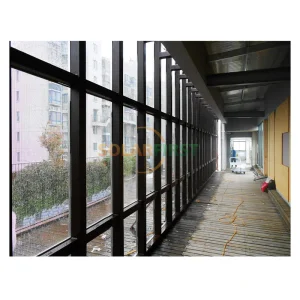
Key technical insights regarding the deployment of BIPV solar systems in industrial, commercial, and urban environments across Bangladesh.
Unlock deep architectural value, secure LEED points, and protect your investments from energy price hikes. Speak to our lead technical specialists today for a customized proposal.
Send Inquiry Now ConTech Solar