Top 10 Solar System Optimization Factories & Exporters

The Ultimate Industrial Intelligence Report & Global Procurement Guide for High-Efficiency PV Engineering, Next-Gen Technology Integration, and Resilient Supply Chains

Premium System Optimizers & Modules

Featured Photovoltaic Technologies

Discover high-efficiency crystalline, thin-film flexible solutions, and micro-grid systems engineered to maximize energy yield and reduce LCOE across residential and commercial landscapes.
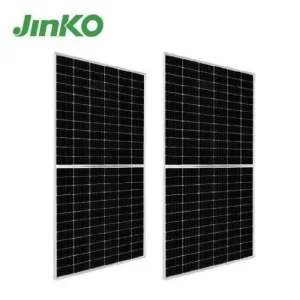
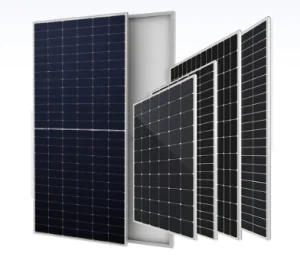
Jinko Solar Cell Panel 800W

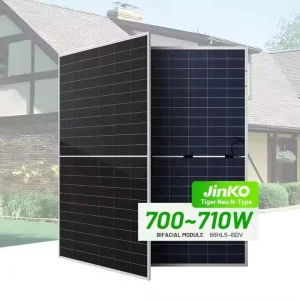
Jinko Solar Cell Panel Cheap Price 800W 750W 700W 720W Hjt BIPV Hbc N Types Price TUV Certificates

Evaluate Spec & Pricing
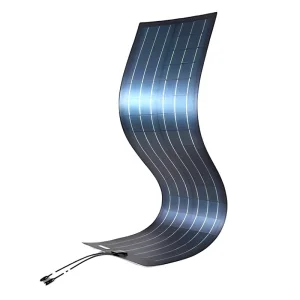
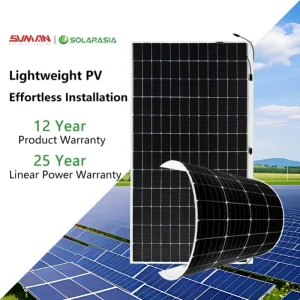
Premium Flexible Solar Panel 520W

Premium Flexible Solar Panel 520W Lightweight BIPV Monocrystalline Module Factory Direct Supply for Home & Commercial Solar Systems at Competitive Price

Evaluate Spec & Pricing
High Efficiency 520W Monocrystalline

High Efficiency 520W Monocrystalline Solar Panels for BIPV Solutions

Evaluate Spec & Pricing
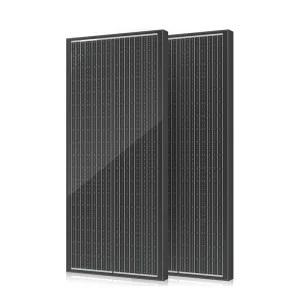
18bb 200W Solar Panel

18bb 200W Solar Panel, 2PCS N-Type 12V/24V 100 Watt Solar Panels, 25% High Efficiency Monocrystalline Solar Module, for RV, Boat, Marine, Trailer, Farm, Rooftop

Evaluate Spec & Pricing
Wholesale Waterproof Thin Film

Wholesale Waterproof Thin Film Flexible Solar Panels 80W 120W 160W 500W 560W Thin Film CIGS Flexible Rollable Solar Panel

Evaluate Spec & Pricing
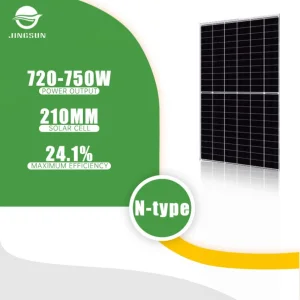
Jingsun Factory Price 720W

Jingsun Factory Price 720W 725W 750W N-Type Facial Solar Panels Shingled for Home Commercial

Evaluate Spec & Pricing
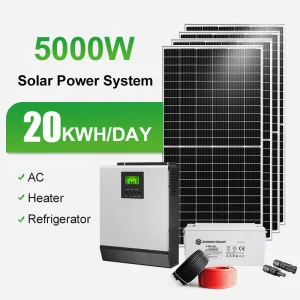
Solar 1kw to 15kw off Grid

Solar 1kw 2kw 3kw 5kw 8kw 10kw 15kw Solar System off Grid for Home / Home Solar Power Panel System

Evaluate Spec & Pricing
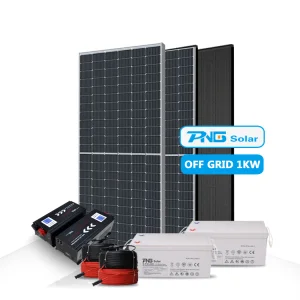
1kVA Solar System off Grid Kit

1kVA Solar System off Grid Solar Kit TUV Ce Certified One-Stop Service

Evaluate Spec & Pricing
01 / Executive Market Context

Global Commercial & Industrial Solar Ecosystem Optimization

As the world pivots toward deep decarbonization, utility-scale developers and EPC (Engineering, Procurement, and Construction) companies face a pivotal challenge: maximizing the Levelized Cost of Energy (LCOE) through advanced Solar System Optimization. Modern photovoltaic plants are no longer mere installations of panels and static inverters. They are highly complex, multi-tiered systems that require seamless optimization across mechanical, chemical, electrical, and algorithmic strata.

Globally, Commercial and Industrial (C&I) solar applications demand robust design, superior raw materials, and high adaptability. High-density, high-output solutions like HJT (Heterojunction Technology) and TOPCon (Tunnel Oxide Passivated Contact) are rapidly replacing obsolete architectures. These advancements reduce system footprints while significantly boosting output under diffuse light, high ambient temperatures, and architectural constraints. Navigating the top solar factories is crucial to securing supply chains that combine structural innovation, such as Building Integrated Photovoltaics (BIPV), with micro-inverter grid-tied storage configurations.

25.8% Cell Efficiency Peak
85% Bifaciality Factor
-0.26%/°C HJT Temp Coeff
30 Years Linear Performance Guarantee
02 / Chinese Manufacturing Resiliency

Chinese Factory Supply Chain Resiliency & Vertical Integration

China’s solar manufacturing ecosystem represents a masterclass in cluster geography and vertical integration. From upstream polysilicon purification to crystal pulling, wafer slicing, cell etching, and final module encapsulation, the entire value chain is tightly optimized. This localization yields unrivaled lead times, high R&D scaling speed, and deep cost structures.

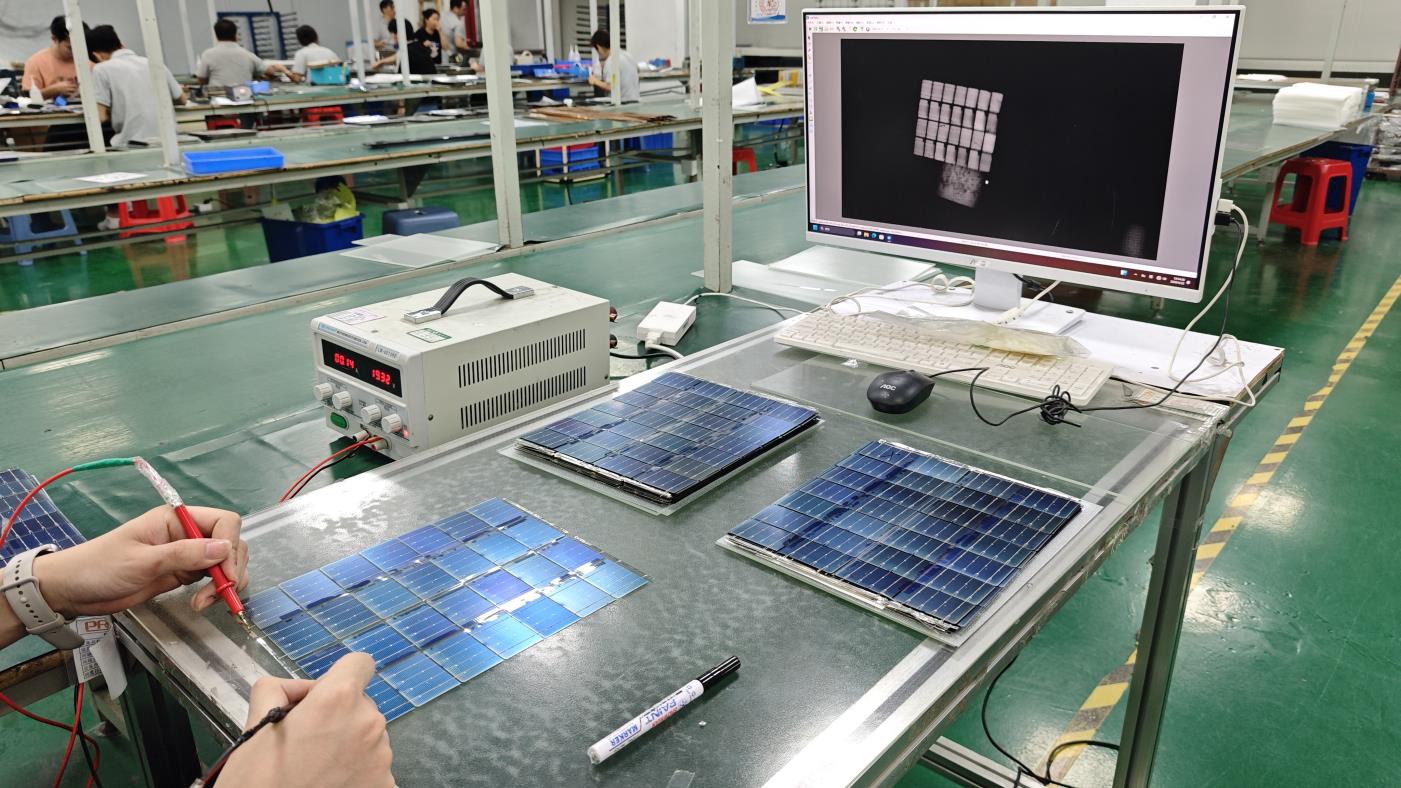
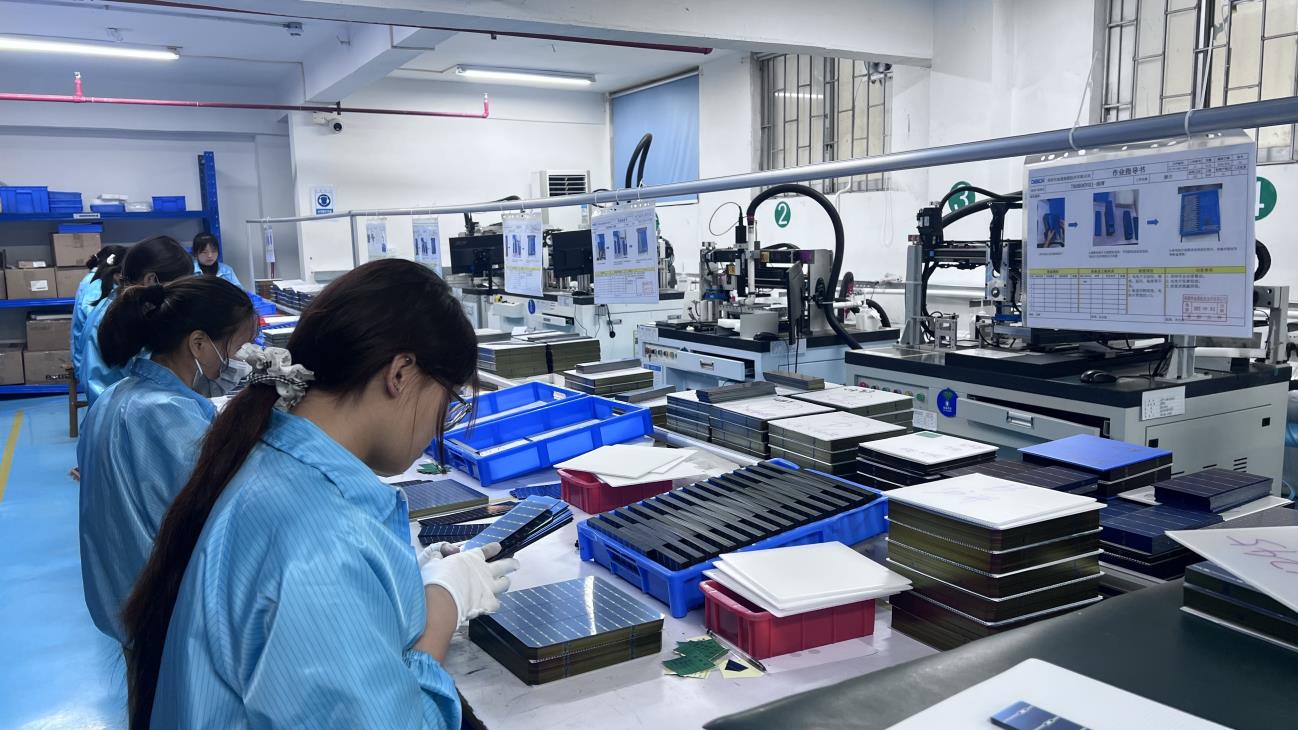
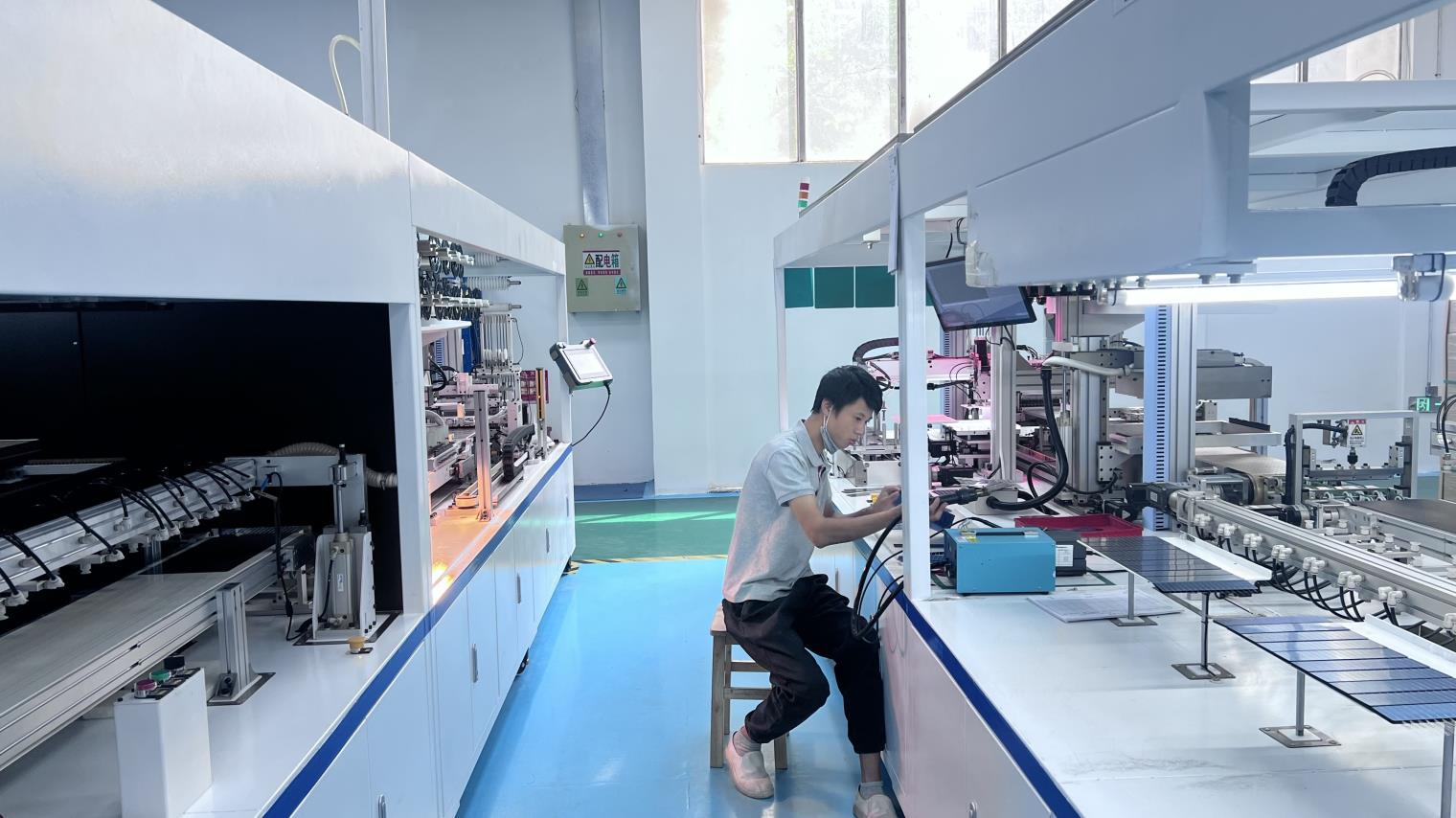
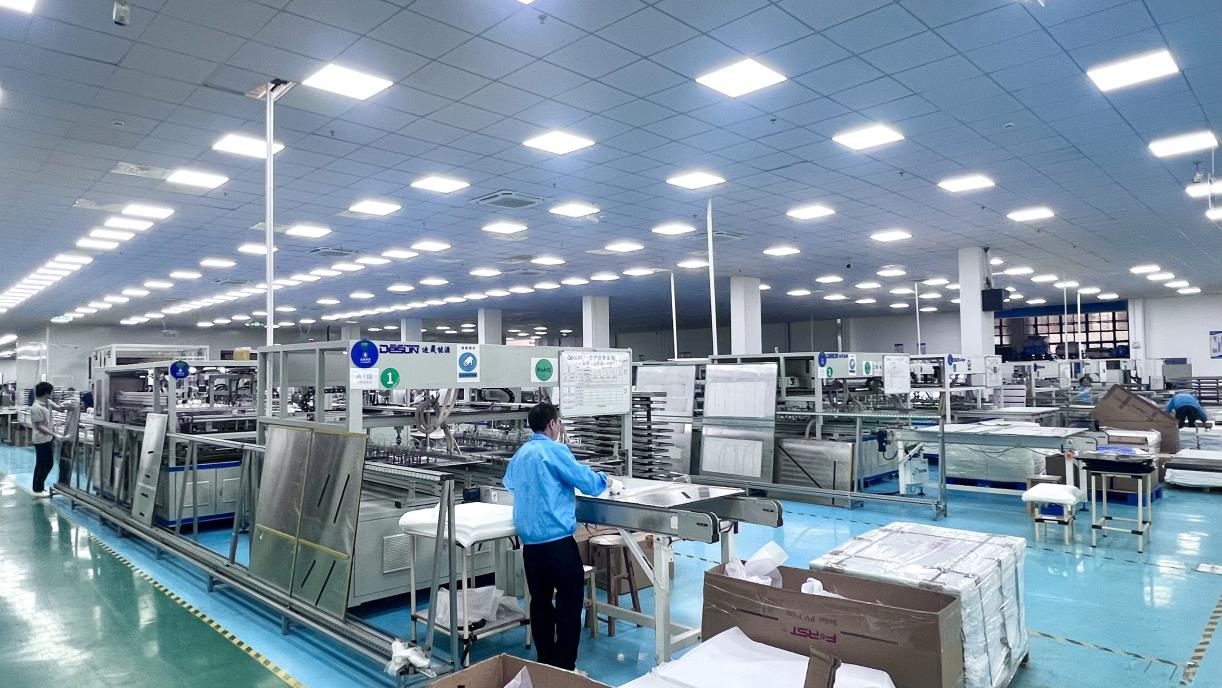
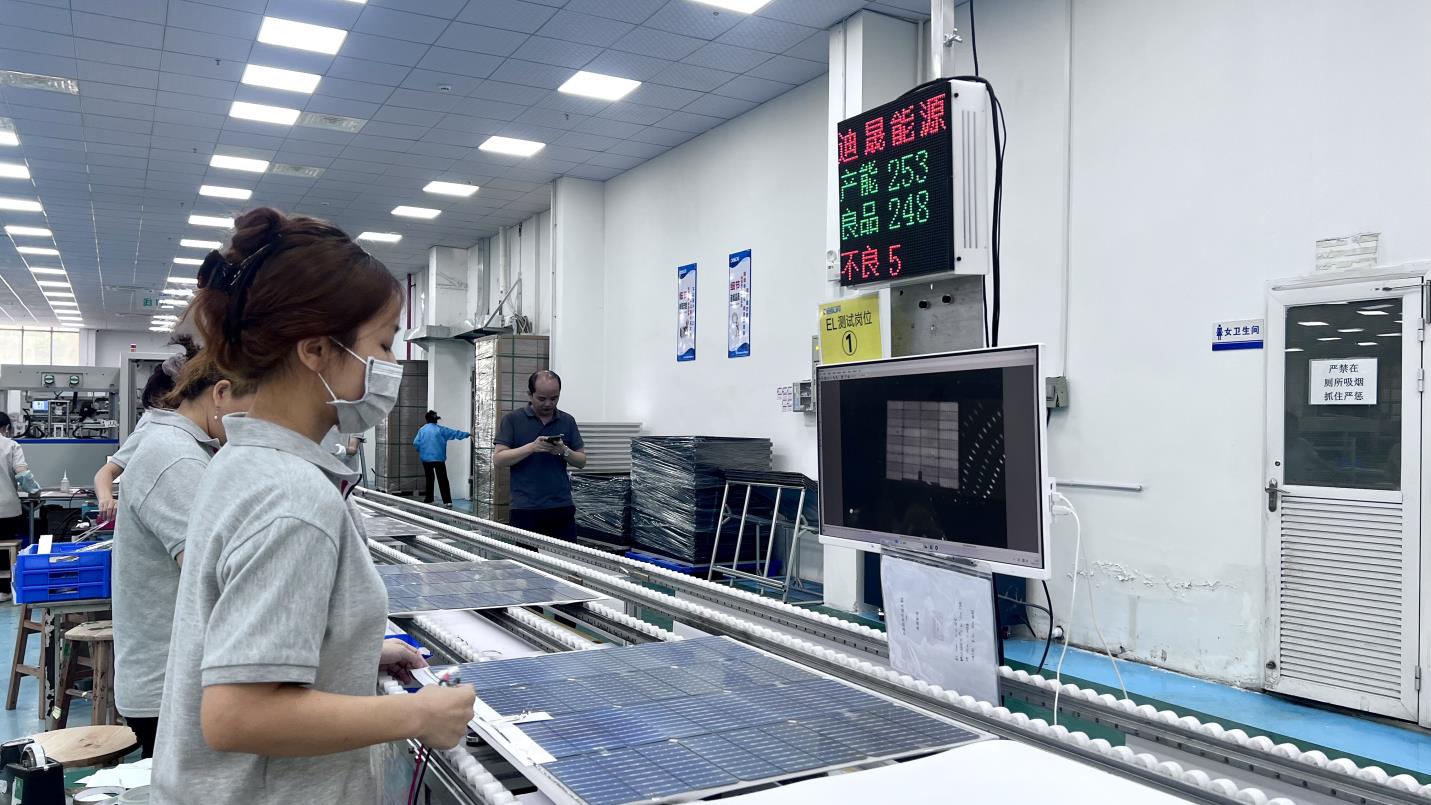
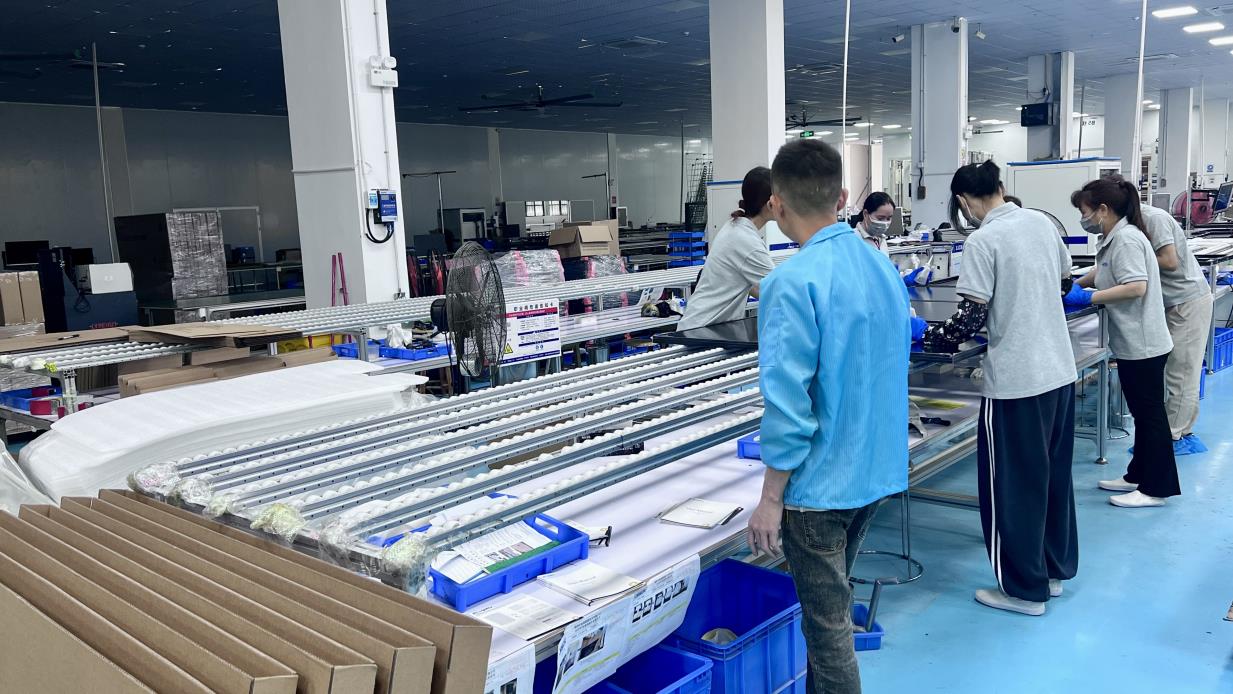
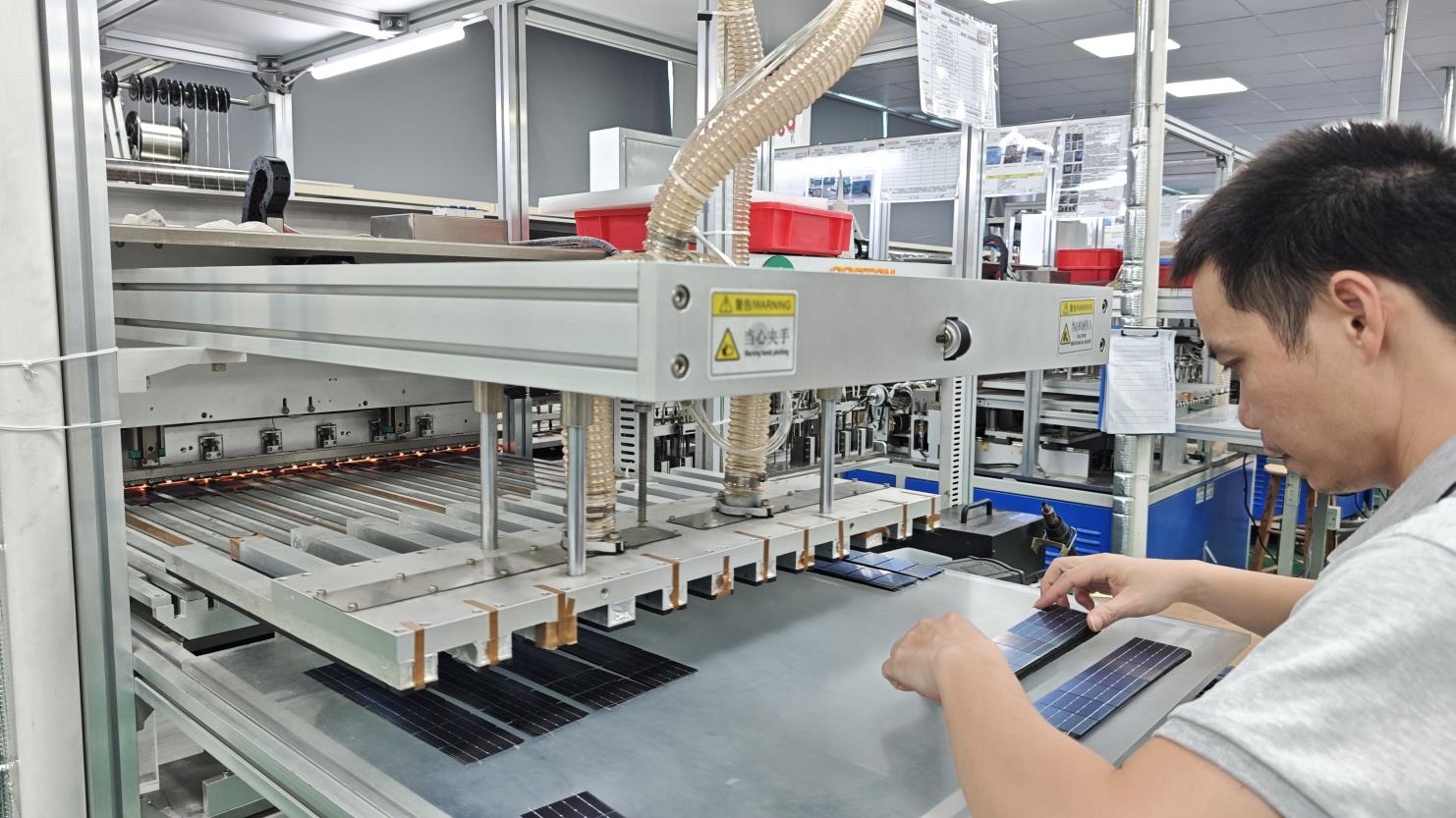
In regions like Xiamen, factories such as Xiamen ConTech Solar Co., Ltd. have turned raw manufacturing into a high-technology science. Operating with highly precise, automated SMT (Surface Mount Technology), automatic string welding, and intelligent laminating chambers, these operations reduce internal cell-to-module power loss and eliminate micro-cracks. Through rigorous testing—ranging from multi-cycle electroluminescence (EL) imaging to strict incoming quality control (IQC)—Chinese exporters guarantee that the structural integrity of their modules can withstand decades of environmental stress.

Precision Silicon Sourcing

Rigorous raw material criteria ensure only n-type monocrystalline silicon wafers with minimal oxygen content are utilized, avoiding Light-Induced Degradation (LID) entirely.

Automated Inline Stringing

Micro-gap welding technology minimizes spacing between cells, maximizing current-carrying active surfaces and improving resistance to thermomechanical fatigue.

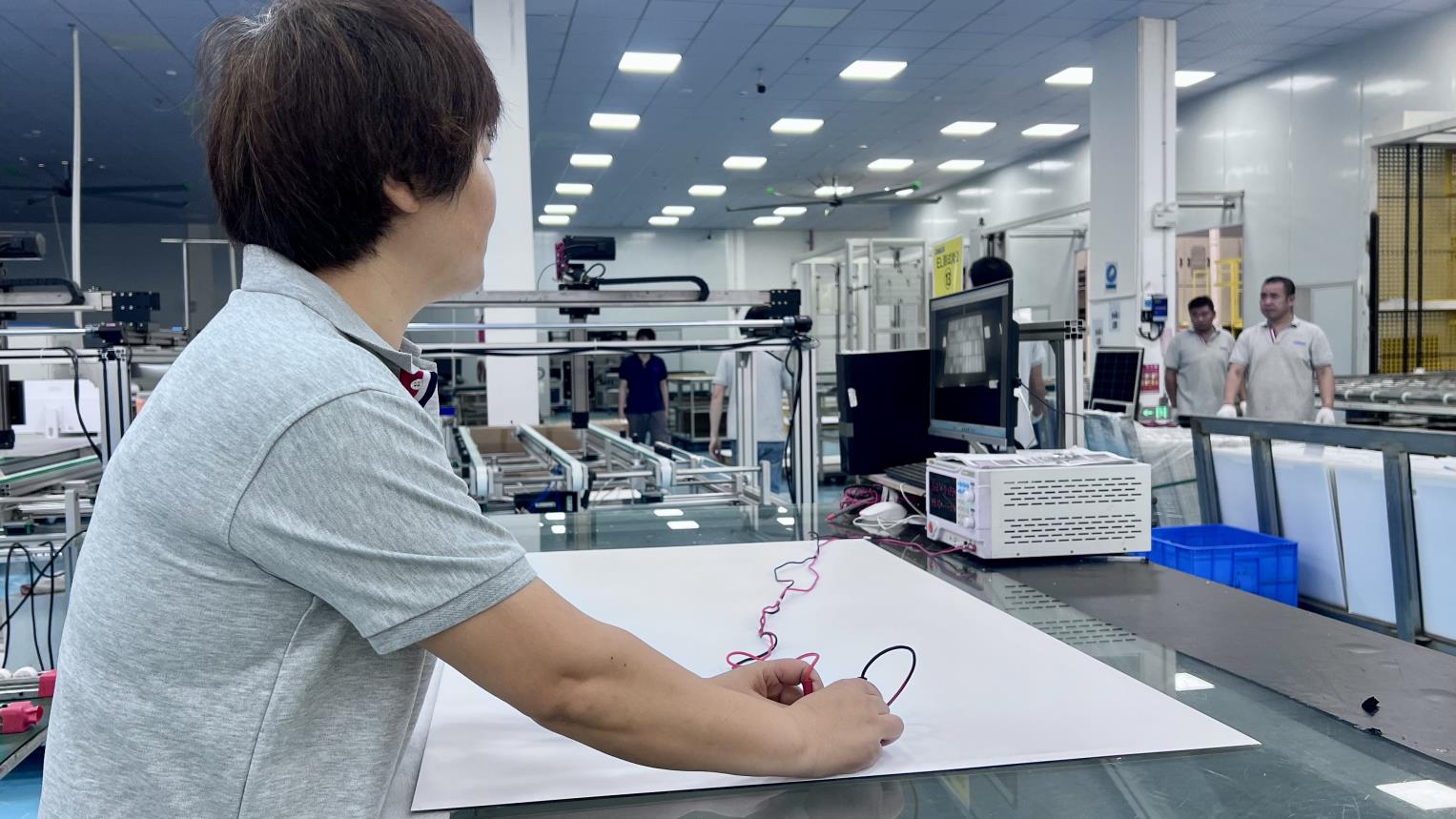
Double-EL Defect Scanning

Dual stage Electroluminescence (EL) testing before and after module lamination isolates micro-cracks invisible to the naked eye for zero-defect dispatch.

03 / Technical Roadmap

Technical Roadmap & Future Paradigm of Solar Systems

The future of solar energy optimization lies in high-performance materials and intelligent system architectures. Current technology roadmaps show a rapid transition from traditional p-type PERC cells to advanced n-type architectures. TOPCon (Tunnel Oxide Passivated Contact) and HJT (Heterojunction) technologies are leading the market by offering over 25% cell efficiency, higher bifaciality, and an incredibly low temperature coefficient (-0.26%/°C for HJT).

Beyond cell-level optimization, next-generation platforms rely heavily on MLPE (Module-Level Power Electronics) and software analytics. Implementing smart micro-inverters and DC optimizers eliminates partial shading losses and provides detailed system-level diagnostics. Looking ahead, perovskite-silicon tandem cells (targeting efficiencies over 30%) and AI-driven cloud tracking algorithms will redefine solar generation, turning modern arrays into highly responsive, grid-interactive assets.

Phase I: Heterojunction (HJT)

Combining thin crystalline silicon with amorphous silicon layers for excellent passivated surfaces. This delivers exceptionally high open-circuit voltages and remarkable performance in low-light environments.

Phase II: Next-Gen BIPV Integration

Integrating high-performance PV materials directly into structural building envelopes. Building Integrated Photovoltaics (BIPV) blend architectural aesthetics with active power generation.

Phase III: Smart Grid Edge & Storage

Coupling modular hybrid inverters with advanced lithium iron phosphate (LFP) energy storage. This setup creates grid-independent virtual power plants (VPPs) with millisecond-level responsiveness.

04 / Localized Applications

Localized Application Scenarios: Engineered for Local Conditions

Solar system optimization must adapt to local environments. Diverse global climates pose unique challenges that a standard system cannot address. Engineers must tailor setups to specific local conditions:

Desert & Arid Environments

High ambient temperatures degrade performance in standard panels. Using HJT panels with low temperature coefficients, paired with anti-soiling coatings, ensures stable energy production despite heavy sand and heat.

Coastal & Marine Projects

Saline, humid environments accelerate corrosion. Dual-glass modules with composite polymer frames, secured by marine-grade aluminum mounting structures, prevent salt-mist corrosion and PID in water-bound setups.

High-Latitude Urban Installations

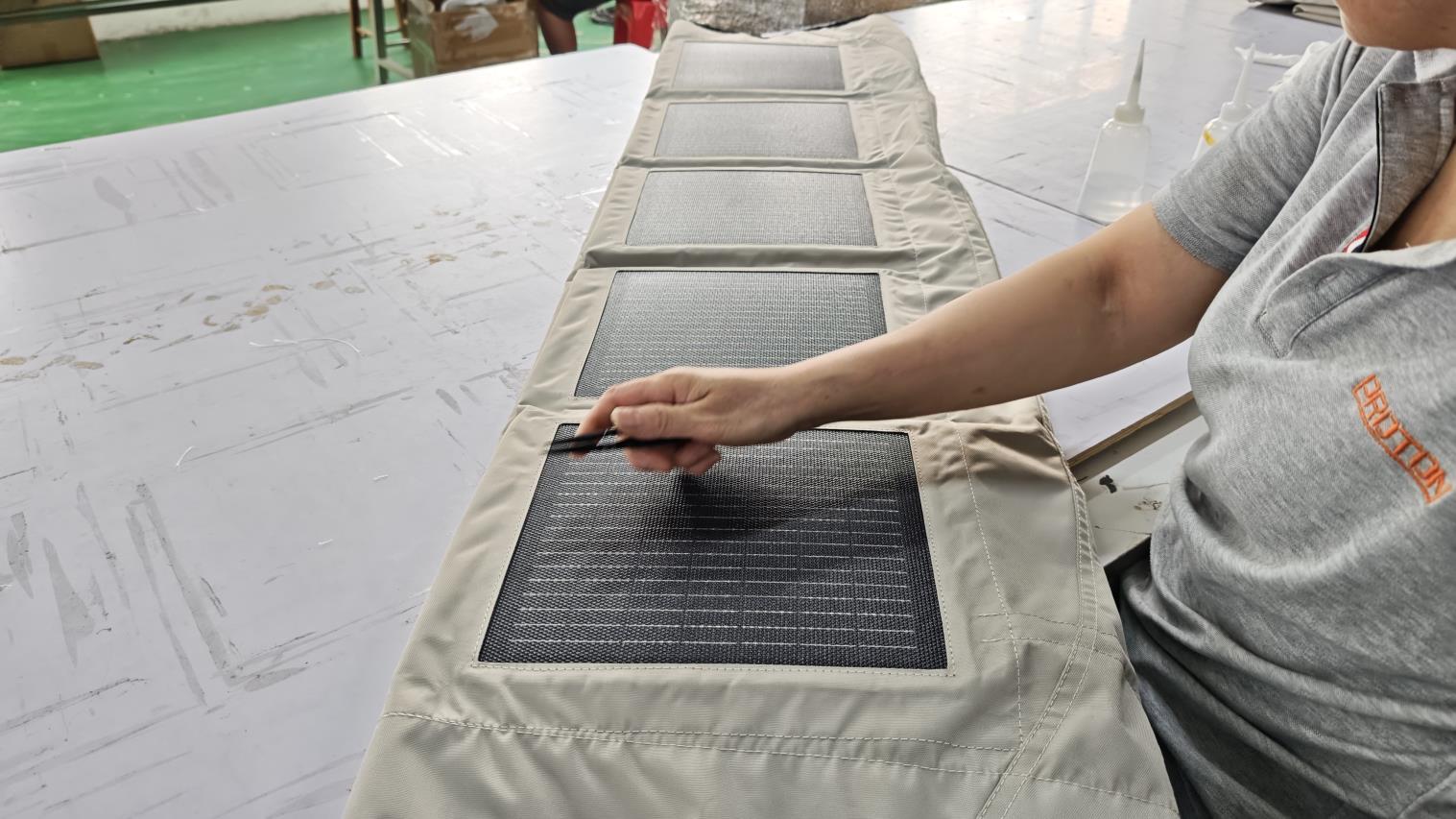
Limited space and low sun angles require optimal space utilization. BIPV and lightweight, flexible monocrystalline panels allow building facades and uneven surfaces to generate power efficiently without overloading structures.

05 / ConTech Production Plant

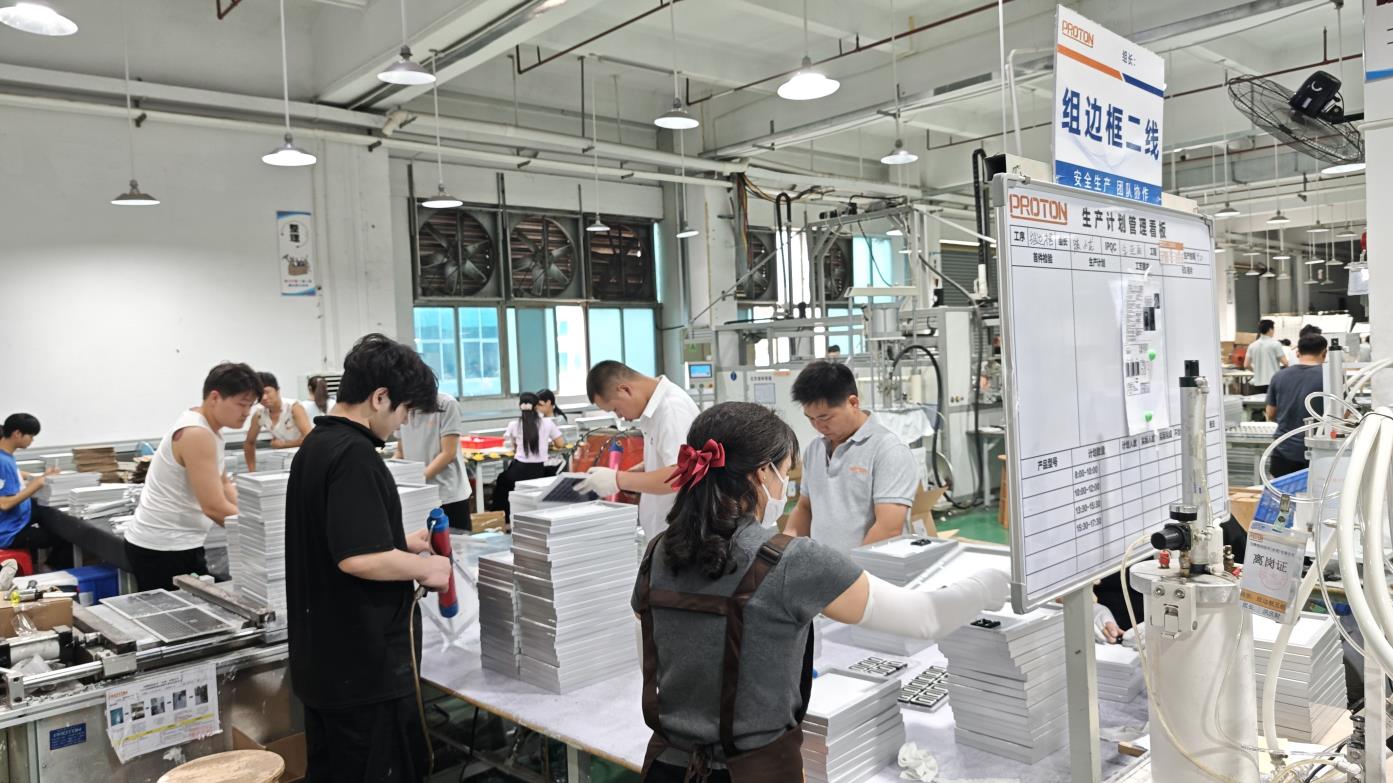
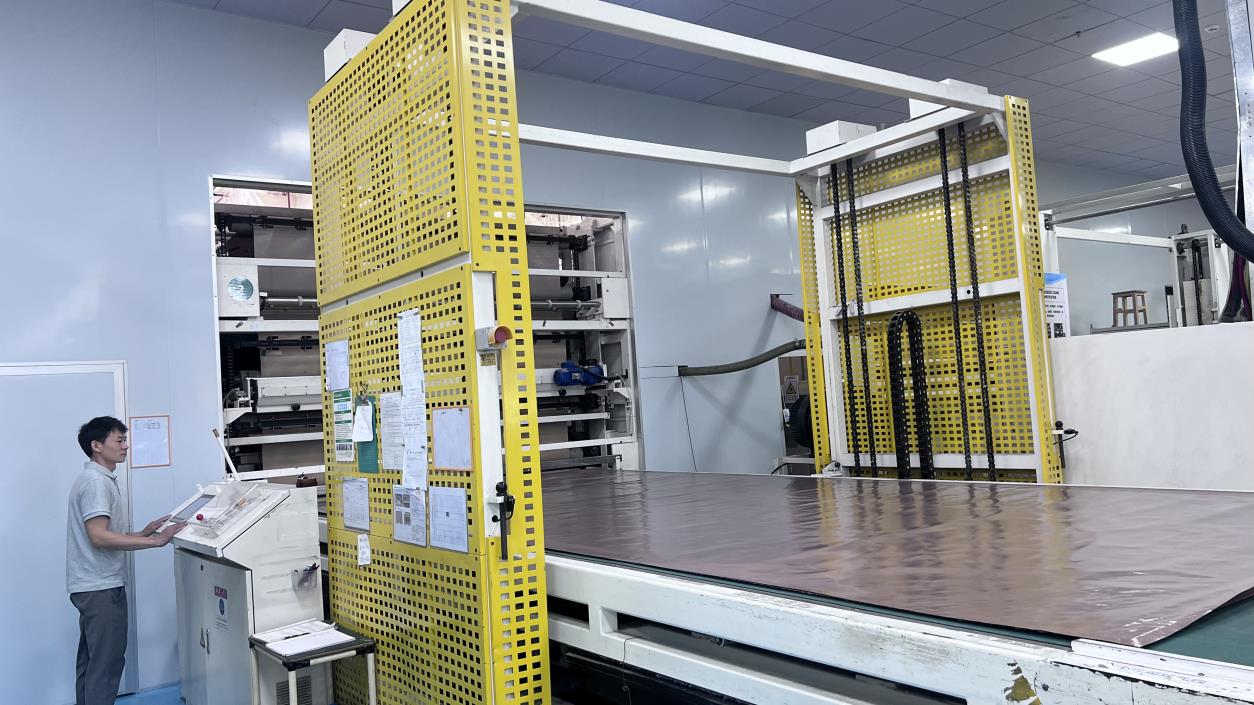
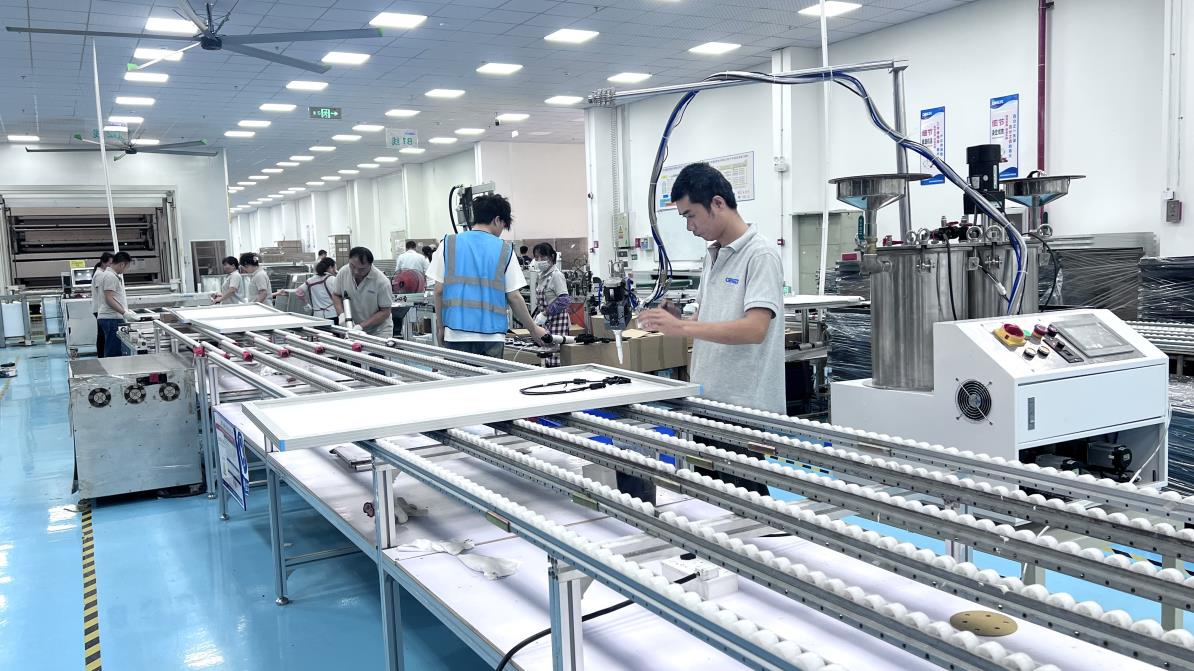
Industrial Excellence: ConTech’s Integrated Manufacturing Facility

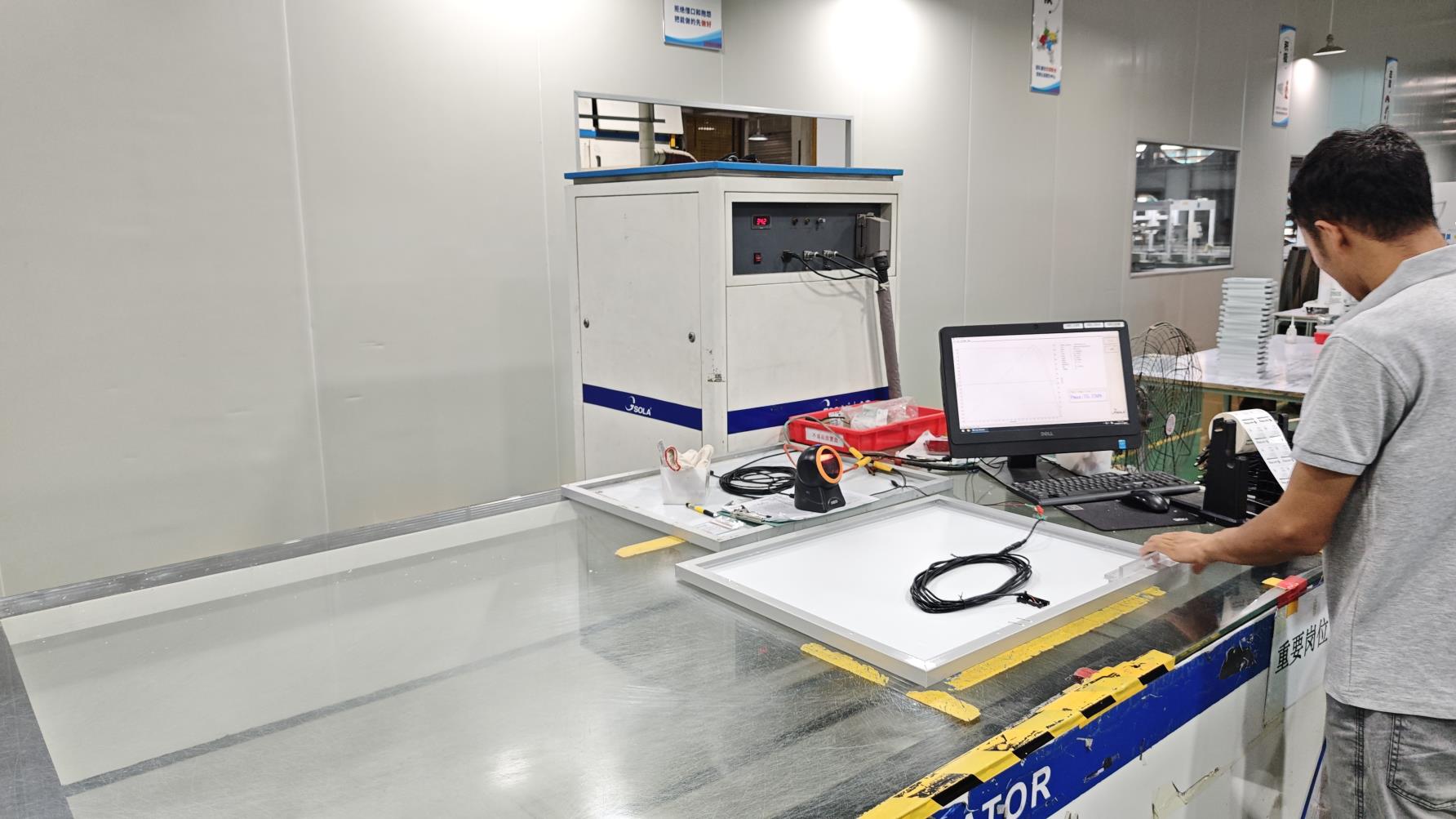
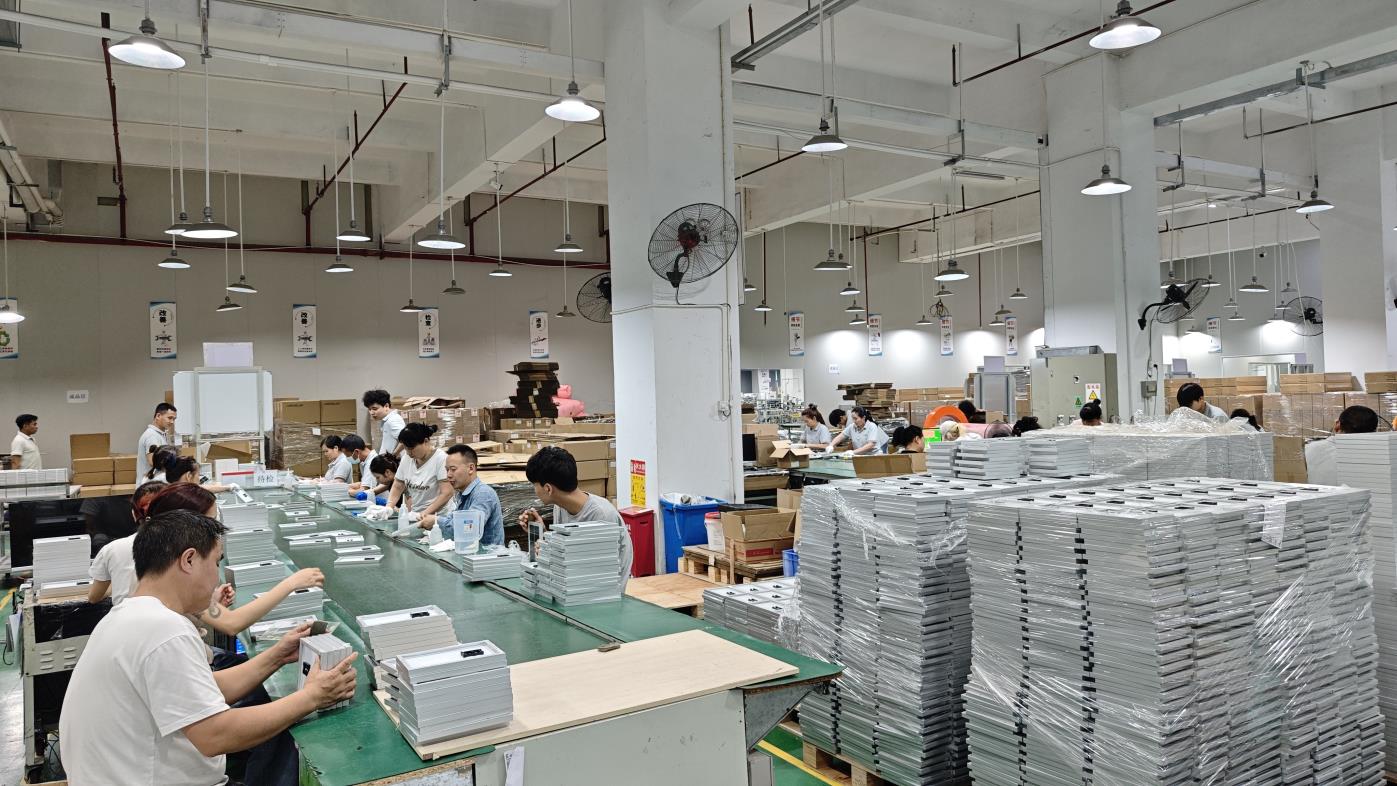
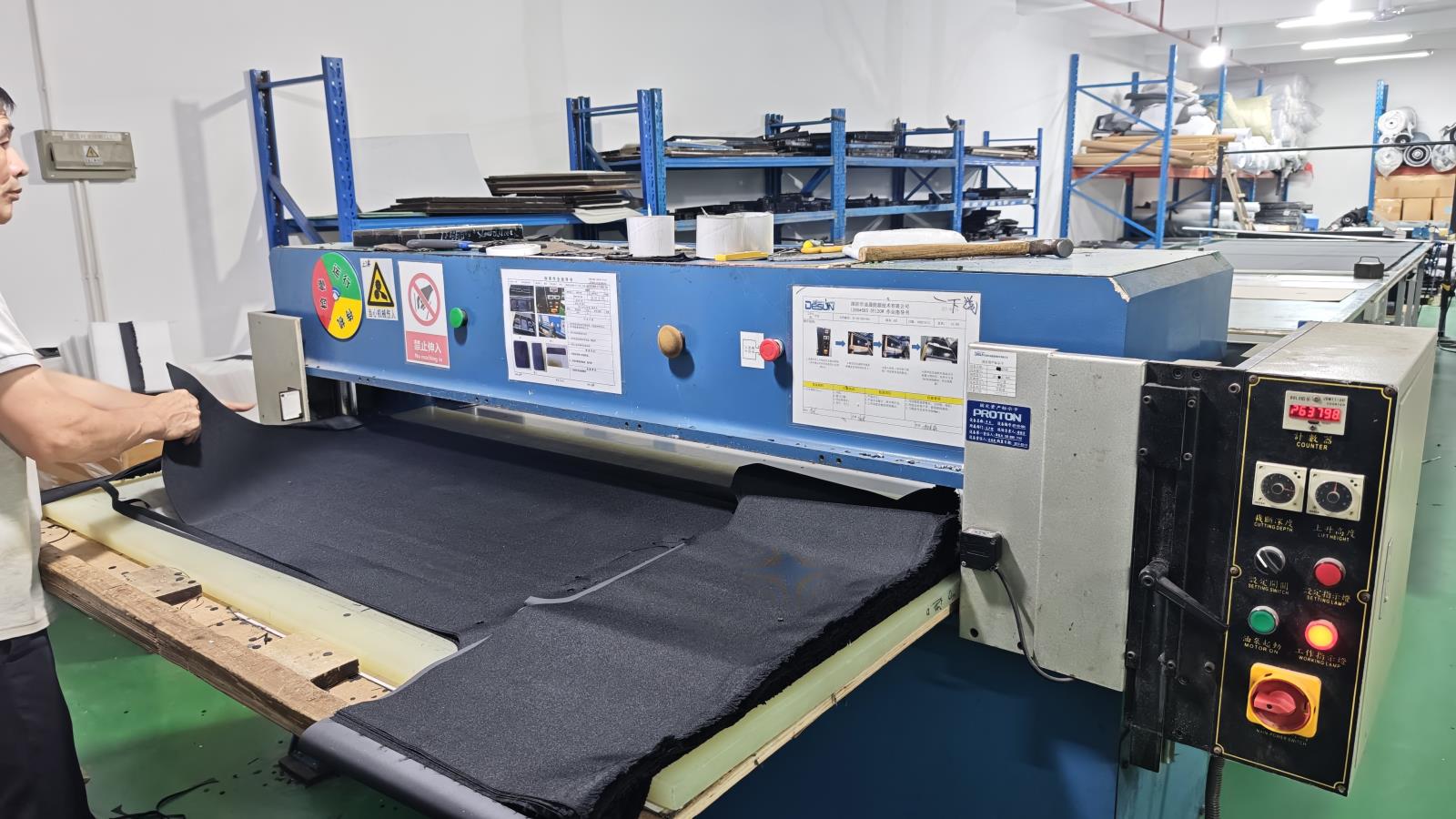
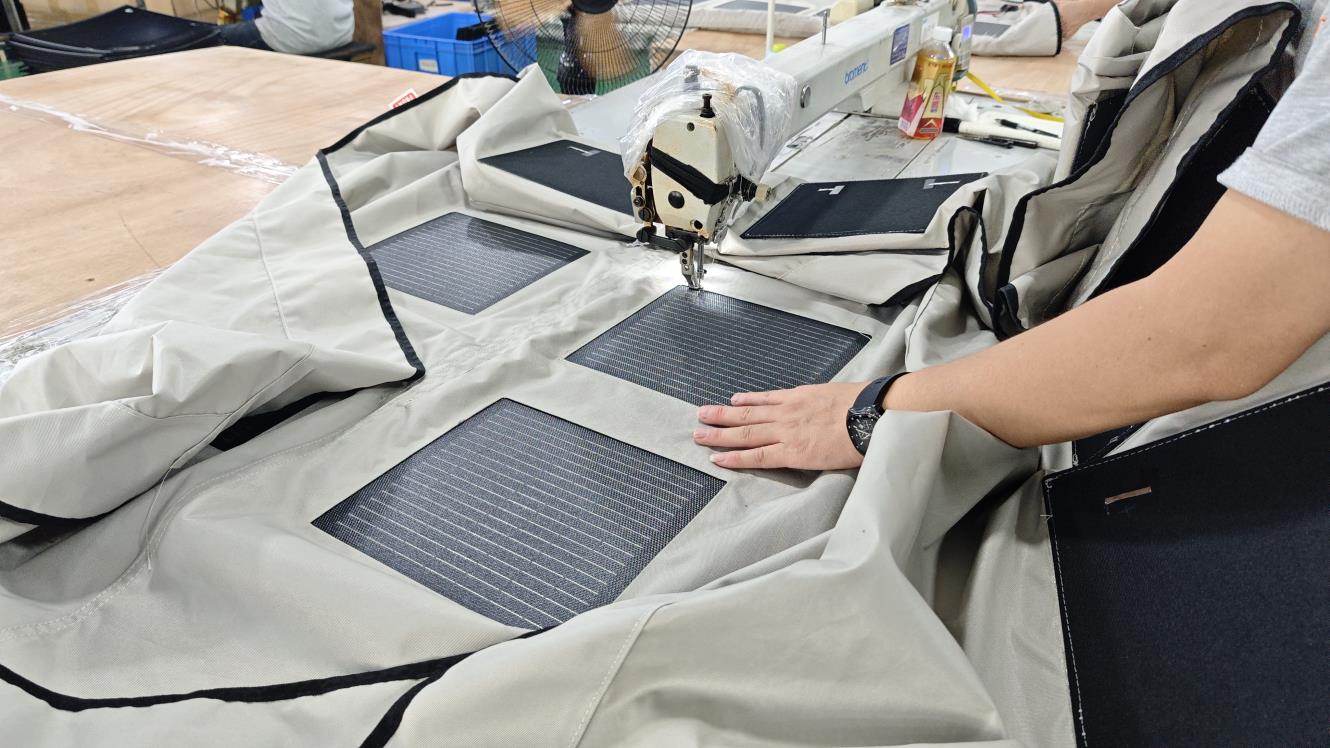
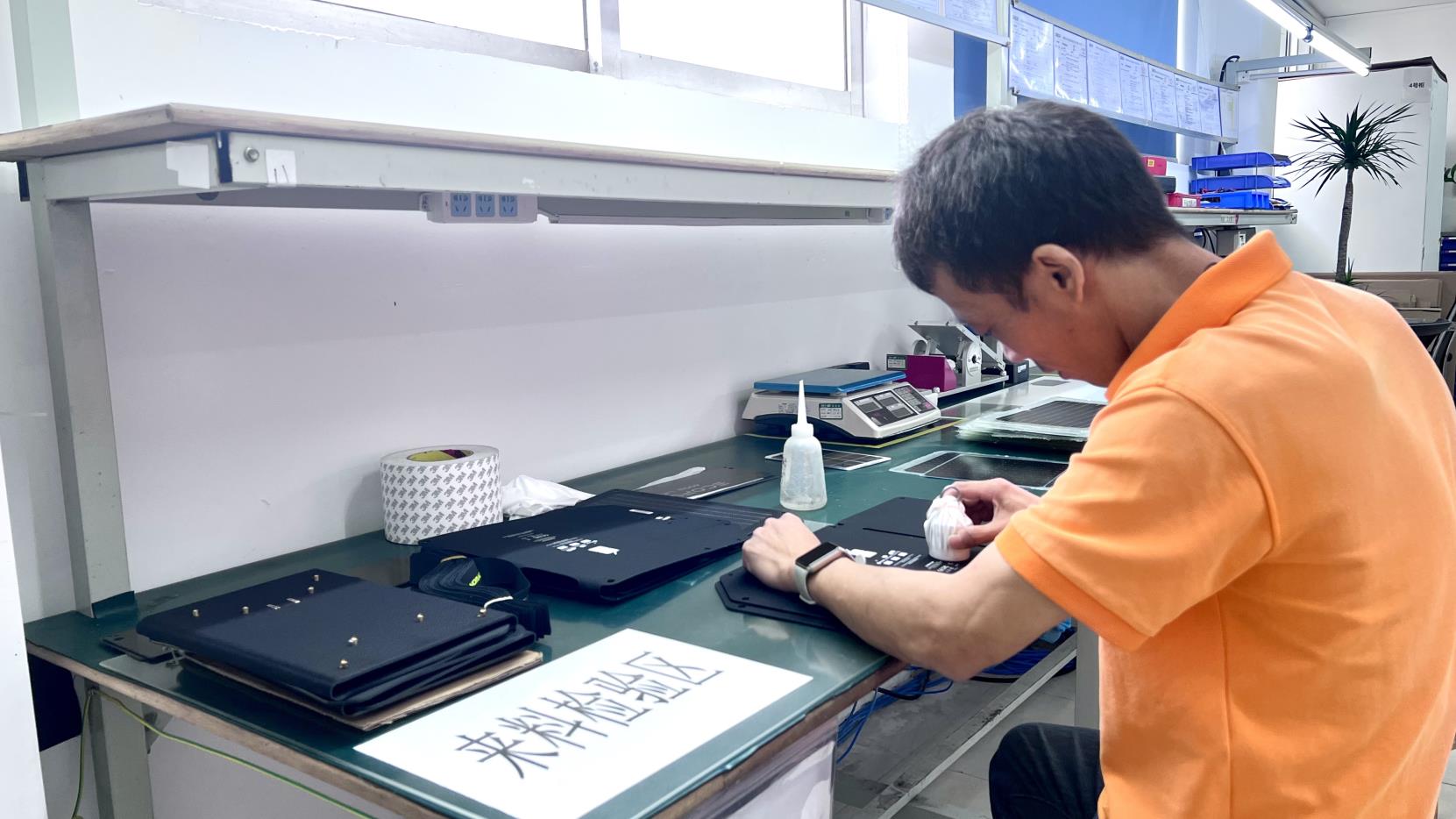
Go behind the scenes at Xiamen ConTech Solar Co., Ltd. Our advanced manufacturing floor combines automated laser precision, high-vacuum thermal encapsulation, and rigorous multi-stage quality control to guarantee exceptional durability and performance for every product.
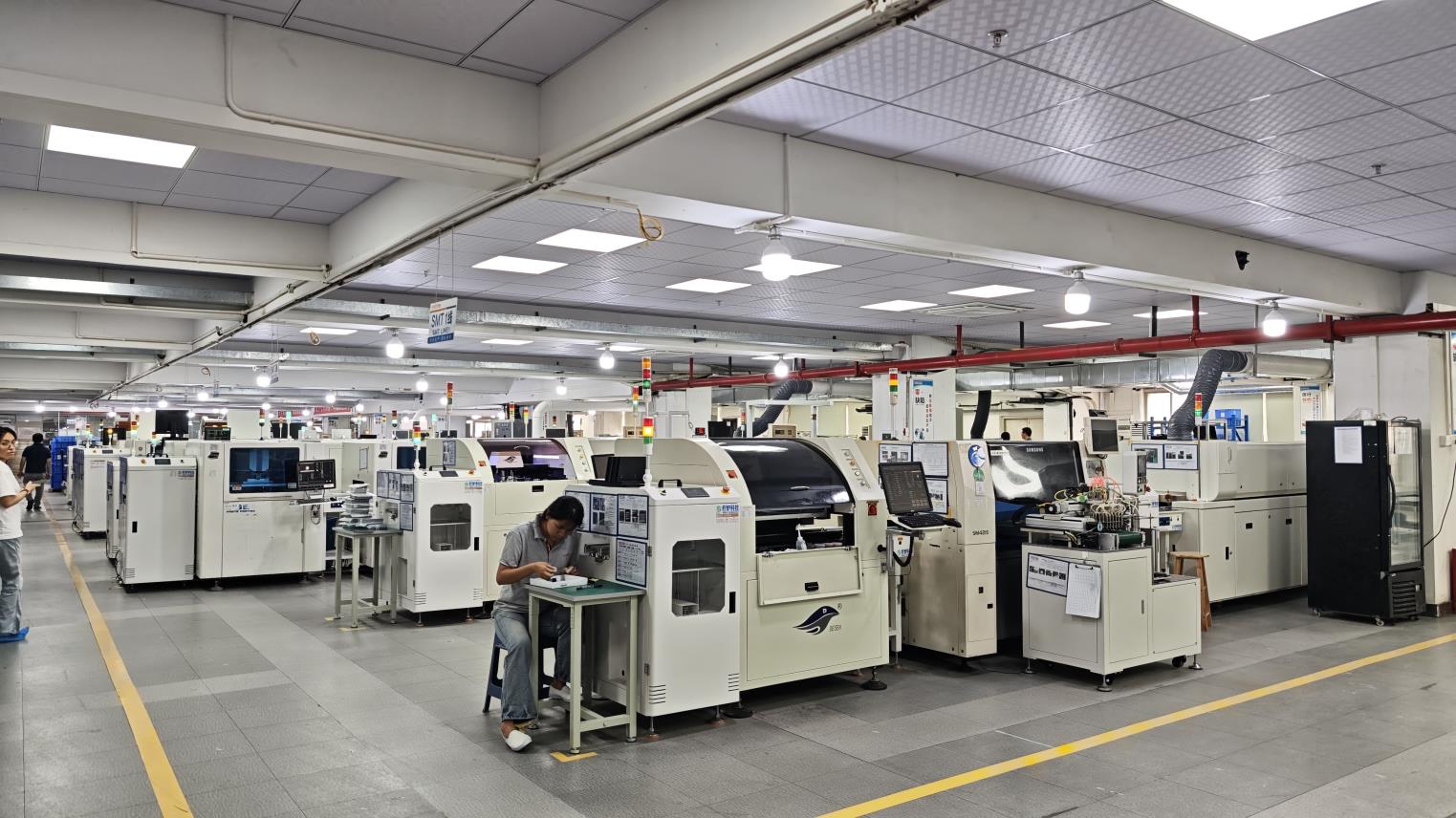
SMT
1 SMT (Surface Mount)
Series welding
2 Series Welding
Testing
3 Electrical Testing
Solar panel laminating
4 Thermal Laminating
Assembling
5 Component Assembly
Inspection
6 Optical Inspection
Packaging
7 Precision Packaging
Cutting
8 Laser Raw Cutting
Sewing
9 Profile Sewing
QC
10 In-process QC
IQC
11 Incoming QC (IQC)
Laser Scribing
12 Laser Scribing
Automatic String Welding
13 Auto String Welding
Solar Panel Stacked
14 Intelligent Stacking
Solar Panel Laminating
15 Core Lamination
Semi-finished Product Test
16 Semi-finished Test
Assembly
17 Final Assembly
Finished Product Test
18 Finished Product Test
Cleaning & Packaging
19 Cleaning & Packing
06 / Quality Standards

Localization Support, Certifications, and Global Compliance

Working with an international factory requires strict adherence to localized codes and electrical requirements. Top exporters prioritize global certifications to ensure fast, seamless project approvals. Major quality standards include IEC 61215 and IEC 61730 for solar panel design and safety, along with CE, TUV, and UL listings. These certifications guarantee that modules comply with local utility grid requirements in regions like Europe, North America, and Australia.

In addition to product certifications, robust local engineering support is key to successful projects. Leading suppliers assist throughout the process, providing precise sizing software, detailed CAD layouts, and local engineering documentation. This support helps installers navigate local building regulations, wind load requirements, and grid connection rules, ensuring smooth operations from initial design to final connection.

TUV & CE Certified

Extensively tested and certified by leading bodies like TUV Rheinland and TUV SUD, confirming long-term electrical safety, mechanical durability, and performance stability.

Customized Engineering Support

Detailed string sizing, inverter matching reports, and structural engineering analysis optimize wind and snow load performance for specific project locations.

Global Logistics & Warehousing

Strategically located regional hubs and overseas warehouses simplify custom procedures, shorten delivery timelines, and maintain a steady supply of replacement components.

07 / Engineering Q&A

Solar System Optimization FAQ

Key technical answers to guide procurement managers, solar consultants, and system integrators during global hardware evaluations.

What are the primary differences between HJT and TOPCon cell technologies in commercial solar optimization?
TOPCon cells are built on n-type silicon substrates using thin tunnel oxide and highly doped polycrystalline silicon layers, achieving efficiencies around 24.5% to 25.5%. HJT (Heterojunction Technology) merges crystalline silicon with amorphous silicon thin films, resulting in a simpler production workflow, a superior temperature coefficient (-0.26%/°C compared to TOPCon's -0.30%/°C), and higher bifaciality (up to 85-90%). This makes HJT perform exceptionally well in high-temperature climates and low-light environments.
How do lightweight, flexible monocrystalline panels maintain long-term reliability under severe weather?
High-quality flexible panels replace thick front glass with high-grade fluoropolymer front sheets (such as ETFE) and feature composite fiberglass backings. These materials resist UV degradation, thermal expansion, and mechanical impact. Integrating high-density multi-busbar (MBB) cells with flexible conductive adhesives reduces micro-cracking risk from flexing, making them highly reliable for transport, marine environments, and curved roofs.
What optimization steps prevent PID (Potential Induced Degradation) in utility-scale dual-glass systems?
PID occurs due to leakage currents between the solar cells and the grounded metal frame, driven by high system voltage and humidity. To prevent this, our systems utilize premium POE (Polyolefin Elastomer) encapsulating films rather than standard EVA. POE provides superior moisture resistance and electrical insulation. We also implement grounding configurations at the inverter level and treat cell surfaces with anti-PID silicon nitride coatings.
How does Building-Integrated Photovoltaics (BIPV) impact mechanical wind load calculations for roofs?
BIPV systems replace conventional building materials rather than stacking on top of them. This integration improves aerodynamic profiles, reducing wind uplift forces. During the design phase, our team uses finite element analysis (FEA) to confirm the structures handle wind loads according to ASCE 7-16 and Eurocode 1 requirements. By securely bonding panels with high-strength structural adhesives, the roof's structural integrity remains uncompromised.
What is the typical return on investment (ROI) timeframe for off-grid hybrid industrial storage systems?
ROI depends on local electricity tariffs, fuel costs, and solar exposure. For remote industrial sites, C&I hybrid solar systems with battery storage typically achieve ROI within 4 to 6 years. By replacing diesel generation and lowering peak demand charges, these systems generate immediate utility savings. Combined with low degradation rates (under 0.4% annually), long-term yields remain highly predictable.
Complete Catalog Portfolio

Industrial Photovoltaic & Balance of System Catalog

Explore our complete range of certified monocrystalline modules, microgrid kits, and specialized mounting solutions designed for high-performance installations.
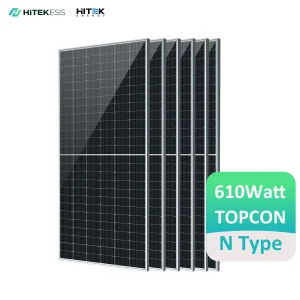
High Efficiency Hitek Longi Jinko

High Efficiency Hitek Longi Jinko Monocrystalline 550W 560W 600W 610W Solar Module Topcon Perc 700W 710W 720W PV Solar Panel Wholesale Price

Evaluate Spec & Pricing
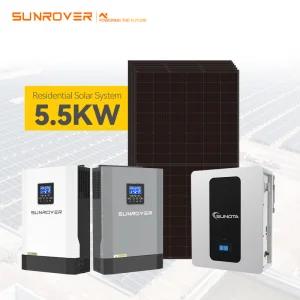
Home Use Inverter off Grid

Home Use Inverter off Grid 3.5kw 5.5kw off Grid Photovoltaic Solar Kit for Sale

Evaluate Spec & Pricing
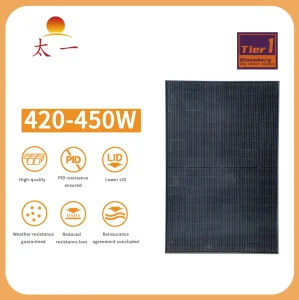
Ts-M10/108g 420W-450W

Ts-M10/108g 420W-450W Monocrystalline Bifacial Double Glass Component Solar Panel

Evaluate Spec & Pricing
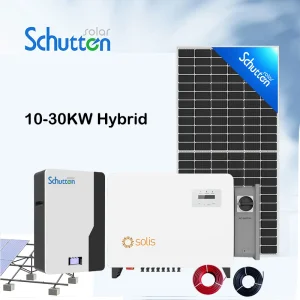
Schutten Grid Tied Kit

Schutten Grid Tied Kit Solar Energy System 10kw/15kw/20kw/50kw Hybrid Solar Power Storage Batteries Set

Evaluate Spec & Pricing
700W Shingled Bifacial

700W Shingled Bifacial Half Cut Solar Panels Topcon 570W 580W Panels in Europe Warehouse

Evaluate Spec & Pricing
Jinko Solar Bifacial N Type

Jinko Solar Bifacial N Type 700 Watt 690W 710W 720W Solar Panel Perc Type with BIPV Wholesale From China

Evaluate Spec & Pricing
Flexible 100W 12V Monocrystalline

Flexible 100 W 12 V Monocrystalline Flexible Solar Panel 100 Watt 12 Volt for 12 V Batteries Caravan Motorhome Boat Yacht Marine

Evaluate Spec & Pricing
Aluminum Floating Bracket

Panel Power System Aluminum Floating Bracket Solar Mounting Kit with RV Support

Evaluate Spec & Pricing