High-efficiency photovoltaic configurations built to navigate local utility standards, environmental factors, and commercial sustainability benchmarks in Southern California.
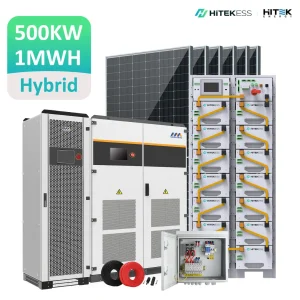
The Southern California commercial and industrial (C&I) solar landscape is undergoing a massive shift. With the passage of the California Public Utilities Commission's (CPUC) Net Energy Metering (NEM) 3.0 framework, the financial calculus for on-grid PV systems has fundamentally changed. Under NEM 3.0, the export rates for excess solar energy generated and pushed back into the grid have dropped by up to 75% to 80% compared to NEM 2.0. This change transforms on-grid solar from a purely generation-focused strategy into a dynamic energy storage and peak-shaving system.
For businesses in Los Angeles, including those served by the Los Angeles Department of Water and Power (LADWP) and Southern California Edison (SCE), the key to maximizing return on investment (ROI) lies in load profiling and high-capacity energy storage integration. By shifting generated solar power to offset high-cost Time-Of-Use (TOU) periods, local enterprises can mitigate demand charges and secure self-consumption optimization that bypasses low export utility rates.
"The challenge for modern EPCs in Southern California is no longer just mounting panels; it is about engineering smart, integrated systems capable of real-time load management, peak shaving, and zero-export compliance to match strict utility grids."
— Executive Director of Energy Integration, ConTech Solar
Interconnecting an on-grid or hybrid solar power system in the Los Angeles metropolitan area requires strict adherence to localized safety, operational, and electrical standards. Interconnection requests processed through SCE and LADWP require equipment that is certified under UL 1741 SB (inverters with advanced grid-support functionality) and compliant with California Energy Commission (CEC) listings. Rapid shutdown requirements defined in the National Electrical Code (NEC) 690.12 demand hardware-level safety architectures to protect municipal emergency services.
Furthermore, energy storage projects must comply with NFPA 855 standards for fire protection of stationary energy storage systems, ensuring all lithium-ion chemical cells undergo comprehensive thermal runaway propagation prevention testing (UL 9540A). From our Tier-1 advanced production lines in China, Xiamen ConTech Solar Co., Ltd. supplies fully compliant, pre-configured component assemblies that guarantee smooth municipal plan checks, structural engineering reviews, and fast Authority Having Jurisdiction (AHJ) sign-offs.
Why North American developers and global B2B procurement partners choose Xiamen ConTech Solar Co., Ltd.
Leveraging direct factory connections in China is a powerful way for commercial solar developers to reduce system levelized costs of energy (LCOE). Xiamen ConTech Solar Co., Ltd. bridge this gap by offering a fully vertically integrated supply chain, direct-from-factory pricing, and engineering support geared toward North American and international grid standards.
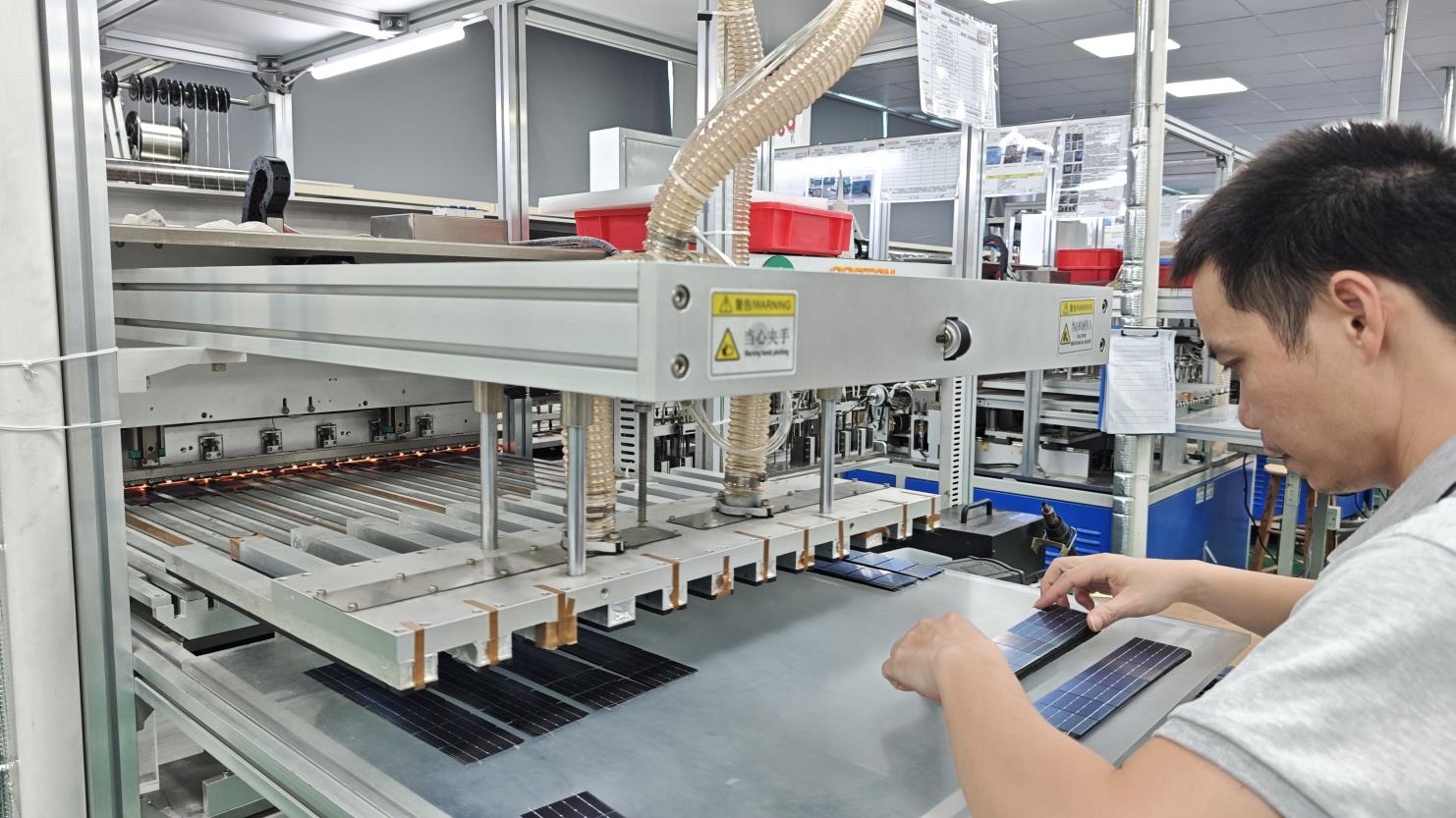
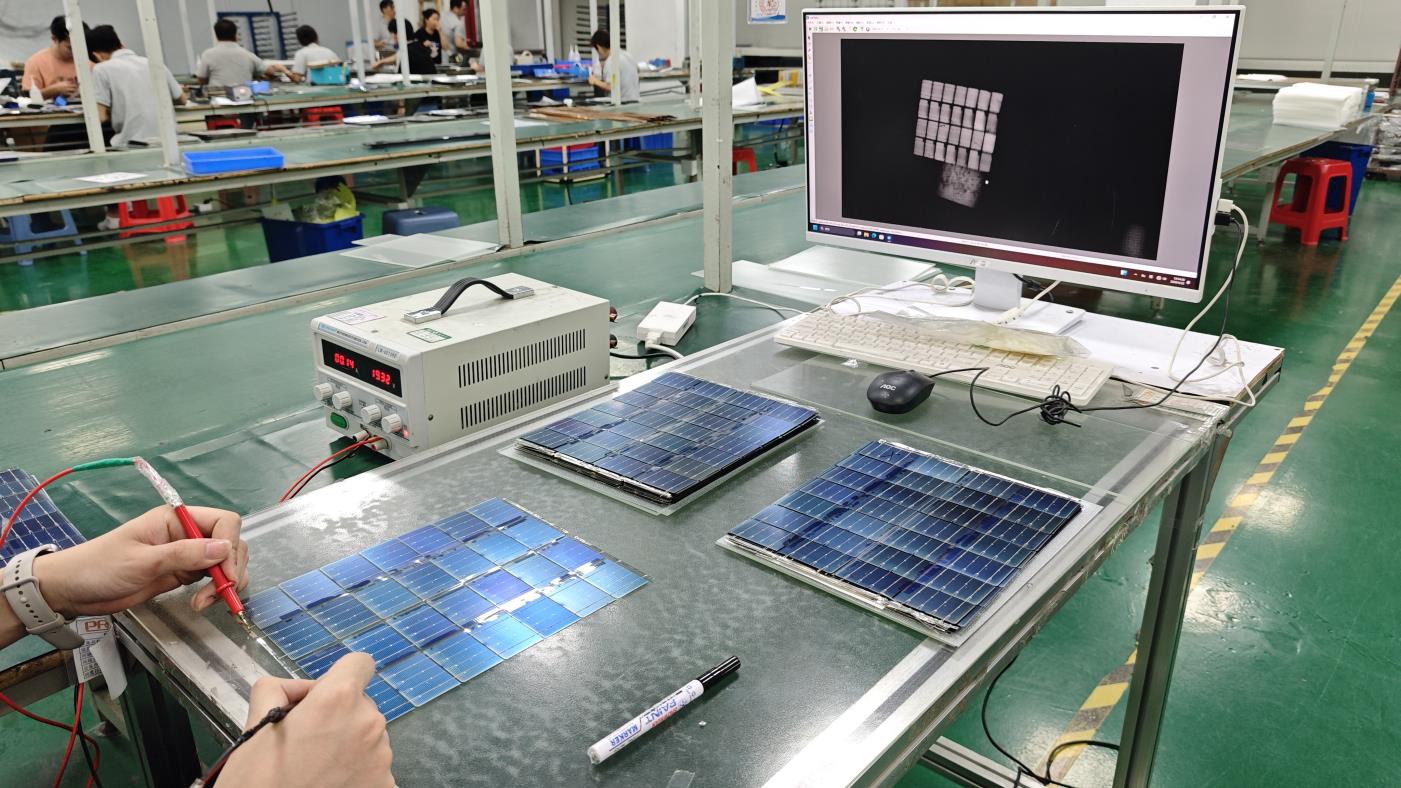
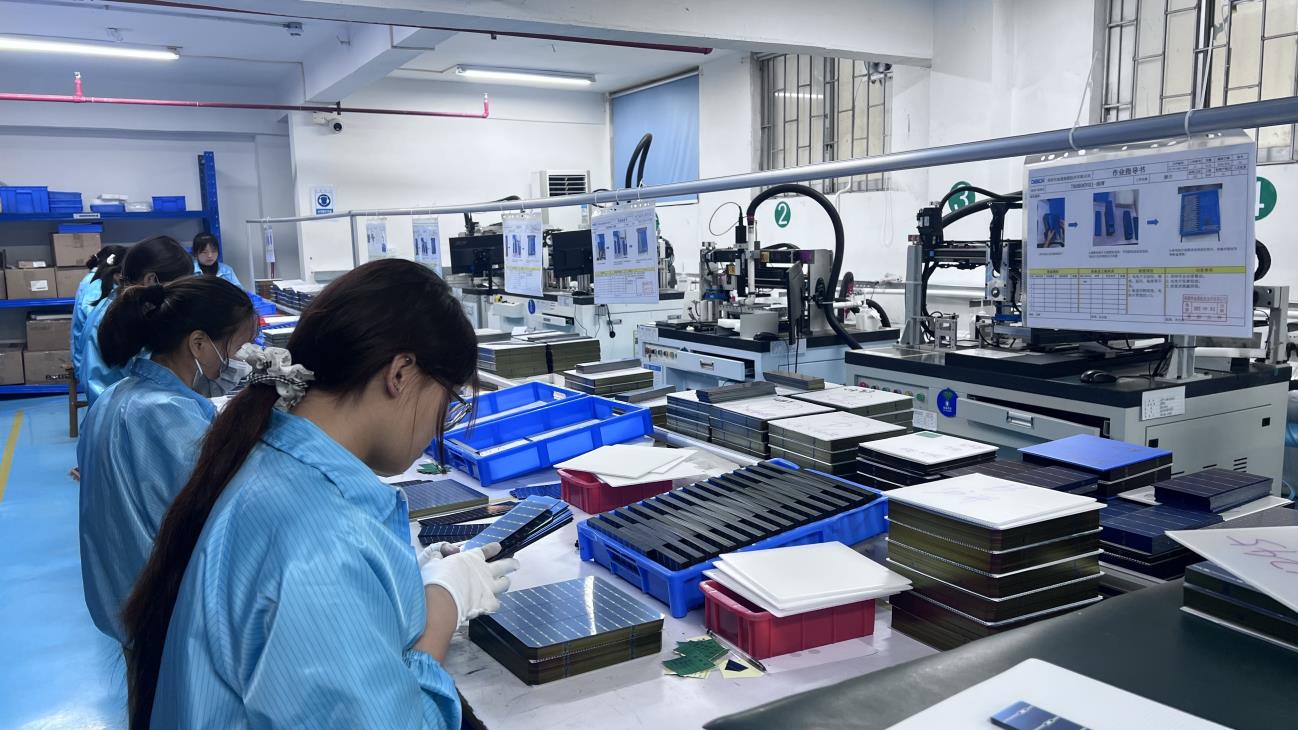
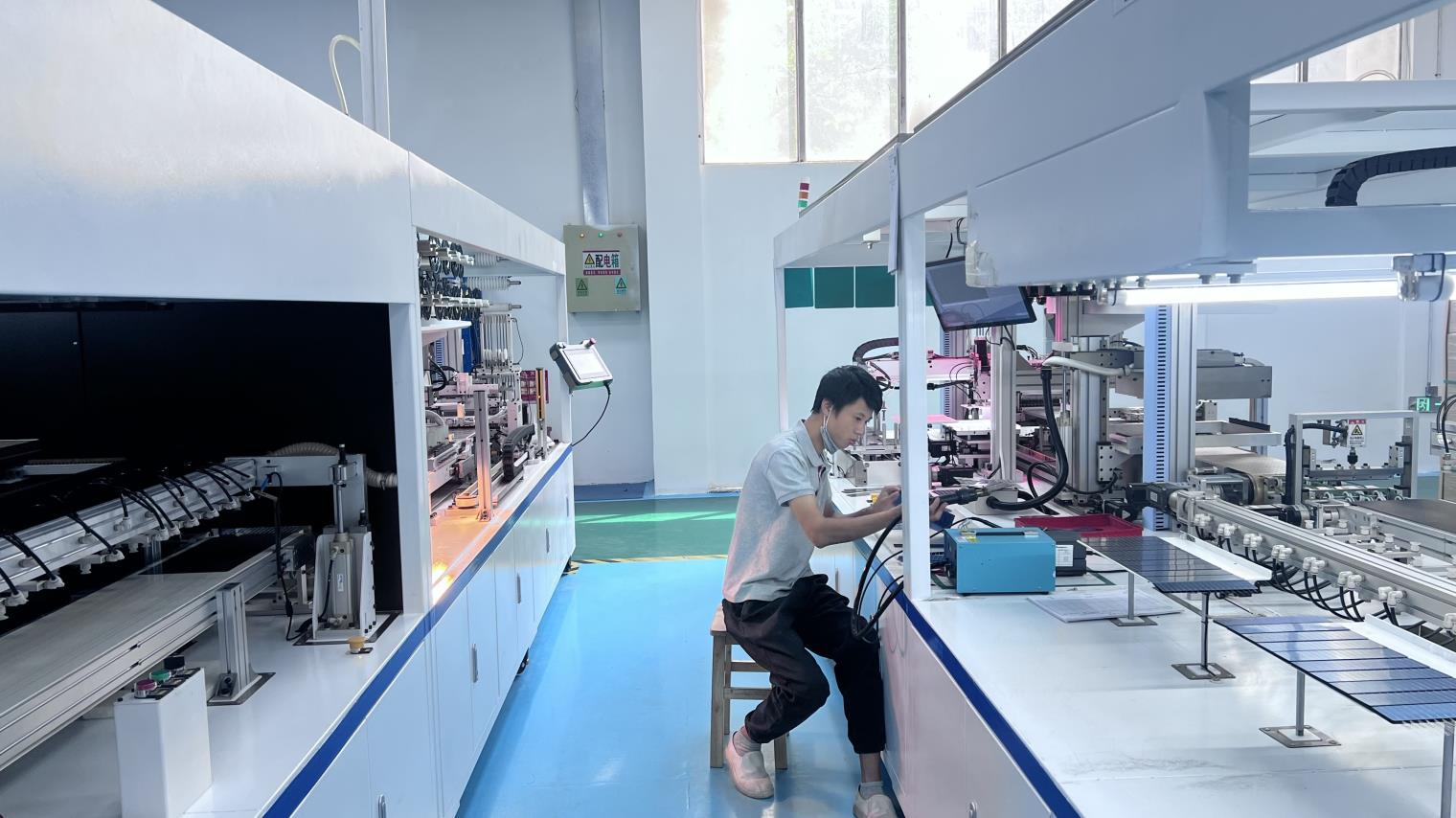
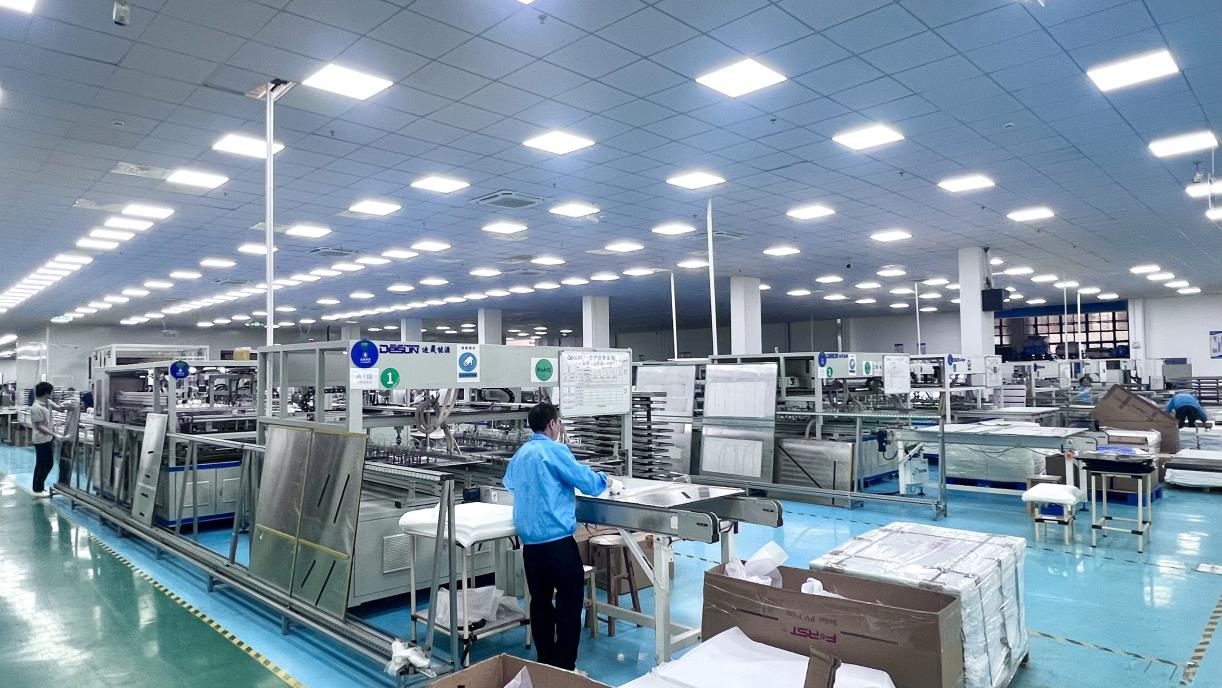
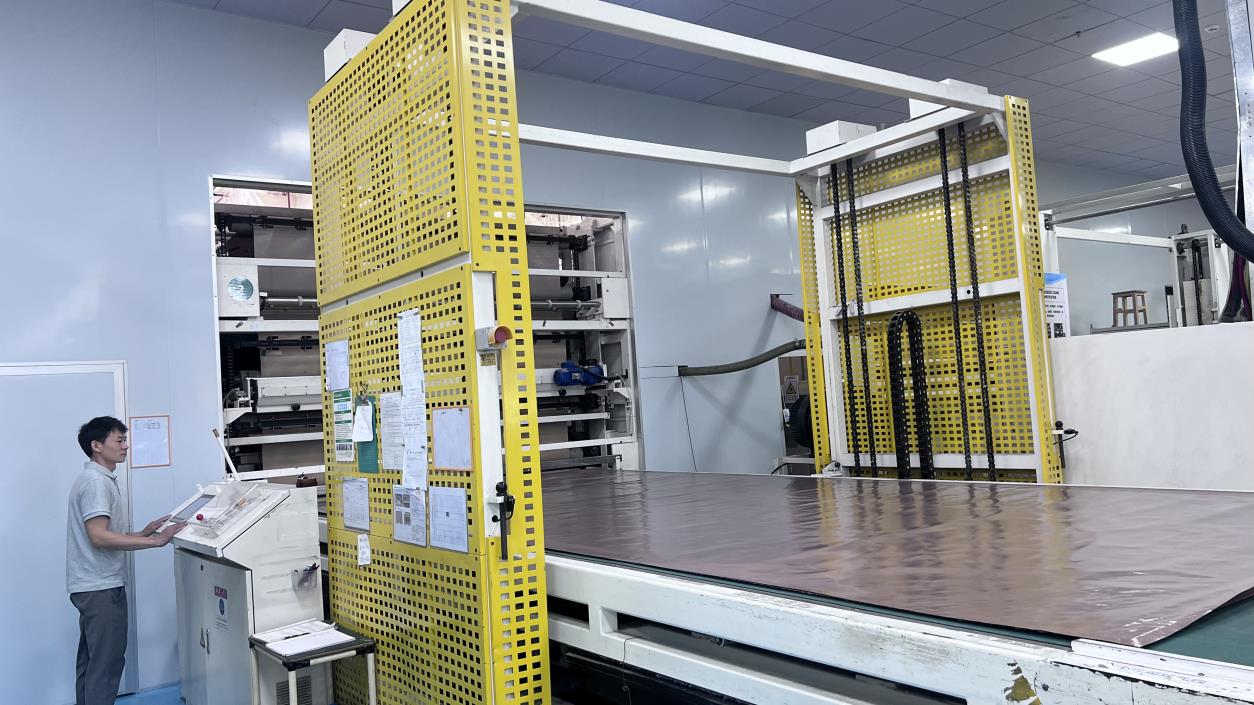
Our state-of-the-art facilities run optimized automated workflows, from high-precision laser scribing and automatic string welding to multi-stage electroluminescence (EL) defect detection. This meticulous quality control ensures that our tier-1 solar panels, smart hybrid inverters, and racking structures consistently perform at peak efficiency in demanding urban and desert environments, like the Los Angeles Basin and the Inland Empire.
Through robust global logistics pathways, we manage supply chains directly to the Port of Los Angeles and Port of Long Beach, guaranteeing consistent shipping pipelines, structured bill of lading processing, and comprehensive customs compliance documentation.
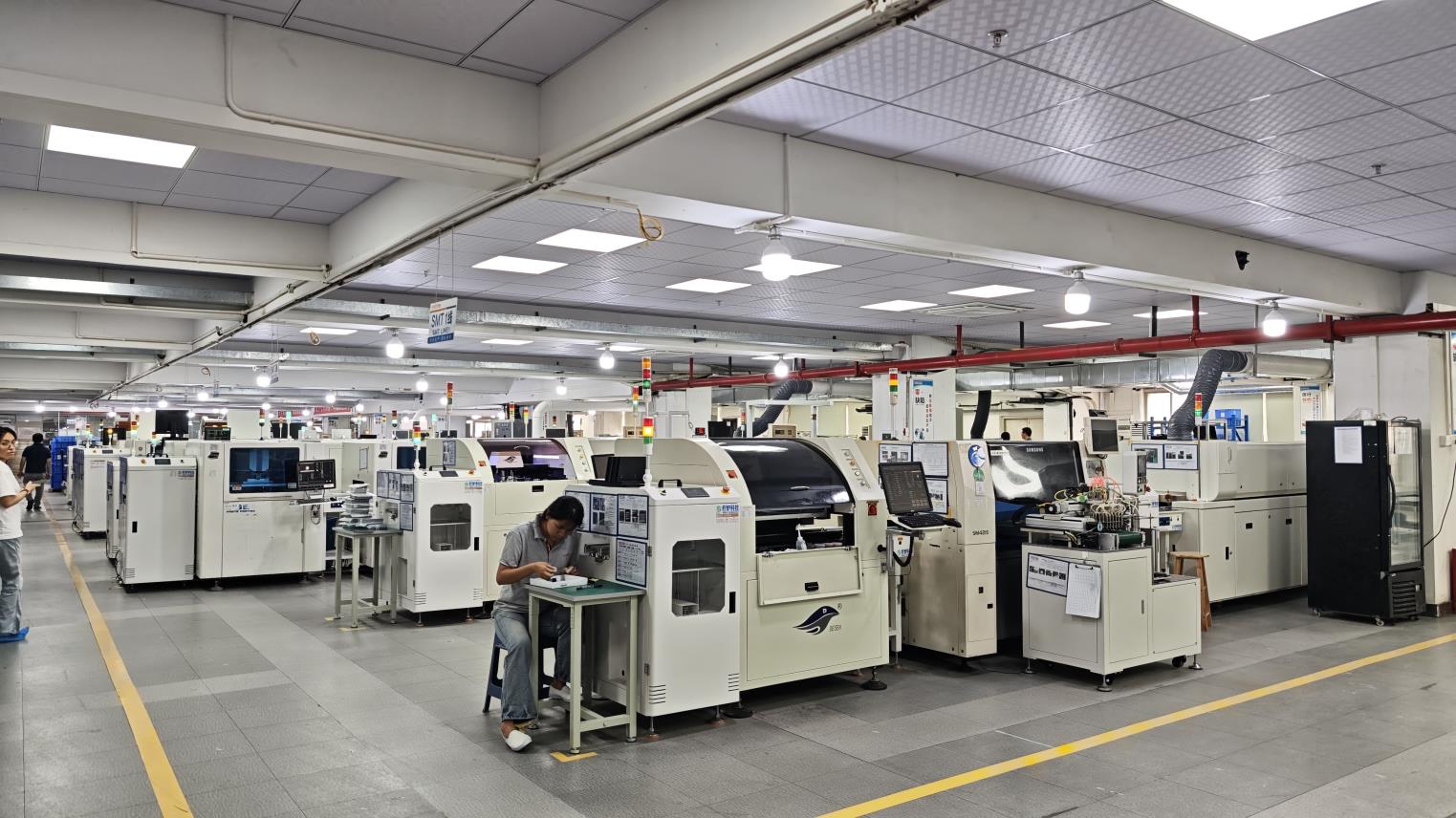
Inside Xiamen ConTech Solar Co., Ltd.'s automated facility. Every step is engineered to meet premium performance standards.
At Xiamen ConTech Solar Co., Ltd., we combine technological innovation, reliable manufacturing, and strict quality control to deliver high-performing solar products. Our modern production lines feature automated SMT assembly, automated laser scribing, multi-step electroluminescence testing, and rigorous environmental stress chamber testing. This comprehensive manufacturing control guarantees long-term durability and resistance to PID (Potential Induced Degradation) and harsh climates.
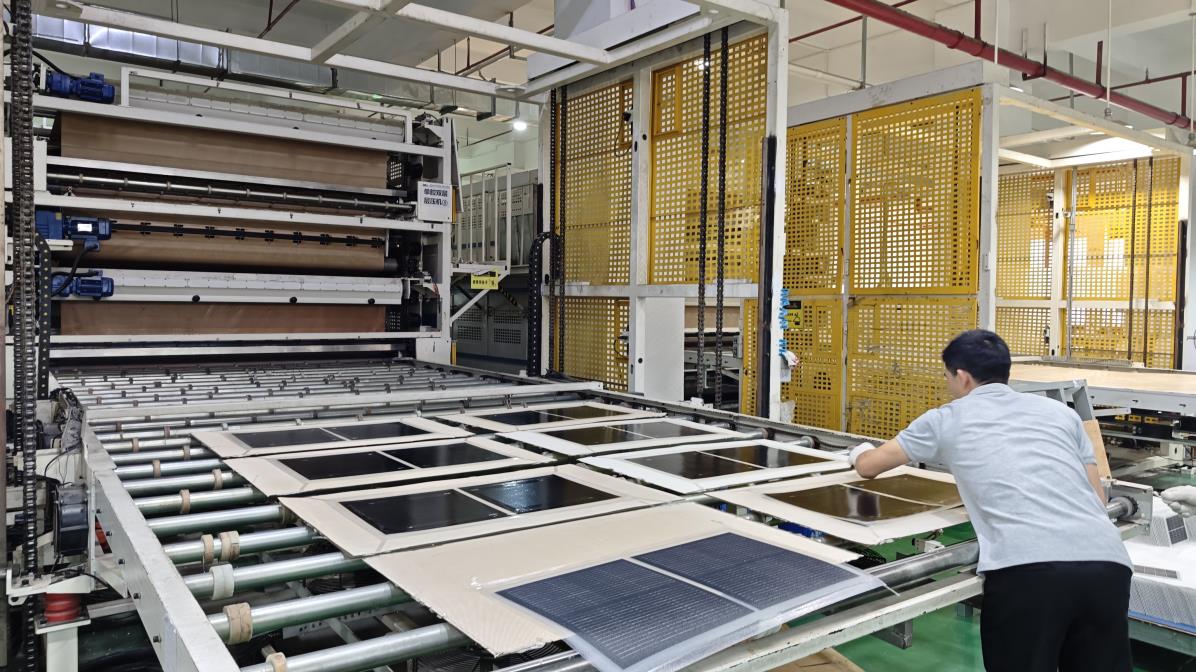
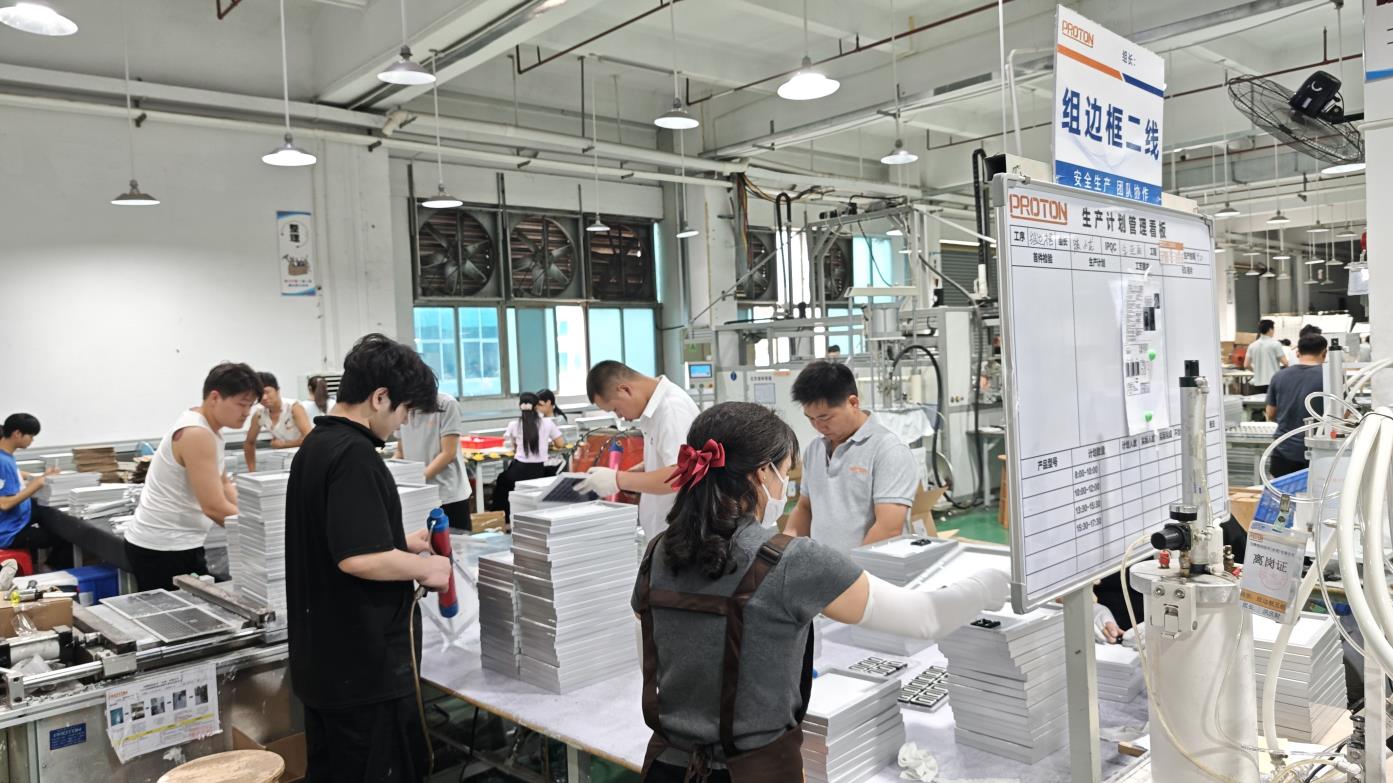
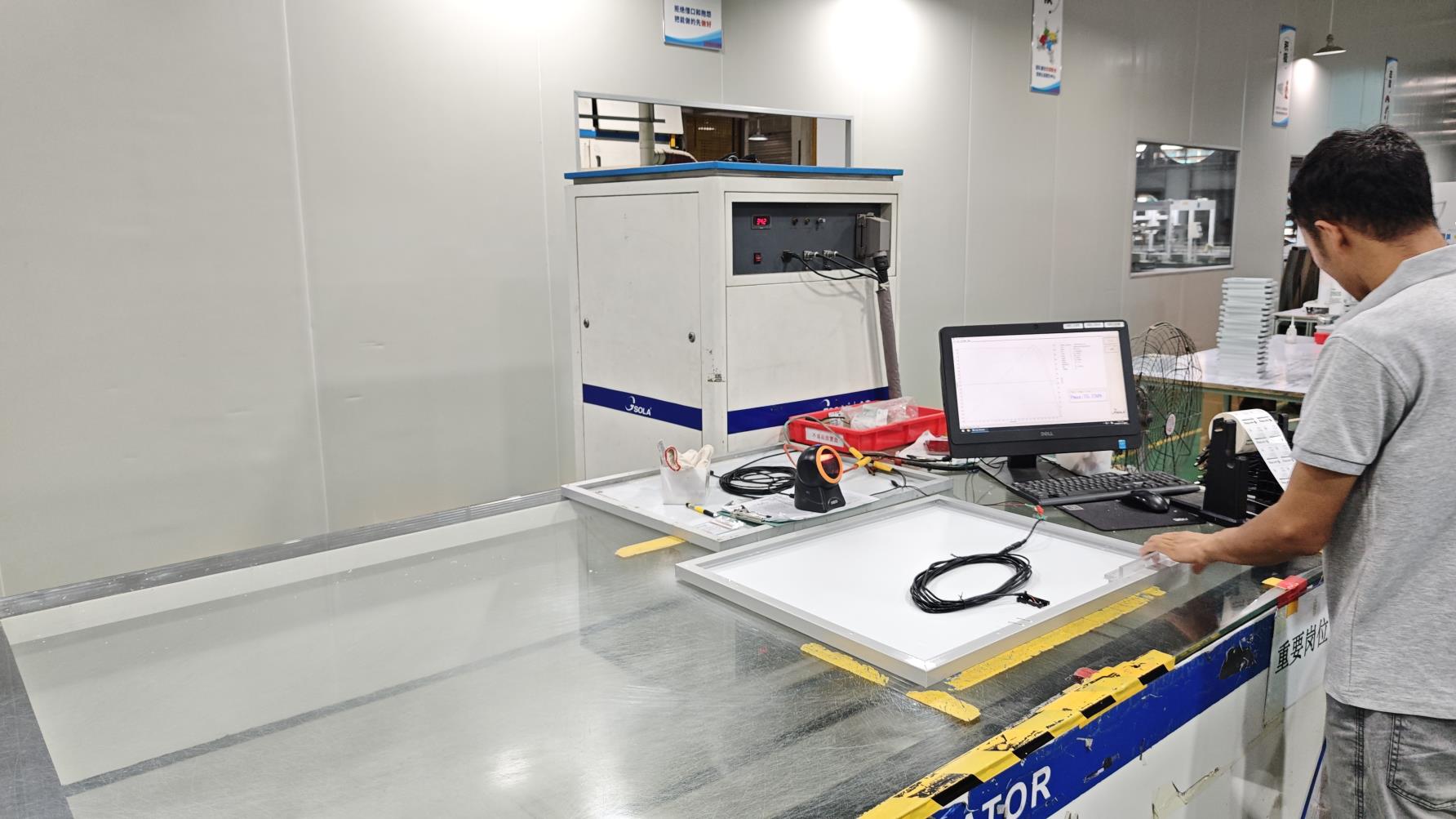
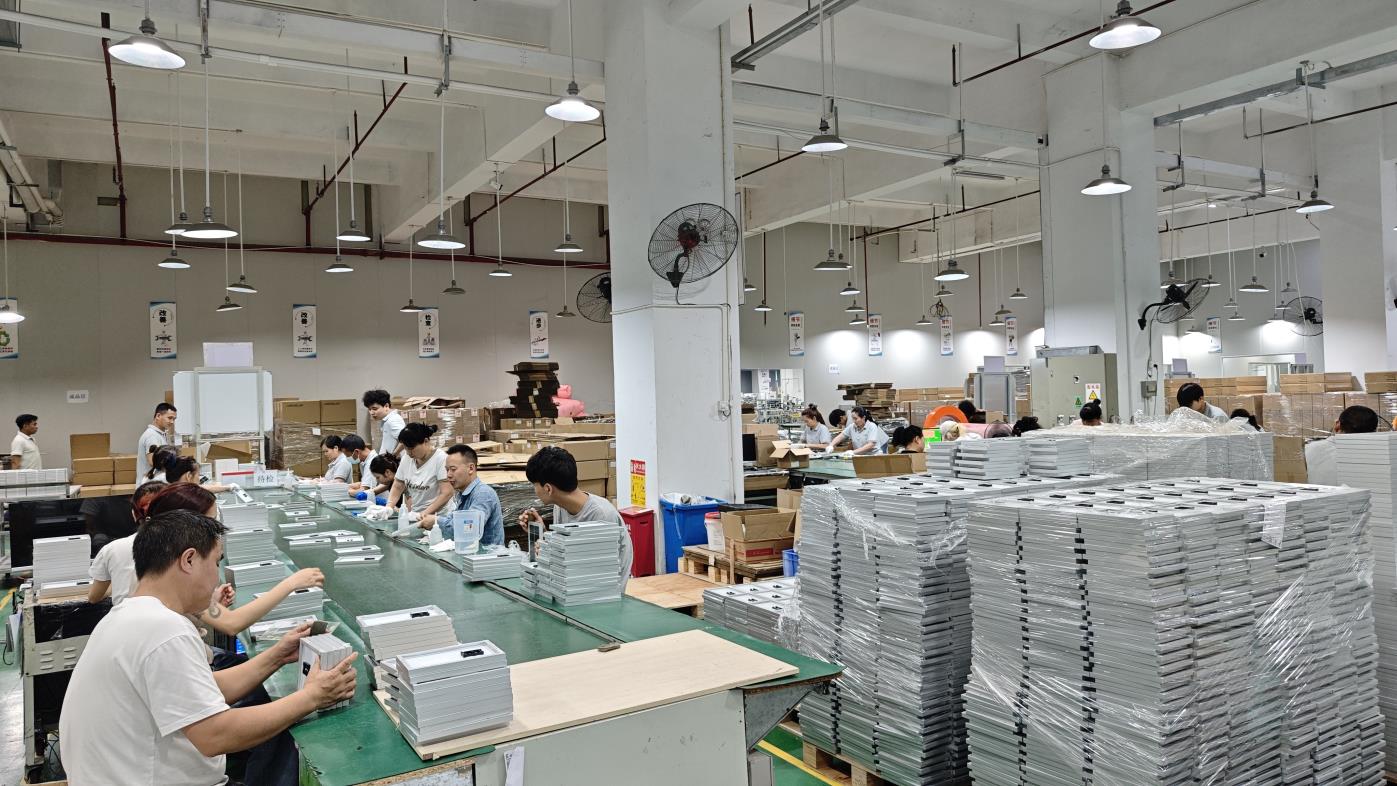
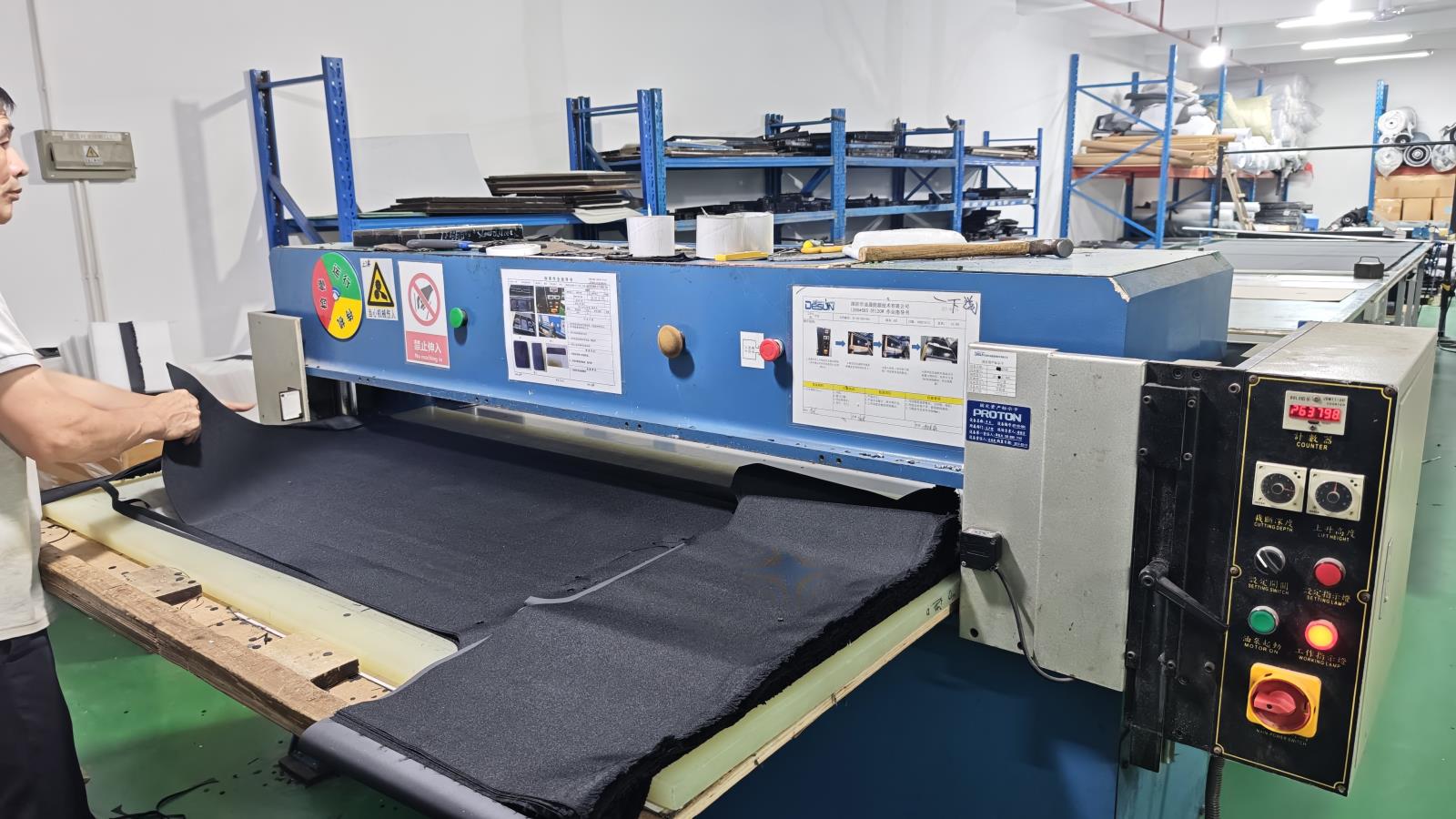
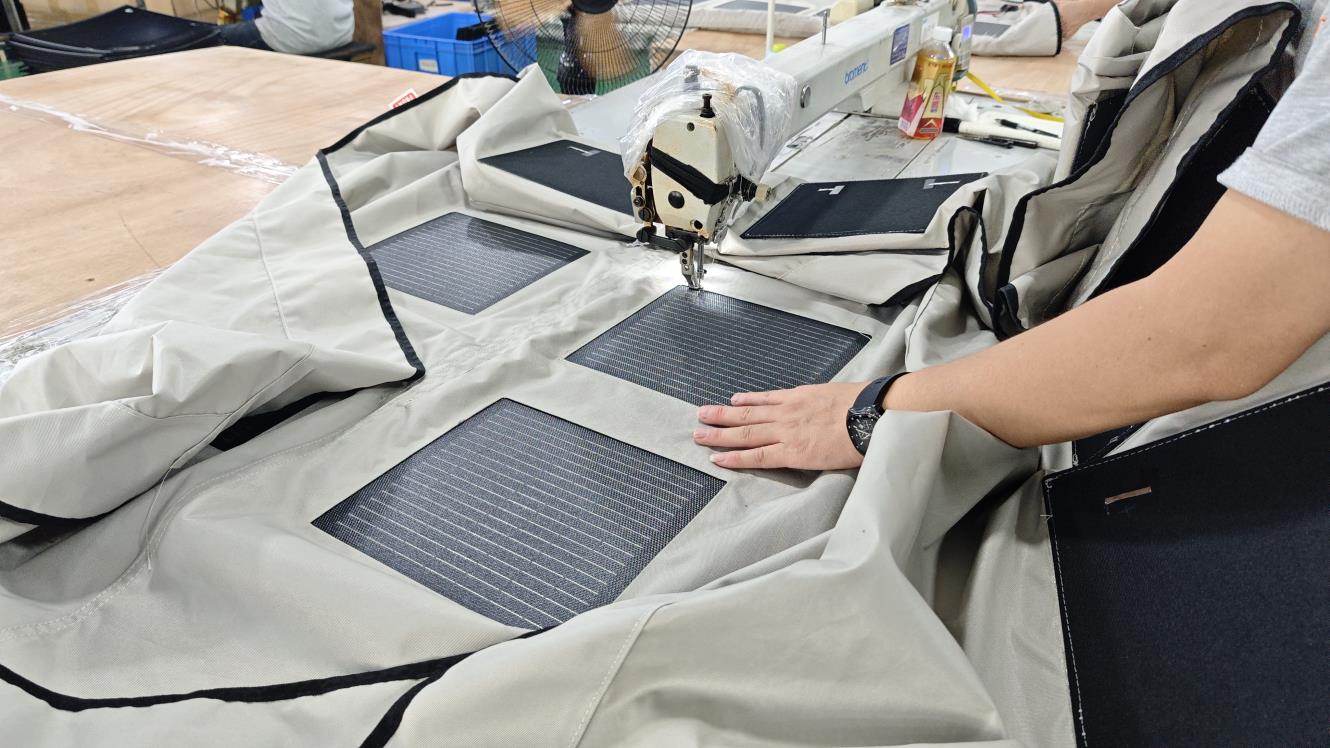
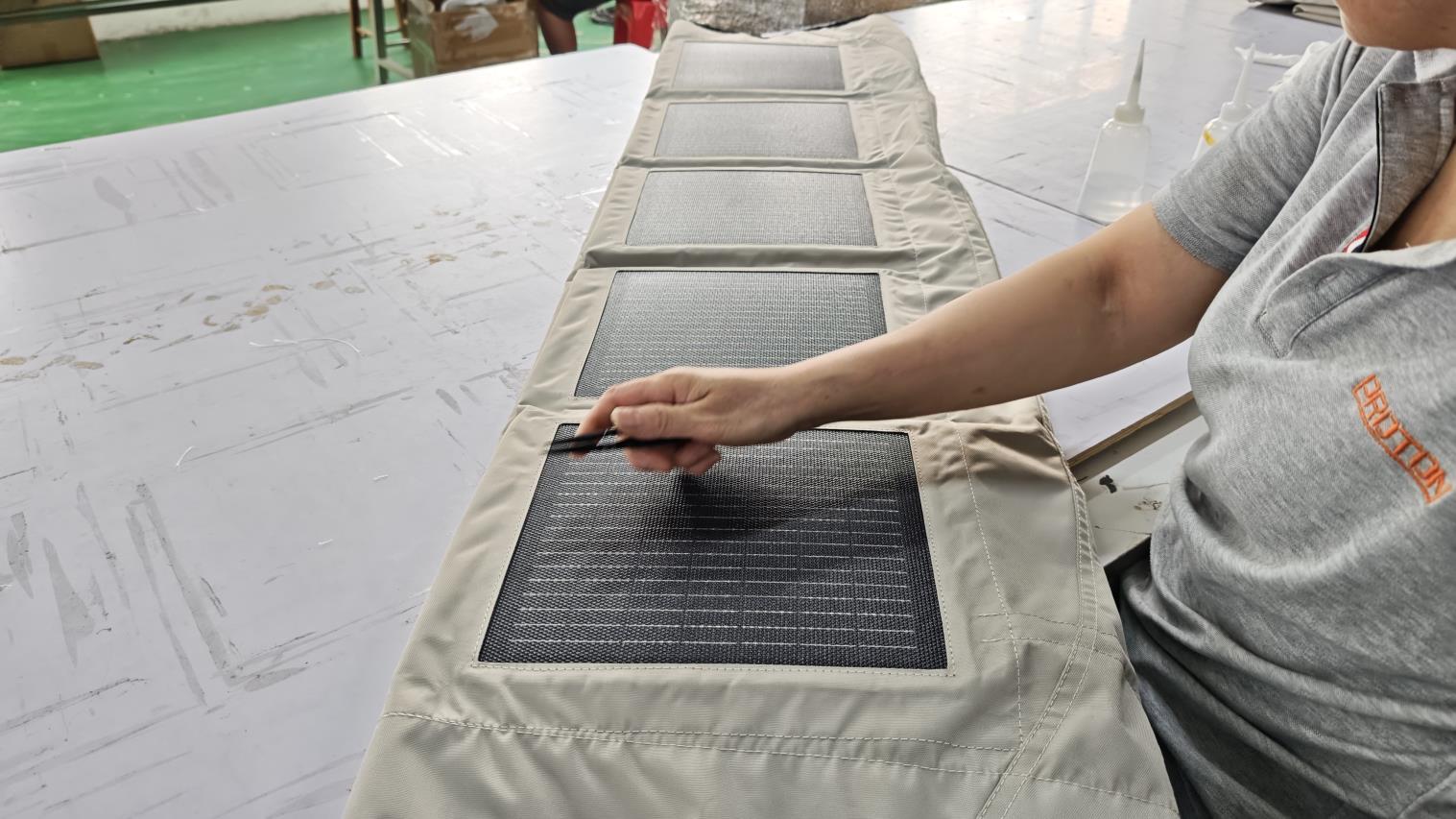
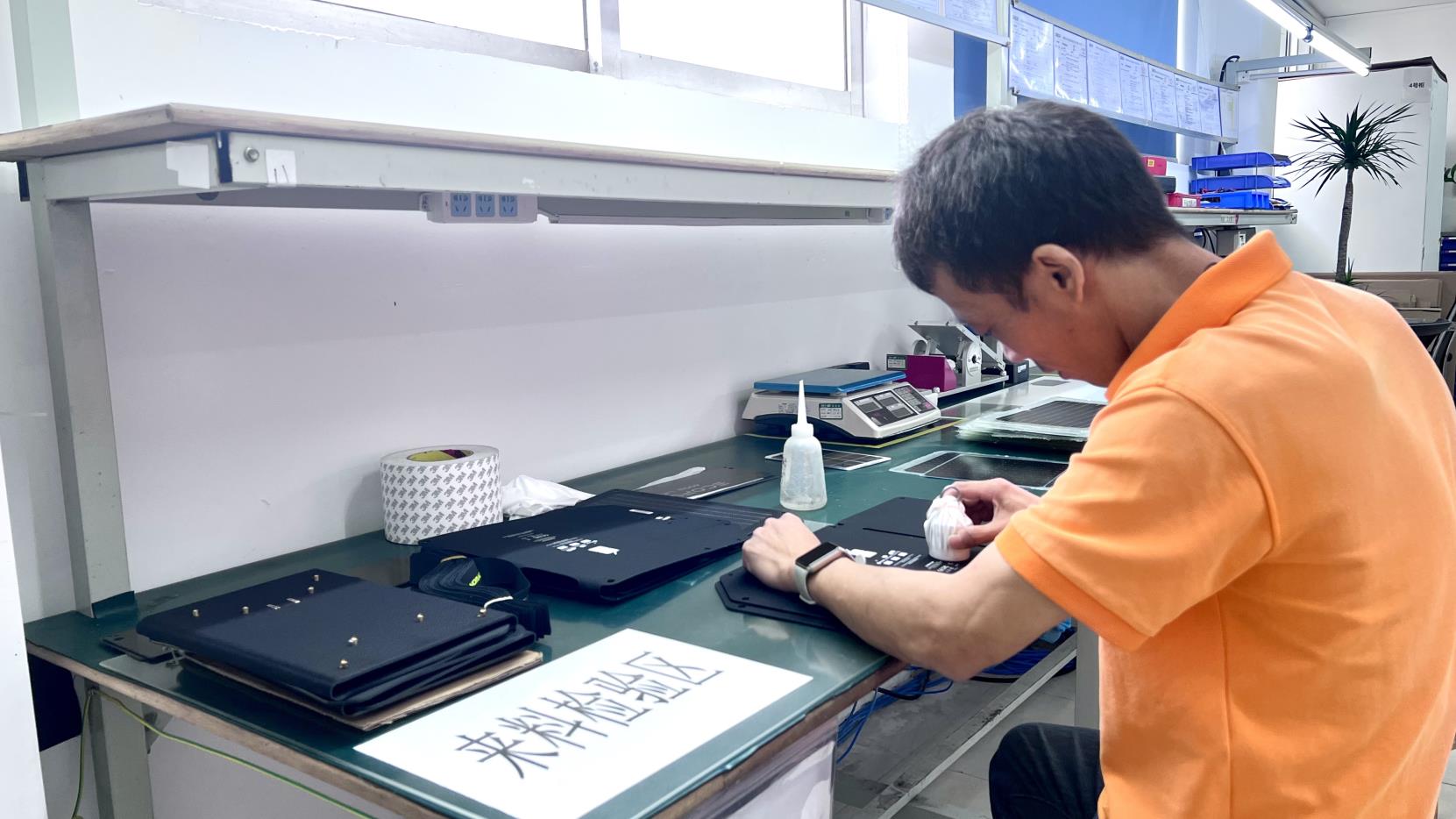
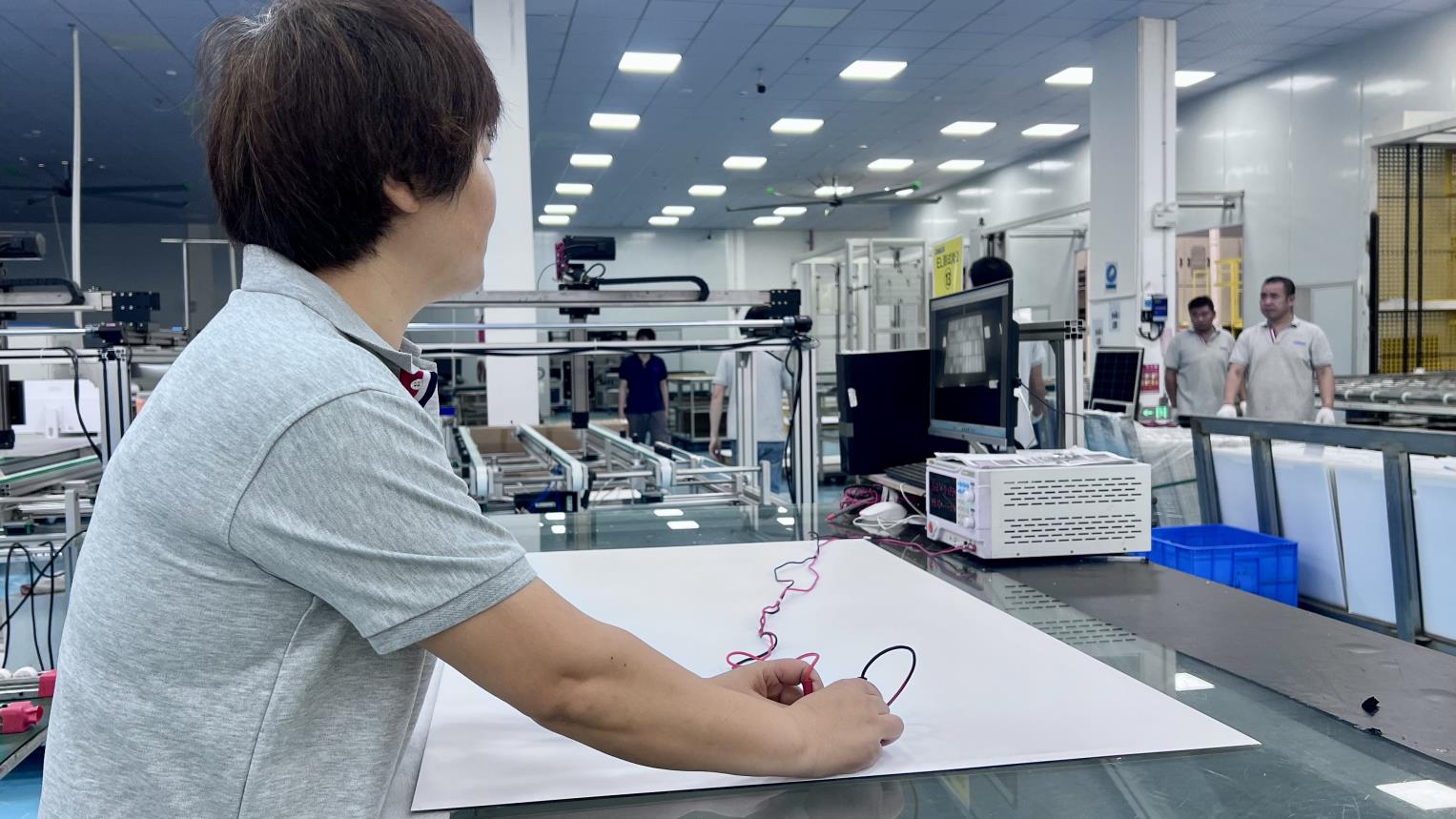
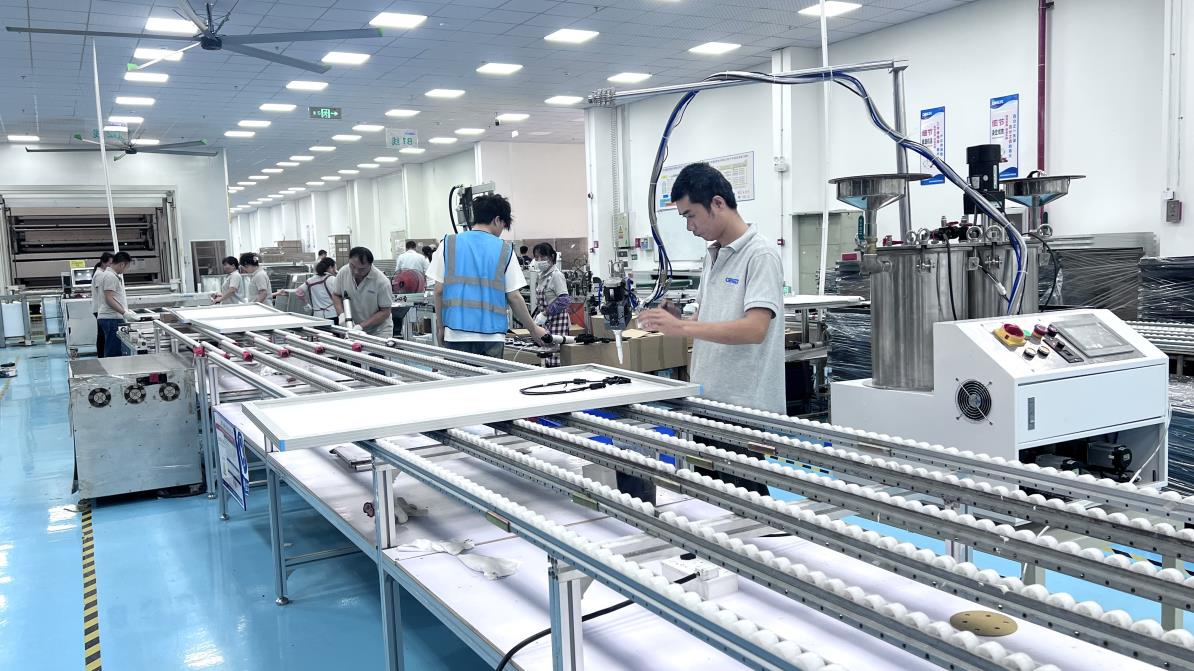
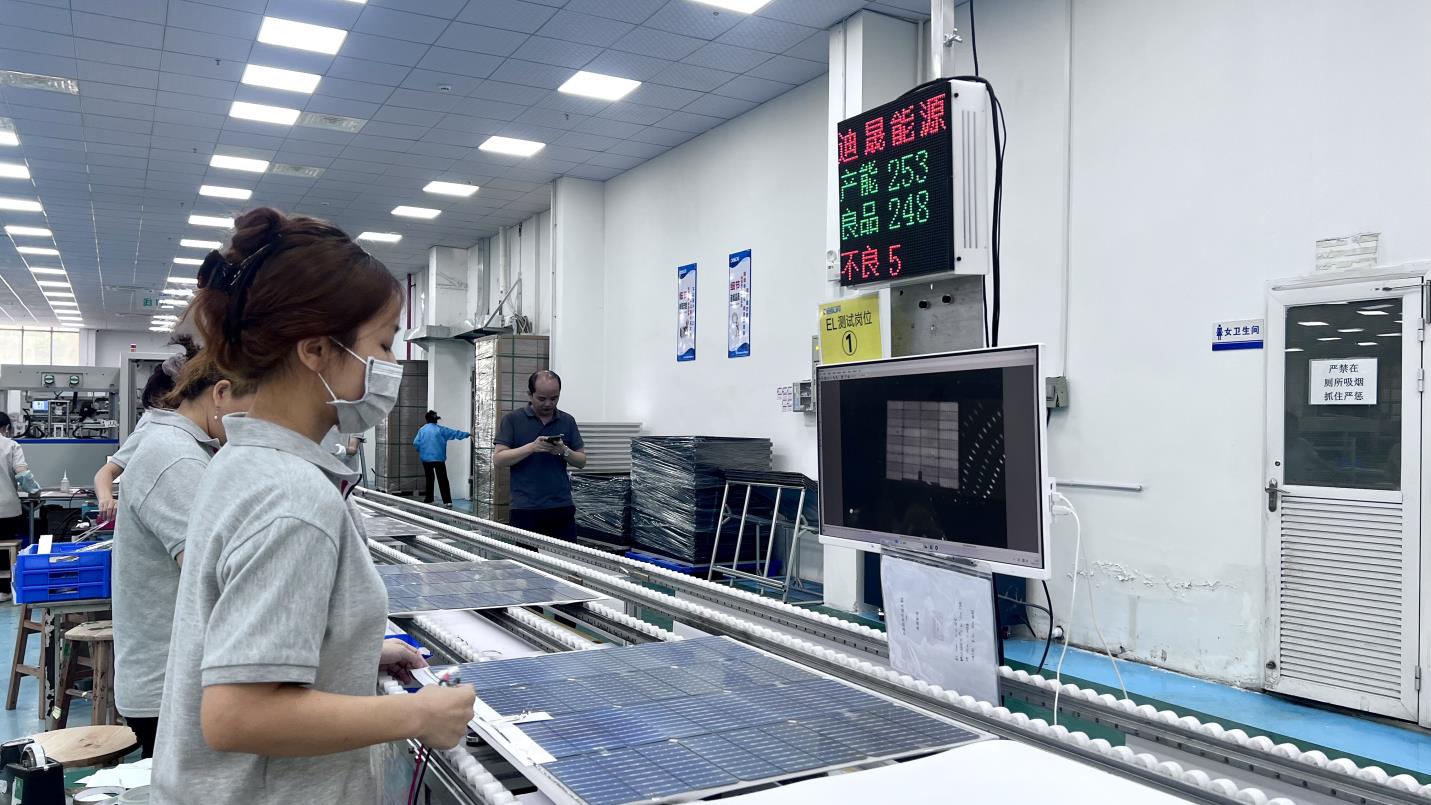
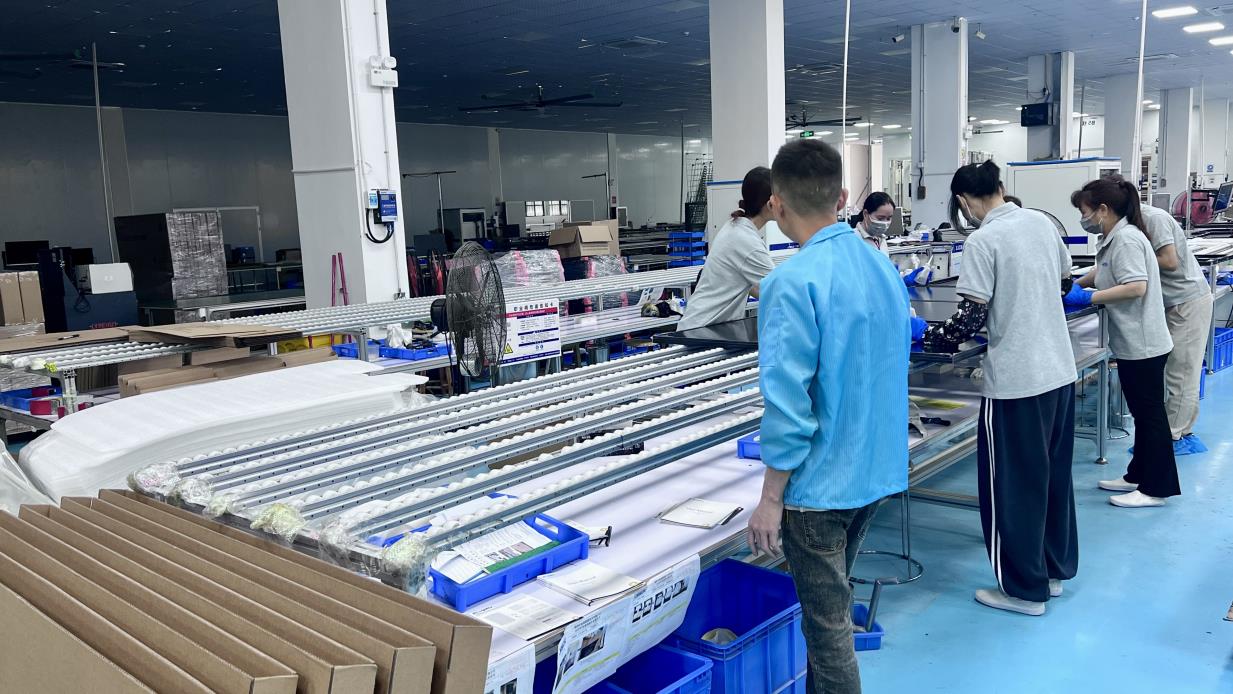
Optimized configurations that maximize output and reliability in Southern California's commercial sectors.
Industrial warehousing and distribution spaces throughout the Los Angeles metro region, particularly around Vernon, City of Industry, and Commerce, require substantial, reliable electrical inputs. Incorporating multi-megawatt on-grid solar configurations utilizing high-efficiency panels helps mitigate immense daytime operational costs from refrigeration systems. By matching high-efficiency solar modules with high-voltage storage solutions, facility managers can optimize peak shaving strategies during SCE/LADWP Peak TOU periods, shielding operations from volatile energy tariffs.
In high-density commercial areas like Pasadena, Glendale, and Santa Monica, real estate investment trusts (REITs) use roof space to meet strict municipal building mandates, such as California Title 24. Standard microinverter or optimzed grid-tied systems from ConTech Solar provide maximum design flexibility and safety. These systems are fully ready for rapid-shutdown protocols, ensuring local safety compliance while maintaining clean, modern architectural aesthetics.
In regions susceptible to seasonal grid congestion, public safety power shutoffs (PSPS), and extreme heat waves, localized hybrid energy storage systems act as critical microgrids. High-capacity battery arrays store excess solar output during the day, maintaining operational uptime for essential machinery, data systems, and ventilation infrastructure during grid outages. These advanced microgrids help LA businesses remain resilient through complex utility transitions and climate events.
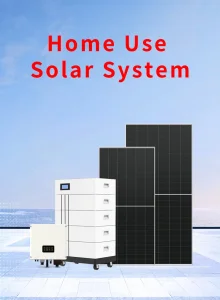
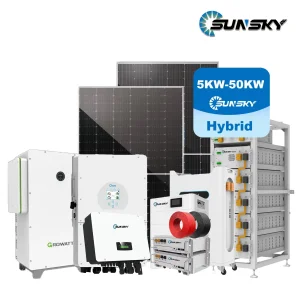
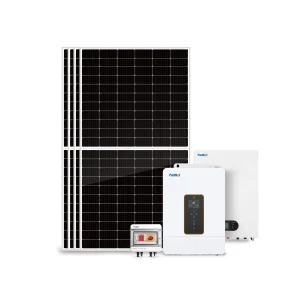
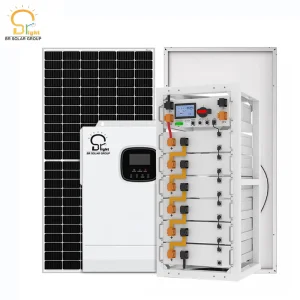
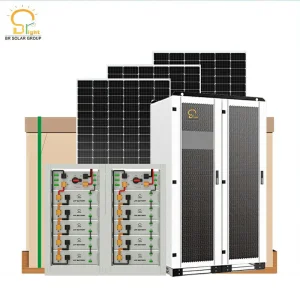
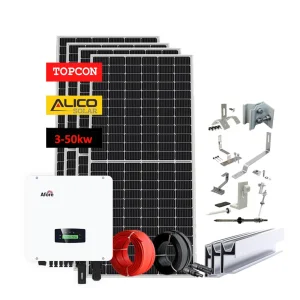
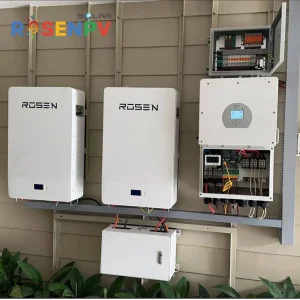
Factory-direct systems engineered with premium grade hardware, smart control interfaces, and international certificates.
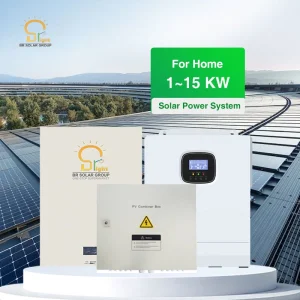
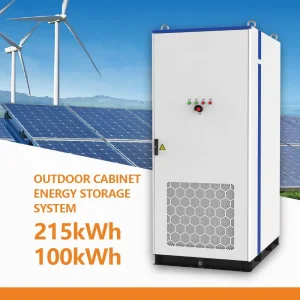
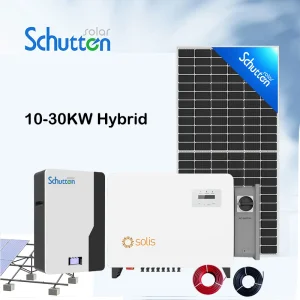
Technical responses, structural insights, and logistics answers direct from our engineering team.
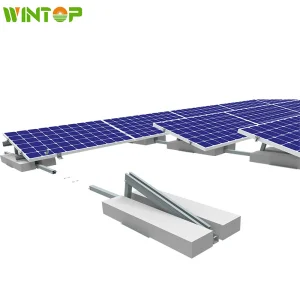
Our solar mounting and racking solutions, including our specialized ballasted inclined systems, are engineered and structurally tested to meet the high wind load demands and seismic risk regulations of Southern California. We utilize high-strength, marine-grade anodized aluminum (AL6005-T5) and hot-dip galvanized steel (HDG). These choices guarantee long-term protection against corrosion while complying with both the California Building Code (CBC) and local ASCE wind tunnel requirements.
Yes. Our commercial scale supply chains include complete partnerships with Tier-1 component manufactures to provide UL 1741 SB and IEEE 1547 compliant systems. This alignment ensures all supplied commercial hardware satisfies California Energy Commission (CEC) specifications, securing fast local utility approval with LADWP and Southern California Edison.
Our standard production lead times range from 15 to 25 days depending on design customization and bulk volume requirements. Sea freight transit times from Xiamen Port directly to the Port of Los Angeles or Port of Long Beach are approximately 16 to 22 days, providing highly predictable procurement cycles for regional distributors and EPC companies.
Every batch undergoes three rounds of rigorous quality testing: incoming quality control (IQC) on raw materials, semi-finished electrical diagnostic testing, and finished product inspection under simulated solar radiance. In addition, all solar panels undergo dual electroluminescence (EL) imaging to eliminate micro-cracks before moisture-proof packaging, ensuring 100% operational hardware arrives at your jobsite.
 ConTech Solar