An industrial whitepaper on Marine Solar Energy Systems, addressing the unique deployment requirements along Moscow's key waterways and B2B procurement strategies with Xiamen ConTech Solar.
As the global shipping and commercial inland water transportation sectors experience massive shifts toward carbon neutrality, Marine-Grade Photovoltaic (PV) technology has emerged as a cornerstone for remote vessel power, instrumentation systems, and auxiliary electrification. Navigating inland waterways in high-latitude zones like Moscow presents a complex suite of engineering challenges. It requires marine solar panels designed not just for high salt-mist resistance, but also for extreme sub-zero thermal cycling, mechanical loads from heavy snow, and low-angle winter sunlight.
This comprehensive technical whitepaper explores the critical intersection of advanced Chinese manufacturing capabilities, spearheaded by Xiamen ConTech Solar Co., Ltd., and the burgeoning demand for highly resilient marine solar solutions designed to serve the strategic municipal, industrial, and recreational shipping sectors of Moscow and the wider Russian Federation.
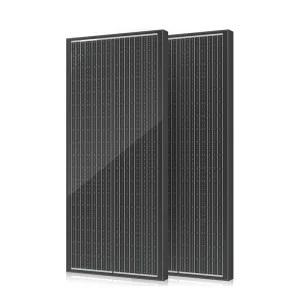
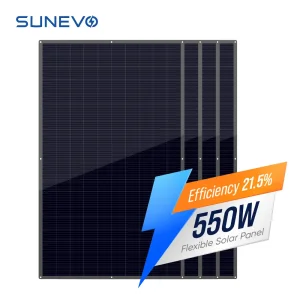
The premium, factory-certified marine PV lineup optimized for high-latitude vessels and municipal inland water facilities.
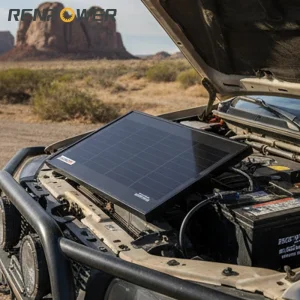
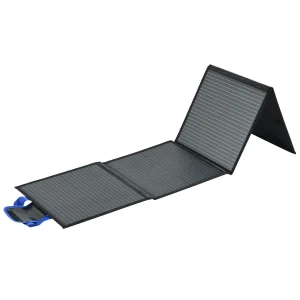
Inland water transport is crucial to the economy of European Russia. The Moscow Canal and the Moskva River handle heavy cargo operations, public river buses, and massive private yachting fleets. However, implementing solar systems in these waters requires understanding the region's climate. With average winter lows plunging to -10°C (and extreme lows down to -30°C), conventional terrestrial panels can experience severe micro-cracking and solder failure due to thermal contraction.
Furthermore, the active shipping season spans from mid-spring to late autumn (April to November). During this period, solar modules must perform in variable weather, from dense summer cloud cover to bright, high-albedo days during late autumn frost. This makes N-Type monocrystalline silicon and shingled cell systems highly attractive. Shingled cells bypass traditional metal busbars with laser-cut conductive adhesives, providing remarkable physical flexibility. This prevents cell cracking when ships smash through light ice or encounter turbulent wakes.
"For commercial fleet operators in Moscow, selecting marine-grade PV arrays is not just about power output. It is a calculated decision on the total cost of ownership (TCO), material elasticity, and reliable operations under zero-visibility winter storage conditions."
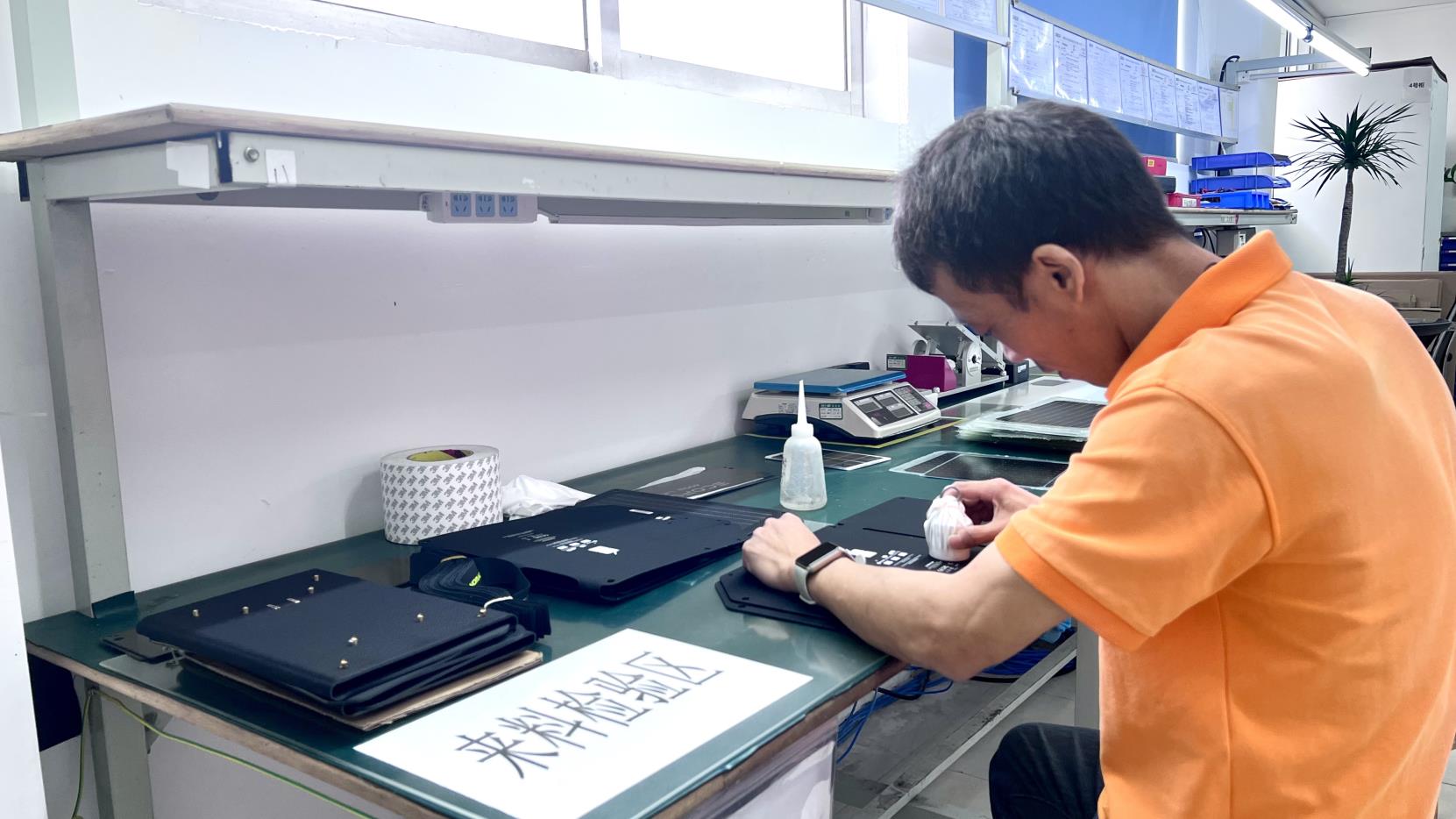
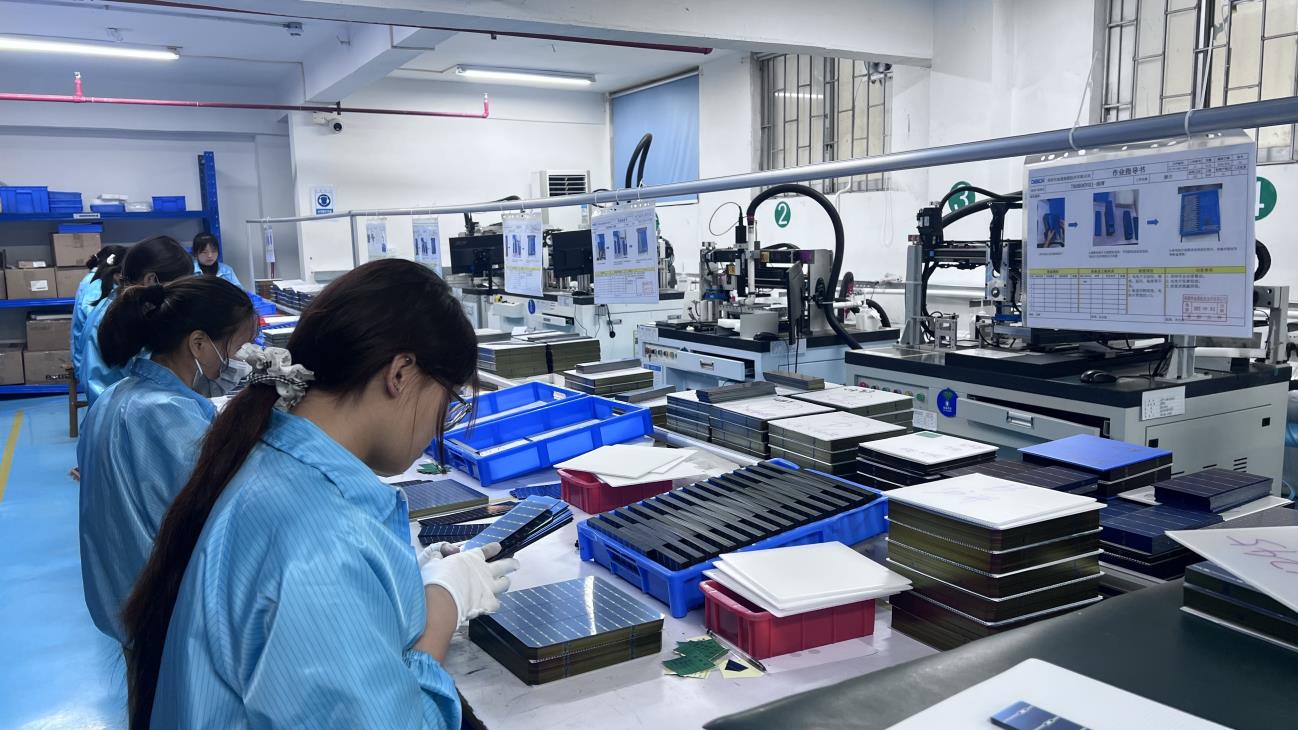
Xiamen ConTech Solar Co., Ltd. sits at the center of the global PV supply chain, offering highly reliable marine solar solutions. In an industry where low-tier components fail within months of marine exposure, ConTech Solar uses a fully vertical manufacturing process. This integration ensures that every module, from raw silicon wafer to final lamination, meets strict international standards.
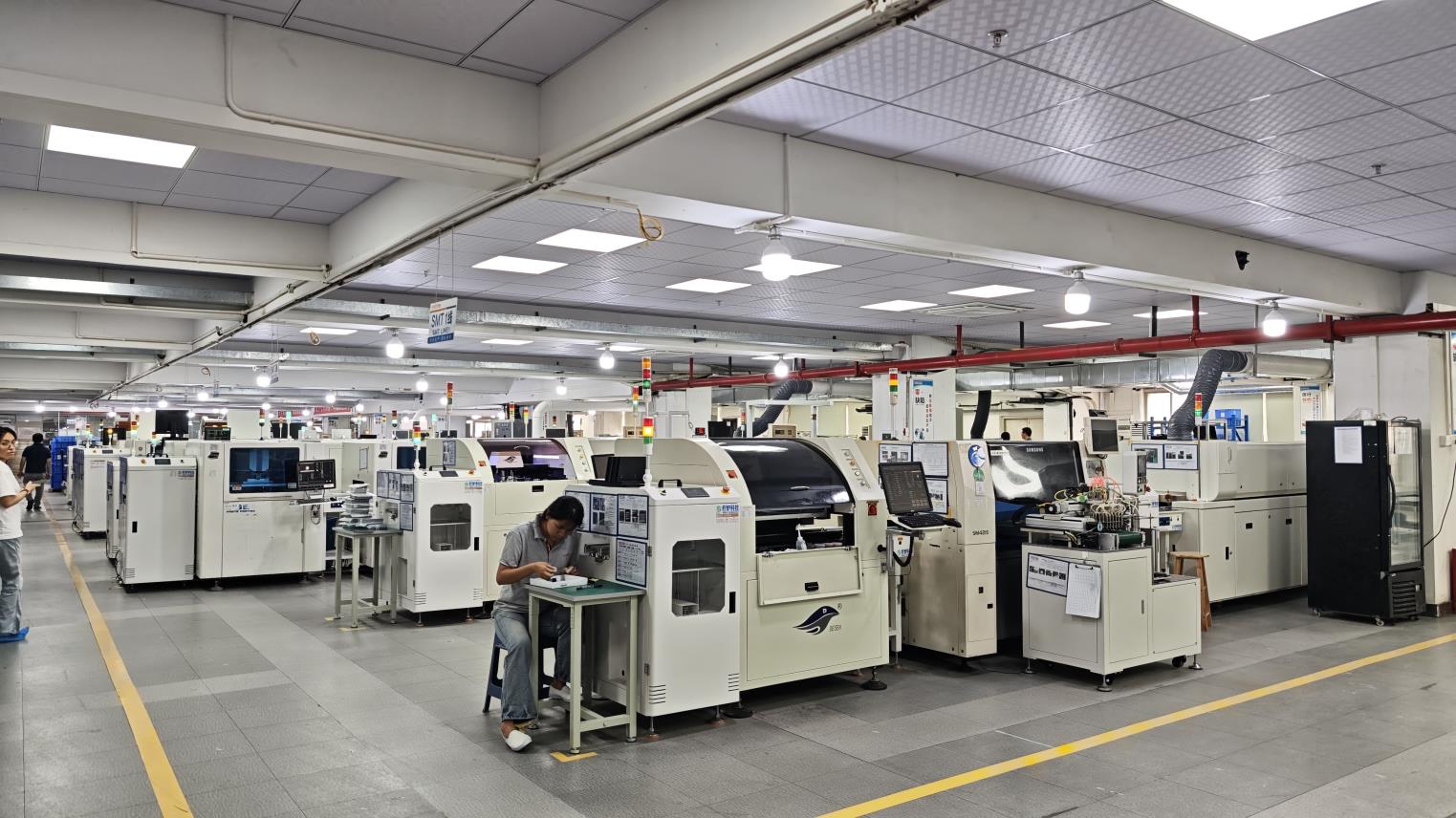
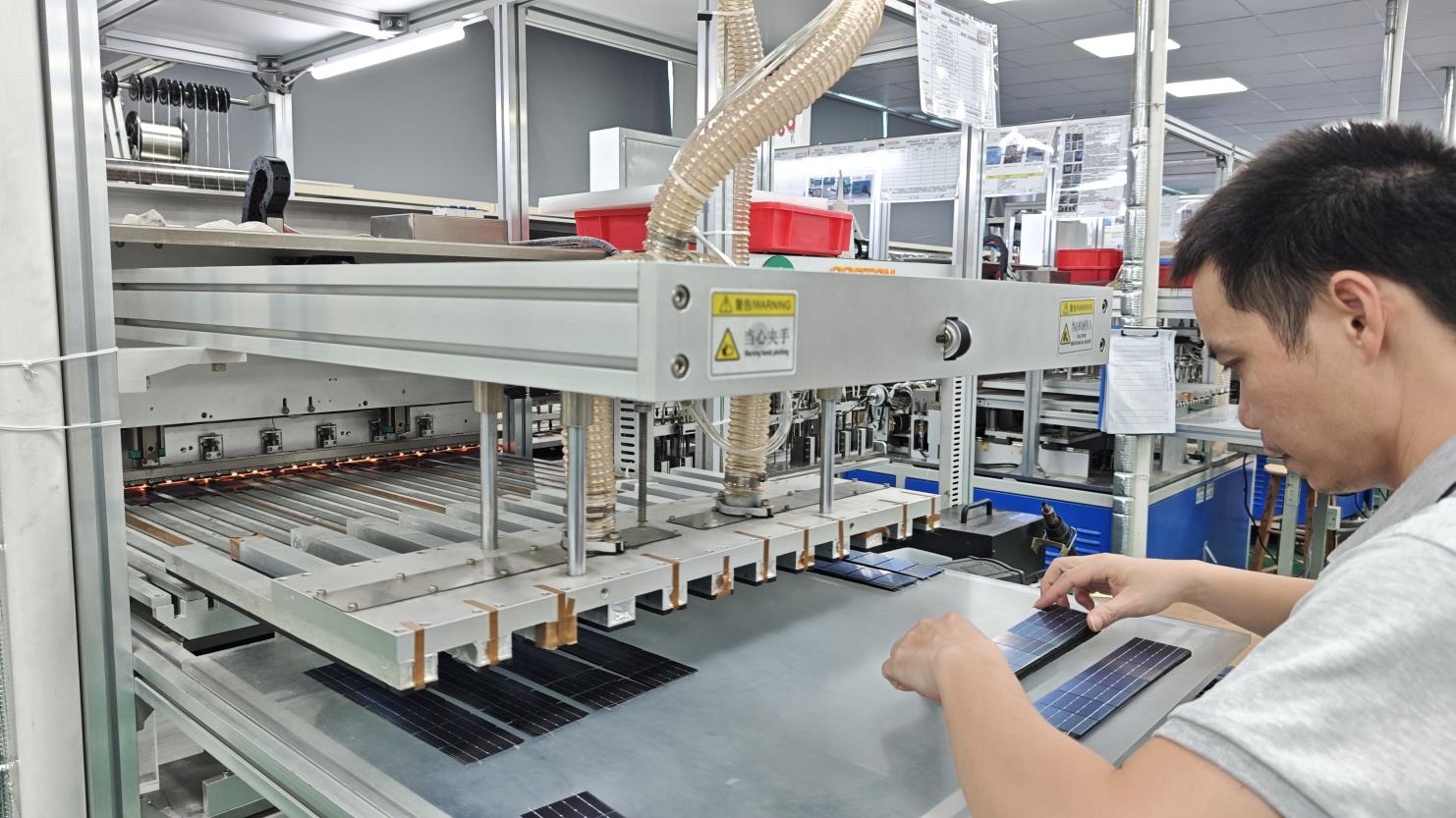
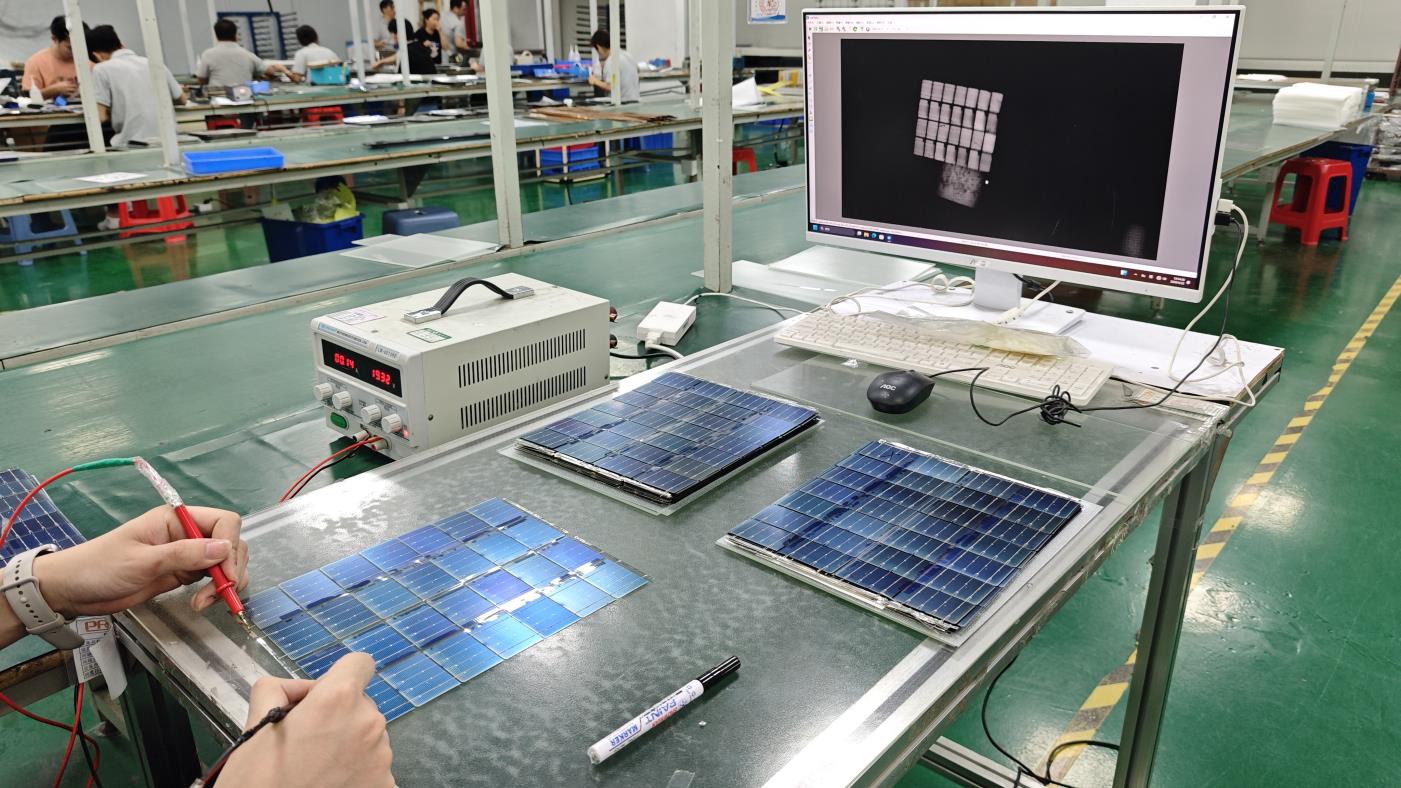
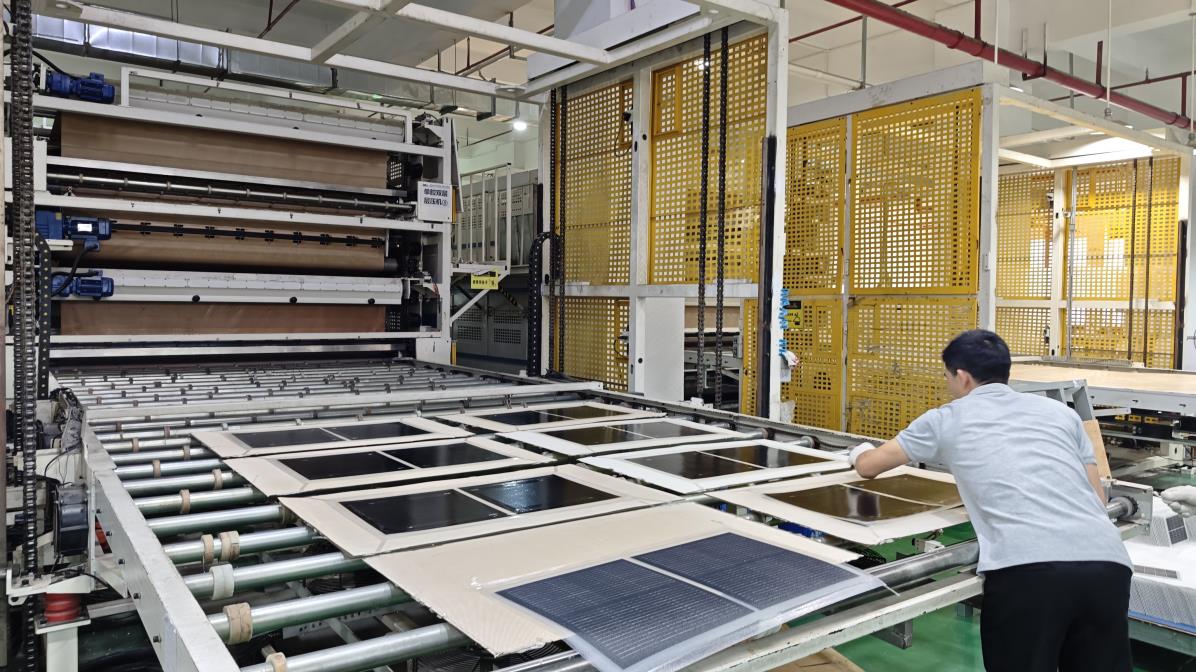
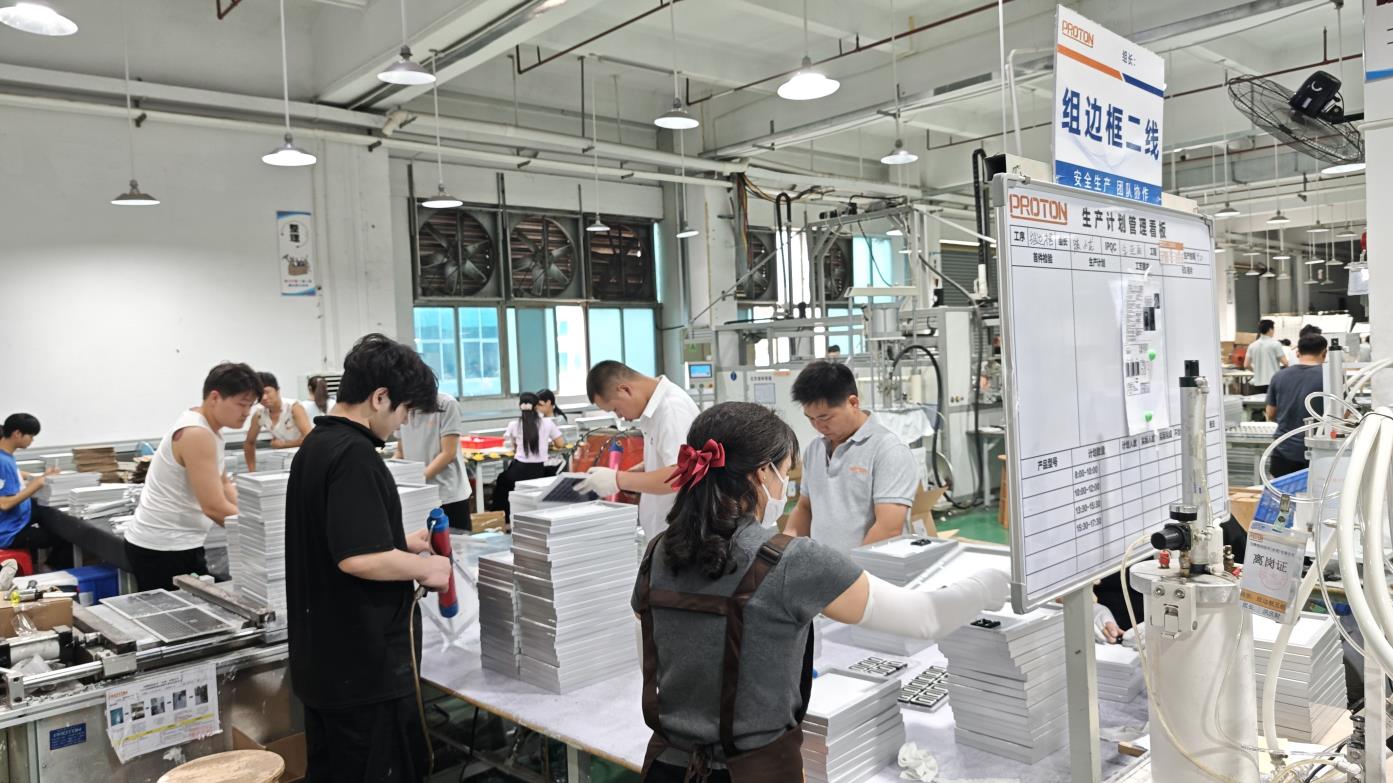
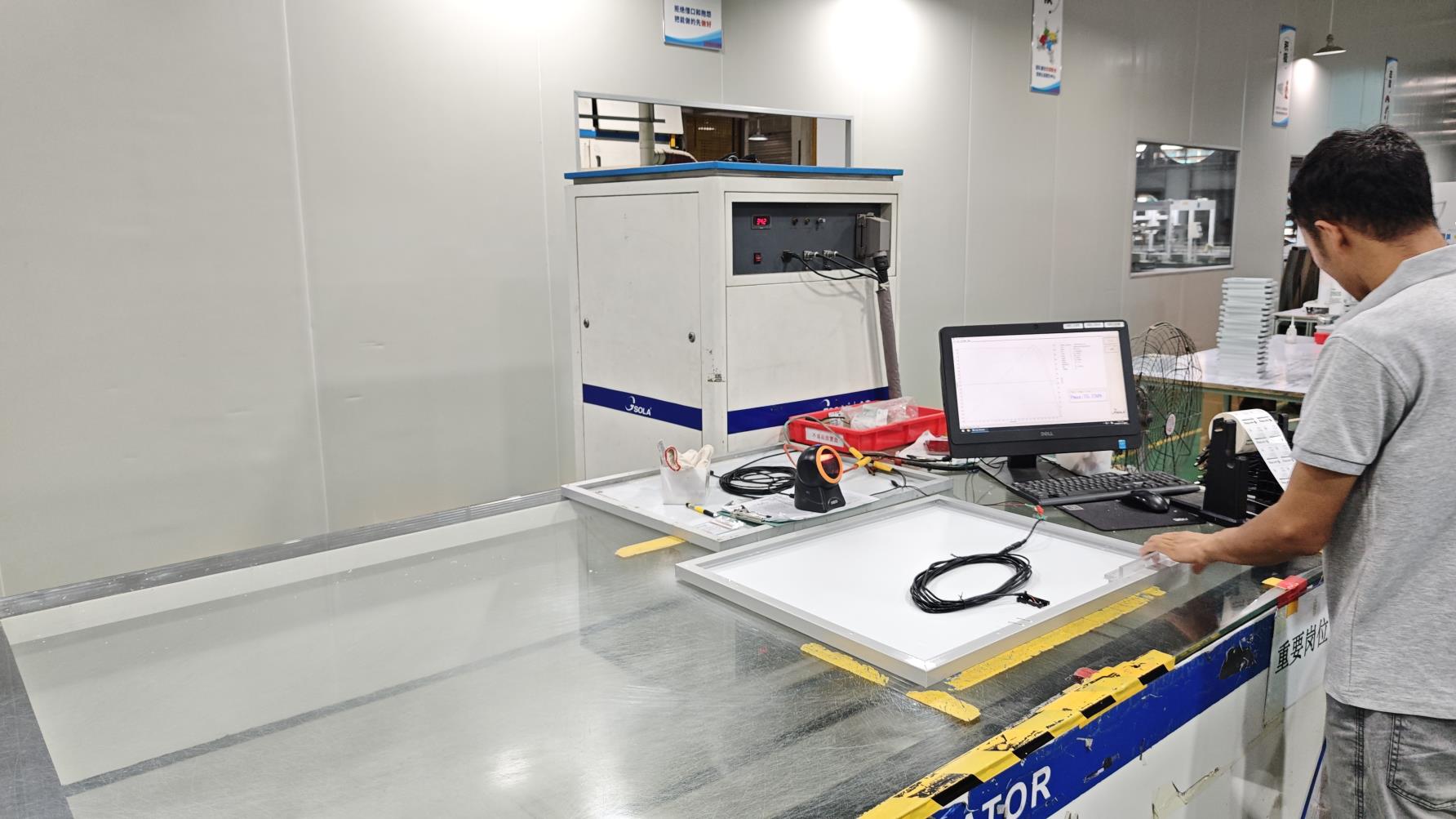
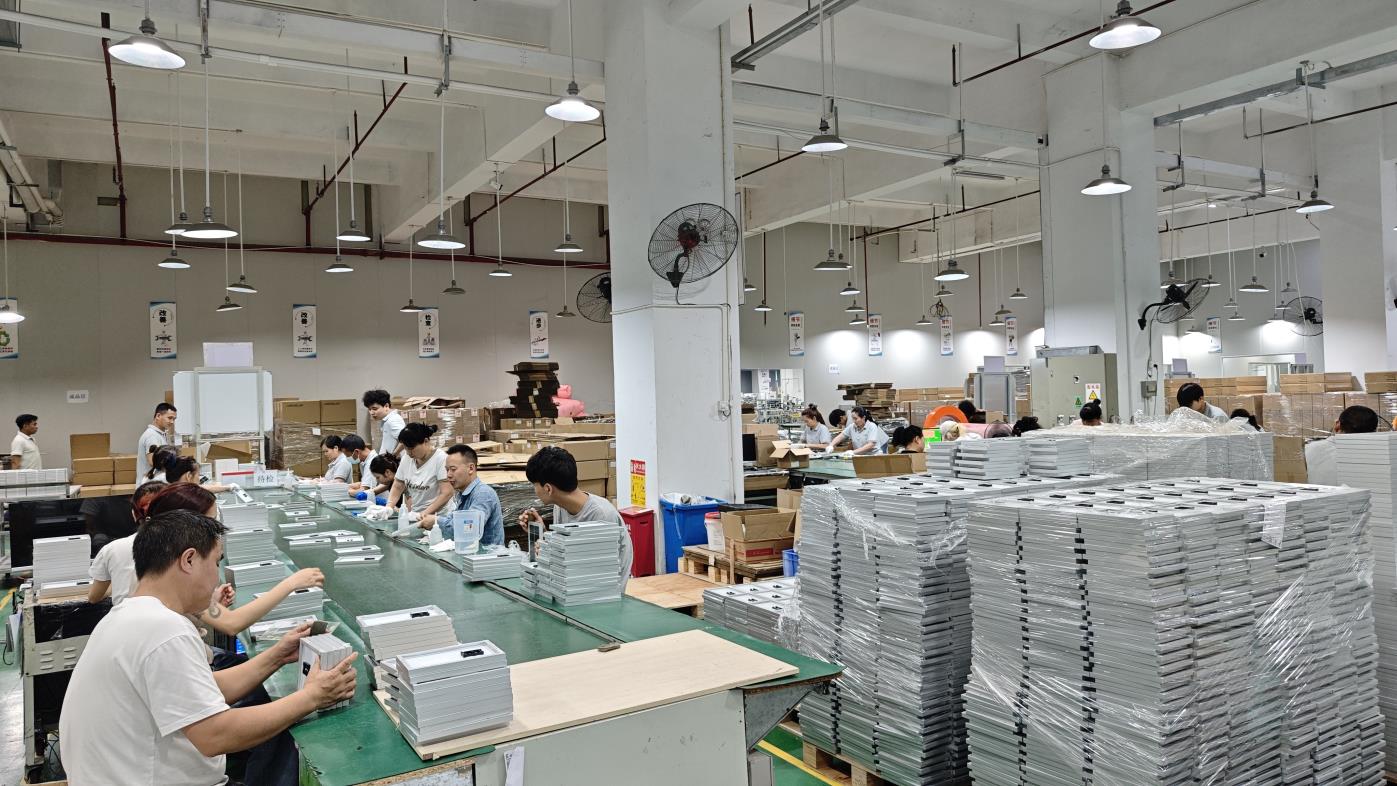
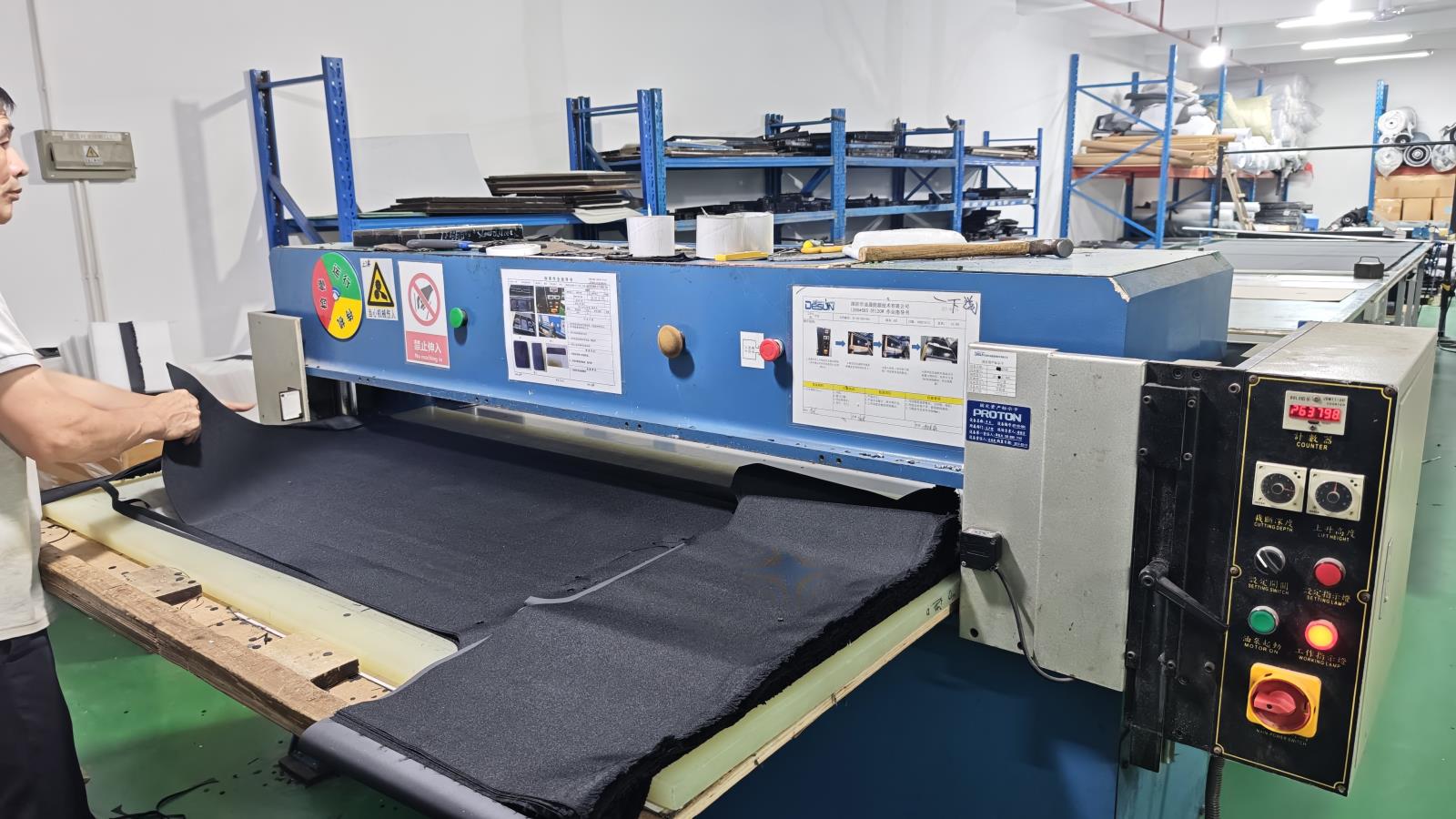
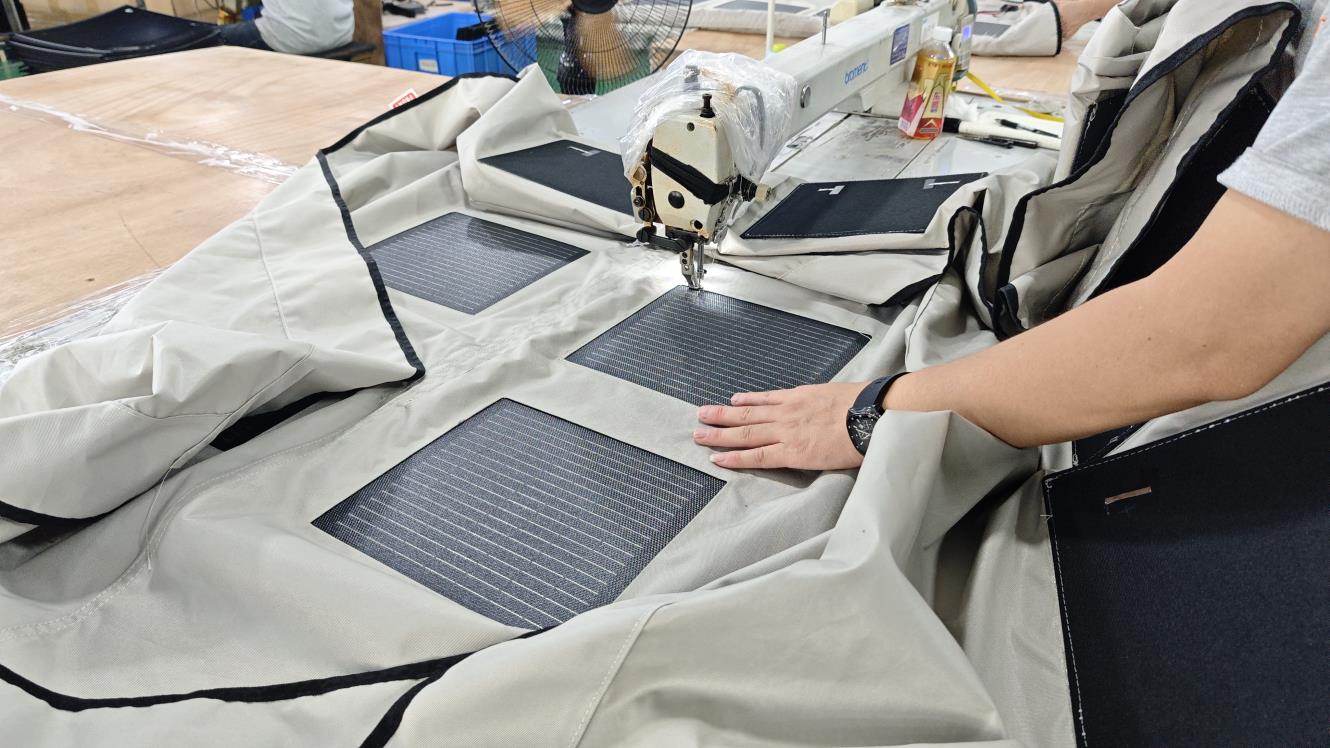
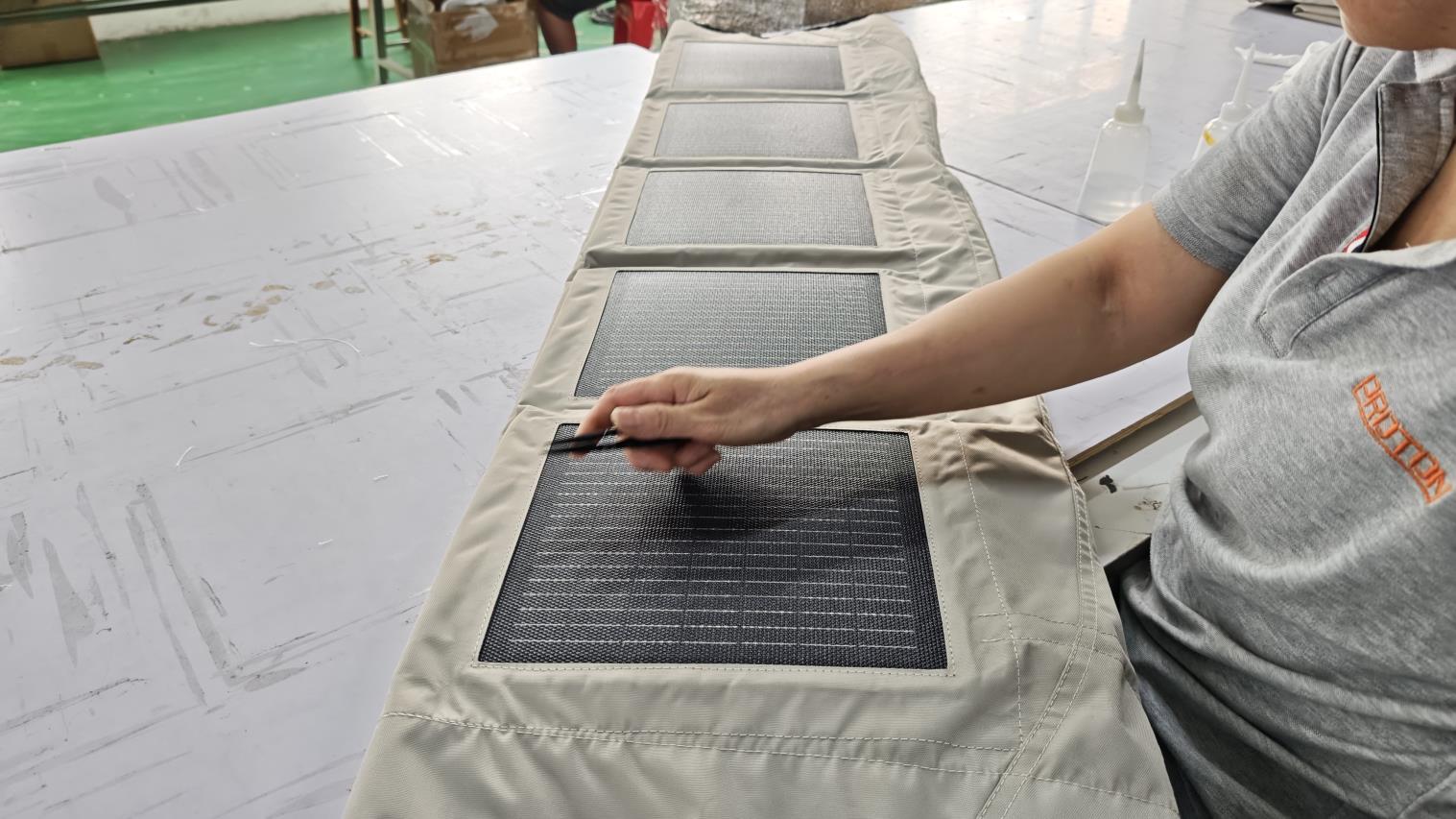
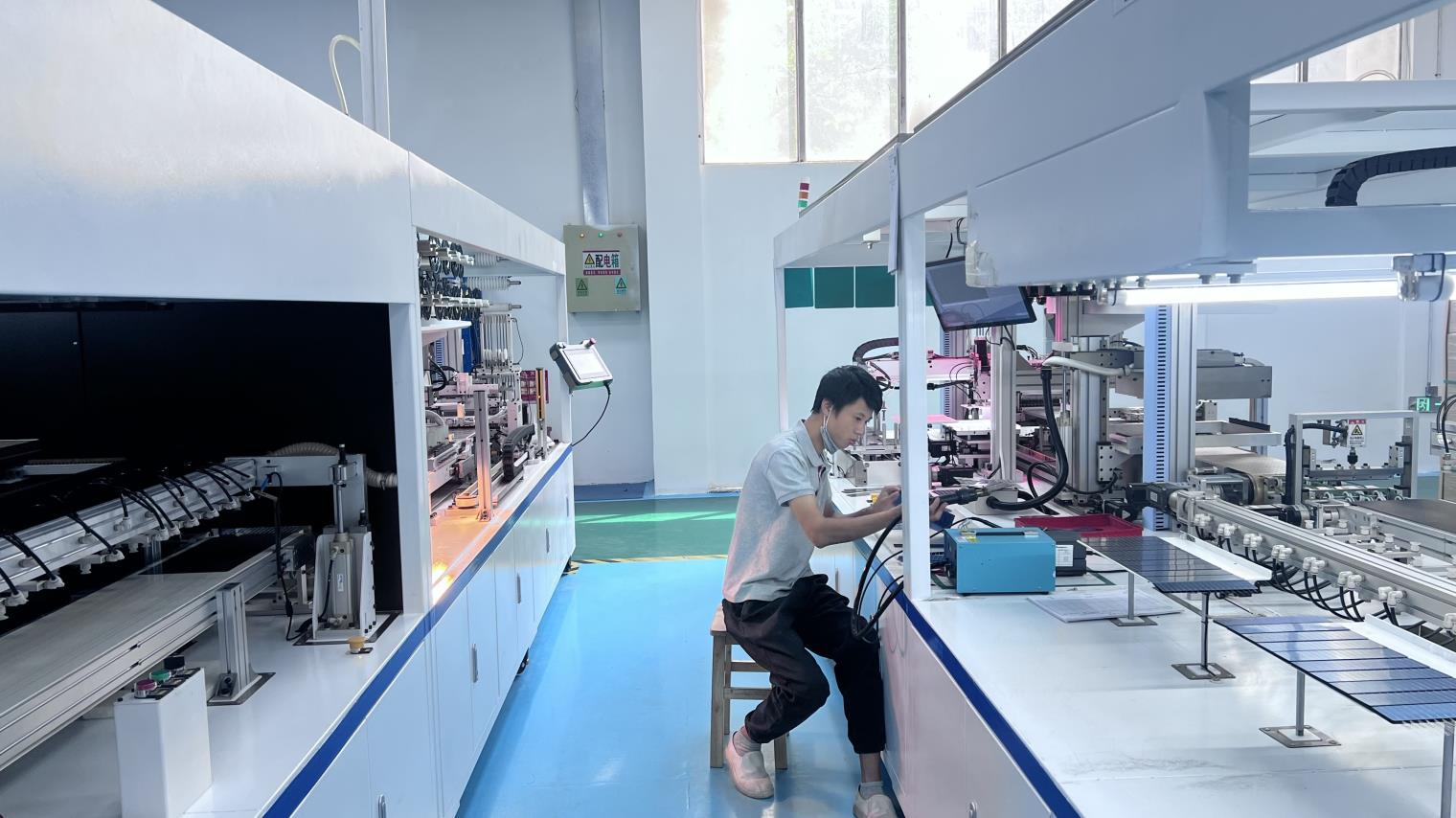
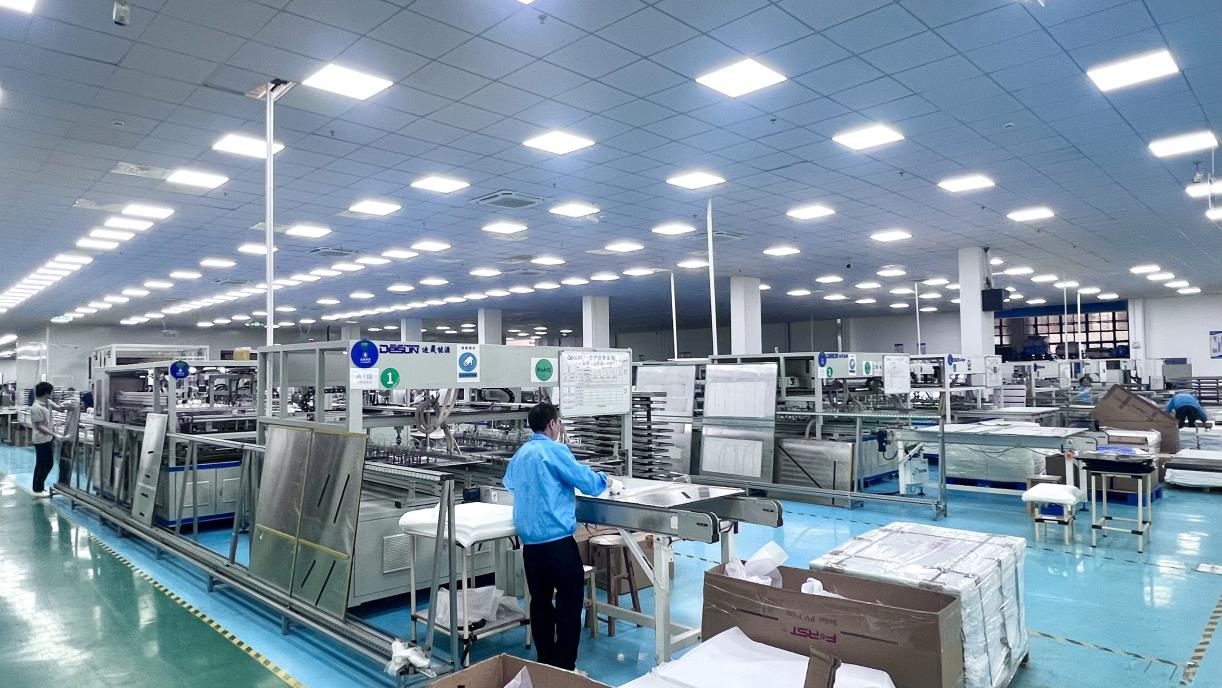
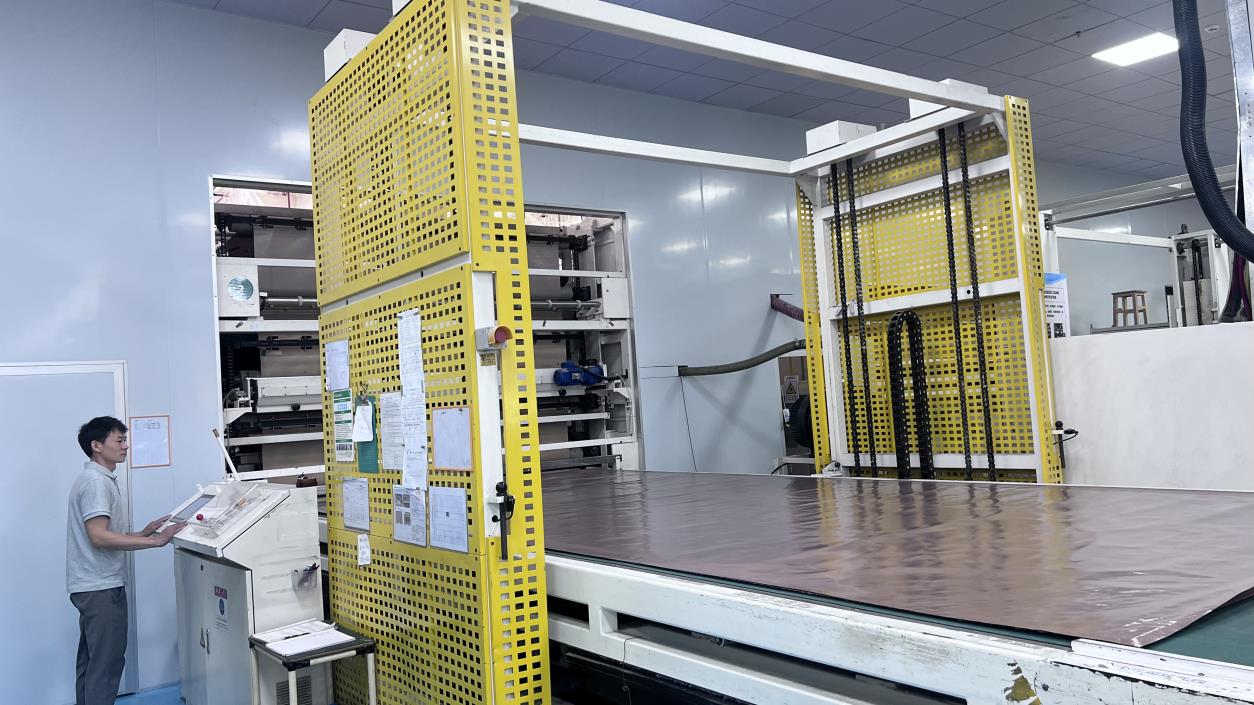
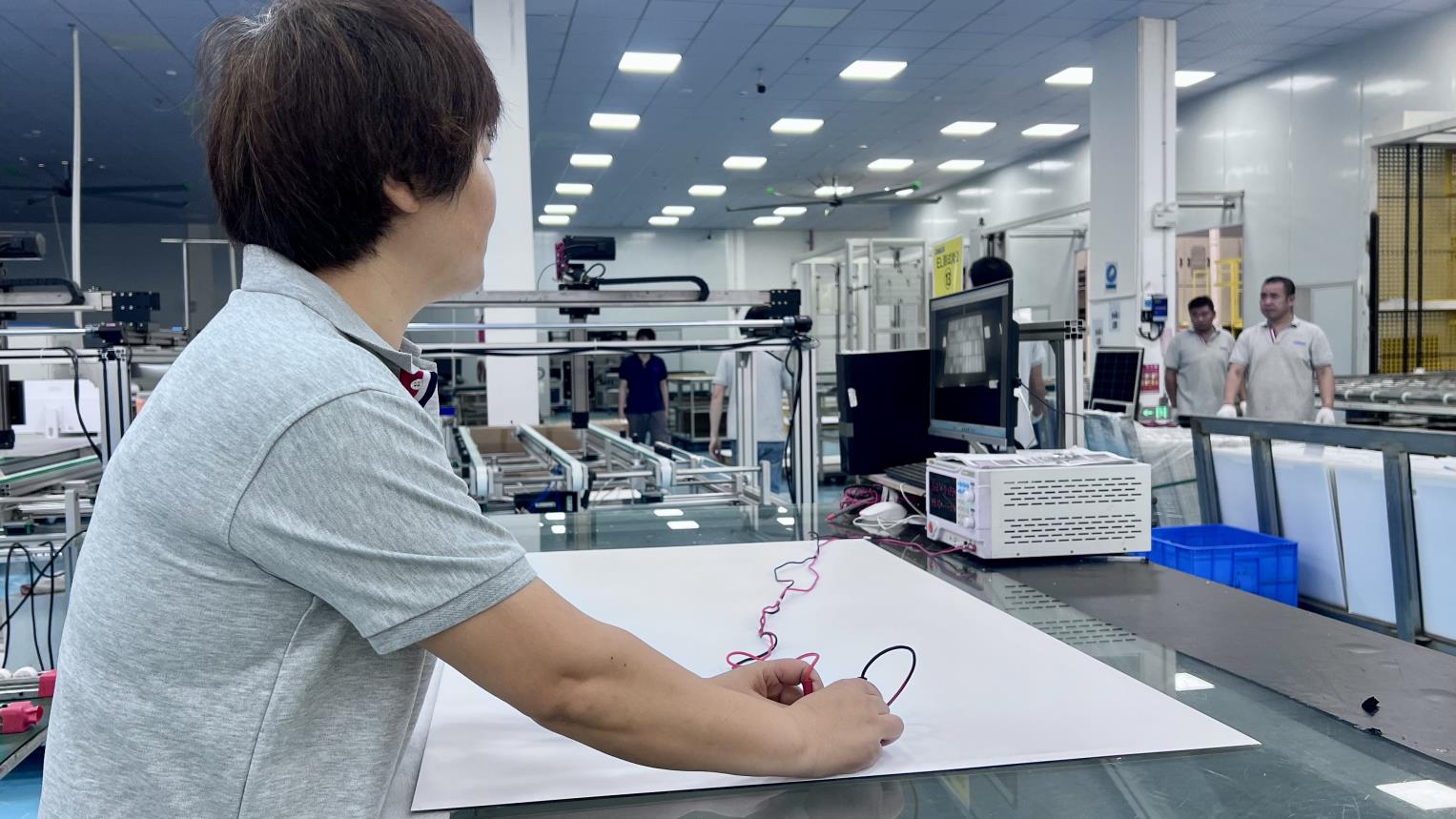
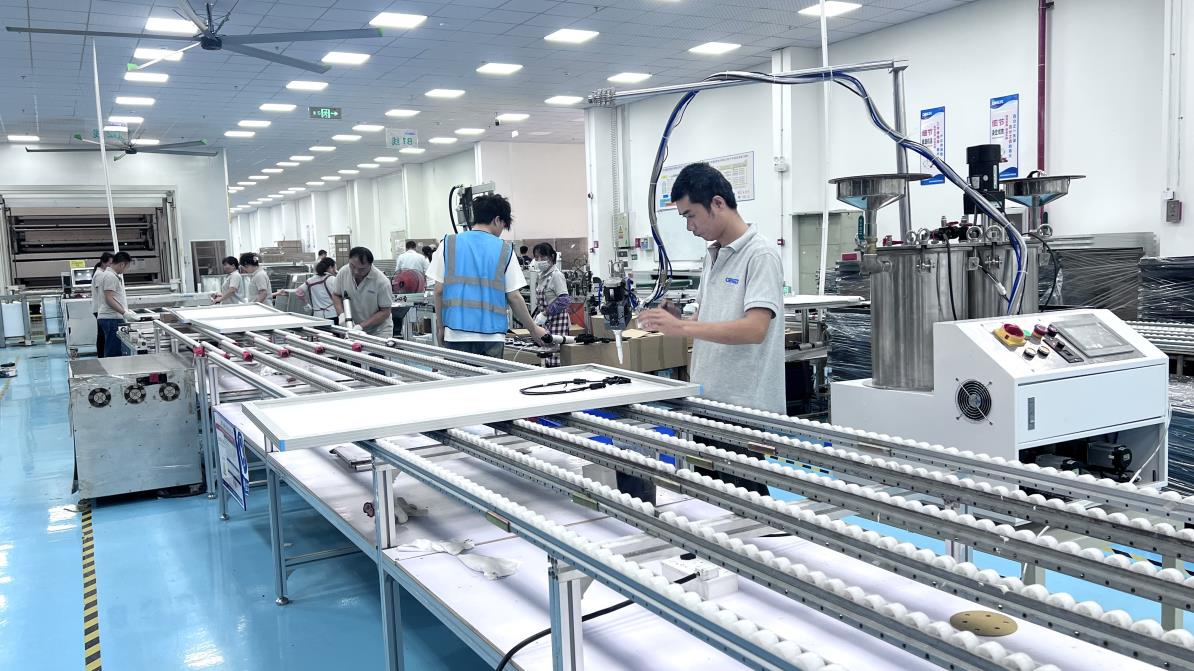
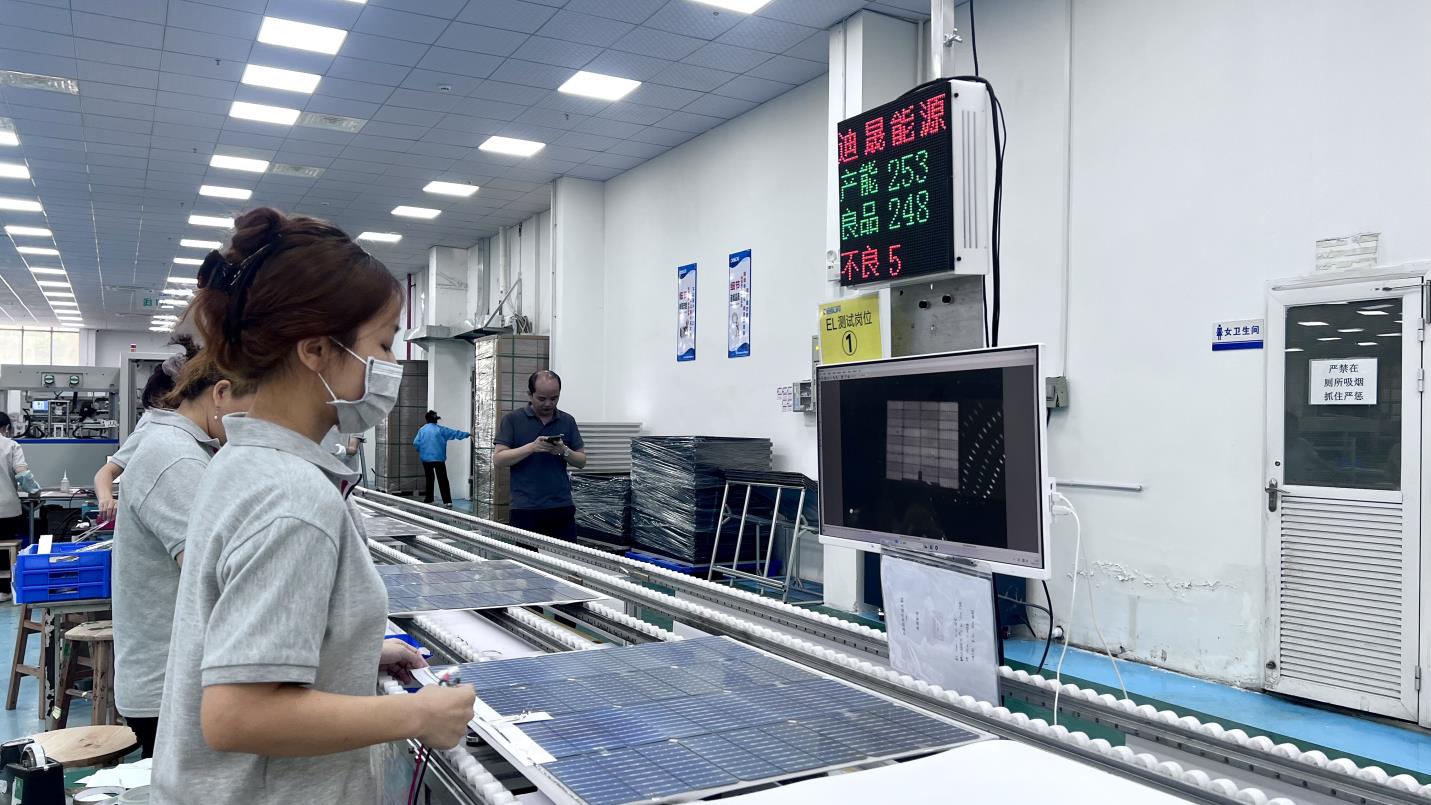
Our Xiamen facility utilizes intelligent robotic assembly lines, high-accuracy surface-mount technology (SMT), automated string laser scribing, and dual-vacuum thermal lamination. For the Moscow market, this level of precision translates directly to physical reliability. When dealing with extreme temperature drops, poor lamination will immediately result in water ingress. This triggers delamination and galvanic corrosion. ConTech Solar's advanced ETFE encapsulation ensures our modules remain functional for over 15 years in challenging inland marine environments.
See our fully automated manufacturing flow. Every step is rigorously monitored to guarantee maximum performance and reliability in demanding conditions.
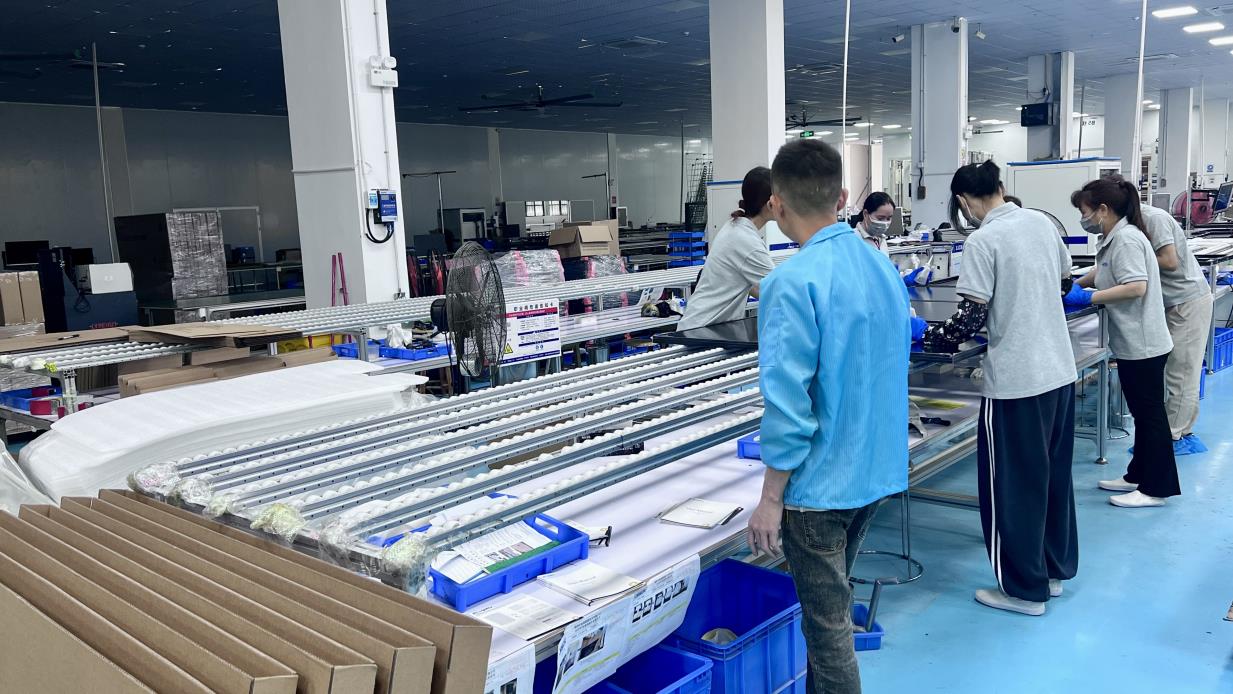
To survive seasonal freezing and continuous water contact on the Moscow Canal, our panels utilize several specialized engineering innovations:
In high-latitude urban environments, Marine PV applications go far beyond typical yacht charging. ConTech Solar specializes in custom installations across several key scenarios:
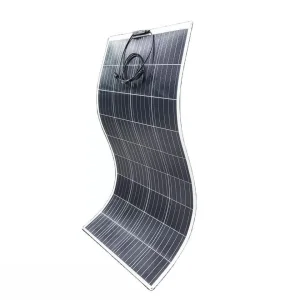
A. Municipal River Cruise Fleet Integration: As Moscow continues to upgrade its electric double-decker passenger ferries, integrating semi-flexible solar panels directly into the curved roofs of these vessels helps offset onboard auxiliary power demands (such as HVAC and instrumentation), reducing charging downtime at port.
B. Cold-Climate Navigation & Telemetry Buoys: For the Moscow Canal and surrounding reservoir networks, remote telemetry stations, water monitoring buoys, and navigational lights rely on stable year-round power. Compact, impact-resistant mini-solar modules are ideal for keeping lithium or gel batteries charged through freezing winter conditions.
C. Off-Grid Floating Solar Platforms: Floating structures on calm inland waters present a unique opportunity for localized, clean microgrids. Our panels are built to withstand the freezing and thawing cycles of inland ice, maintaining structural integrity year after year.
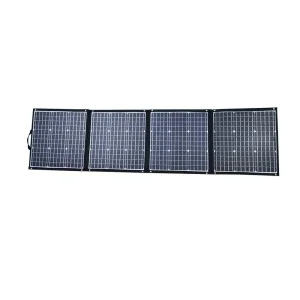
Explore our highly durable B2B product line, engineered to withstand extreme winter conditions, mechanical stress, and long exposure to water.
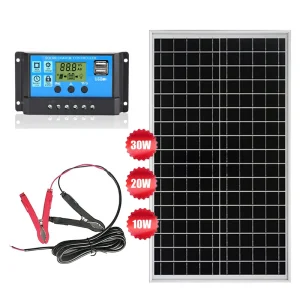
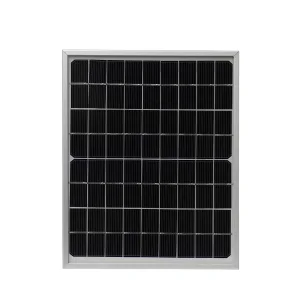
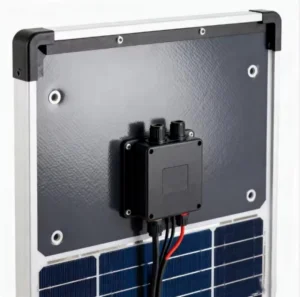
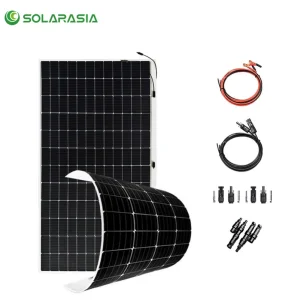
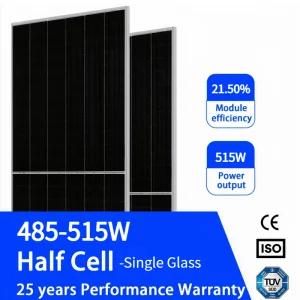
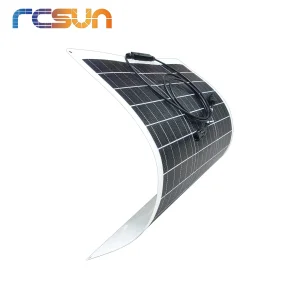
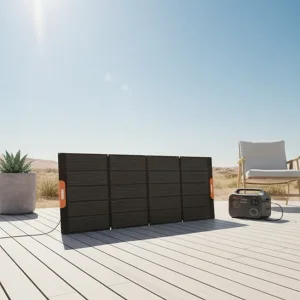
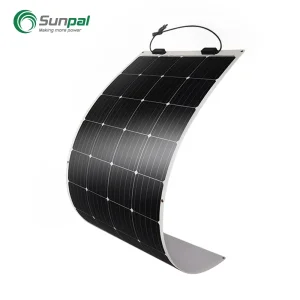
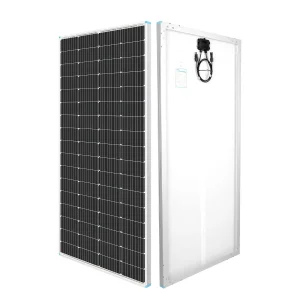
Direct B2B supply from our smart factory. Get customized voltage configurations, specialized dimensions, and extreme cold-climate protective coatings for projects in Moscow and worldwide.
Send Inquiry NowRead our technical guide on installing and maintaining marine solar systems in cold environments.
Our ETFE flexible solar modules are specifically engineered for thermal stability. ETFE exhibits high physical elasticity across a broad temperature range (-40°C to +85°C). While cheap PET materials turn brittle and crack when frozen, ETFE contracts and expands safely alongside fiberglass, aluminum, or steel decks, ensuring no micro-cracking occurs.
Traditional panels have series-connected cells that suffer huge power drops if even a small corner is shaded by a mast, rigging, or tree line. In contrast, shingled cell modules use parallel sub-strings. If one section of the panel is covered, only that specific shingled area loses output, while the rest of the module continues to generate power at high efficiency.
We offer fully compliant B2B exporting services from our Xiamen facility. Large bulk orders are packed in heavy-duty export crates to prevent transport damage. We coordinate custom clearance protocols, offering door-to-door or port-to-port shipping via multimodal rail-sea logistics, delivering safely to Moscow hubs in 18 to 25 days.
Yes, our premium N-Type ETFE flexible panels feature thick fiberglass backing sheets. This reinforced base lets them support walking loads (deck footwear) when fully bonded to flat surfaces. Their slick ETFE outer surface also helps snow slide off easily, preventing heavy ice buildup that could damage the cells.
 ConTech Solar