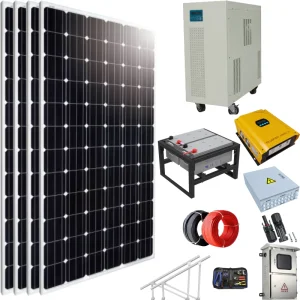
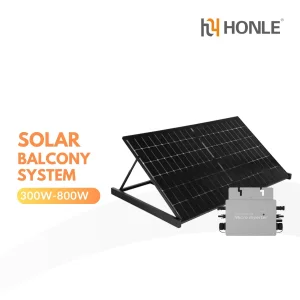
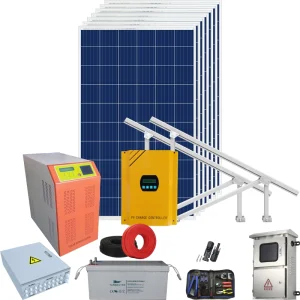
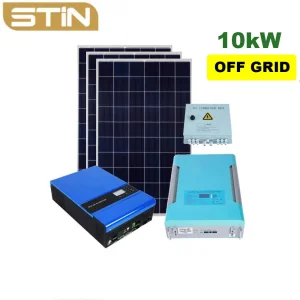
Premium customizable photovoltaic systems engineered for maximum yield, structural stability, and seamless grid integration.
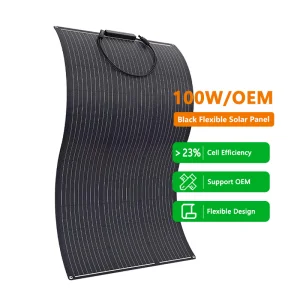
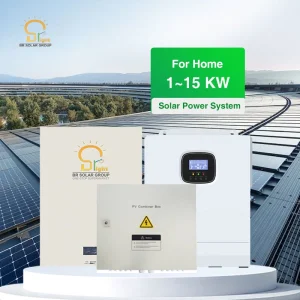
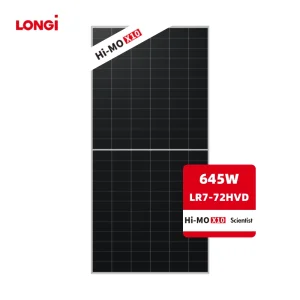
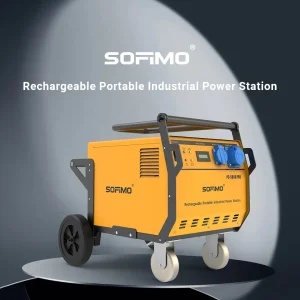
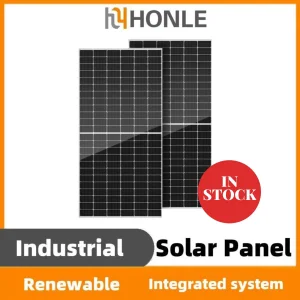
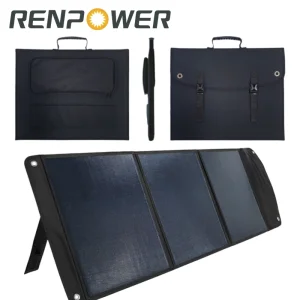
Analyzing the paradigm shift from fixed-tilt racking structures to highly dynamic, intelligence-driven tracking architectures.
The global transition toward carbon neutrality has accelerated the scale of utility and commercial solar installations to unprecedented heights. Within this expansion, asset owners and Engineering, Procurement, and Construction (EPC) contractors are faced with a singular imperative: **minimizing Levelized Cost of Electricity (LCOE) while safeguarding structural integrity.** As high-capacity, high-efficiency bifacial modules become the global standard, traditional fixed-tilt mounting systems are no longer sufficient to extract maximum value from capital investments.
Advanced Solar Tracking Systems represent the peak of modern utility-scale photovoltaic optimization. By dynamically rotating solar modules to follow the Sun’s trajectory throughout the day, modern trackers boost energy yields by 15% to 35% compared to fixed structures. When coupled with advanced bifacial tracking algorithms that harvest both direct sunlight and albedo reflections, the generation curve is flattened and widened, maximizing utility value during peak demand hours.
However, implementing these dynamic mechanical systems requires an advanced engineering framework. Trackers operate under harsh outdoor environments, enduring strong winds, heavy snow, extreme temperatures, and corrosive soils. Choosing a reliable, engineering-focused supplier is therefore critical to preventing structural failure, reducing O&M costs, and ensuring a lifetime exceeding 25 years.
Xiamen ConTech Solar Co., Ltd. stands at the forefront of this industrial transformation. As a premium, high-tech enterprise specializing in the research, development, and high-precision manufacturing of solar energy systems, ConTech Solar provides global developers with fully certified, structurally sound, and digitally optimized tracking solutions. Guided by the philosophy of *"Innovative Technology, Superior Quality, and Sustainable Development,"* our tracking technologies deliver reliable, bankable performance.
"A solar tracker is not simply a steel structure; it is an intelligent, high-durability machine. Every micro-adjustment of the solar tracker represents a precise balance between structural aerodynamics and algorithmic optimization to secure the maximum financial return for global asset owners."
How AI-driven controls, backtracking, and bifacial integration are redefining energy yields in complex environments.
Modern tracker engineering has advanced far beyond basic astronomical algorithms. Today, leading manufacturers focus heavily on structural aerodynamics, terrain adaptation, and digital twin technology. Several major innovations are shaping the future of global tracking installations:
Standard astronomical tracking works well on flat, unobstructed terrain. However, on rolling hills or uneven topography, standard tracking can cause neighboring tables to shade each other (row-to-row shading). Advanced trackers use integrated smart 3D backtracking algorithms, recalculating optimal tilt angles in real-time to avoid shadow cast, boosting production in early morning and late afternoon.
Wind is the primary mechanical challenge for solar trackers. The phenomenon of torsional flutter (aeroelastic instability) has historically caused system damage during storms. Top-tier suppliers rely on comprehensive dynamic boundary-layer wind tunnel tests to design dampers, stiffened profiles, and secure multi-point stow routines that lock the system down safely during high winds.
Bifacial solar modules generate extra power by absorbing light reflected from the ground. Modern trackers are designed with specialized torque tube structures, minimizing rear-side shading, keeping wiring clean, and optimizing mounting height to take full advantage of the ground albedo effect.
A systematic guide for supply chain directors to assess bankability, structural integrity, and project execution risks.
For international procurement directors, selecting a tracking supplier extends far beyond raw steel costs. The procurement framework must evaluate high-level indicators to guarantee continuous operations and mitigate financial risks over the project's life:
Modern tracker installations are moving into more complex terrains, requiring versatile, adaptive engineering:
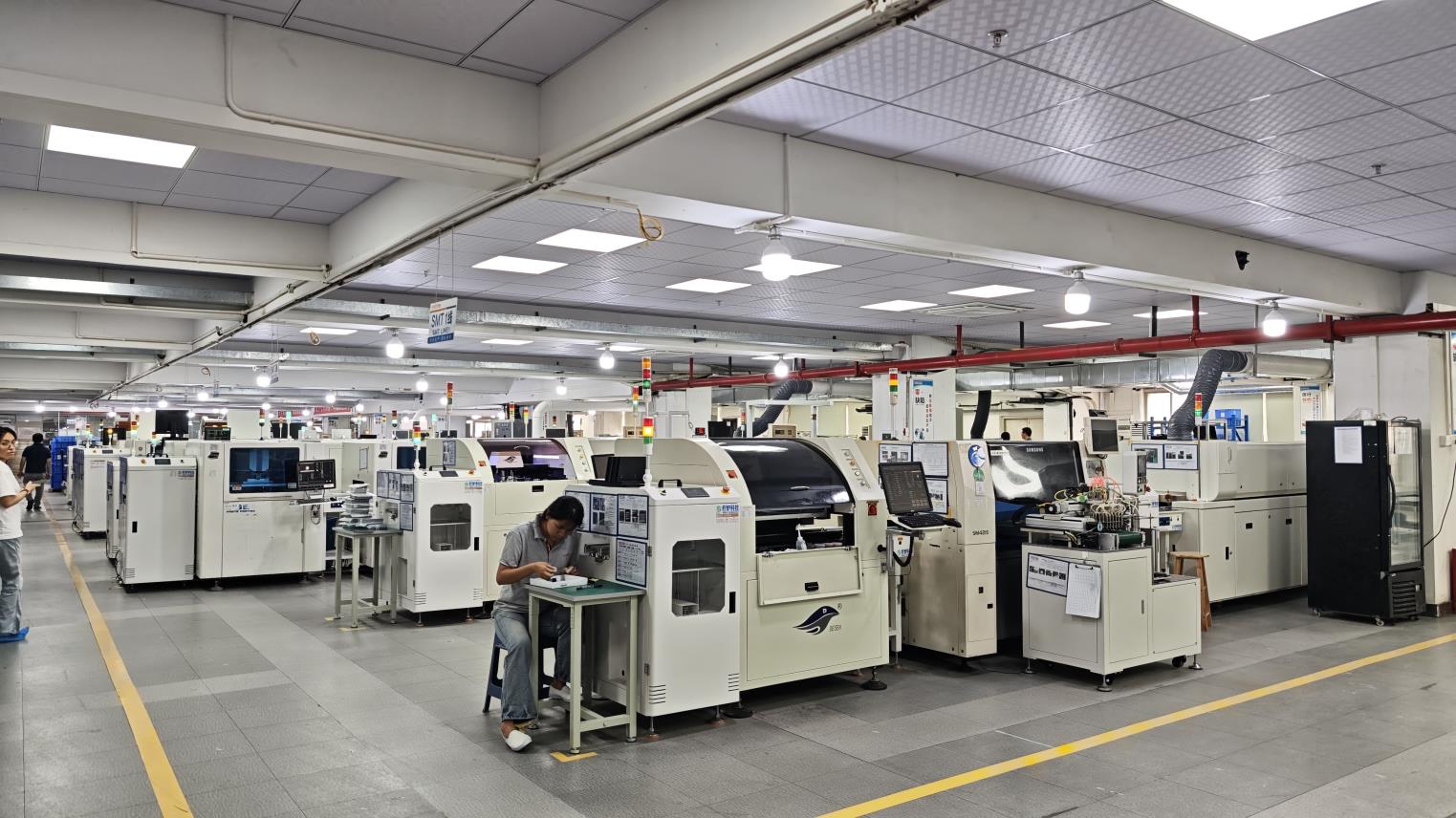
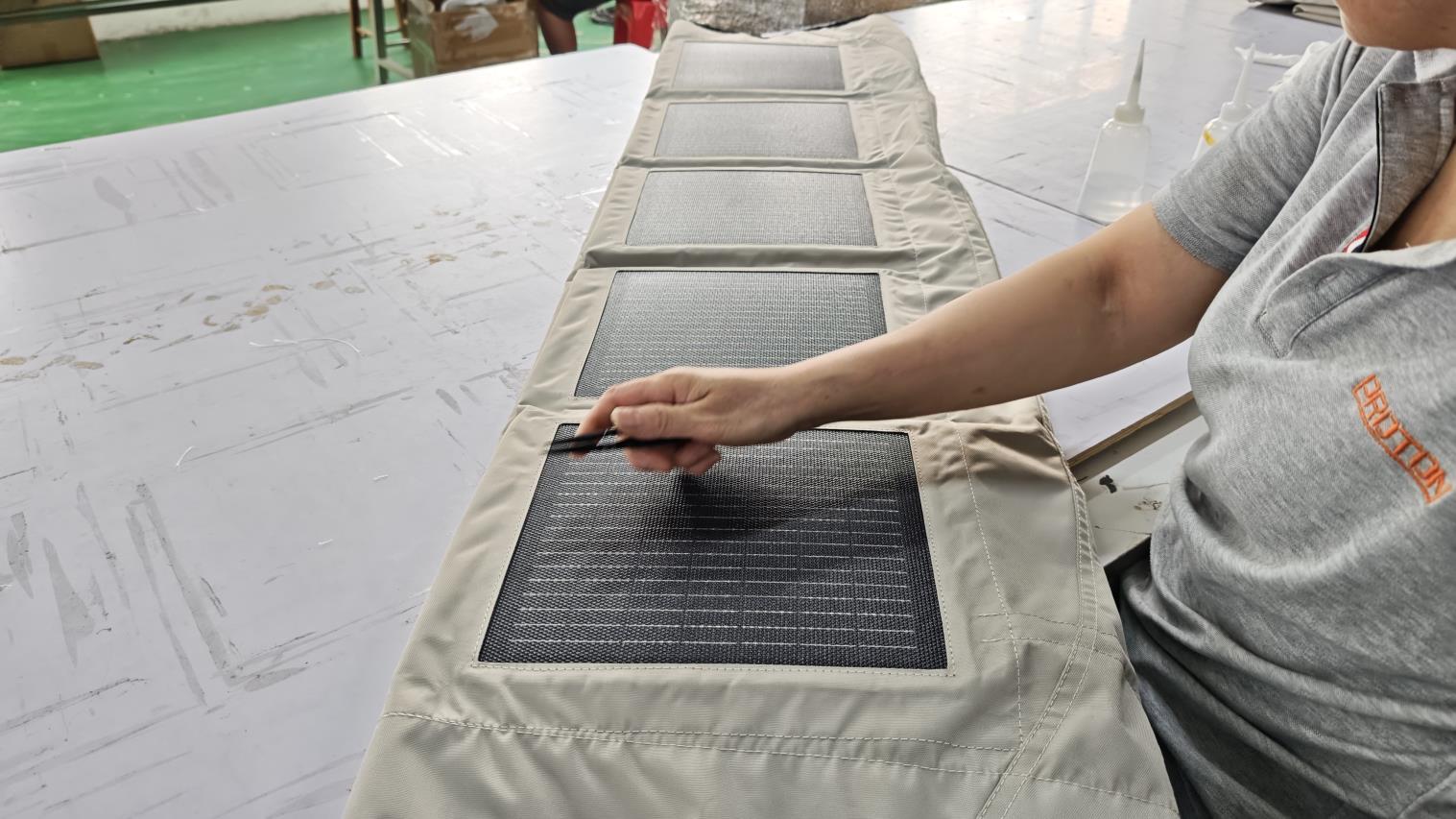
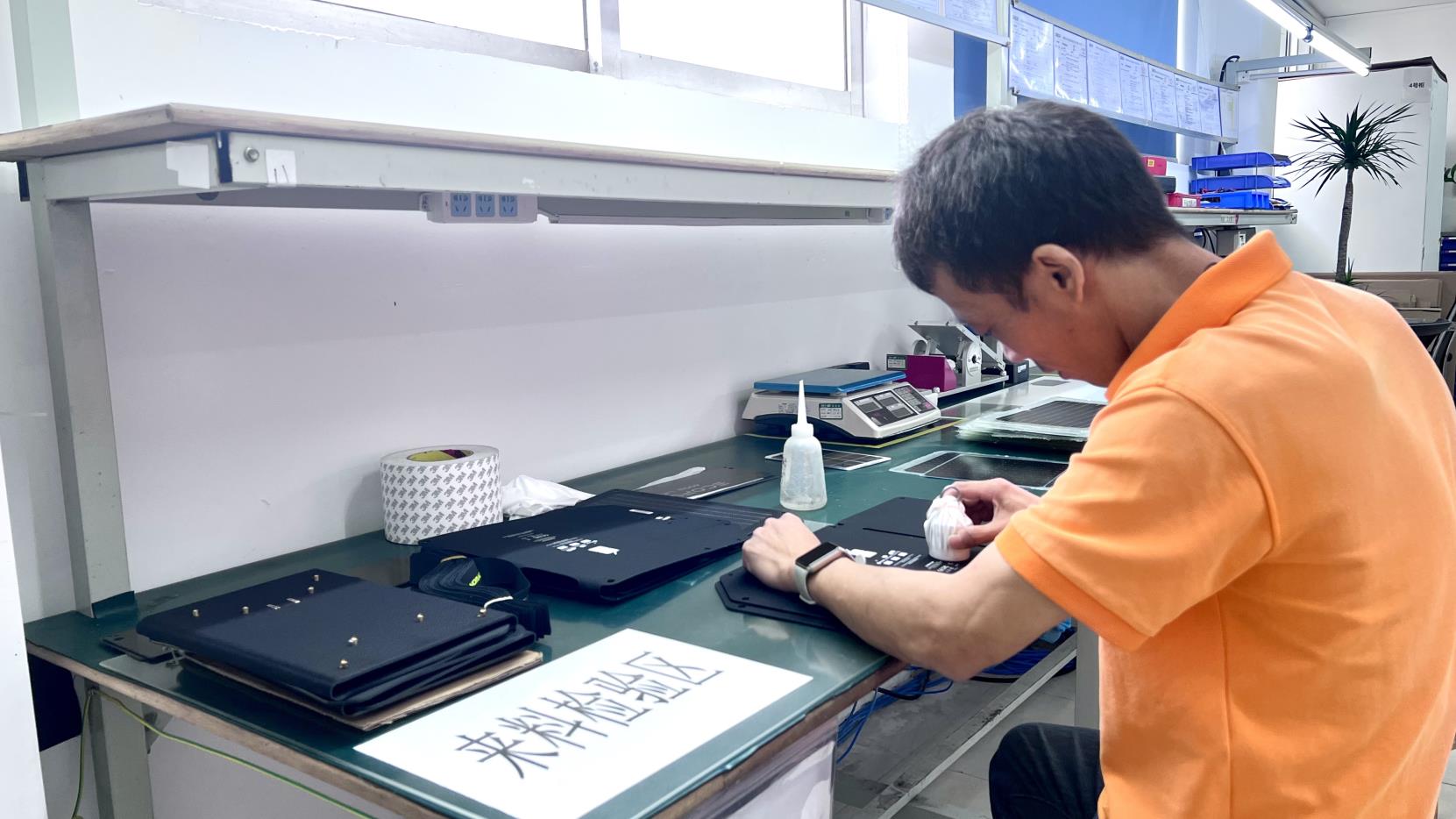
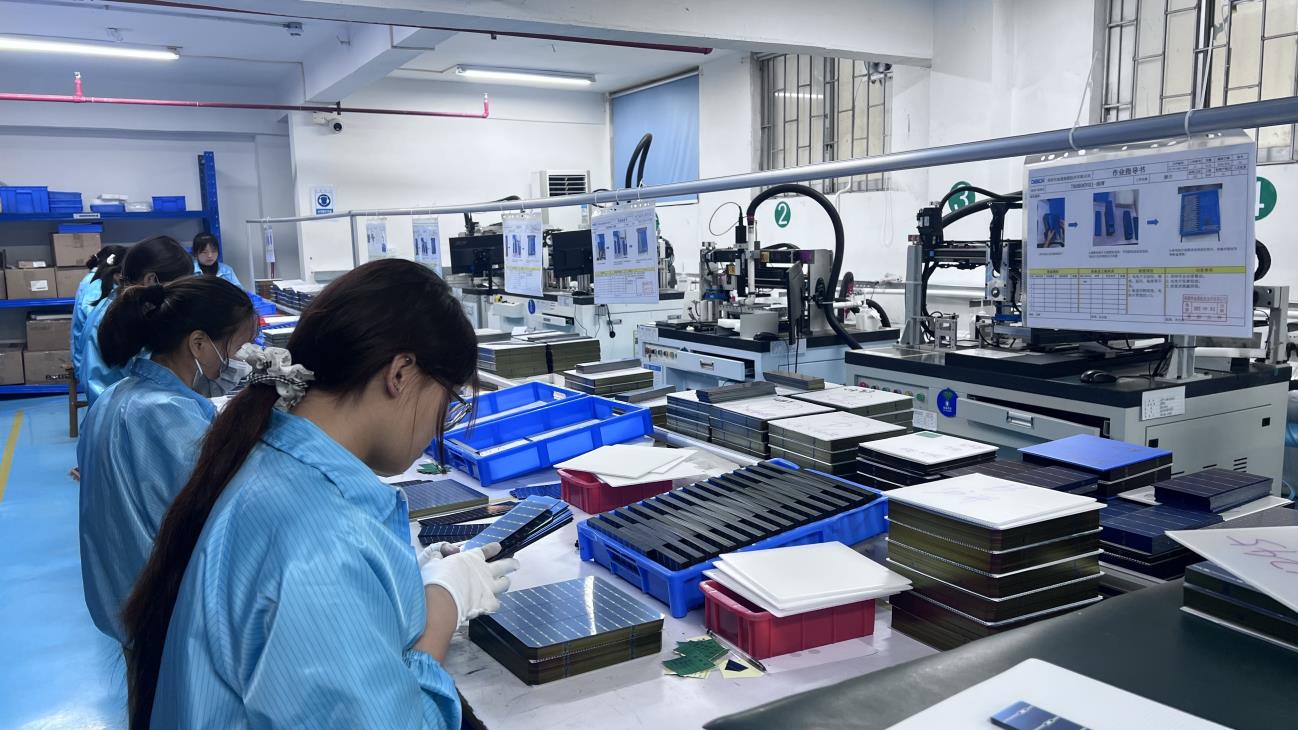
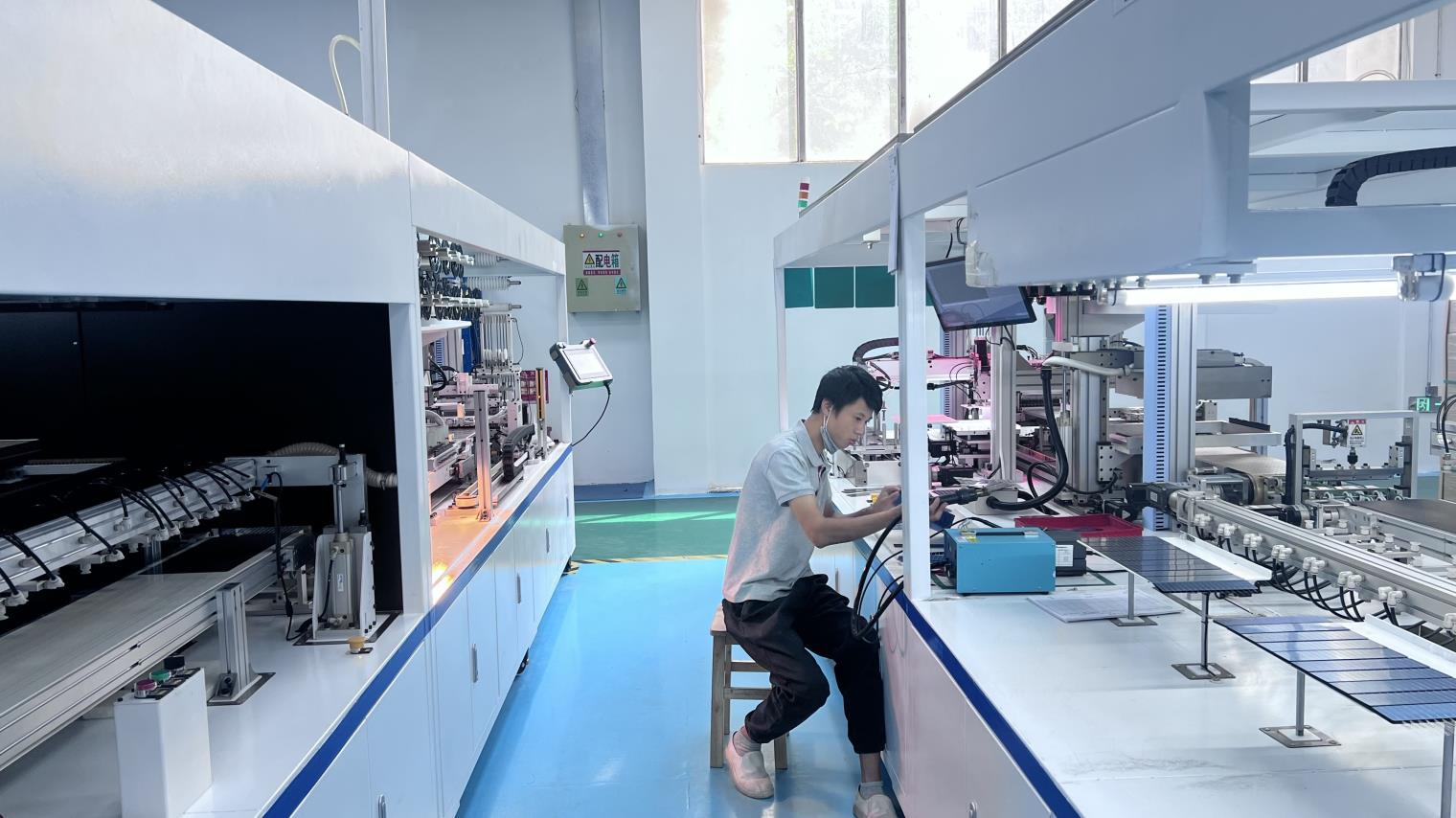
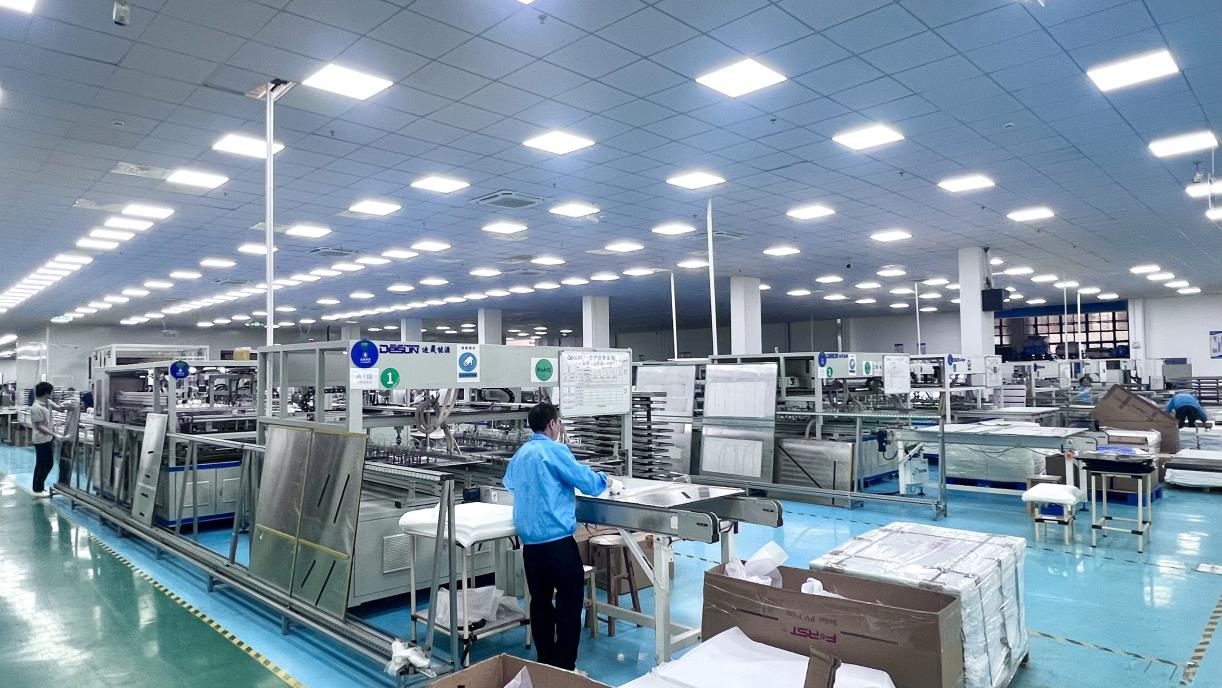
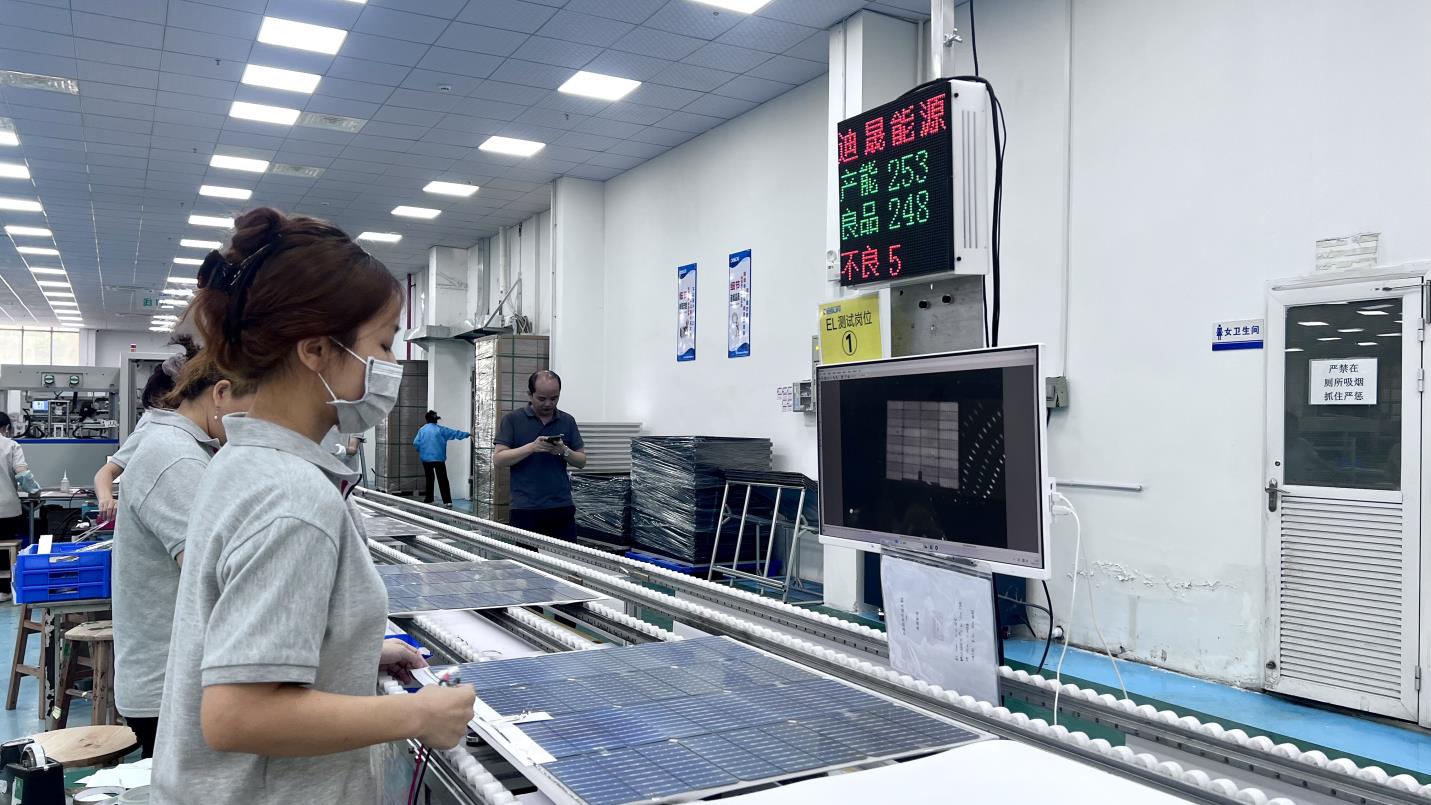
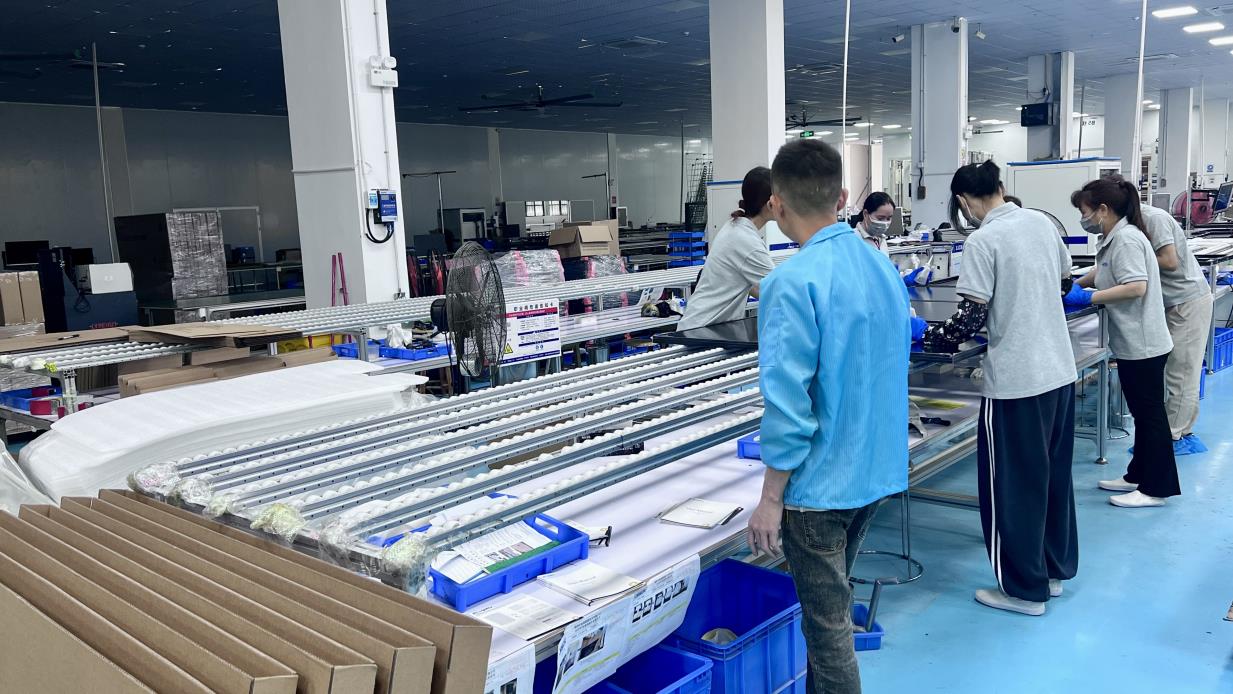
Inside the automated, quality-centric production facility of Xiamen ConTech Solar Co., Ltd.
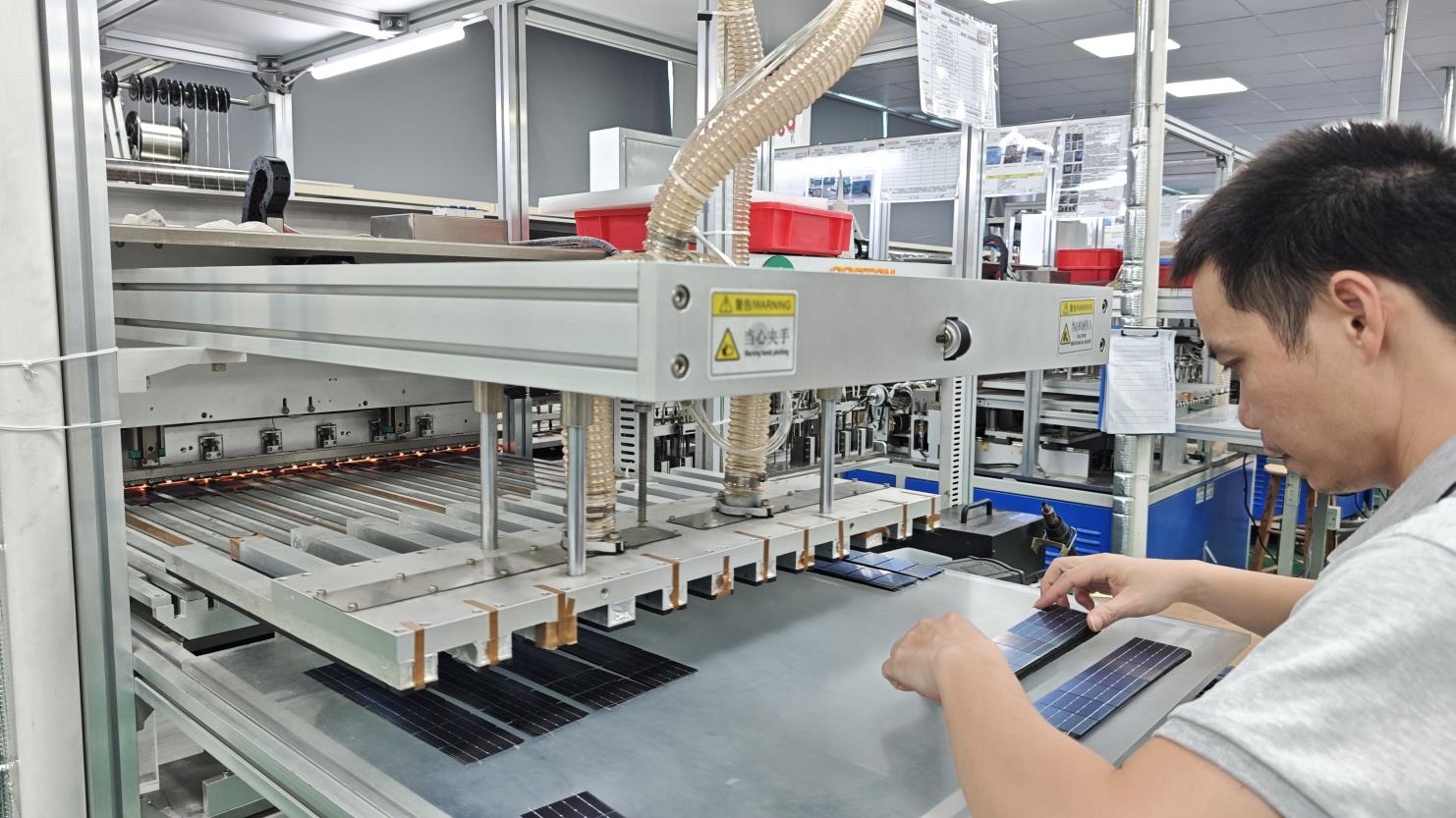
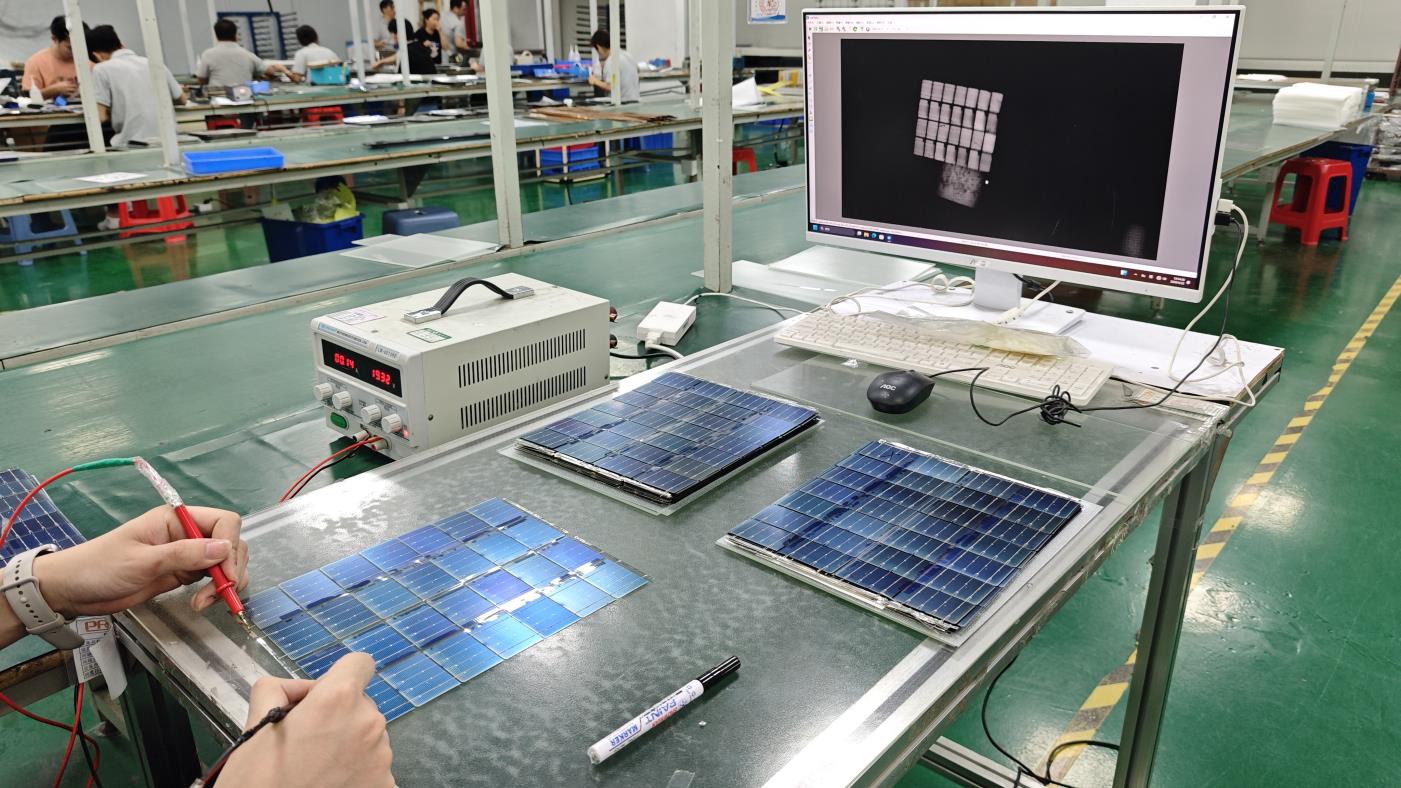
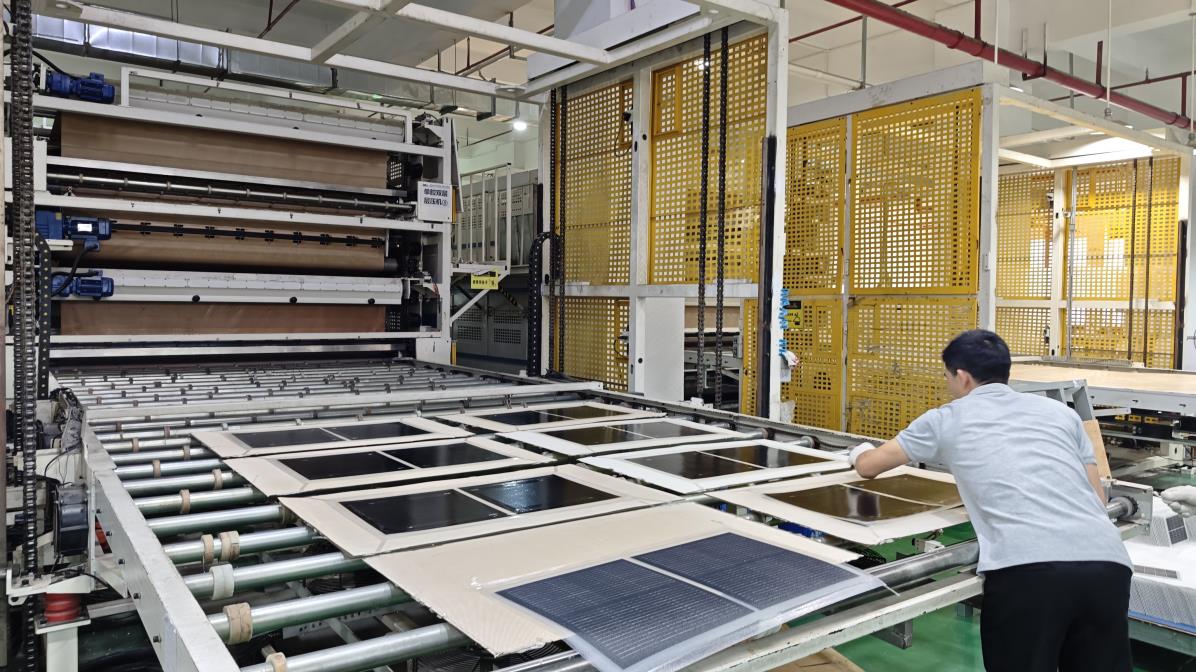
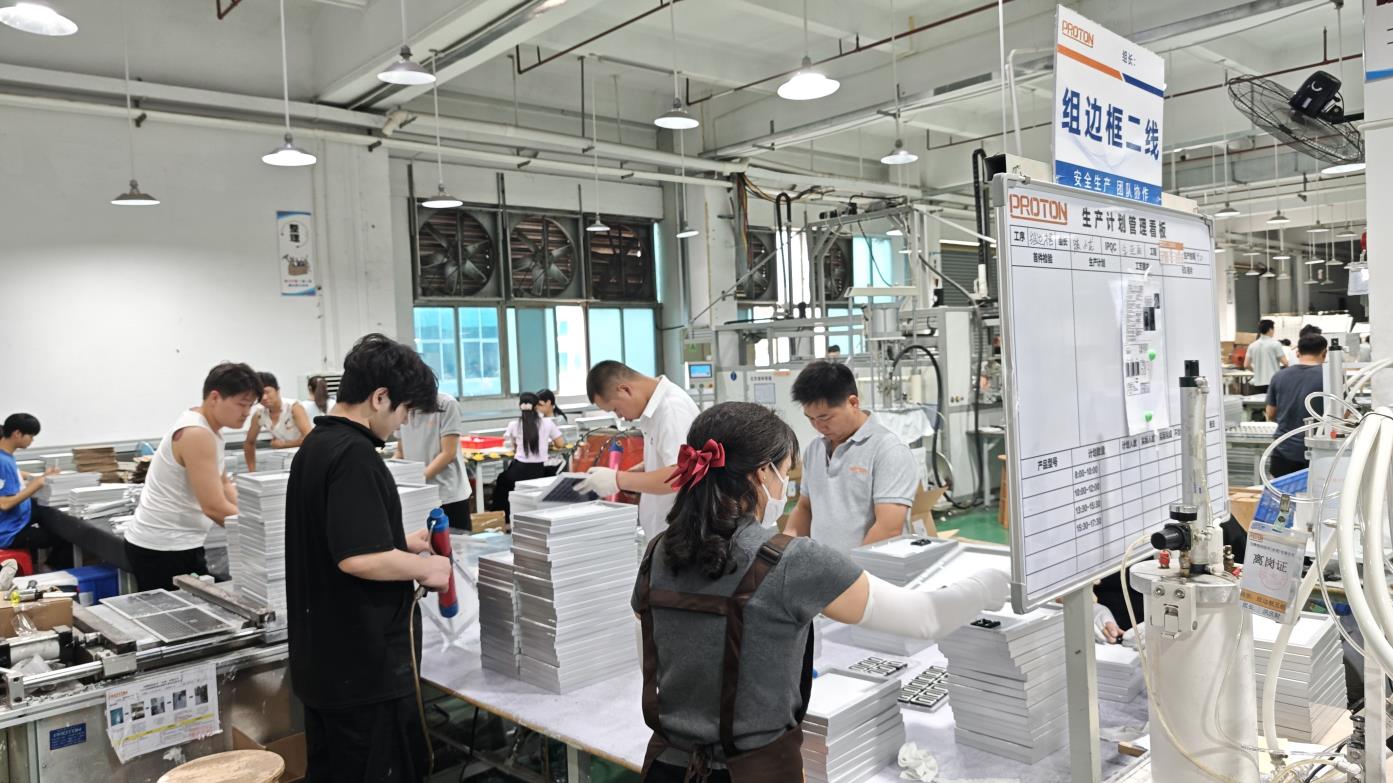
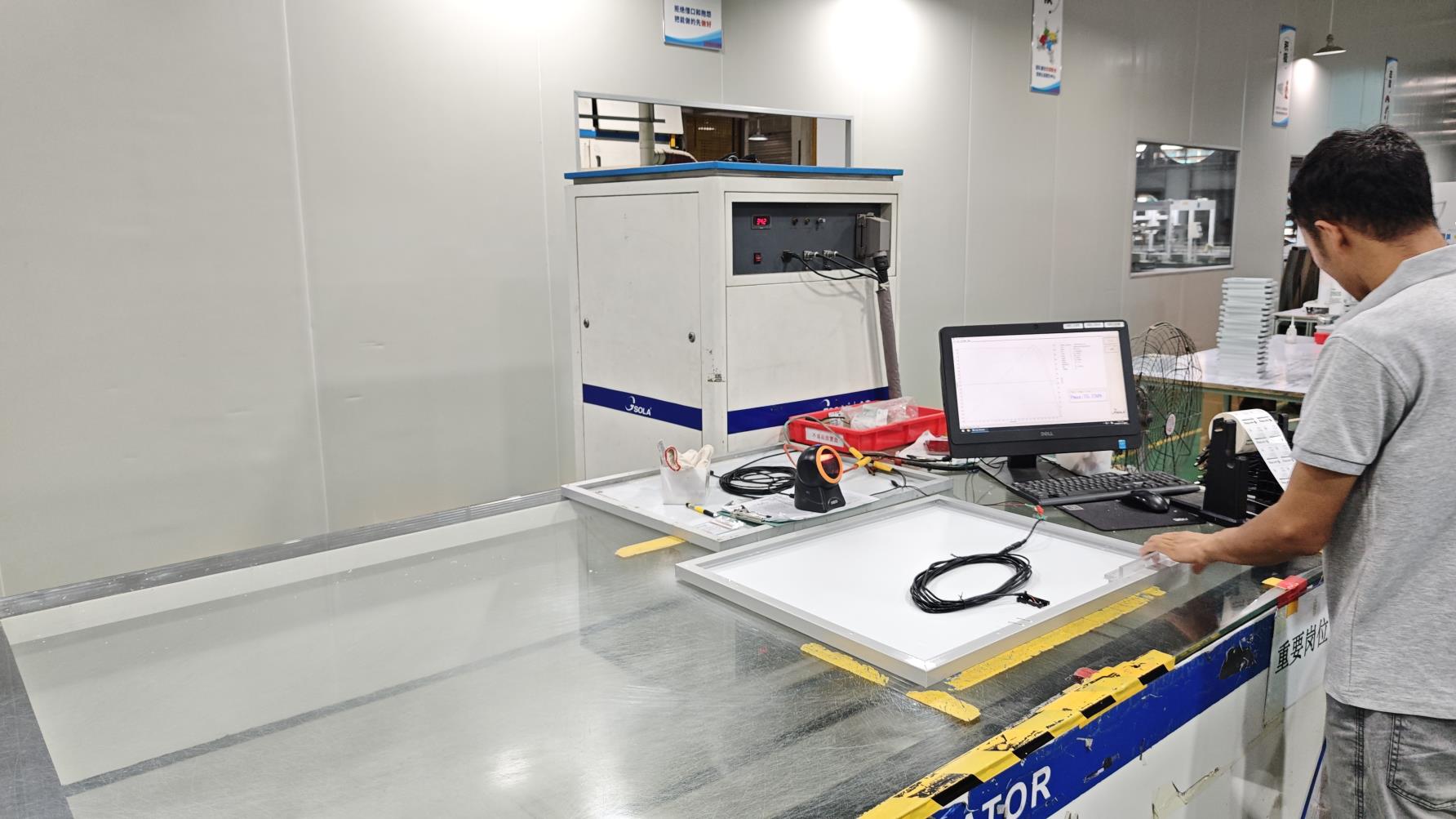
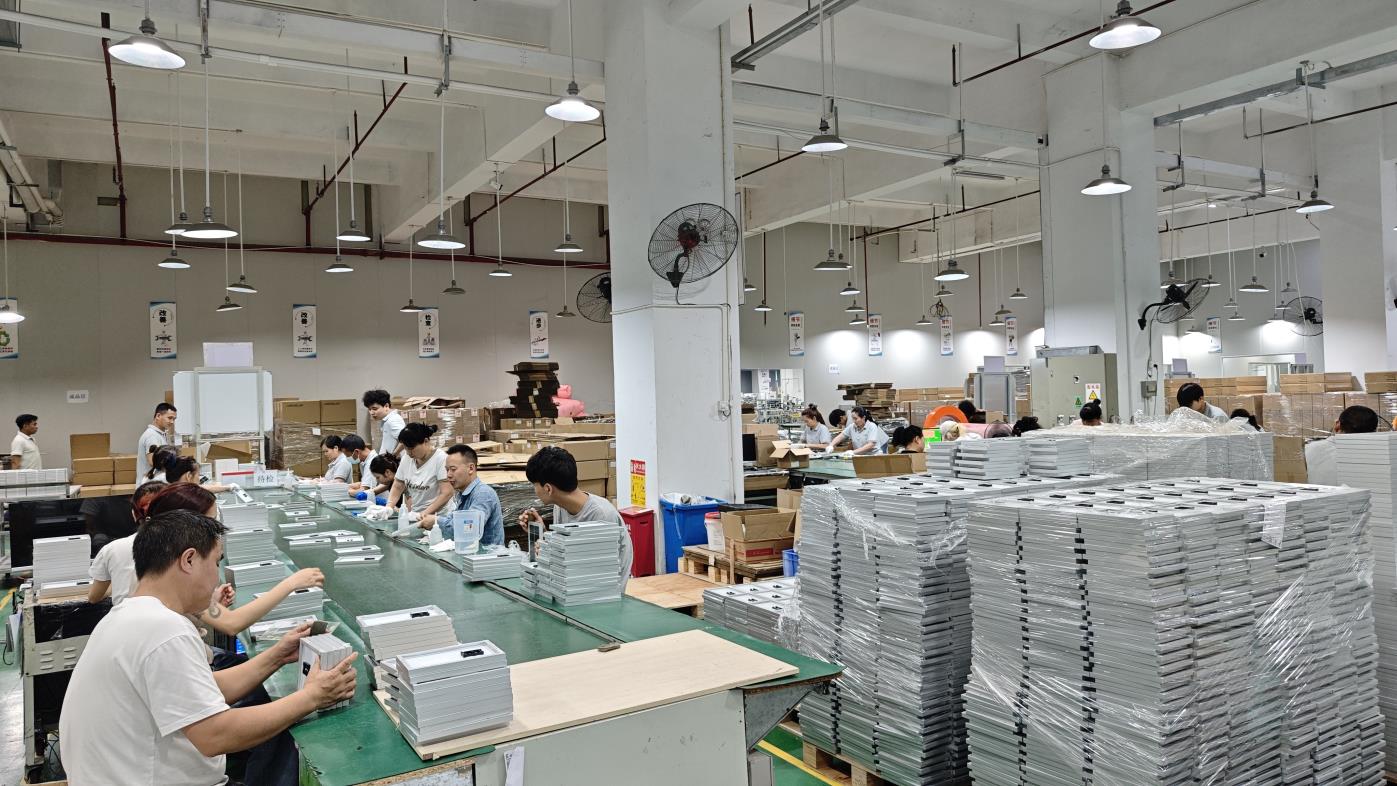
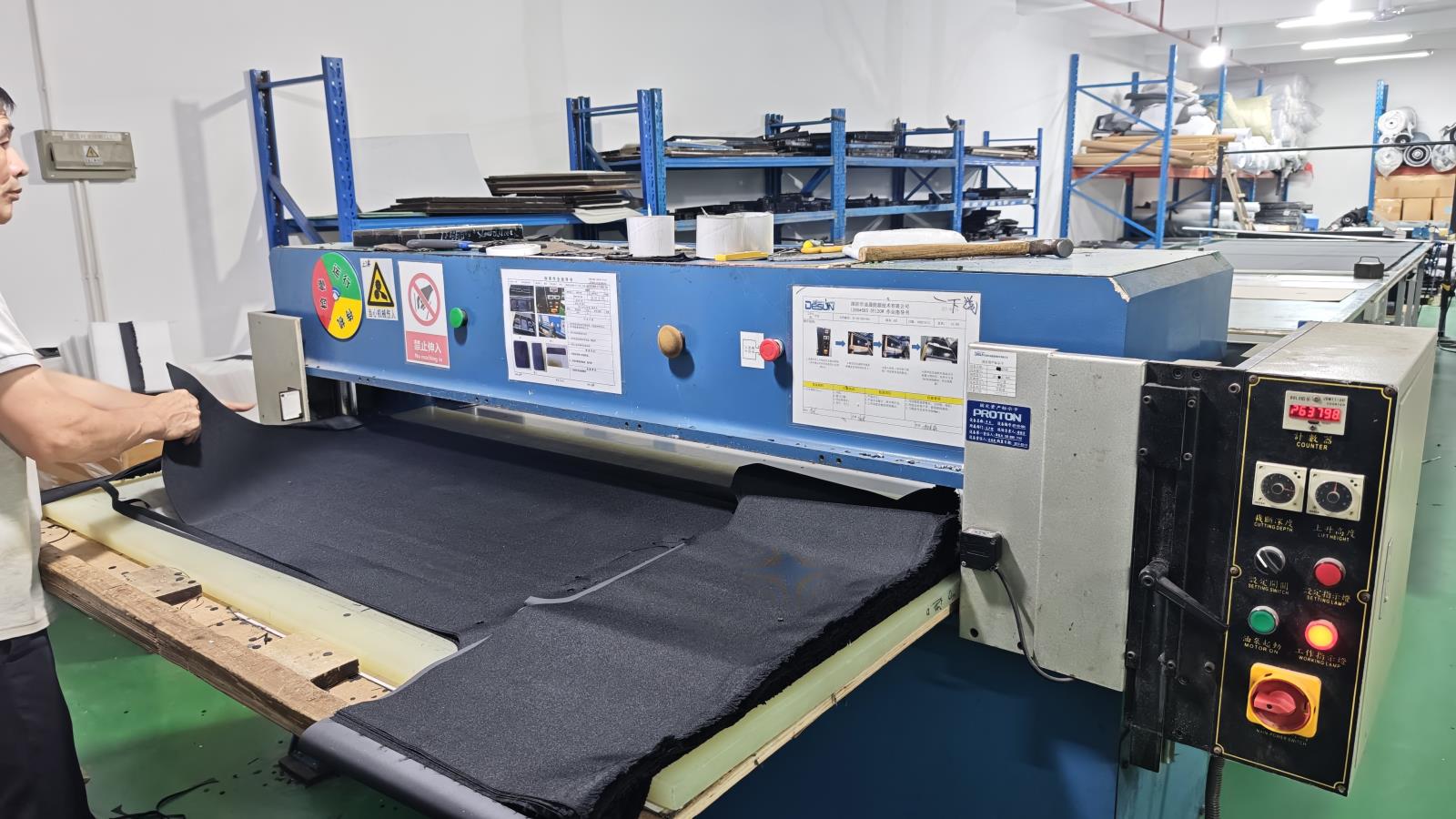
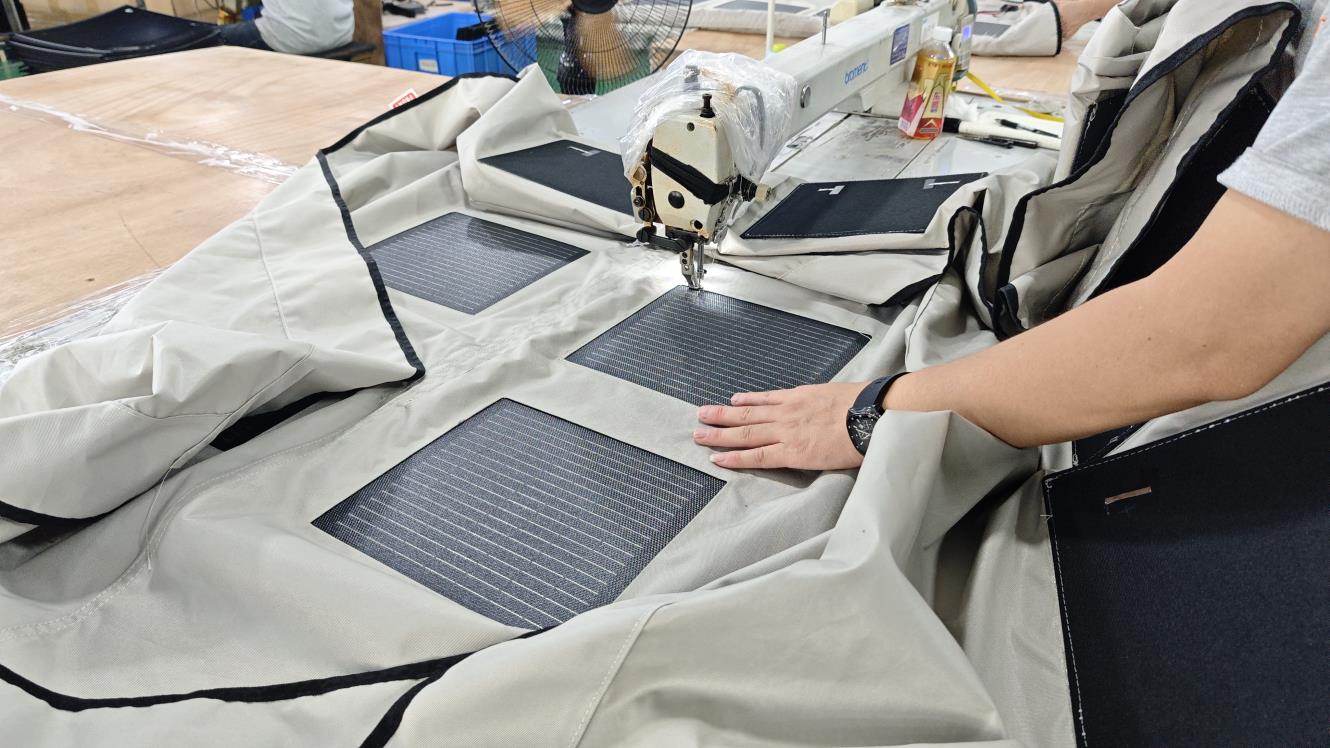
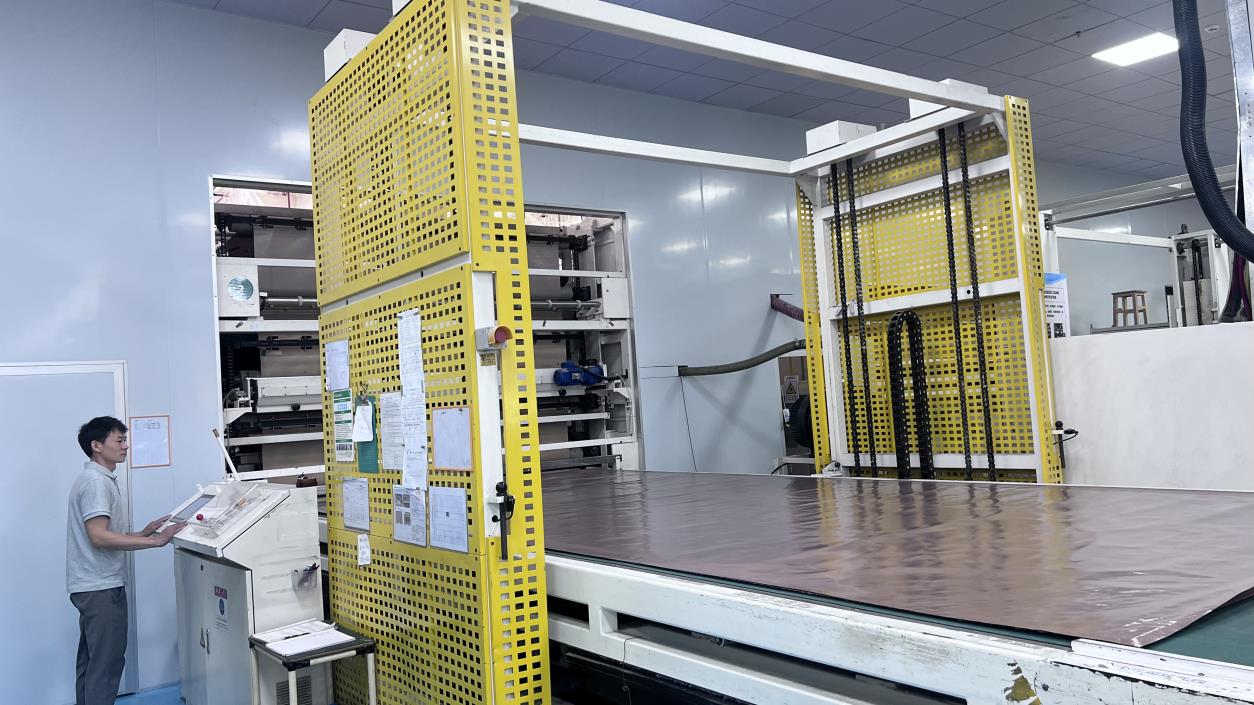
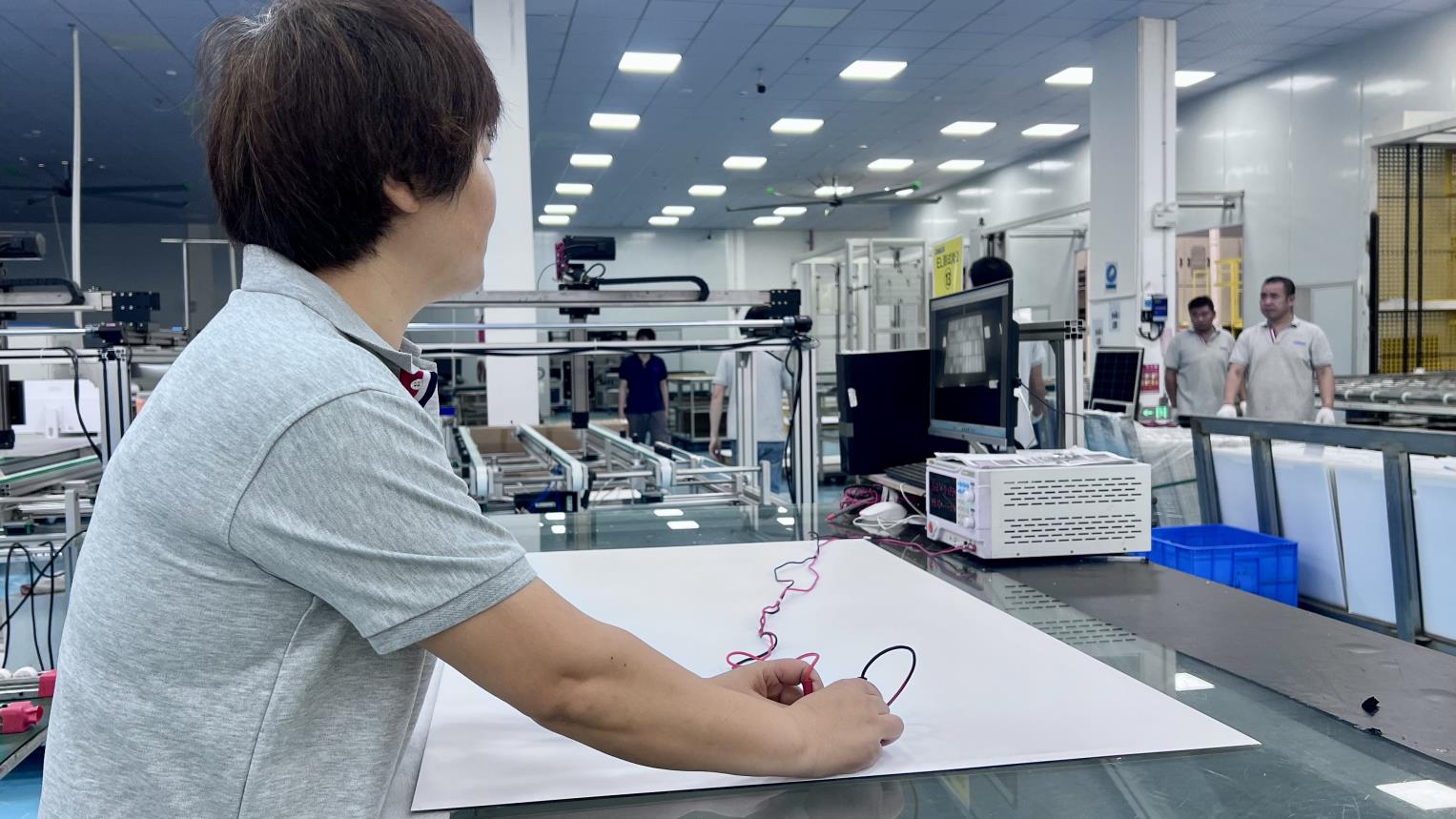
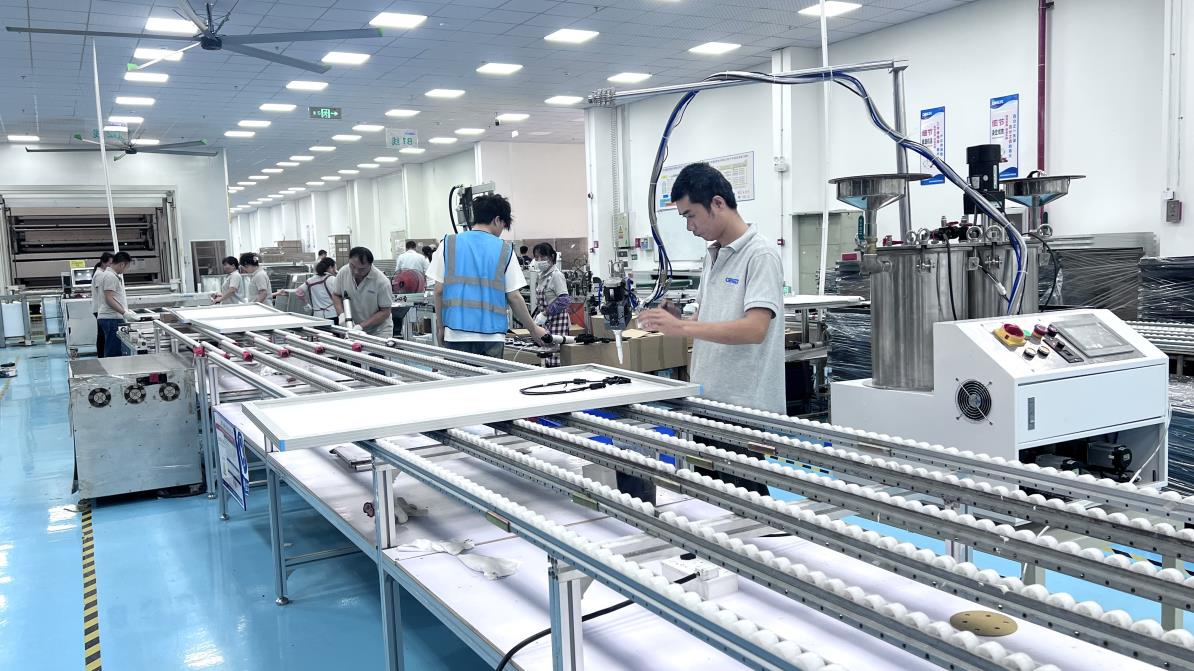
Xiamen ConTech Solar Co., Ltd. operates at the cutting edge of manufacturing technology. Our state-of-the-art facilities leverage Factory 4.0 principles, featuring automated laser scribing, automated string welding, SMT processing, and rigorous quality inspection. By combining robotic precision with cleanroom environments, we guarantee that every solar component and structural sub-assembly meets the highest standards of reliability and durability.
Our integrated manufacturing line covers everything from initial material inspection to final packaging. By keeping these core processes in-house, we eliminate intermediate supply chain delays and reduce variance in component dimensions. This vertical integration allows ConTech Solar to offer high-quality products at competitive prices, backed by rapid delivery and complete traceability.
Automated board placement for highly reliable control systems.
Consistent structural welds that resist dynamic vibrations.
Micron-precision scribing for optimized electrical efficiency.
Double Electroluminescence testing to ensure zero micro-cracks.
A benchmark comparison detailing the mechanical boundaries and structural capabilities of advanced tracking setups.
Choosing the right tracking architecture depends heavily on project geography, soil profiles, and local wind loads. The table below outlines the core mechanical differences between single-axis and dual-axis solar trackers to help guide your system design:
| Technical Parameter | Standard 1P/2P Single-Axis Tracker | Precision Dual-Axis Tracker |
|---|---|---|
| Tracking Range | ±60° (120° total angular movement) | Elevation: 0°–90° | Azimuth: 0°–360° |
| Yield Increase (vs. Fixed) | 15% to 25% (depending on latitude) | 30% to 45% (maximum solar capture) |
| Stow Wind Speed | 18 m/s to 22 m/s (65–80 km/h) | 15 m/s to 18 m/s (55–65 km/h) |
| Survival Wind Speed | Up to 55 m/s (198 km/h) | Up to 45 m/s (162 km/h) |
| Terrain Adaptability | Slope tolerances up to 15% (North-South) | Requires flatter terrain or micro-grading |
| Control & Telemetry | MCU with Modbus RTU/Zigbee wireless | Dual-axis controller, fiber optic / wireless |
Addressing the core technical, mechanical, and logistical questions raised by energy project managers and grid engineers.
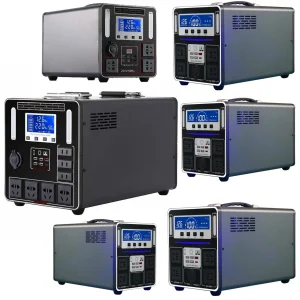
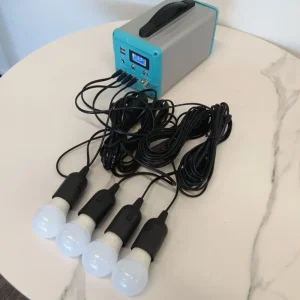
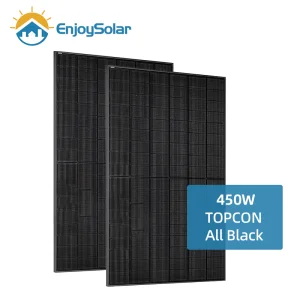
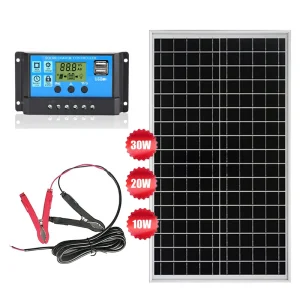
High-efficiency components, solar kits, and energy storage systems designed for robust integration and long-term durability.
 ConTech Solar