ConTech Solar
Industrial Whitepaper: Advanced Solar Resource Assessment (SRA)
A technical guide on meteorological precision, bankability metrics, and manufacturing standards for global solar developers.
1. Executive Summary: SRA as the Cornerstone of Solar Asset Bankability
In the multi-gigawatt global solar arena, the baseline value of clean energy infrastructure is fundamentally bounded by the accuracy of the Solar Resource Assessment (SRA). A project's financial architecture (debt sizing, levelized cost of energy [LCOE], and equity yield projections) is entirely derived from structural resource forecasting. Substandard resource evaluations generate significant risk, introducing massive variations between expected P90 energy generation and actual historical energy yield.
Xiamen ConTech Solar Co., Ltd. stands as a premier modern pioneer at the crucial nexus of SRA technology and advanced high-performance photovoltaic manufacturing. By embedding rigorous, real-world meteorological profiling and advanced GIS analysis into our system design, we translate raw solar data into bankable solar equipment. Through our research and manufacturing capabilities, we supply international EPCs, financial institutions, and utilities with complete photovoltaic configurations engineered precisely to local atmospheric realities.
2. Global Macro & Industrial Landscape: Tackling Climate & Site Irregularity
The contemporary solar industry is undergoing massive spatial diversification. Asset deployment is shifting away from flat desert landscapes toward complex microclimates: coastal zones prone to cloud cover, mountain ranges with complex shading profiles, and humid tropical regions subject to high atmospheric aerosol content. Under these varied conditions, global developers can no longer rely on simple monthly average meteorological databases.
Contemporary Solar Resource Assessment utilizes dual-source modeling, combining satellite-derived historical meteorological models (using high-resolution databases like Meteonorm, Solargis, and SolarAnywhere) with physical, localized ground measurements. This dual-source approach allows for the highly accurate modeling of critical factors, such as:
- Direct Normal Irradiation (DNI): Crucial for concentrated solar tracking systems and high-efficiency bifacial single-axis tracking systems.
- Global Horizontal Irradiation (GHI): The base indicator for standard flat-plate rooftop and utility ground systems.
- Diffuse Horizontal Irradiation (DHI): Essential for optimizing systems in highly cloudy or smog-prone urban regions.
Information Gain: Advanced Albedo Assessment for Bifacial Modules
Standard solar models often assume a generic ground albedo of 0.2. Real-world conditions require much higher precision. At ConTech Solar, we leverage advanced site-specific albedo calculations, recognizing that seasonal snow (up to 0.85 albedo) or desert sand (up to 0.4 albedo) can increase rear-side bifacial yield by up to 25%. Our custom BIPV and high-power mono assemblies are tailored to leverage these subtle physical characteristics.
3. SRA Methodology & Technical Parameters
Conducting a highly professional, bankable SRA requires a structured, multi-step technical workflow. The process is designed to systematically eliminate resource uncertainty:
- High-Resolution Spatial Modeling: Utilizing localized digital elevation models (DEM) and Geographic Information Systems (GIS) to resolve microclimatic shading and local topography.
- Long-Term Satellite Time-Series Reconciliation: Harvesting at least 15-20 years of satellite imagery data to establish reliable inter-annual solar resource variability models.
- Short-Term Ground Station Campaign: Deploying high-precision pyranometers and pyrheliometers directly on-site to collect high-fidelity data and calibrate the satellite historical data.
- Spectral Adaptation: Factoring in local precipitable water vapor levels and aerosol optical depth, which can significantly affect the response characteristics of different PV materials (such as Cadmium Telluride [CdTe] versus standard Monocrystalline Silicon).
4. Quality Engineering and Advanced Manufacturing Control
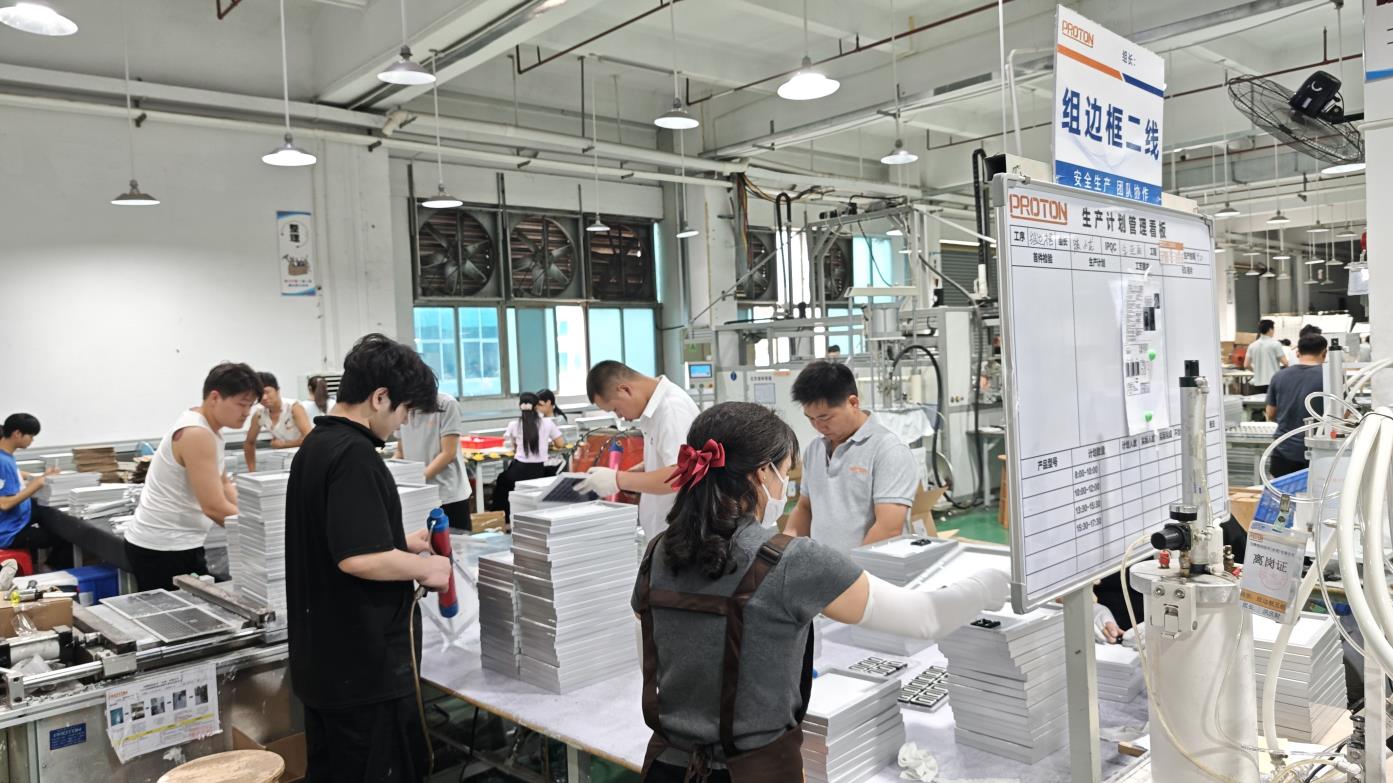
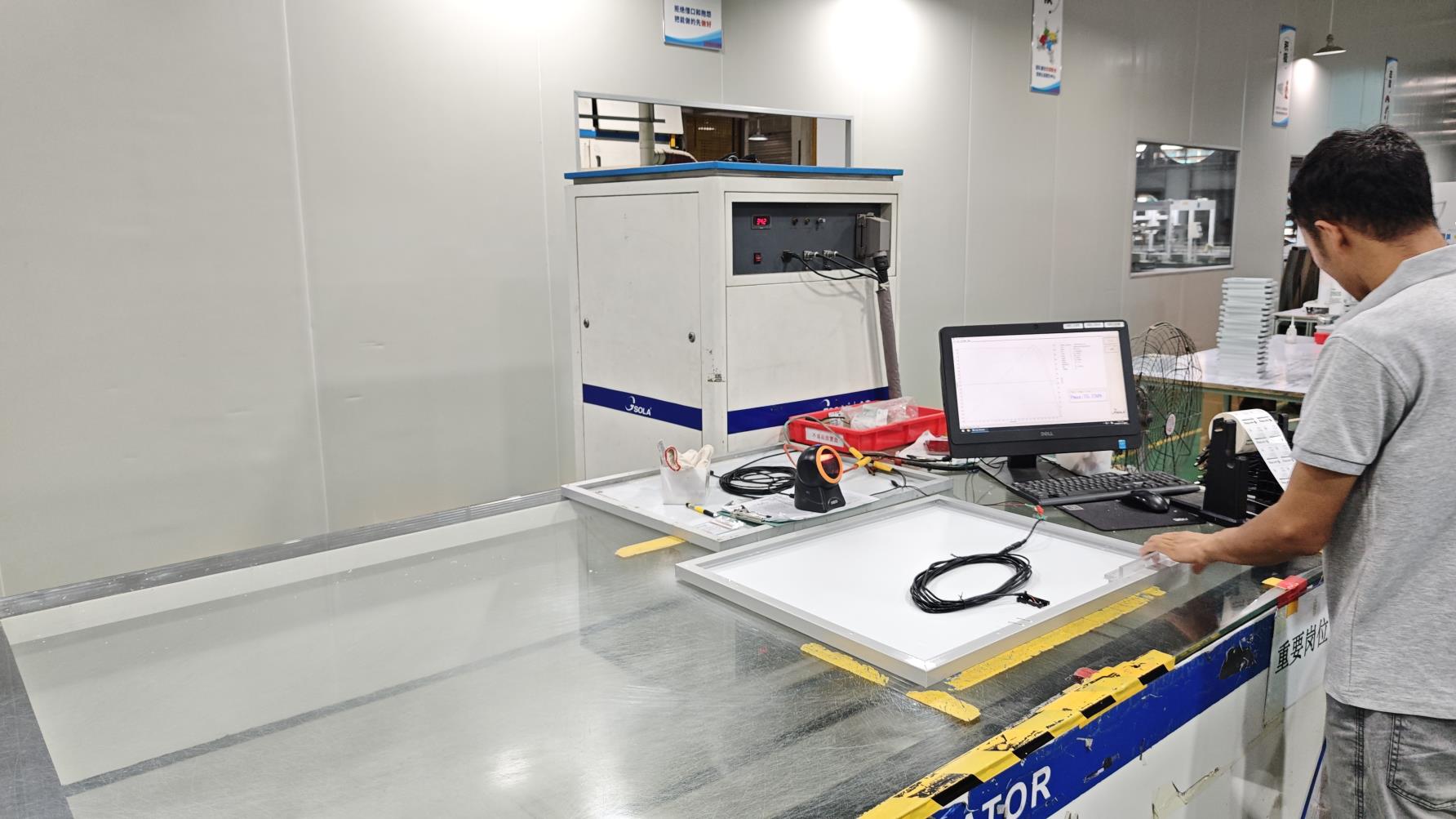
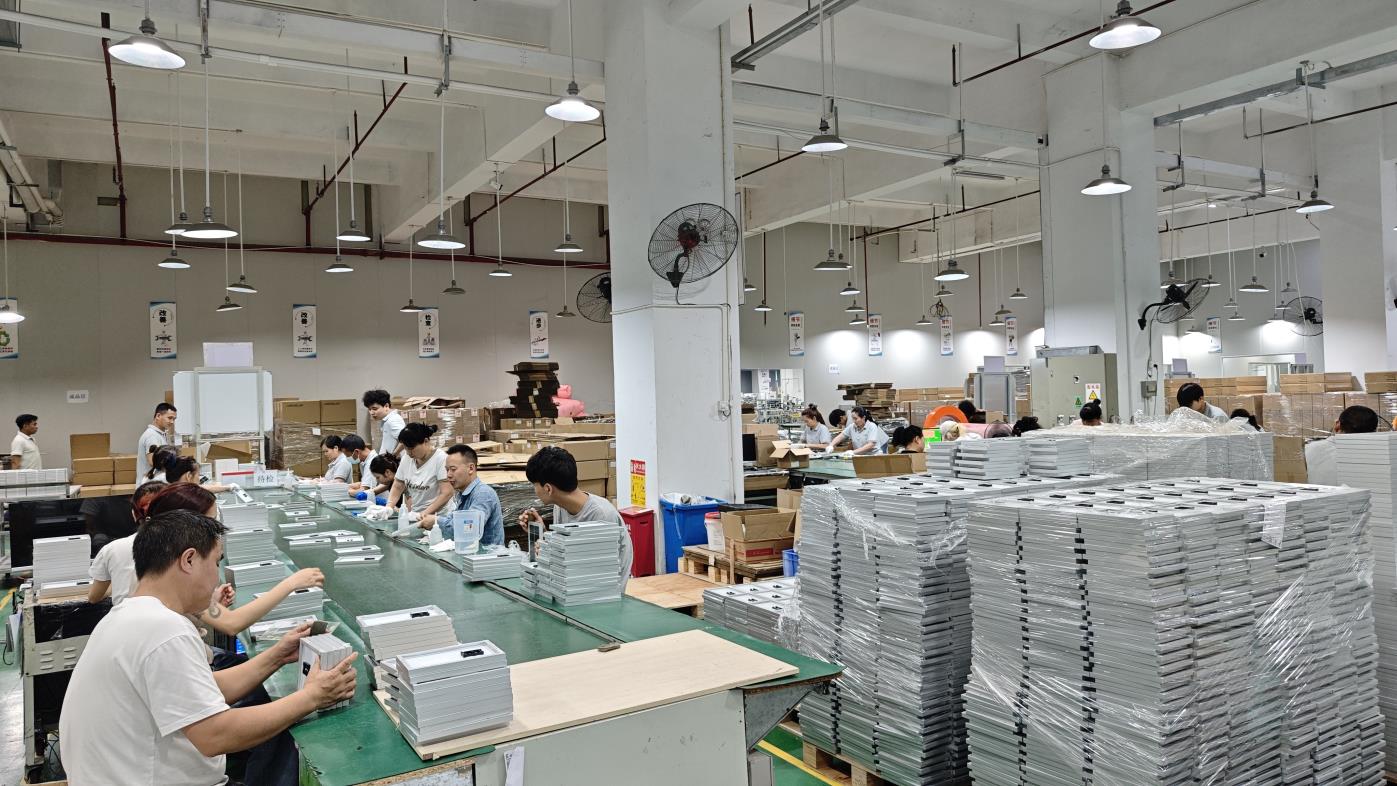
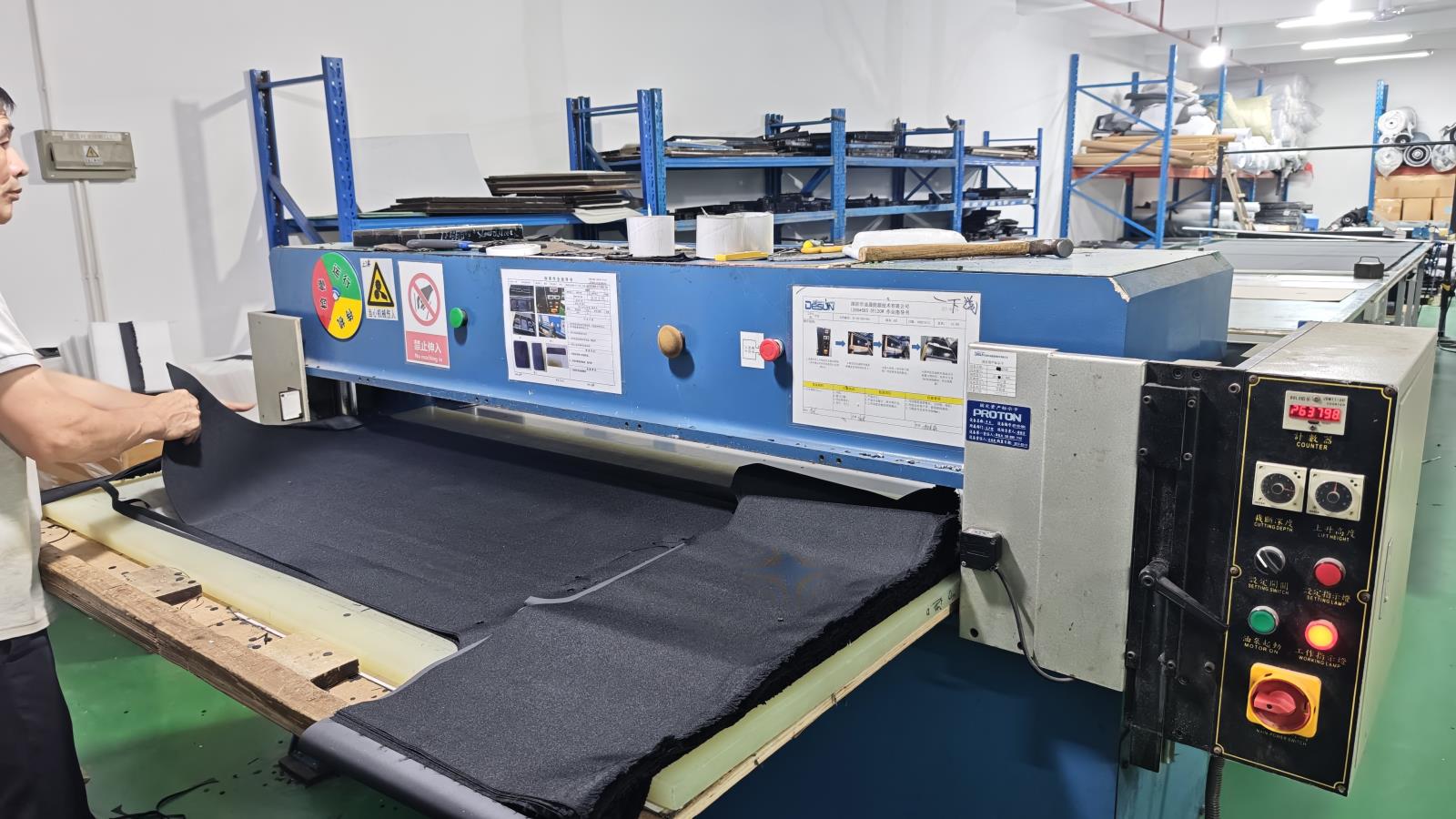
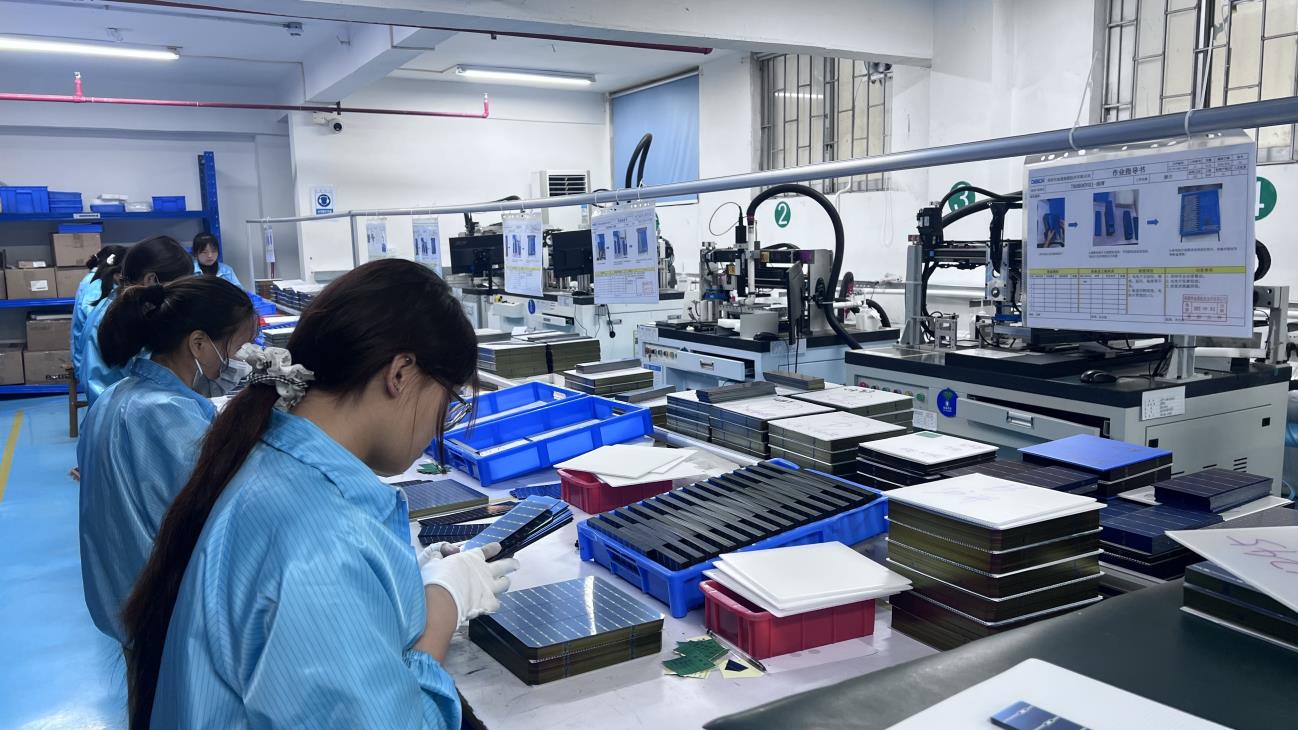
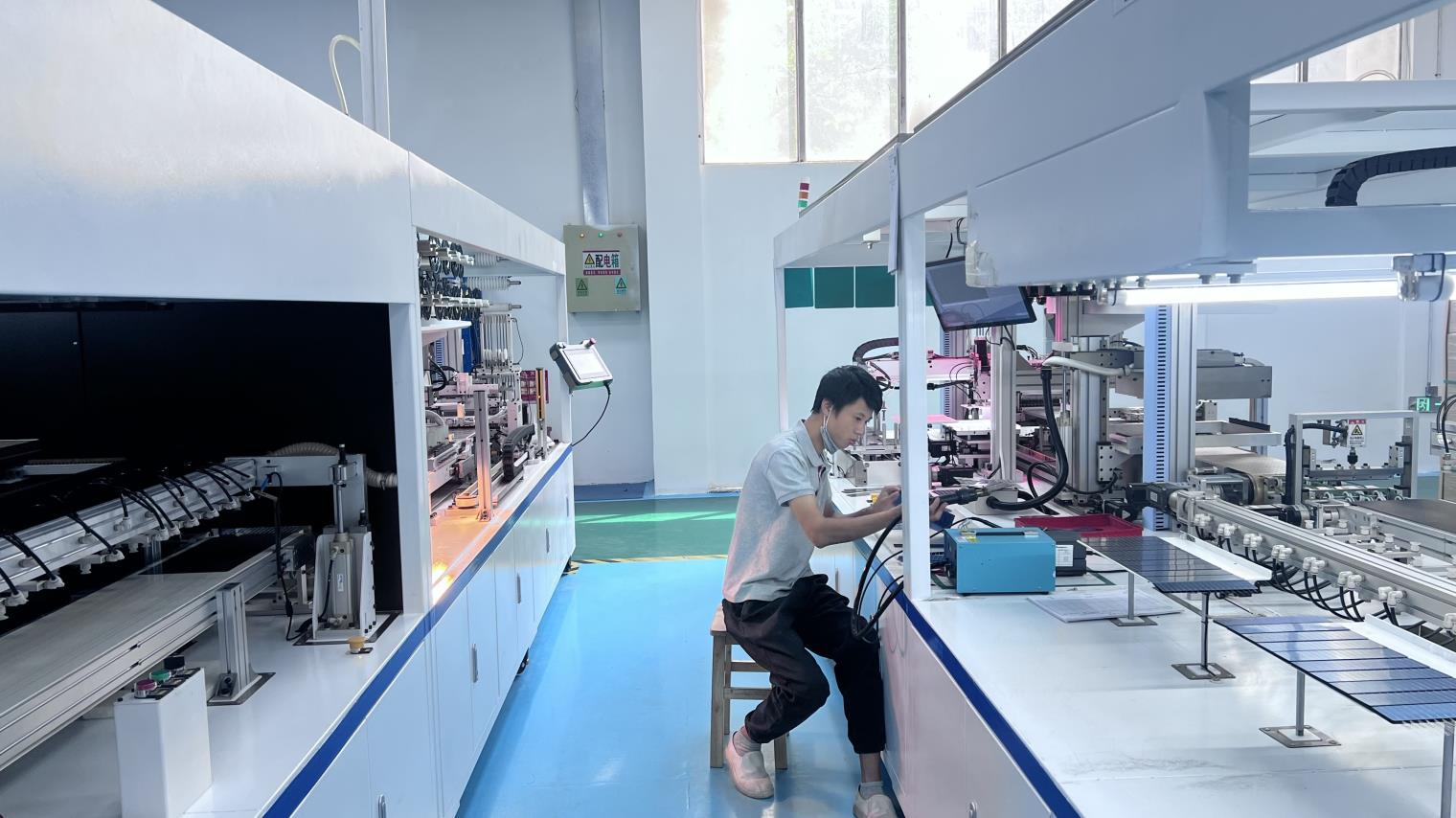
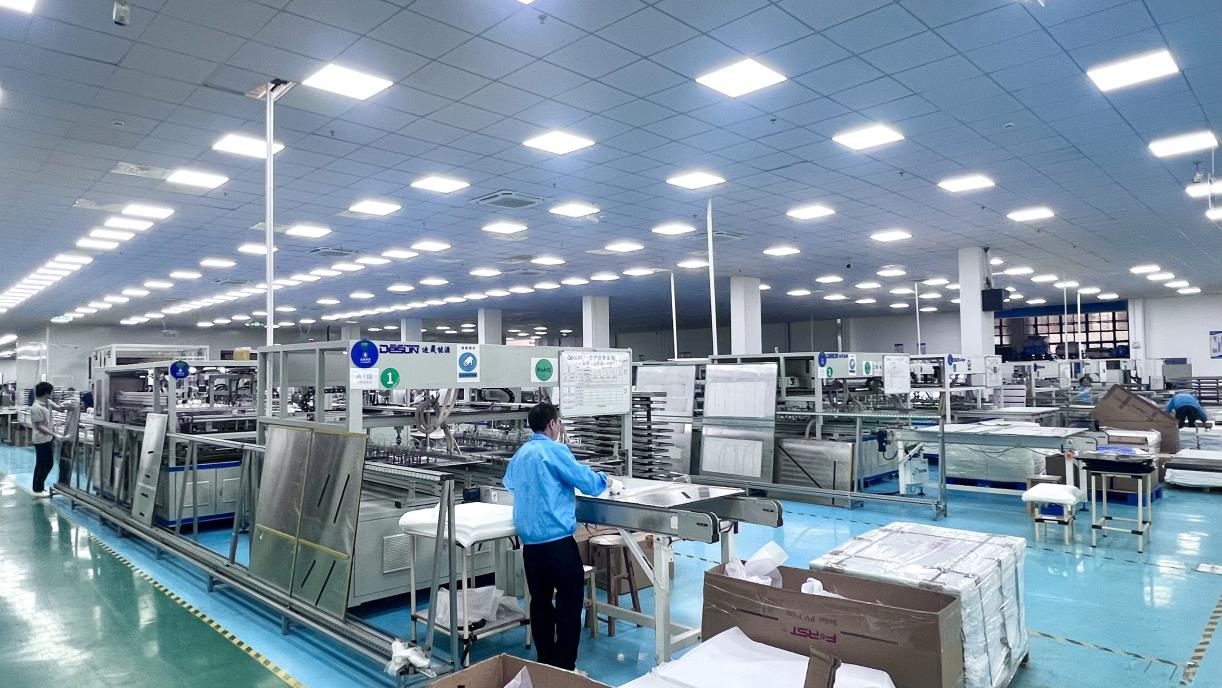
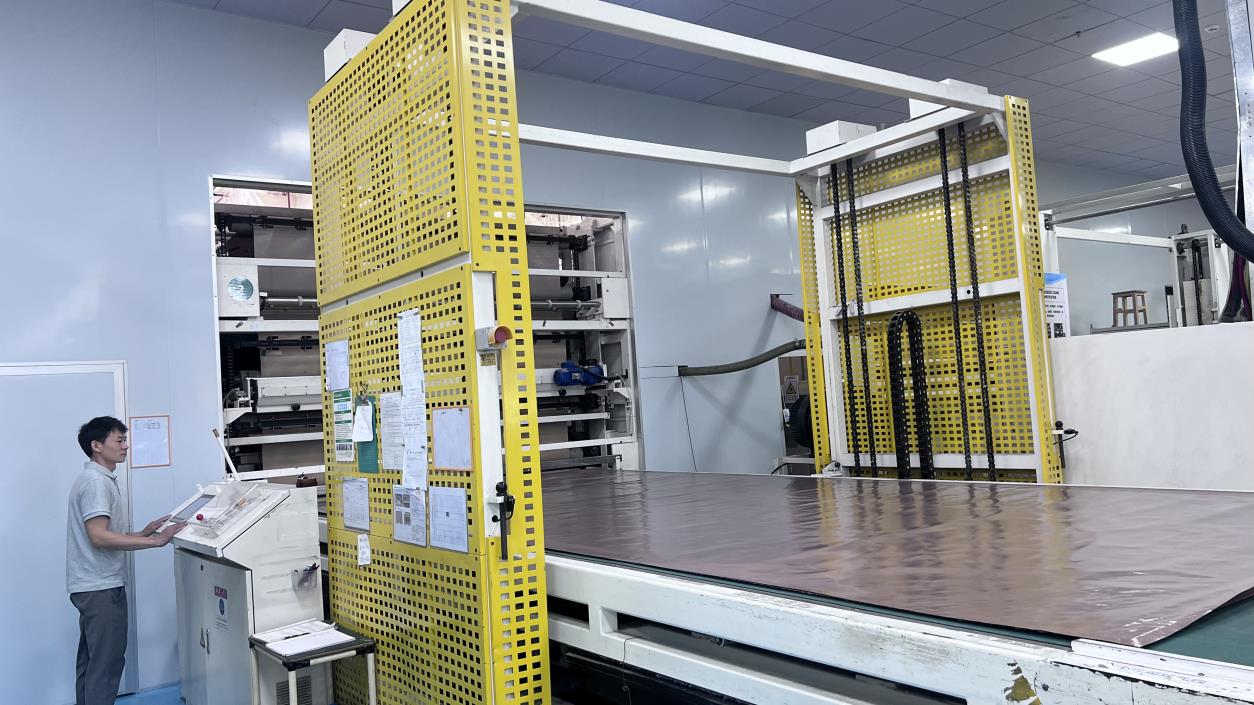
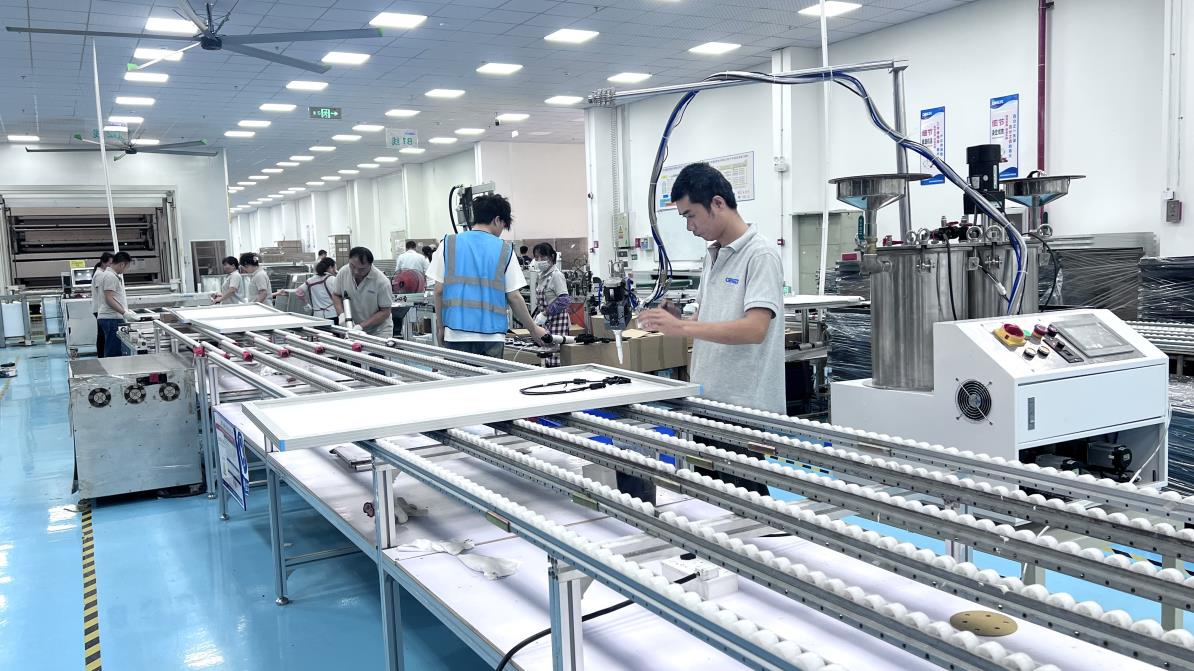
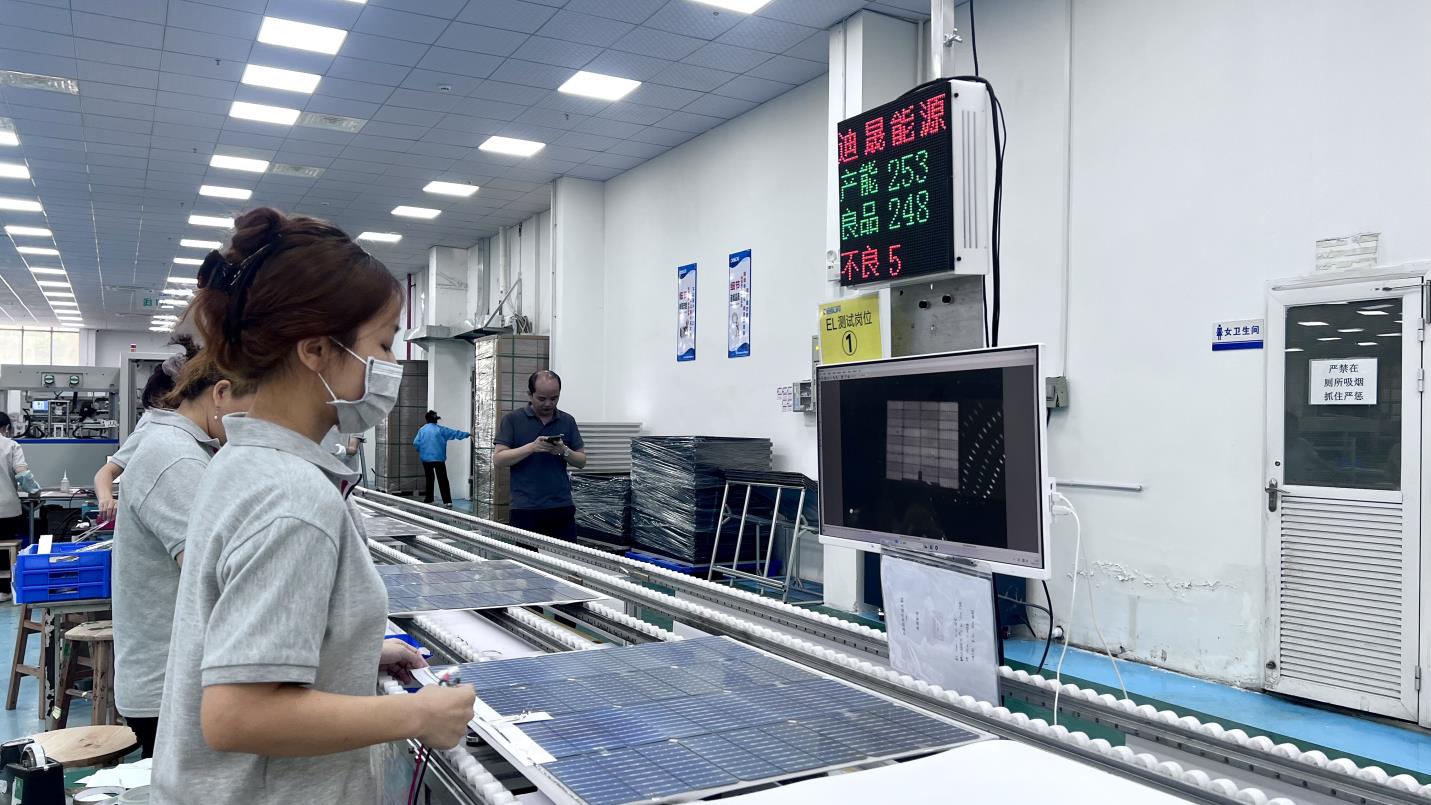
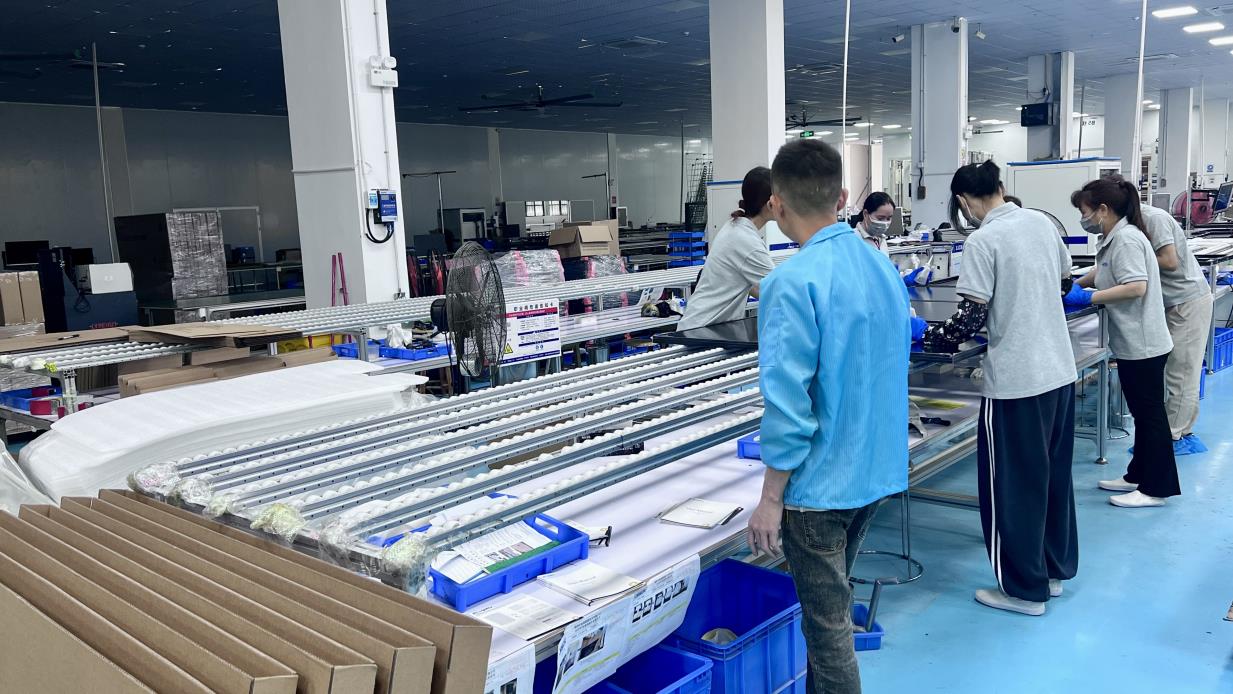
Xiamen ConTech Solar Co., Ltd. has established a state-of-the-art vertical integration process. The high-performance PV modules we manufacture are direct physical realizations of advanced research into solar resource dynamics. Every single production step in our facility is managed under strict international quality control systems:
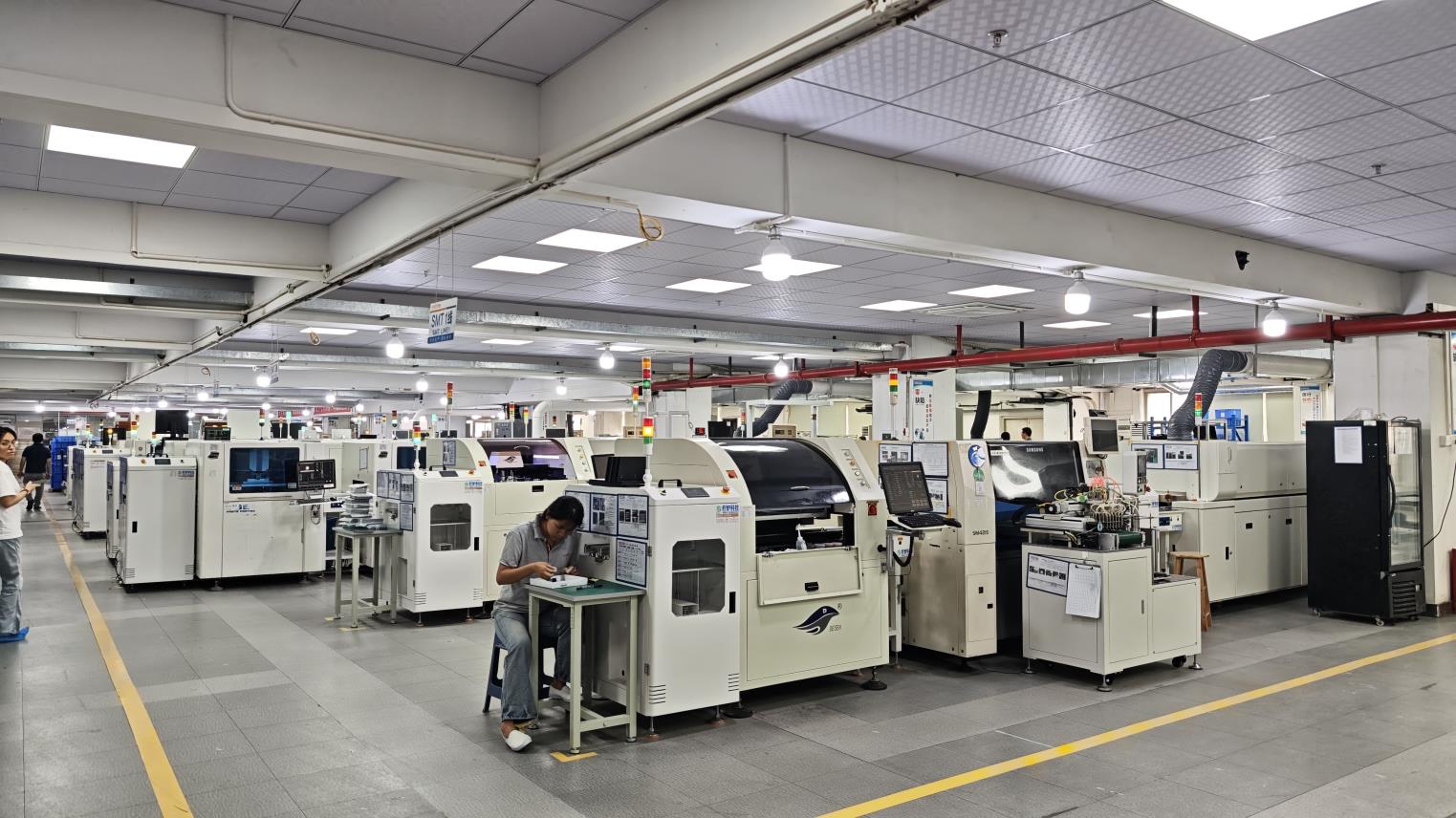
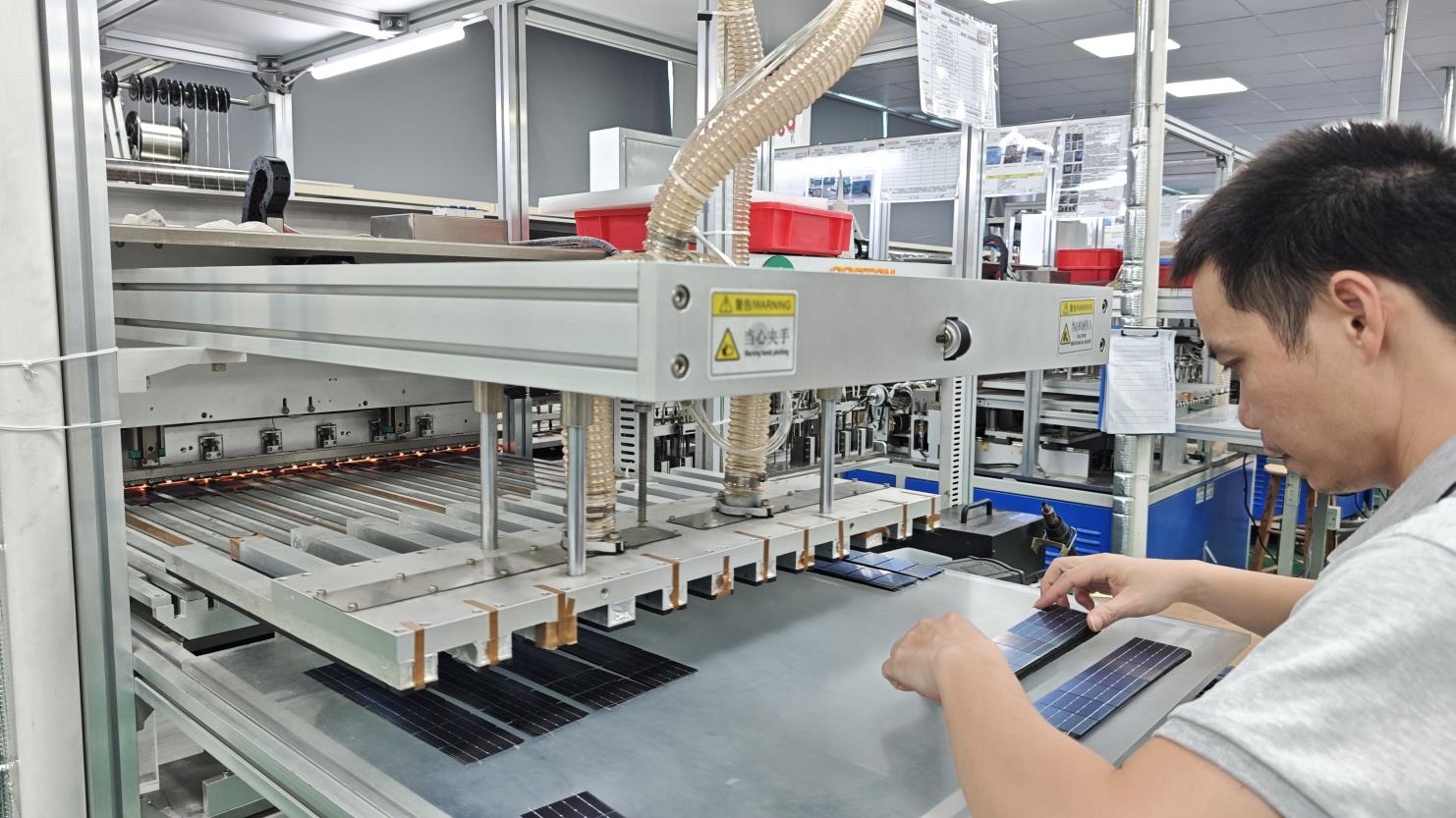
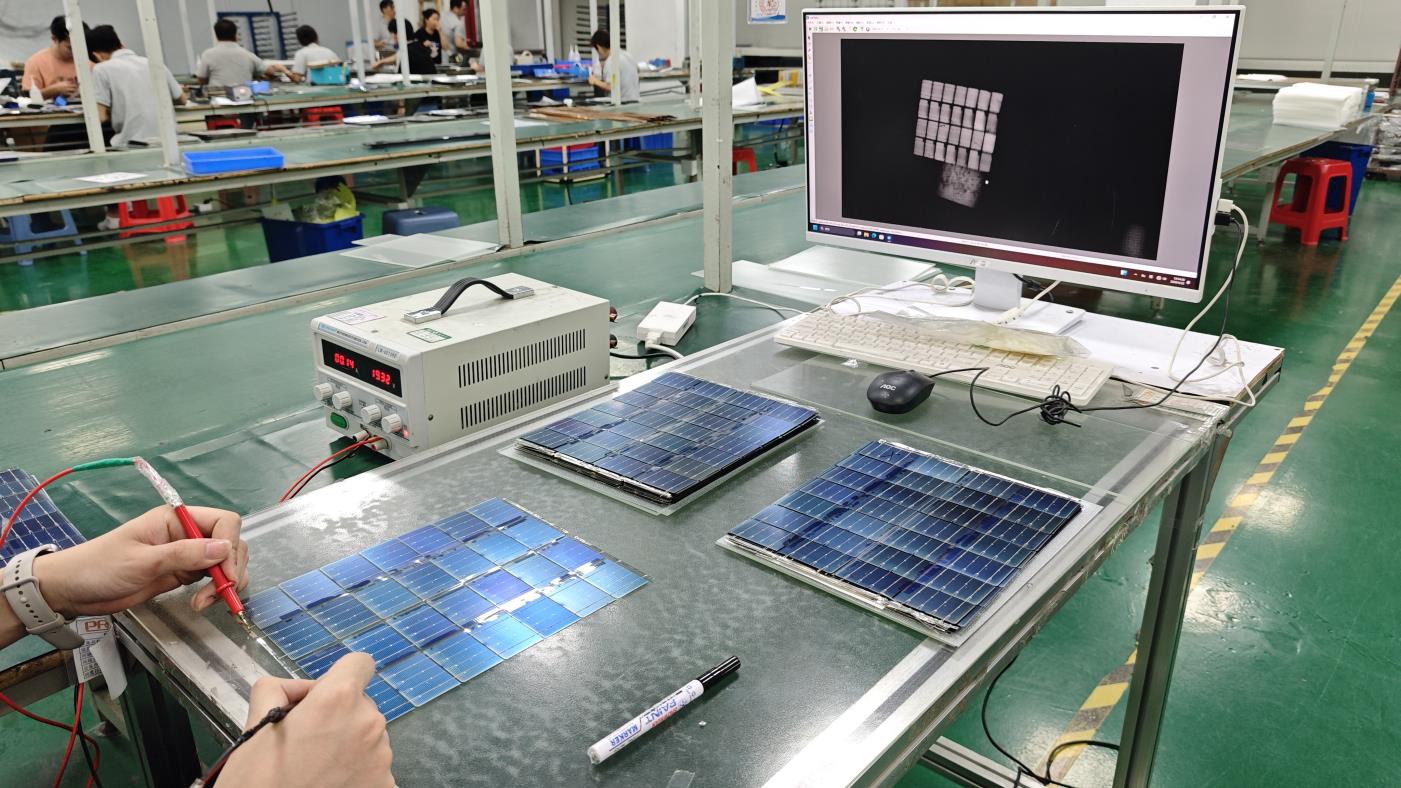
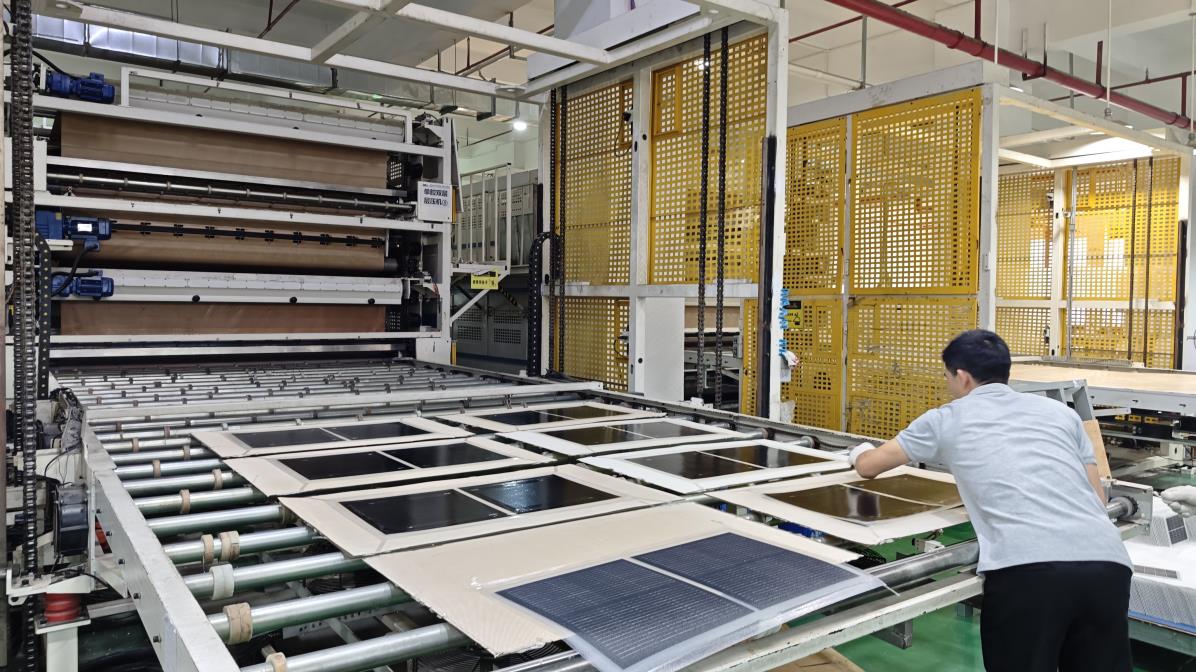
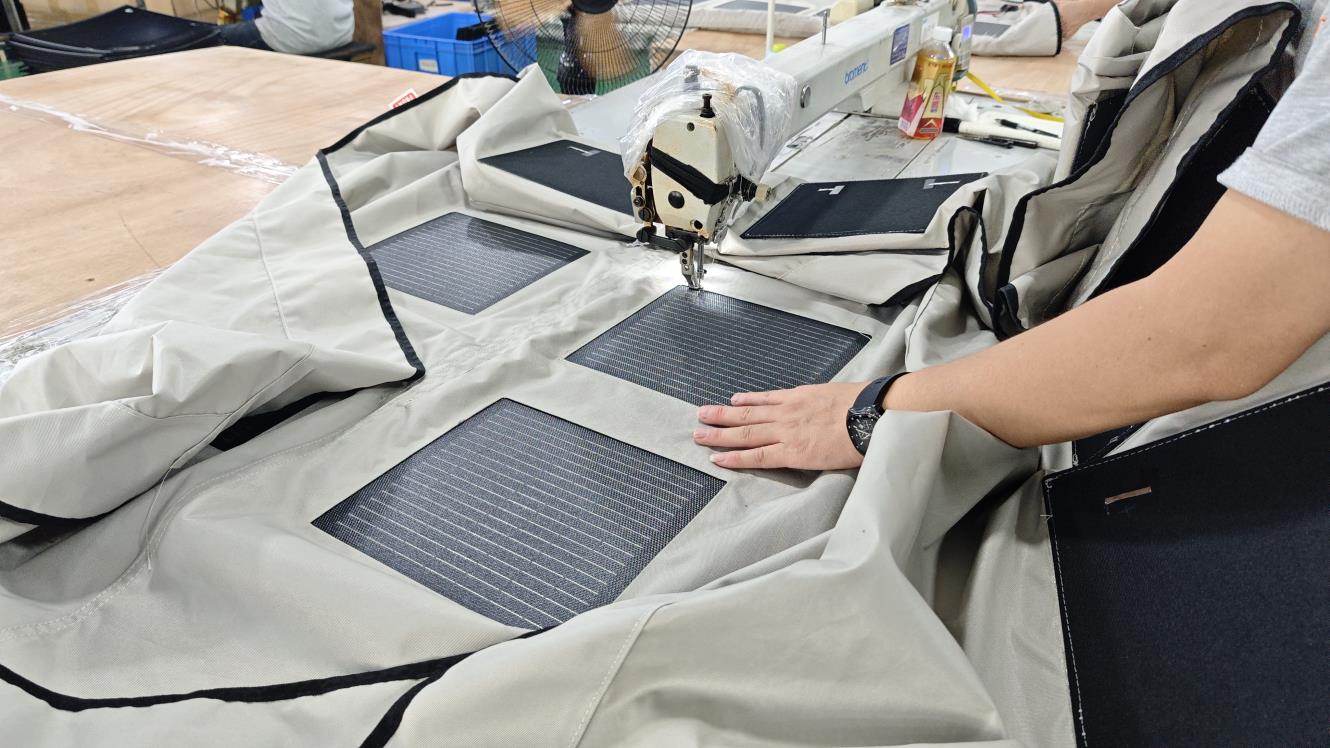
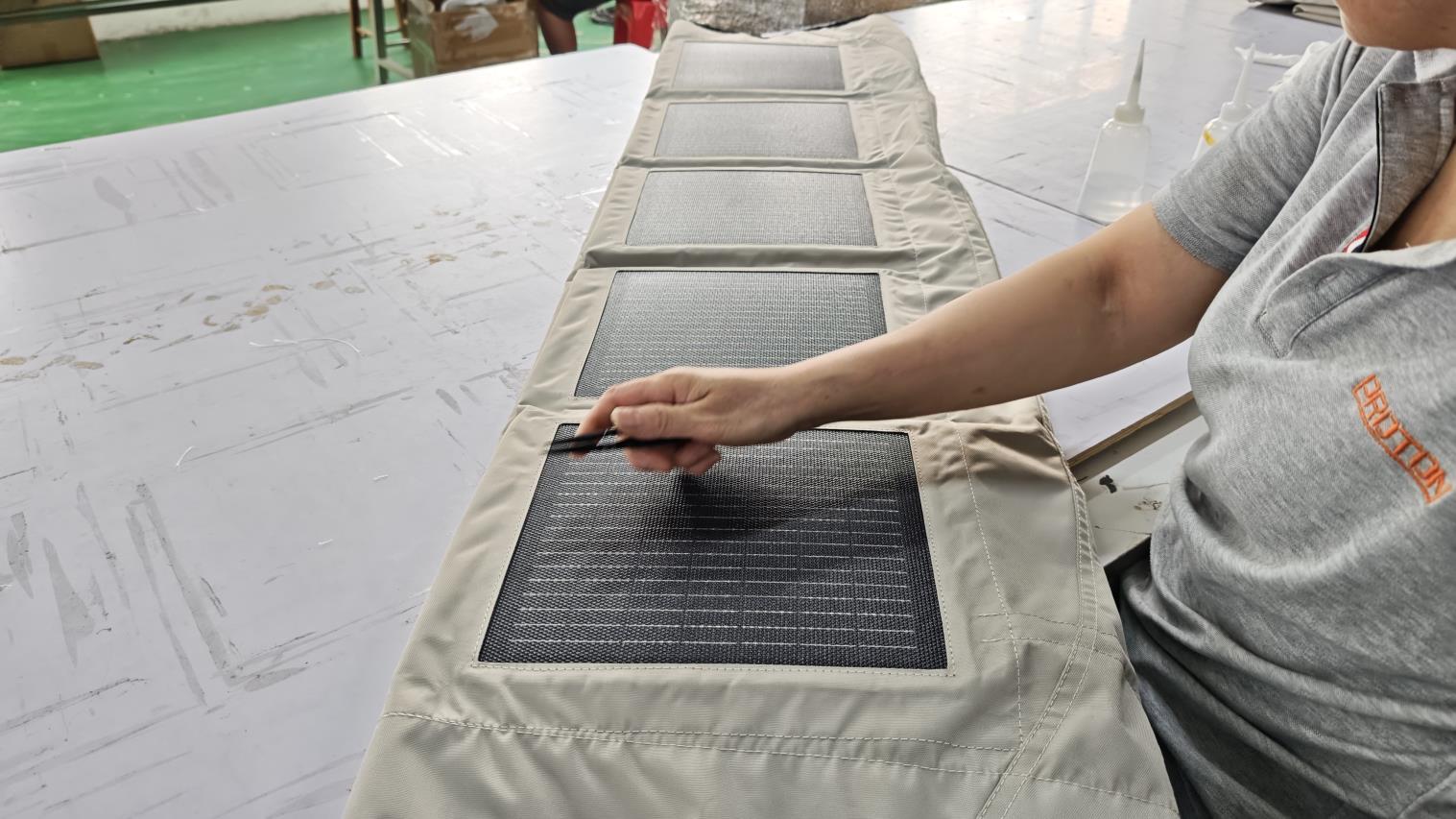
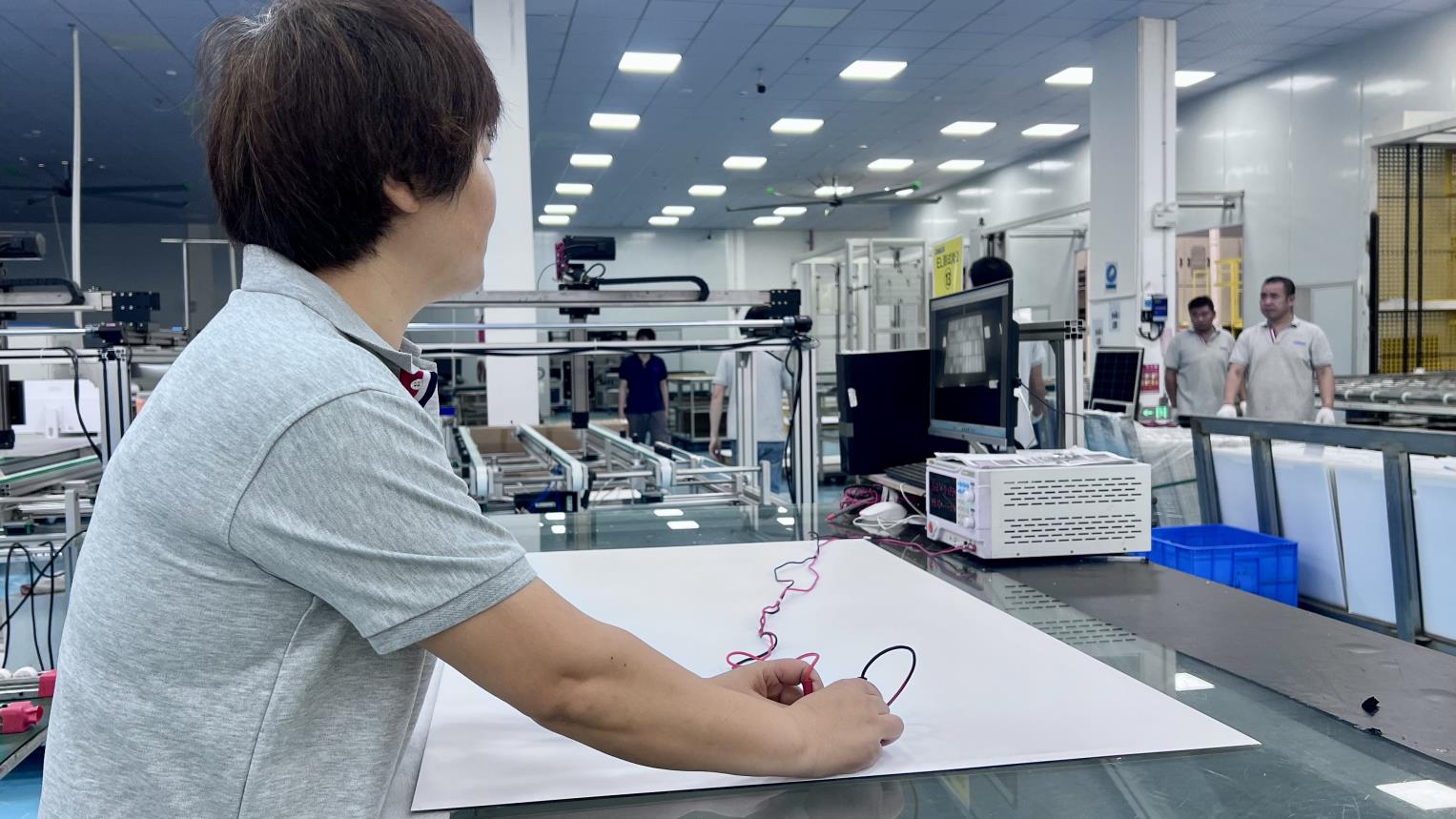
From the early phases of Laser Scribing and precision SMT assembly, to the structural processing of Series Welding and advanced multi-layer Laminating, we ensure our modules maintain high structural durability. We strictly apply advanced IQC (Incoming Quality Control), comprehensive Semi-finished Product Testing, and multi-stage EL (Electroluminescence) Inspection. This strict manufacturing pipeline is designed to eliminate micro-cracks and potential-induced degradation (PID), ensuring long-term operational stability and highly predictable generation characteristics.