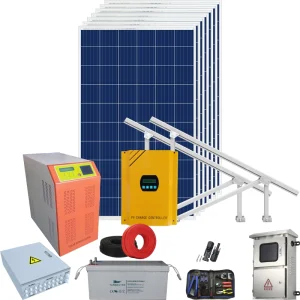
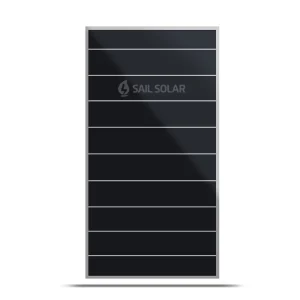
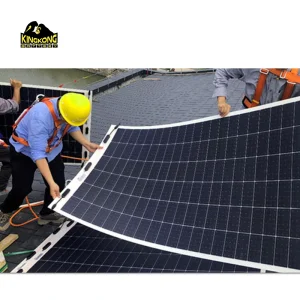
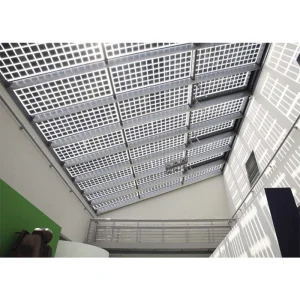
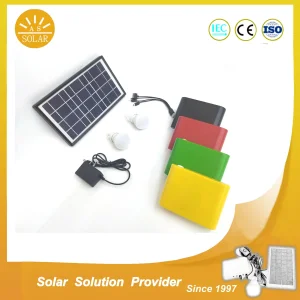
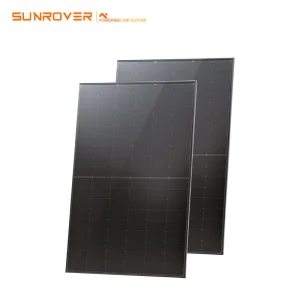
Explore our foundational range of certified photovoltaic modules, flexible thin-film systems, and integrated storage kits designed for extreme reliability.
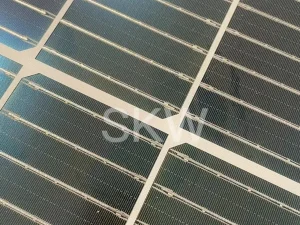
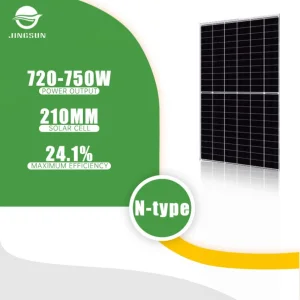
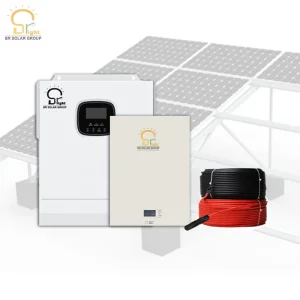
Analyzing global decentralized energy dynamics: from electrochemical efficiency optimizations to high-reliability hardware engineering.
Decentralized structures require fault-tolerant multi-source energy orchestration, combining highly efficient HJT modules and smart LFP storage to guarantee 99.999% localized runtime protection.
Industrial applications demand strict OEM flexibility—tailoring voltage output, encapsulation materials (ETFE vs. Glass), and mounting architectures to adapt to corrosive or sub-zero environments.
Moving past standard storage, our intelligent Hybrid solar-battery systems optimize Levelized Cost of Storage (LCOS) via high-density thermal management and precise real-time SOC algorithms.
The transition toward complete energy autonomy is no longer just an environmental aspiration; it is an industrial and commercial imperative. As global power grids suffer from climate-induced instability, geopolitical polarization, and escalating transmission costs, the requirement for robust off-grid solar power systems has reached unprecedented heights. Industry projection maps for 2025 through 2030 highlight a sharp shift from passive solar components to integrated, dynamically balanced micro-generation ecosystems.
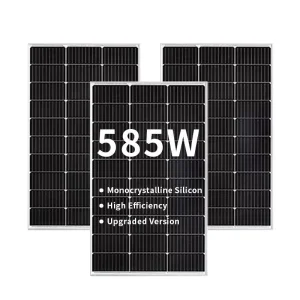
At the core of this transition lies the advancement of high-efficiency photovoltaic materials. Standard P-type PERC cells are steadily being replaced by advanced N-Type TOPCon and Heterojunction (HJT) technologies. These advanced crystalline architectures offer a superior temperature coefficient (averaging -0.26%/°C), negligible Light Induced Degradation (LID), and massive bifaciality factors. For industrial engineering companies procuring off-grid equipment, this translates directly to higher operational efficiency under diffuse light conditions and sustained energy output during extreme summer heatwaves.
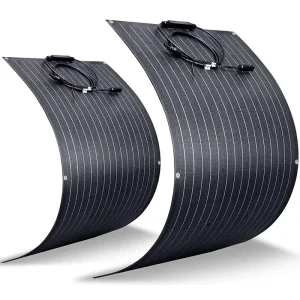
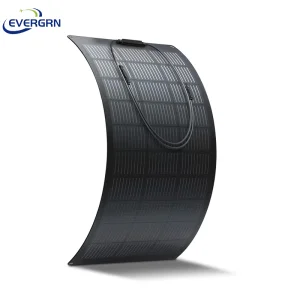
Simultaneously, the demand for physical versatility has catalyzed the commercialization of lightweight, semi-flexible, and Building-Integrated Photovoltaic (BIPV) modules. Using specialized fluoropolymer encapsulations like ETFE (Ethylene Tetrafluoroethylene), modern manufacturers can produce marine-grade panels that weigh up to 70% less than glass equivalents. These modules are specifically engineered to withstand heavy UV exposure and saline corrosion on curved surfaces, making them highly suited for offshore installations, transportation platforms, and off-grid remote base stations.
For industrial procurement officers, EPC contractors, and global distributors, sourcing off-grid solar equipment requires navigating a complex matrix of operational demands. Unlike standard residential systems, utility-grade and industrial off-grid configurations demand severe component synergy. An incompatible match between the open-circuit voltage (Voc) of a solar array and the maximum input voltage threshold of an MPPT controller can easily trigger critical failures.
To meet these strict requirements, Tier-1 OEM/ODM suppliers have transformed their manufacturing philosophies. Rather than delivering rigid off-the-shelf bundles, factories now offer customized layouts that optimize balance-of-system (BOS) configurations. Key customizable specifications include:
This level of customized engineering requires deep technical communication from the initial structural design down to final factory assembly. Reliable OEM partners utilize automated electrical modeling and structural simulation software to verify wind load resistance, thermal dissipation properties, and degradation ratios long before the manufacturing phase begins. This technical rigor reduces operational risk, ensuring that multi-million-dollar off-grid micro-investments achieve projected returns over their 25-year lifespans.
Analyzing advanced automation, strict quality control procedures, and high-efficiency manufacturing pipelines driving supply chain resilience.
Xiamen ConTech Solar Co., Ltd. is a leading high-tech enterprise specializing in the research, development, engineering, and global delivery of solar energy products. Since its founding, ConTech Solar has remained committed to providing highly efficient, extremely reliable, and environmentally sustainable off-grid solar systems to global partners. Guided by a core operational philosophy of “Innovative Technology, Superior Quality, and Sustainable Development,” ConTech Solar continuously advances its technological research and automated manufacturing capabilities.
Leveraging an expert R&D team and highly precise production technology, Xiamen ConTech Solar Co., Ltd. manufactures elite solar modules, intelligent charge controllers, robust battery storage systems, and comprehensive microgrid solutions. Our products are engineered for structural integration within residential rooftops, remote commercial sites, heavy-duty industrial solar farms, agricultural micro-installations, and robust public lighting networks.
Every component delivered by ConTech Solar undergoes a strict, multi-step production and quality assurance workflow. The layout below demonstrates our end-to-end manufacturing capability, combining advanced robotics with highly accurate test equipment.
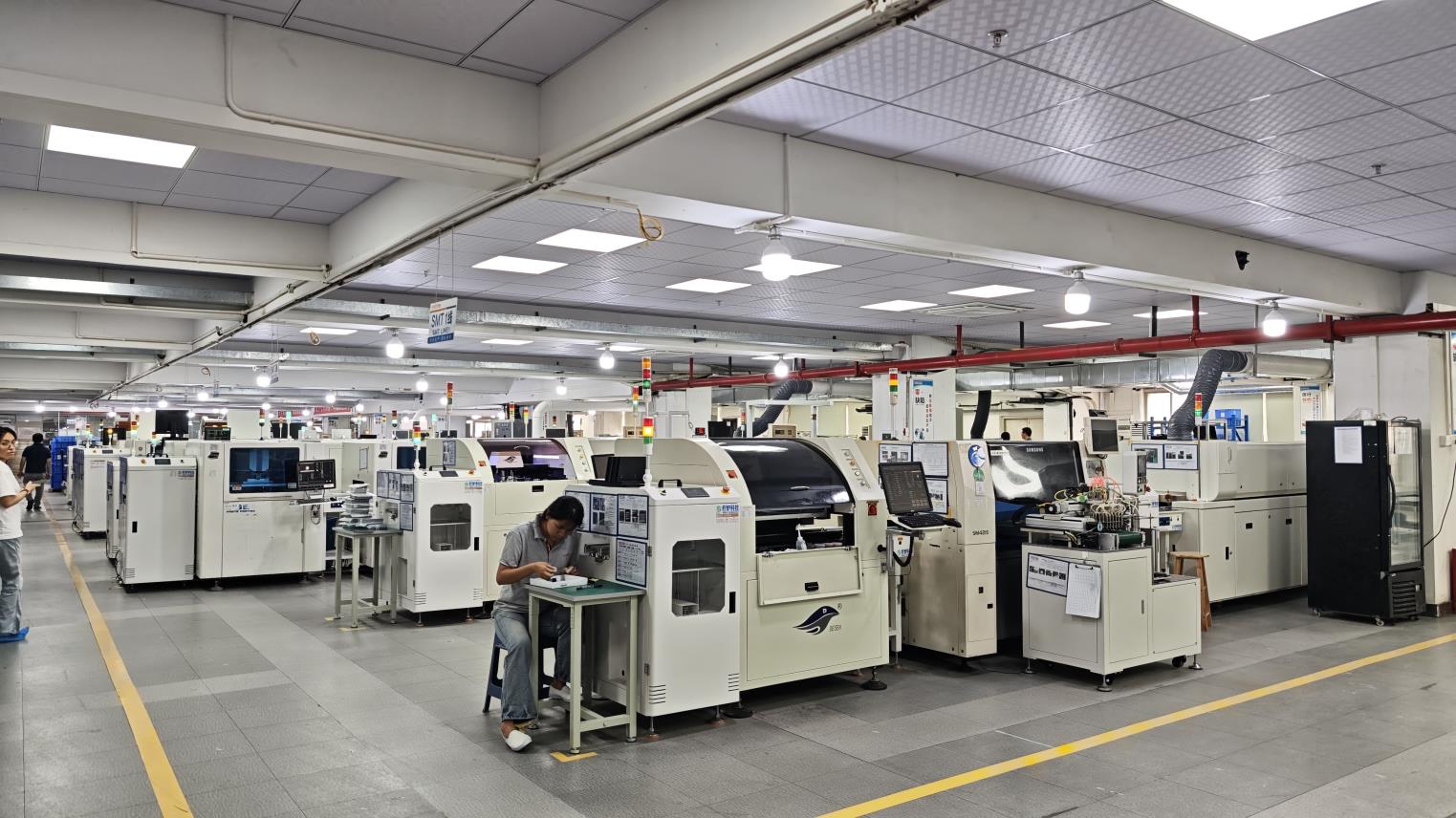
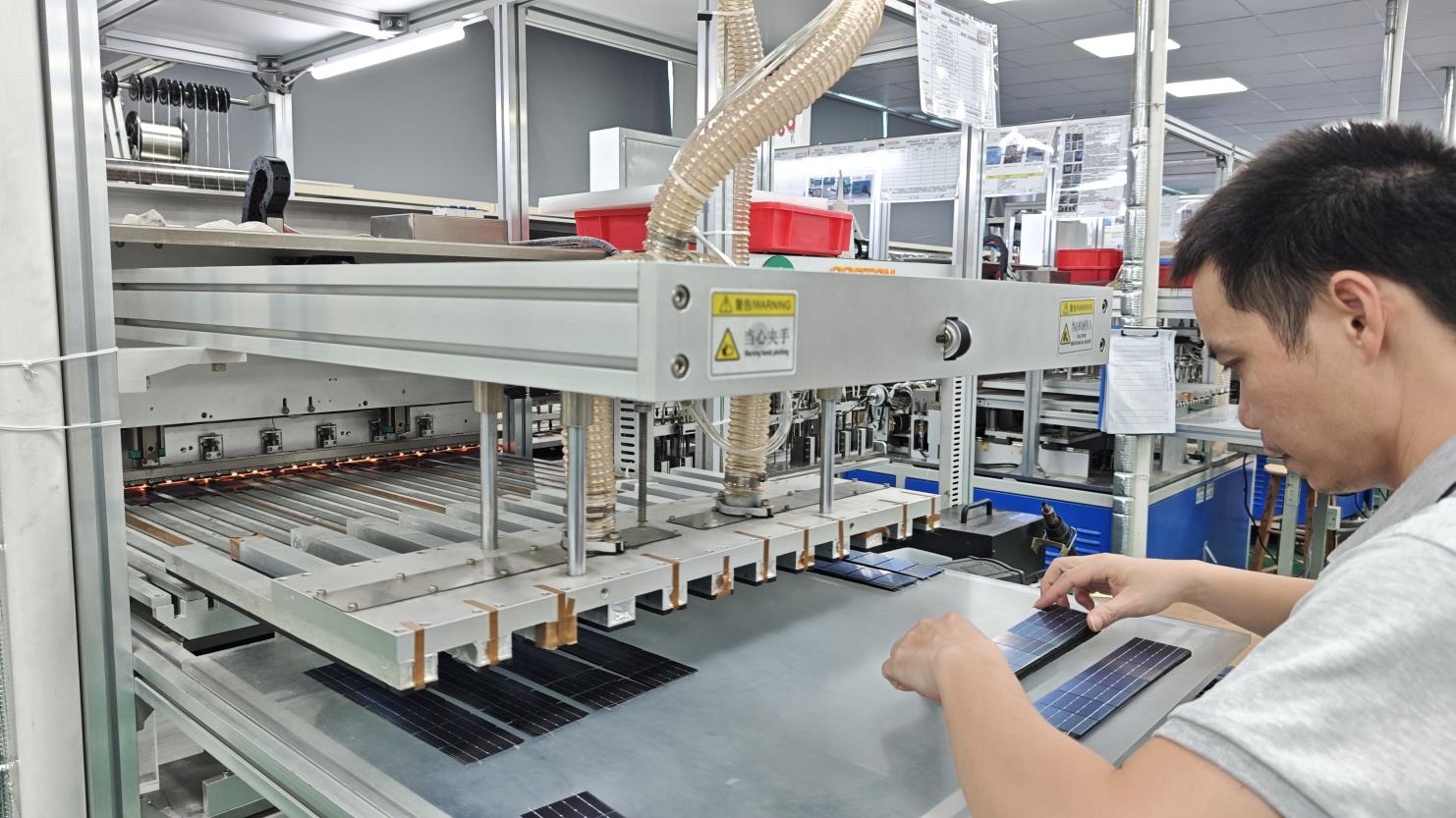
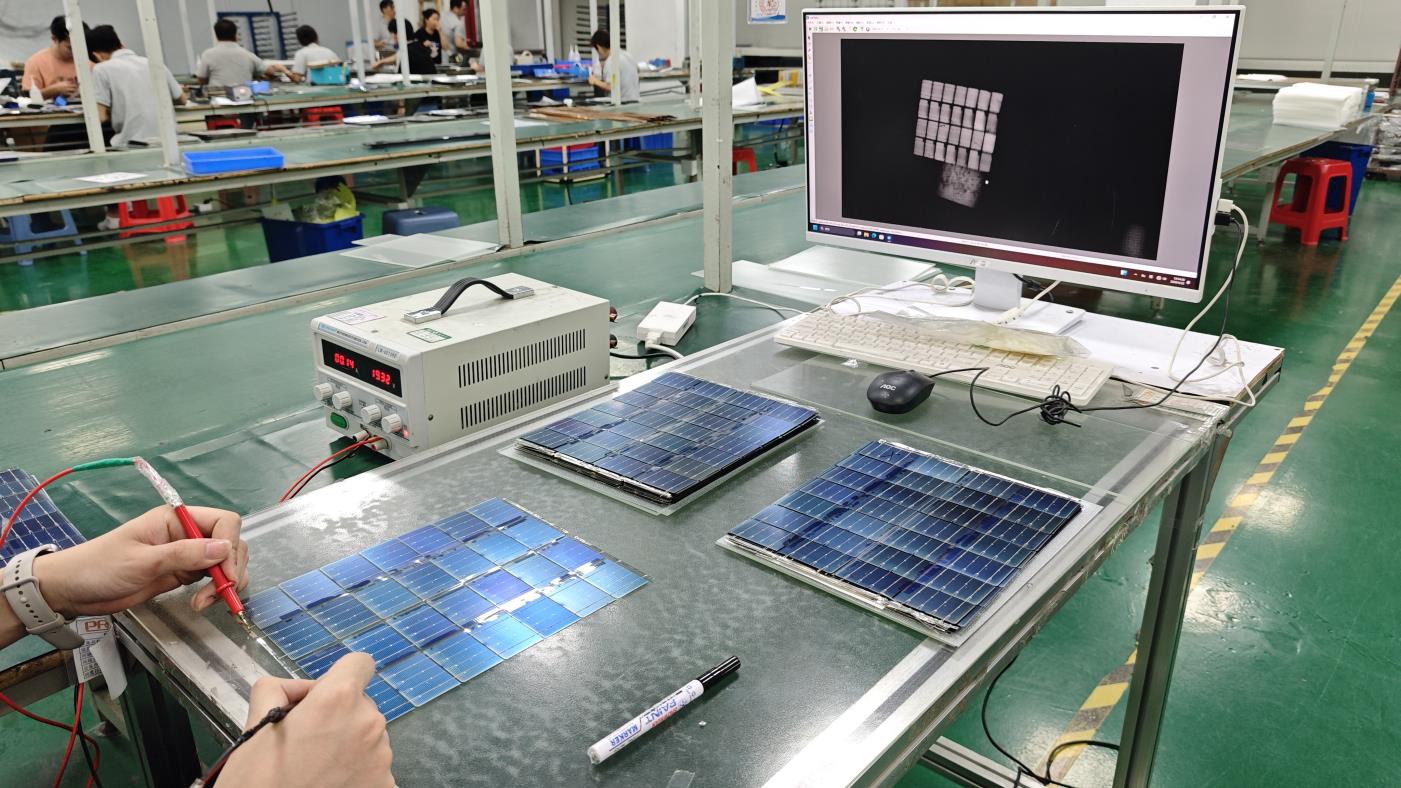
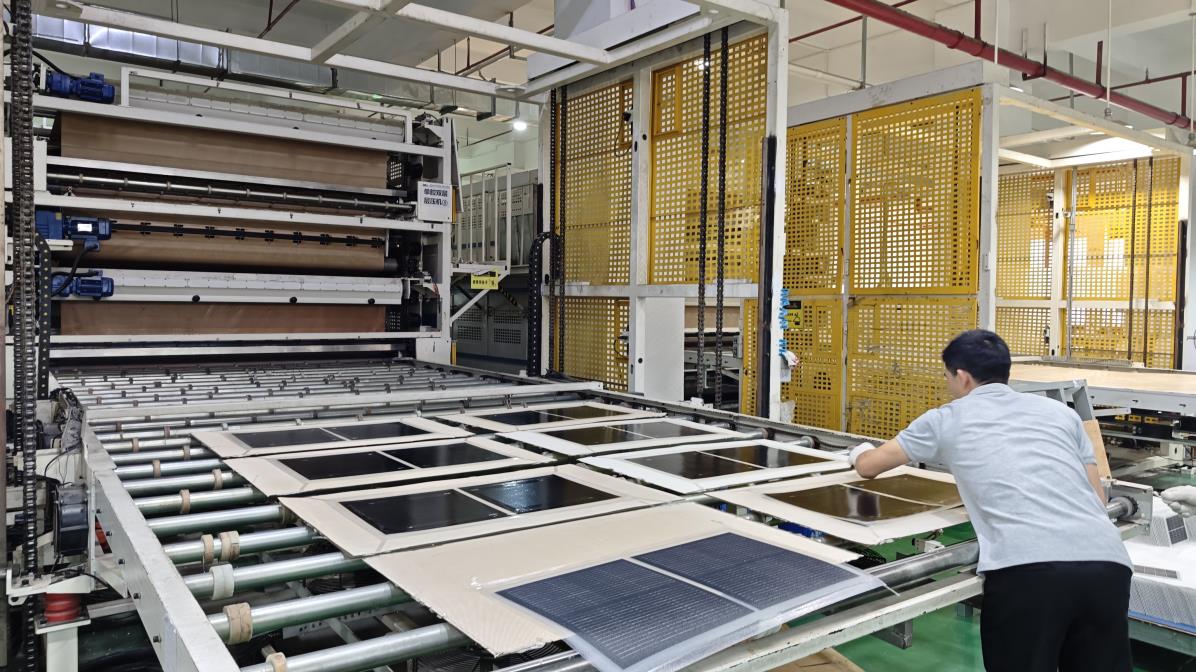
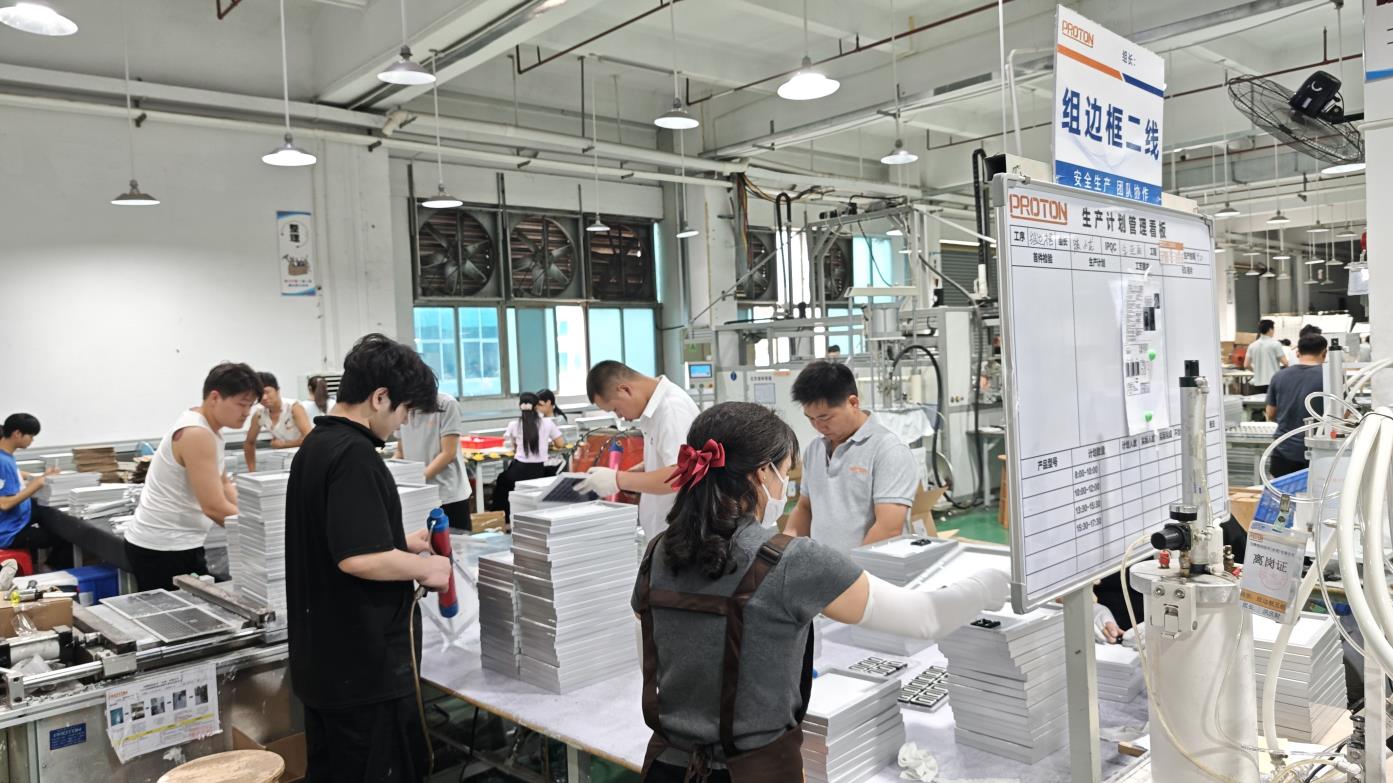
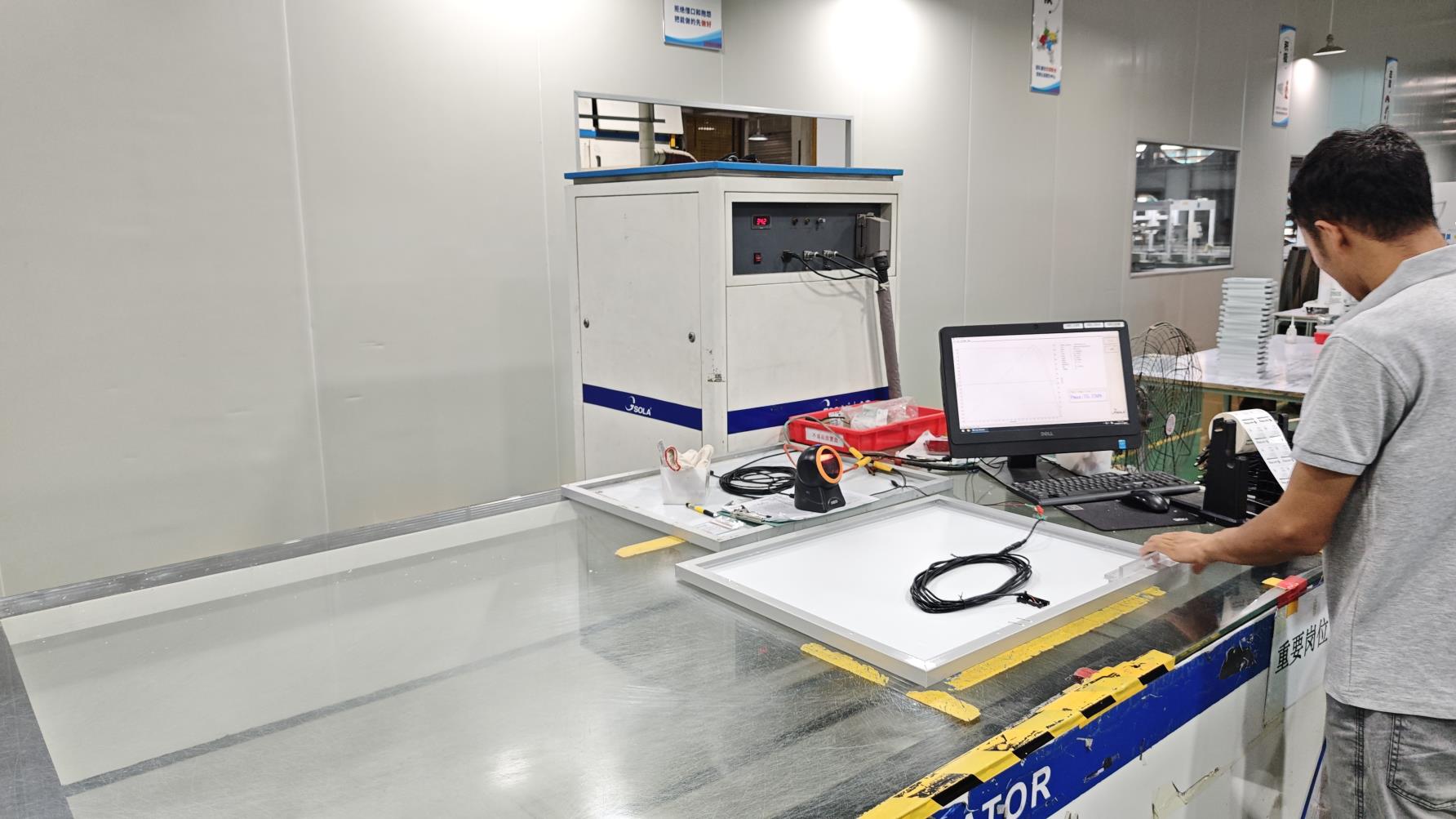
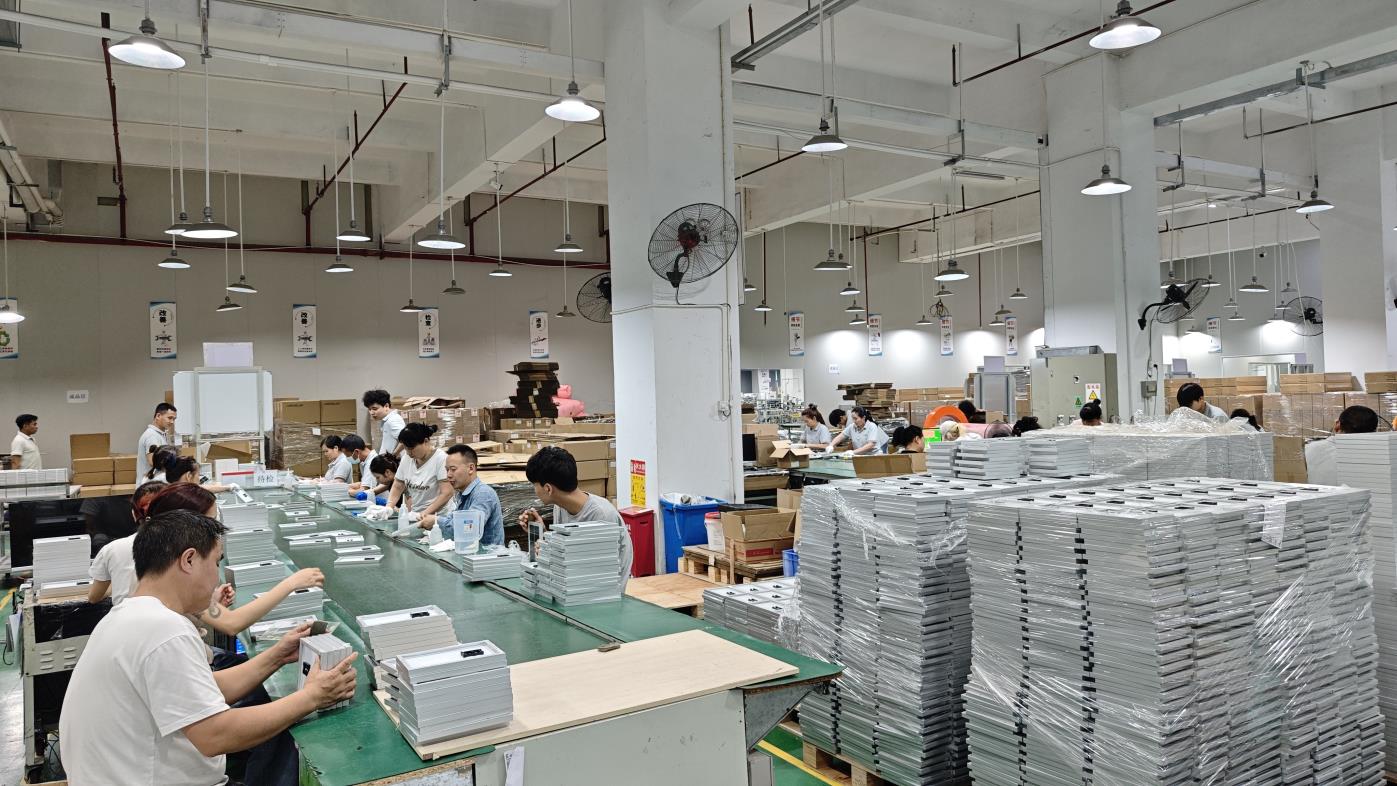
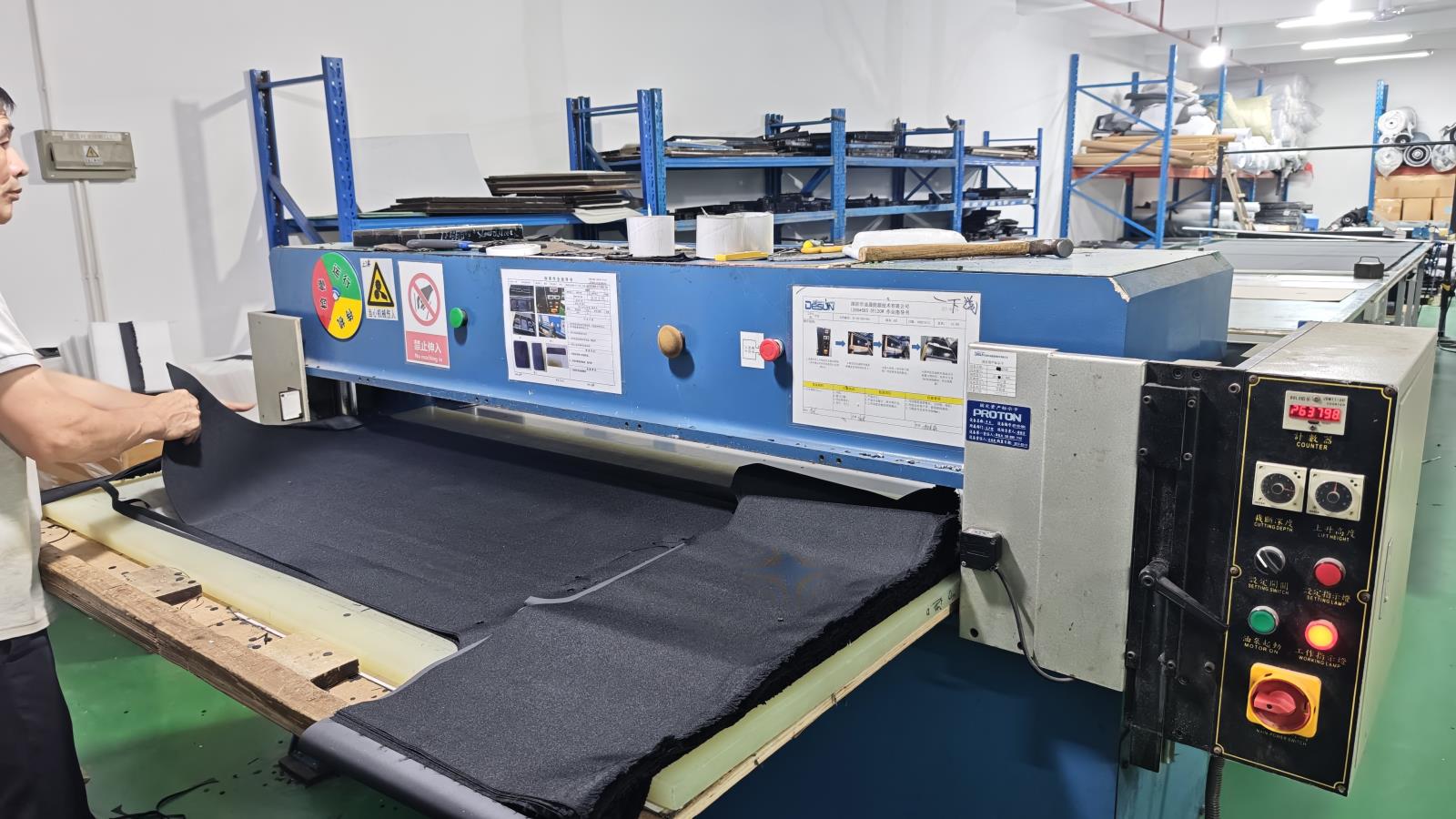
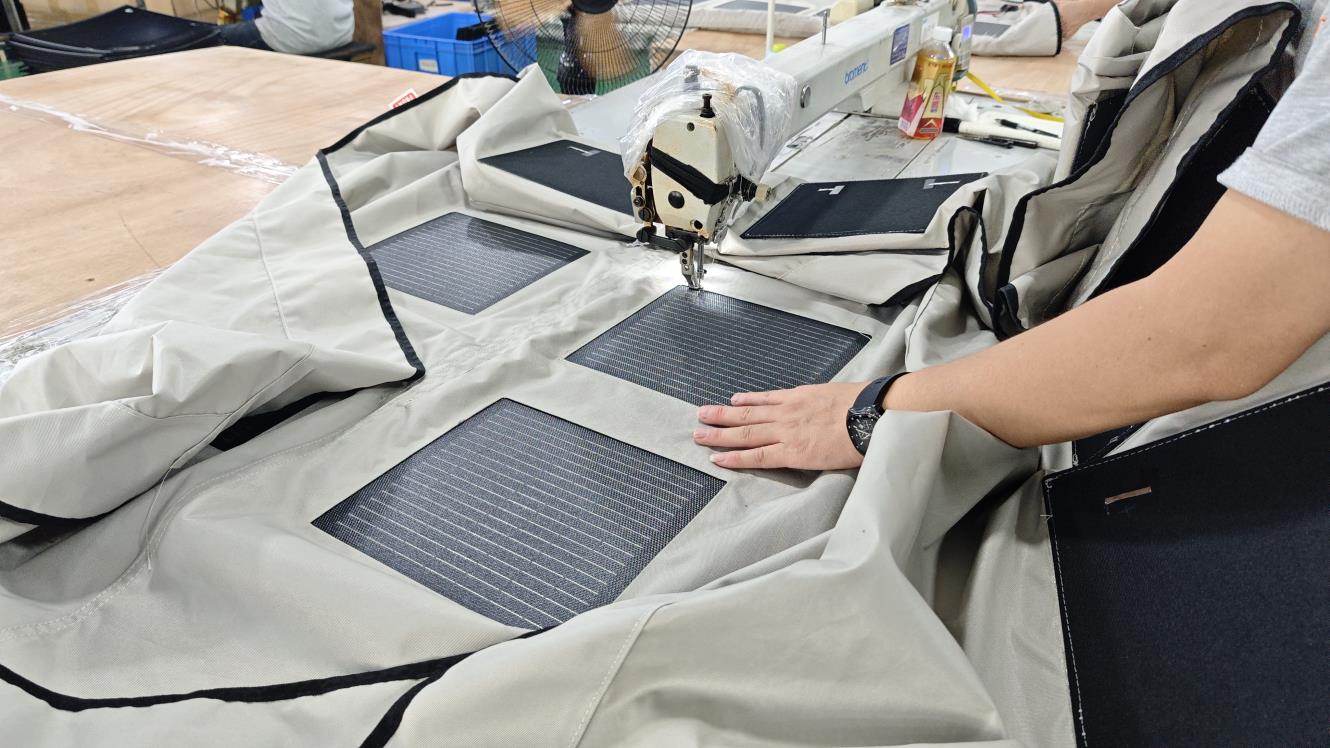
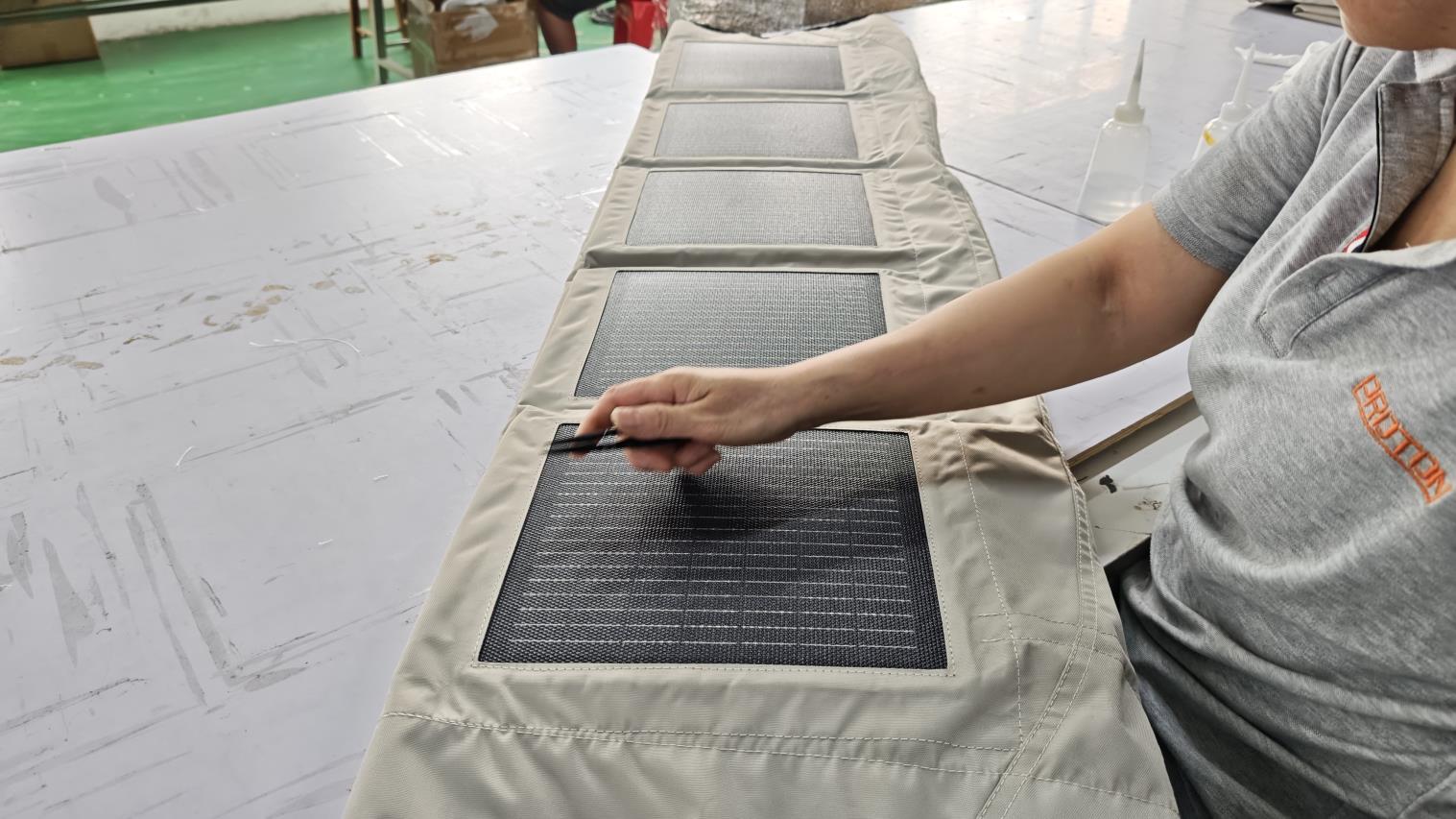

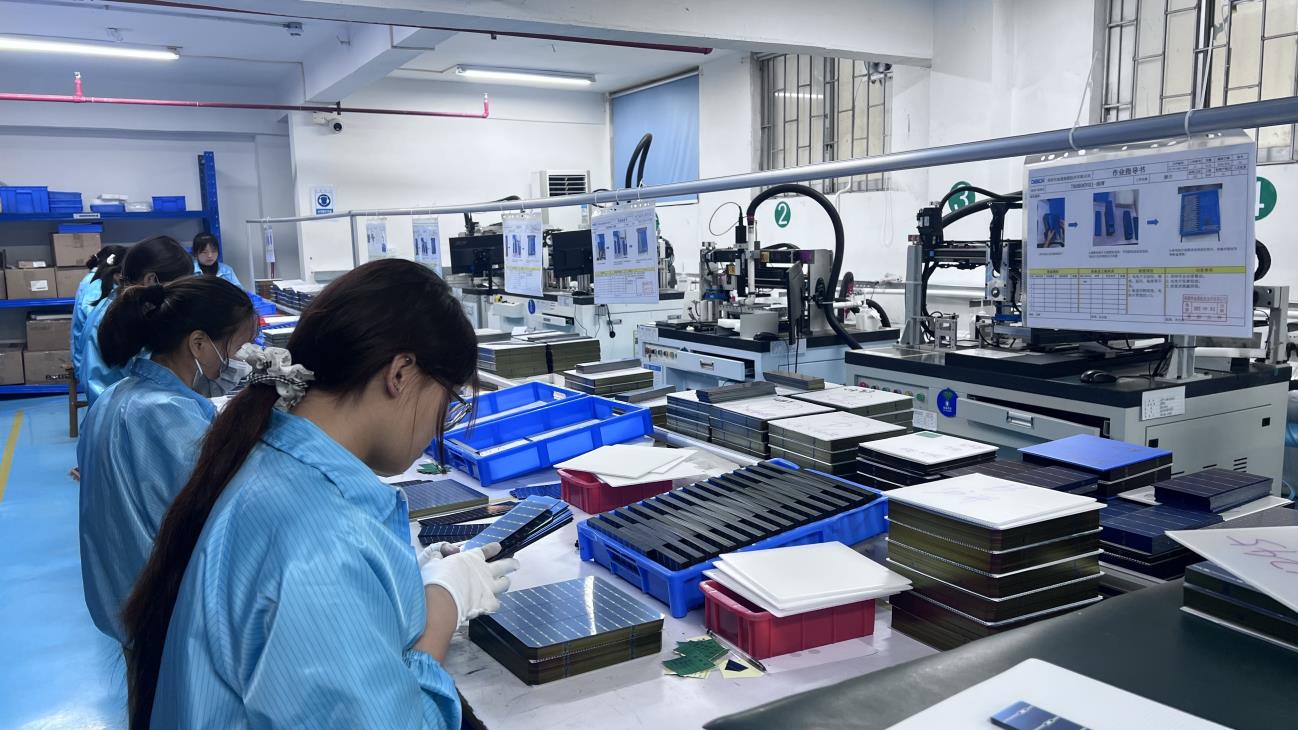
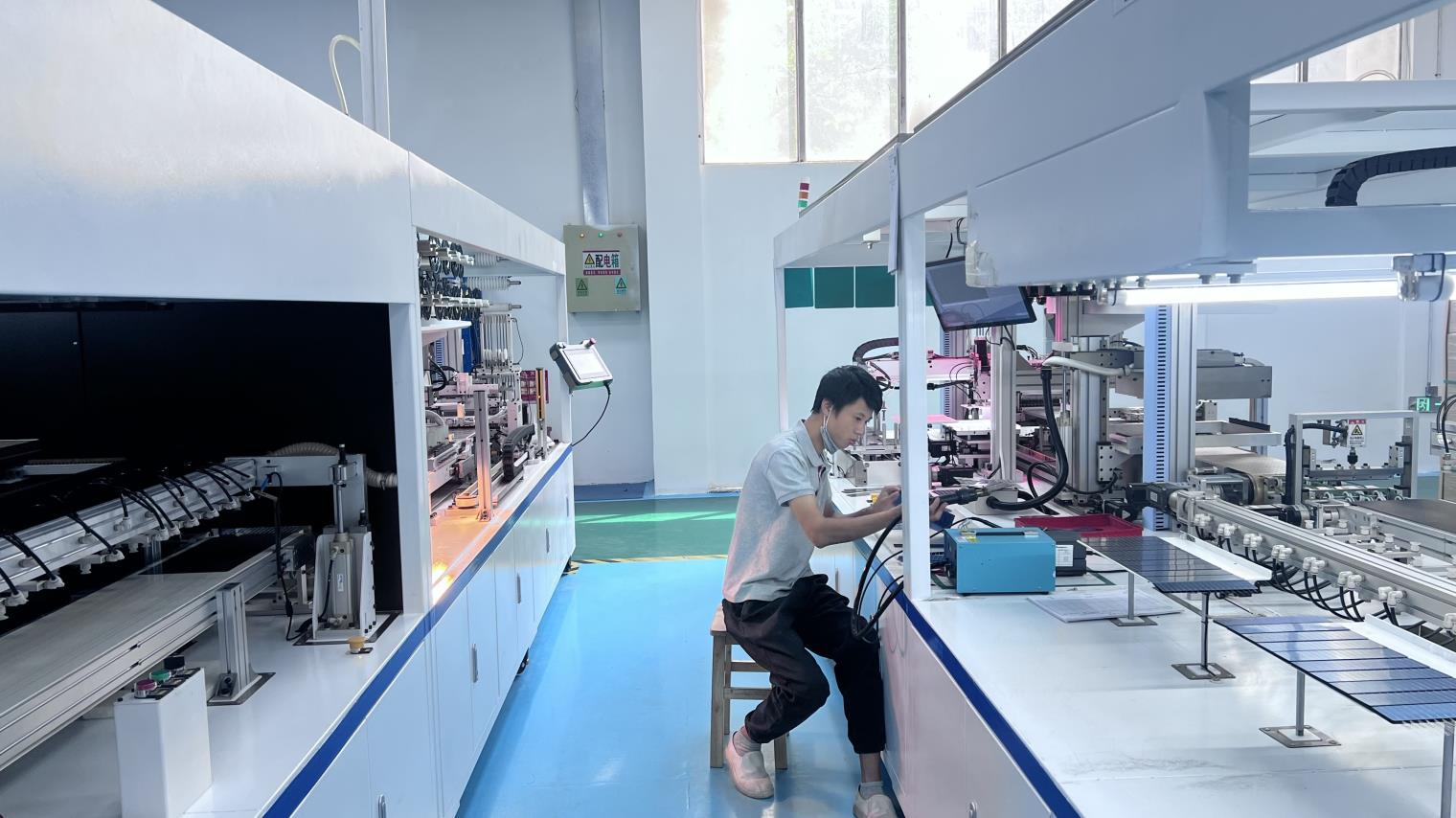
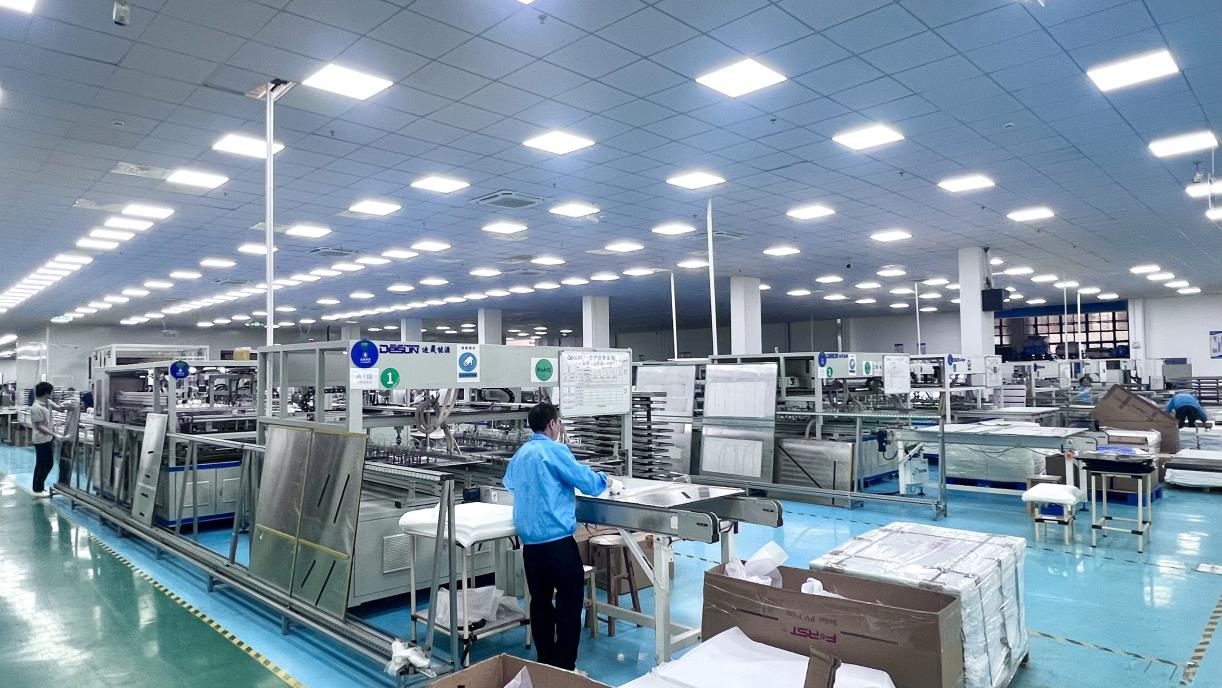
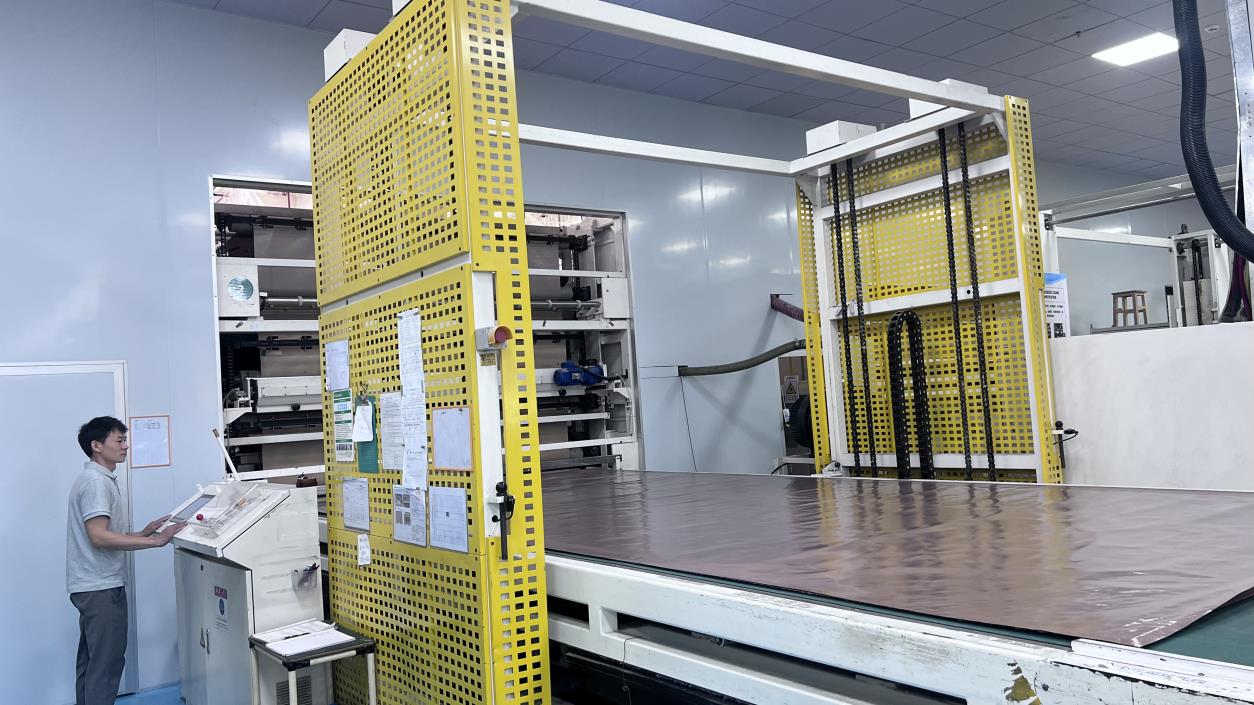
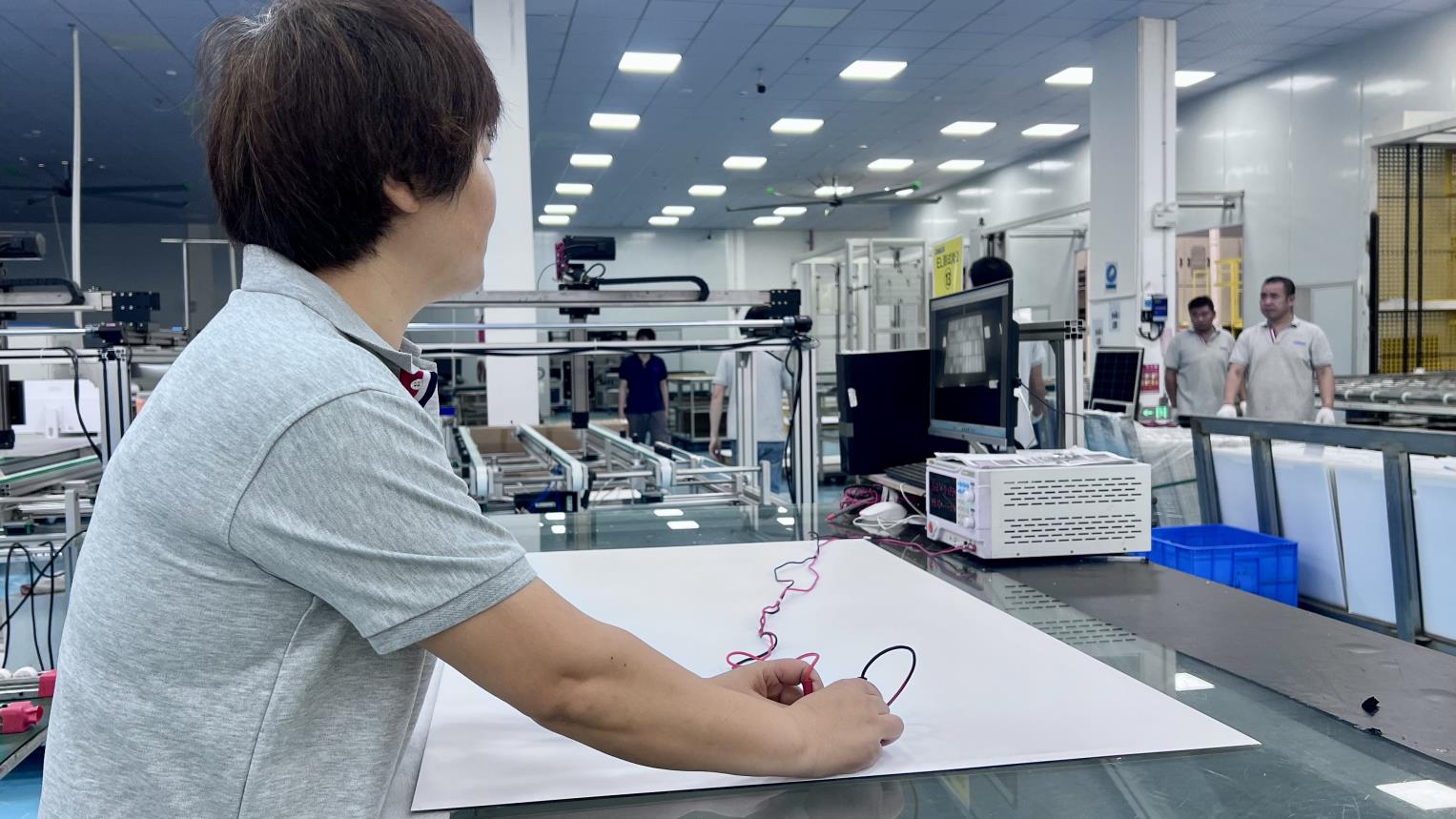
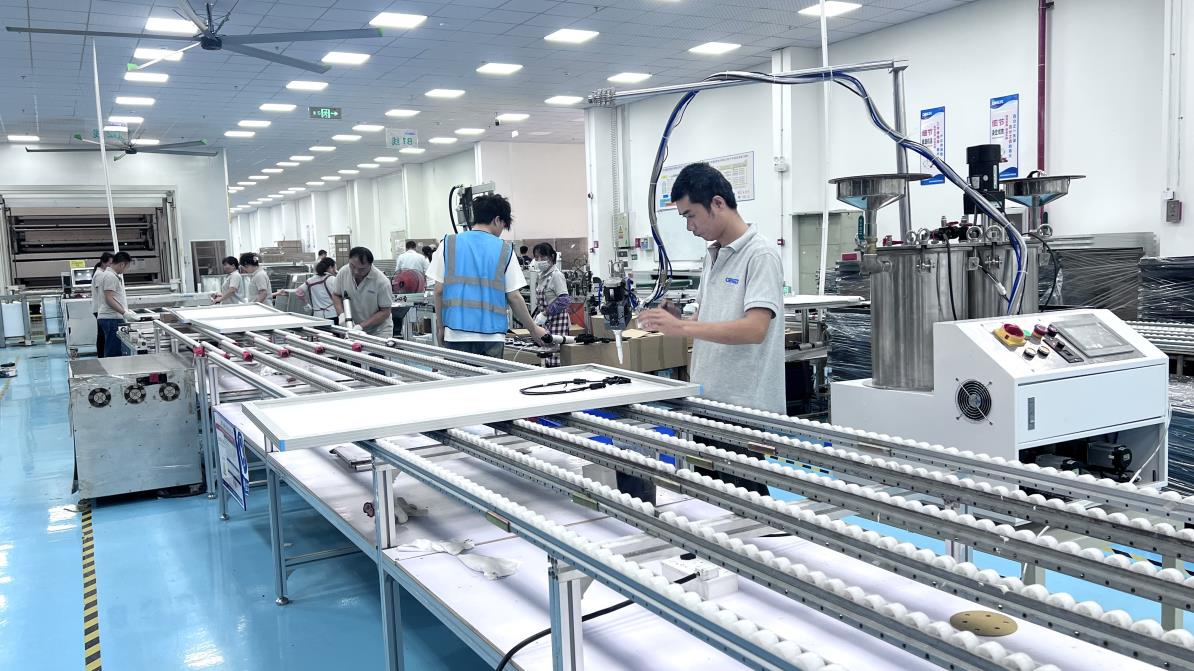
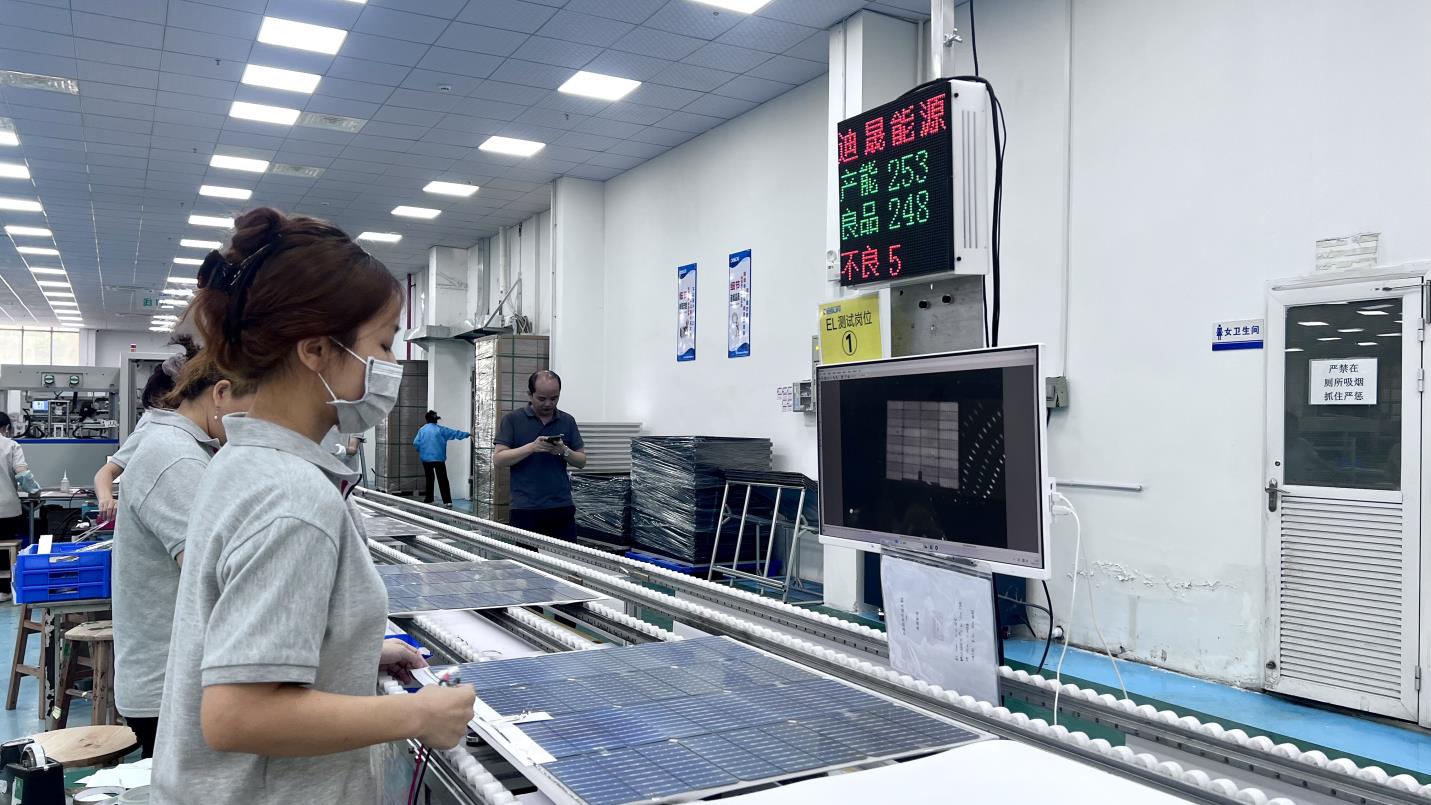
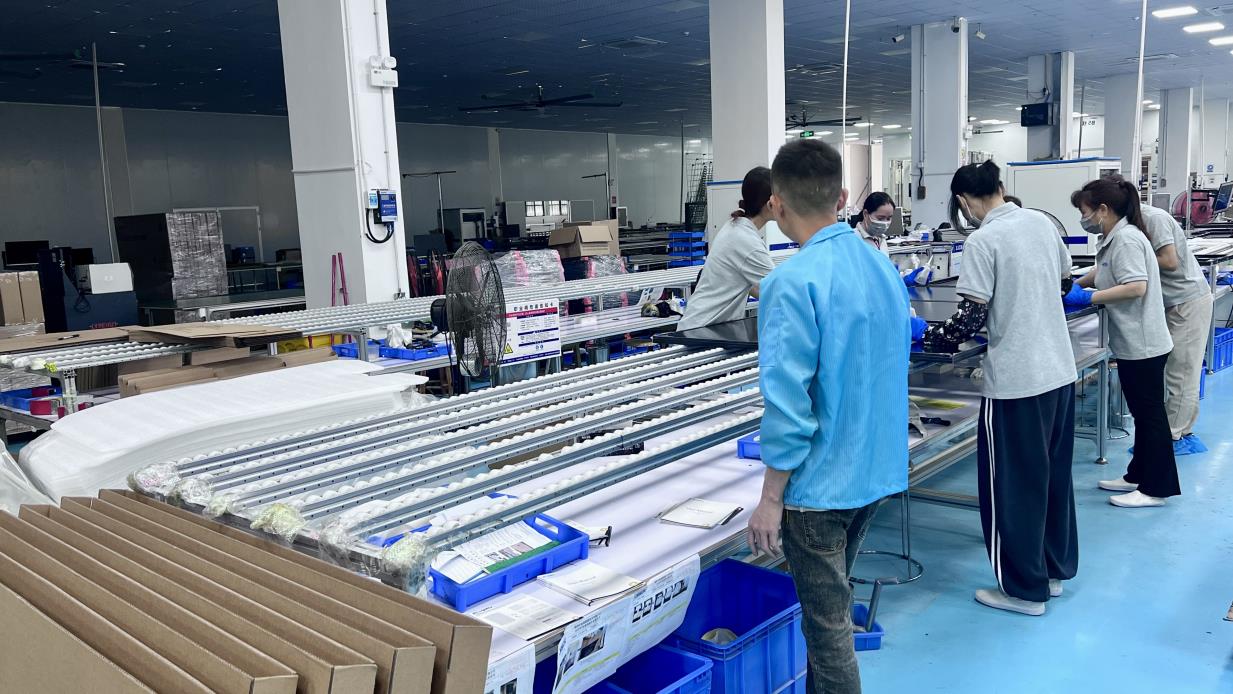
By maintaining this complete end-to-end control of our manufacturing supply chain, from Incoming Quality Control (IQC) of raw wafers to SMT circuitry population, multi-stage EL (Electroluminescence) testing, and microgrid final diagnostic routines, we guarantee consistent product reliability. This rigorous control process minimizes field faults and ensures long-term operational performance, earning the trust of institutional procurement partners around the globe.
Off-grid power solutions operate under some of the most challenging conditions on earth. Standard electrical configurations quickly degrade when exposed to coastal salinity, extreme sub-zero temperatures, or dense agricultural dust. Achieving reliable long-term performance requires targeting specific design parameters for unique geographic and operational scenarios.
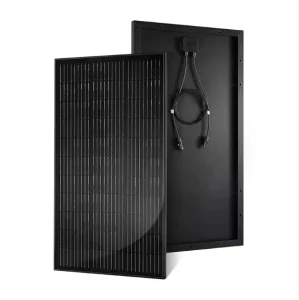
For mining operations, telecoms, and monitoring stations, reliable performance requires dual-layered glass panels with certified dust and sand resistance. Coupled with advanced high-voltage controllers, these systems minimize electrical losses across long cable runs.
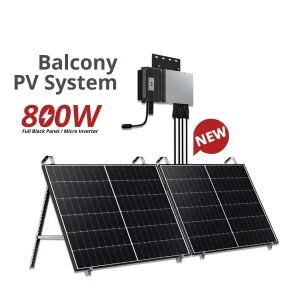
Densely populated urban spaces require streamlined plug-and-play kits like the Rosen Balkonkraftwerk (600W/800W). These all-in-one consumer systems simplify installation by integrating the microinverter directly with the panel, allowing quick grid connection.
Mobile applications demand extreme physical flexibility. By using specialized ETFE polymers and thin-film modules, systems easily adapt to curved deck profiles and high wind loads, providing marine-grade corrosion defense against seawater.
By optimizing systems for these specific challenges—incorporating tailored bypass diode placement, protective junction box designs, and robust structural frames—engineers ensure consistent year-round production. This detailed design approach ensures that localized systems maintain power output even under severe physical stress and highly variable solar conditions.
Providing direct, scientifically accurate answers to the most common engineering and procurement questions regarding modern off-grid systems.
Explore our advanced range of BIPV solutions, colored glass modules, transparent thin-film panels, and ultralight ETFE marine components.

 ConTech Solar