Engineered for extreme performance, high temperature tolerance, and maximum yield in urban and C&I environments.
An authoritative analysis of localized market dynamics, environmental thresholds, and financial feasibility in the Klang Valley.
Kuala Lumpur, situated in the heart of the Klang Valley, undergoes distinct equatorial microclimate variations characterized by high relative humidity, constant cloud cover, and high ambient temperatures ranging from 25°C to 35°C. For industrial park operations (such as in Shah Alam, Balakong, and Rawang) and commercial real estate developers (in KL Sentral or Bukit Bintang), these ambient conditions demand solar cell technologies with an optimized temperature coefficient.
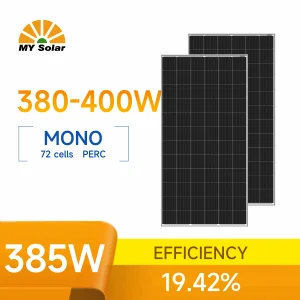
Traditional Al-BSF (Aluminum Back Surface Field) solar panels suffer substantial degradation in thermal efficiency under intense tropical heat. High-quality Mono PERC (Passivated Emitter and Rear Cell) modules mitigate this degradation. By adding a localized dielectric passivation layer on the rear side of the silicon cell, PERC cells significantly minimize minority carrier recombination and improve overall long-wavelength light absorption. This translates into a superior temperature coefficient of -0.35%/°C compared to older systems, protecting the levelized cost of energy (LCOE) over a 25-to-30-year operational lifespan.
The regulatory landscape under the Sustainable Energy Development Authority (SEDA) Malaysia has been heavily structured to favor commercial and industrial (C&I) clean-energy self-consumption. The Net Energy Metering (NEM) 3.0 program, and specifically the NEM NOVA (Net Offset Virtual Aggregation) scheme, has stimulated corporate capital investments by allowing commercial consumers to export surplus energy generated from their rooftops back into the TNB (Tenaga Nasional Berhad) grid at system marginal prices.
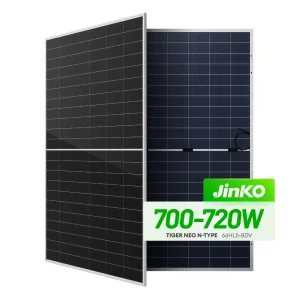
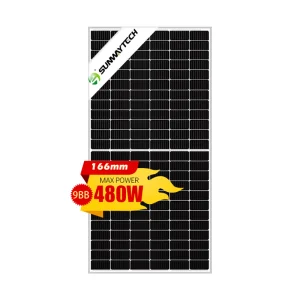
Our optimized Mono-PERC systems provide the optimal power density and generation reliability required to maximize the fiscal yields of the NOVA scheme. With high power output ratings ranging from 450W to 720W, engineering procurement and construction (EPC) contractors in Kuala Lumpur can achieve critical project payback periods of between 3.5 to 5.2 years, especially when leveraging Malaysia's Green Investment Tax Allowance (GITA) and Green Income Tax Exemption (GITE) frameworks.
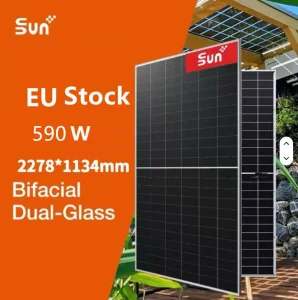
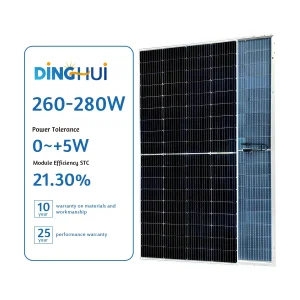
In localized industrial zones around Selangor and greater Kuala Lumpur, developers are pairing Bifacial PERC systems with floating mount mechanisms on industrial retention ponds or ground-mounted projects with high-albedo concrete floor backings. By utilizing double-glass bifacial PERC modules (up to 720W capacity), these systems harness back-side albedo reflections to unlock an additional 15% to 25% energy yield enhancement, greatly outperforming conventional single-sided panels in restricted urban spaces.
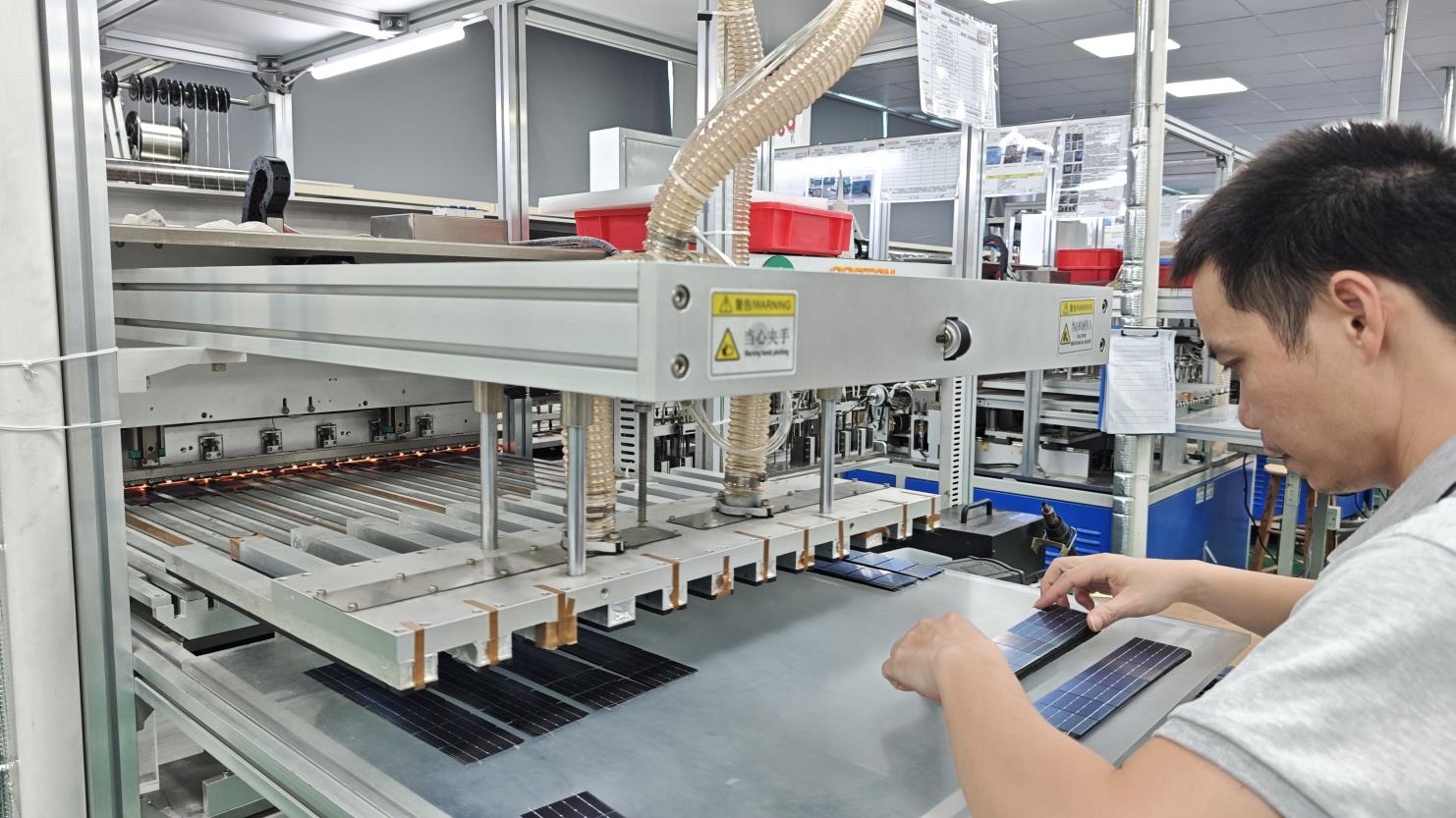
The global solar manufacturing corridor is anchored on Chinese material processing supply chains. As an internationally recognized exporter of high-power PV modules, Xiamen ConTech Solar Co., Ltd. leverages state-of-the-art production hubs in China to streamline raw material procurement, optimize silicon ingot slicing, and implement precision string soldering.
By maintaining deep strategic alliances with Tier-1 silicon wafer and structural component factories in China, we insulate Kuala Lumpur's distributors, developers, and EPC companies from material price volatility. Our vertically integrated manufacturing allows us to secure and scale cutting-edge technologies, including large-format 182mm (M10) and 210mm (G12) multi-busbar (9BB to 12BB) cell designs that dramatically mitigate internal resistance losses and microcrack propagation under severe weather conditions.
Logistically, shipping routes from our primary hubs directly to Port Klang (Malaysia's premier logistics gateway) offer exceptionally low transit times of 7 to 10 days. This close geographic proximity enables highly responsive "Just-in-Time" inventory pipelines, minimizing local warehousing capital locks and ensuring project development timelines are consistently met.
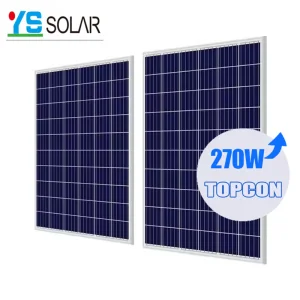
As we analyze the next decade of photovoltaic technology, standard Mono-PERC represents the mature, high-yield, and most cost-effective baseline technology in the industry. However, the market is currently actively bridging towards N-Type technologies, specifically TOPCon (Tunnel Oxide Passivated Contact) and HJT (Heterojunction Technology).
While P-type PERC cells approach their practical efficiency limit of approximately 24.5%, N-type TOPCon configurations utilize an ultra-thin silicon oxide tunnel layer combined with highly doped polycrystalline silicon to elevate module conversion efficiencies beyond 22.5%, reducing LID (Light Induced Degradation) to virtually zero.
At ConTech Solar, our production lines are fully future-proofed. We specialize in producing both advanced p-type Mono PERC and high-performance N-type TOPCon modules, granting Kuala Lumpur exporters and project planners the choice between the highly economical PERC baseline and the premium, low-degradation TOPCon technology for highly spatial-constrained utility arrays.
A professional high-tech enterprise specializing in the research, development, production, and sales of global-scale solar energy products.
Xiamen ConTech Solar Co., Ltd. is a professional high-tech enterprise specializing in the research, development, production, and sales of solar energy products. Since its establishment, the company has been committed to providing efficient, reliable, and environmentally friendly solar solutions to customers worldwide. Guided by the business philosophy of "Innovative Technology, Superior Quality, and Sustainable Development," ConTech Solar continuously strengthens its technological innovation and product development capabilities.
With a strong R&D team and advanced manufacturing technology, Xiamen ConTech Solar Co., Ltd. mainly produces solar panels, solar controllers, solar energy systems, and related photovoltaic products. These products are widely used in residential rooftops, commercial and industrial solar projects, large-scale photovoltaic power stations, agricultural applications, street lighting systems, and off-grid energy solutions.
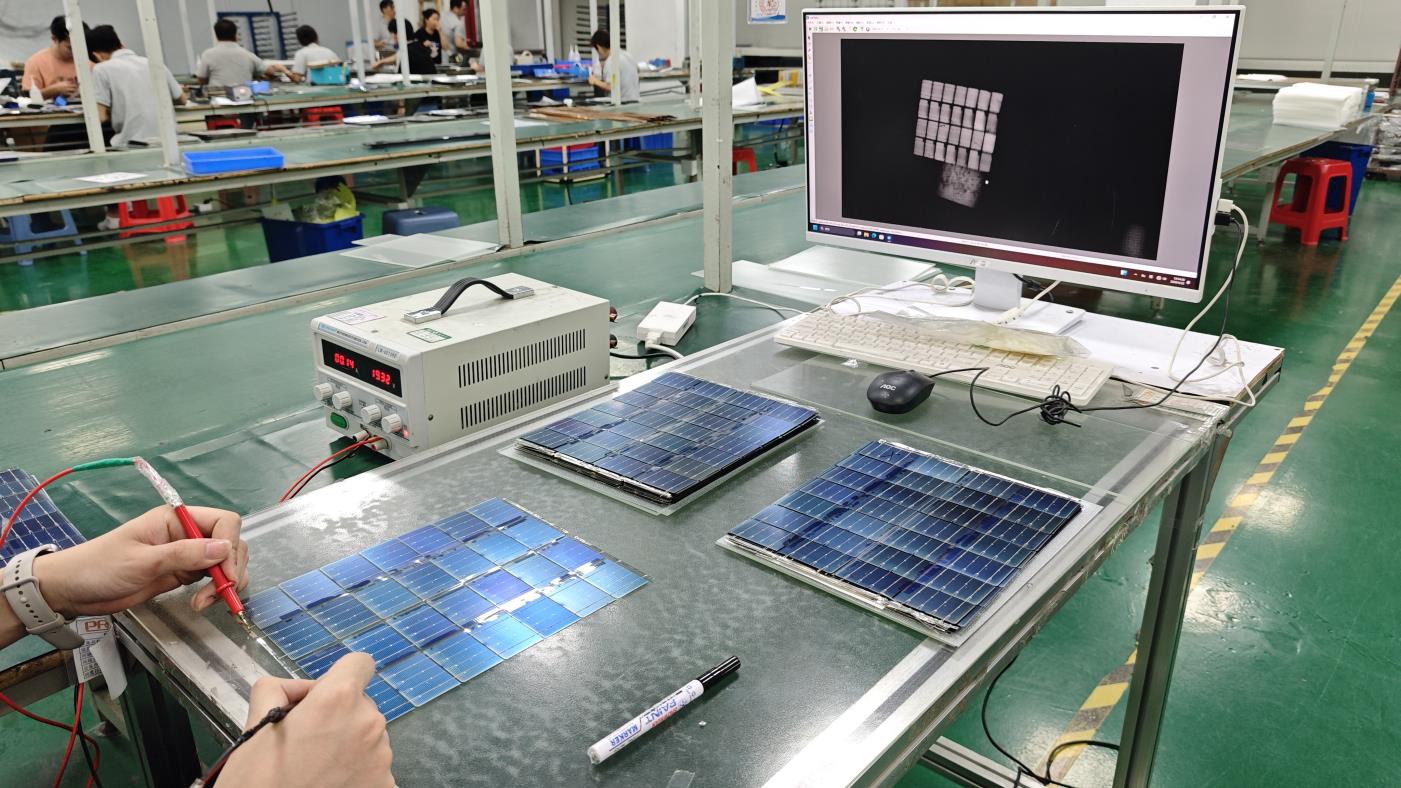
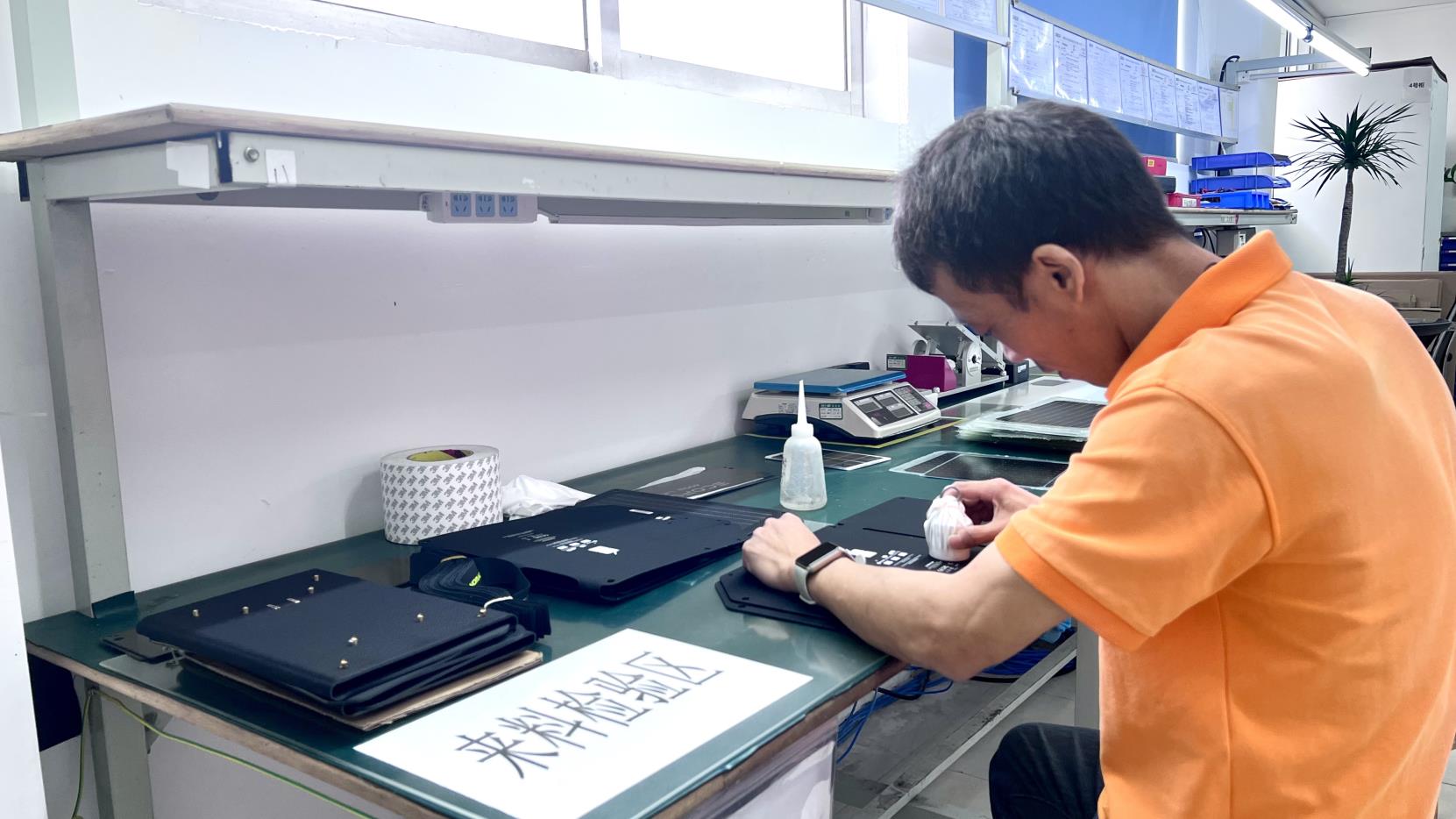
The company is equipped with advanced production facilities and strict quality control systems to ensure the stability and reliability of every product. ConTech Solar has established a comprehensive quality management system and continuously improves production efficiency and product performance to meet international standards and customer requirements.
Adhering to the principle of "Customer First, Quality Foremost," Xiamen ConTech Solar Co., Ltd. has earned a strong reputation in both domestic and international markets through competitive pricing, professional technical support, and excellent after-sales service. The company actively promotes green energy development and strives to contribute to global sustainable energy solutions. Looking ahead, Xiamen ConTech Solar Co., Ltd. will continue to focus on innovation, expand its global market presence, and build long-term partnerships with customers around the world for mutual growth and success.
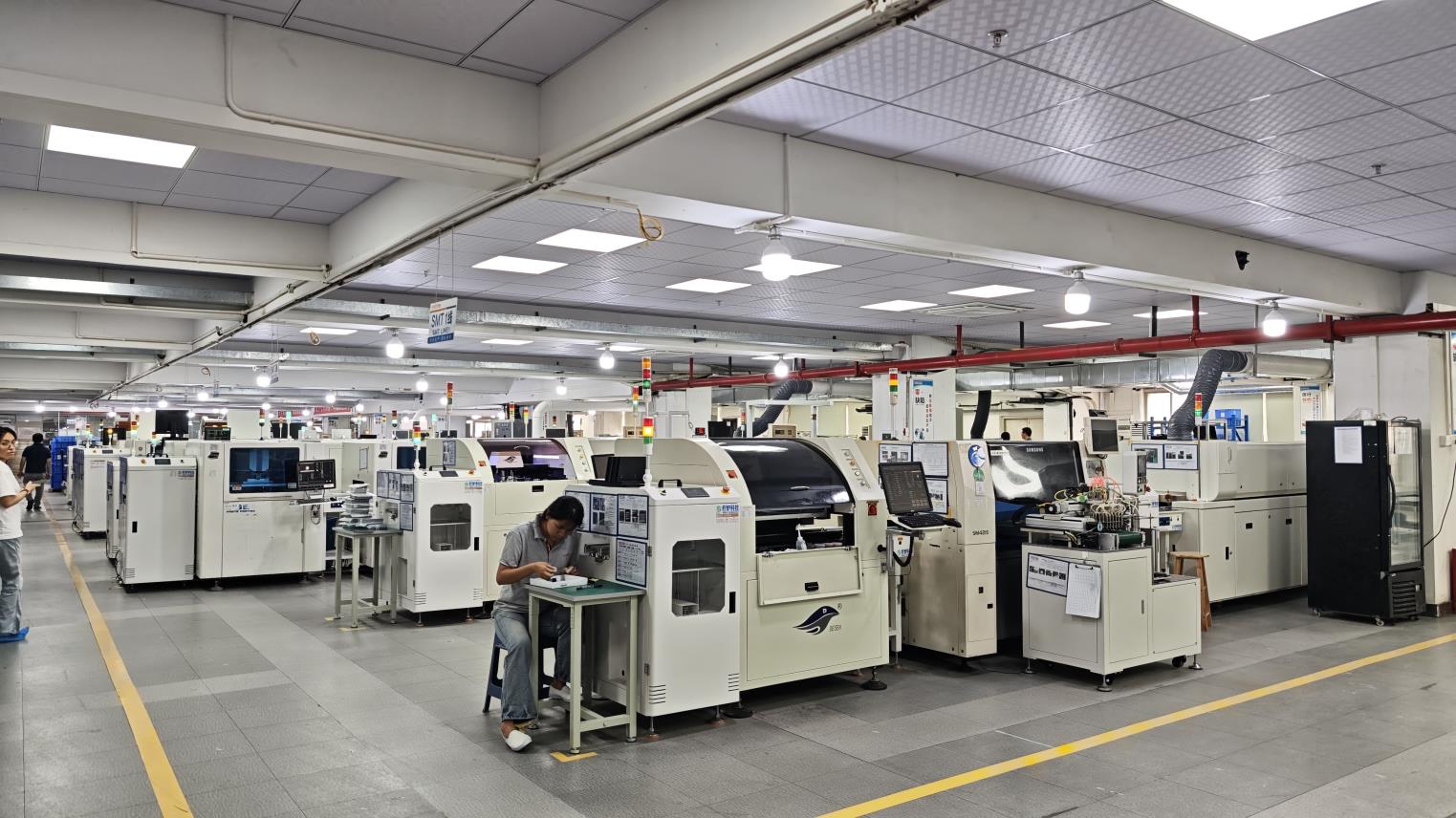
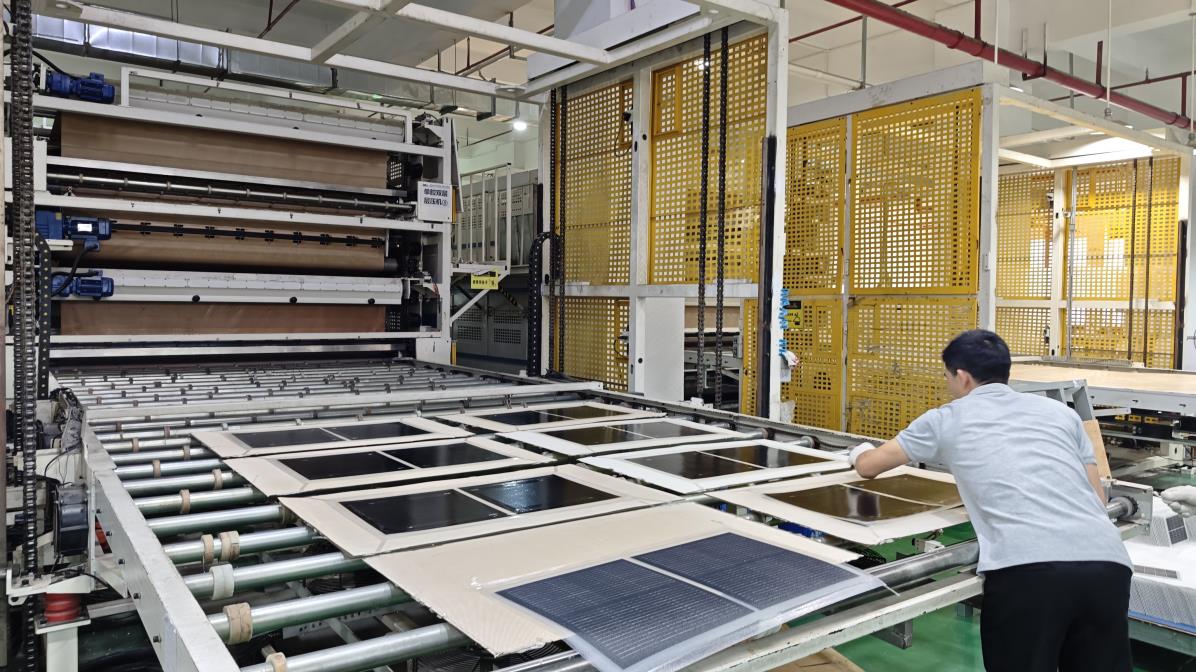
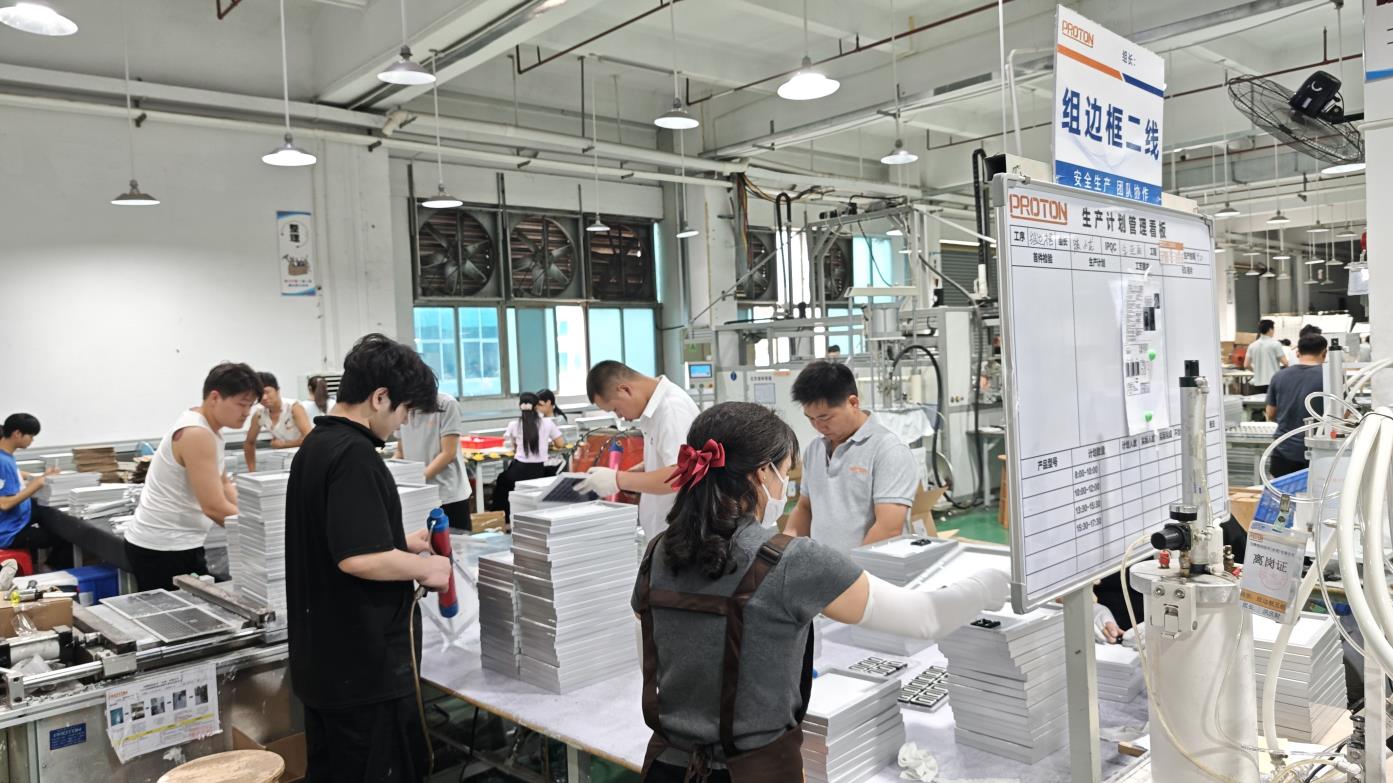
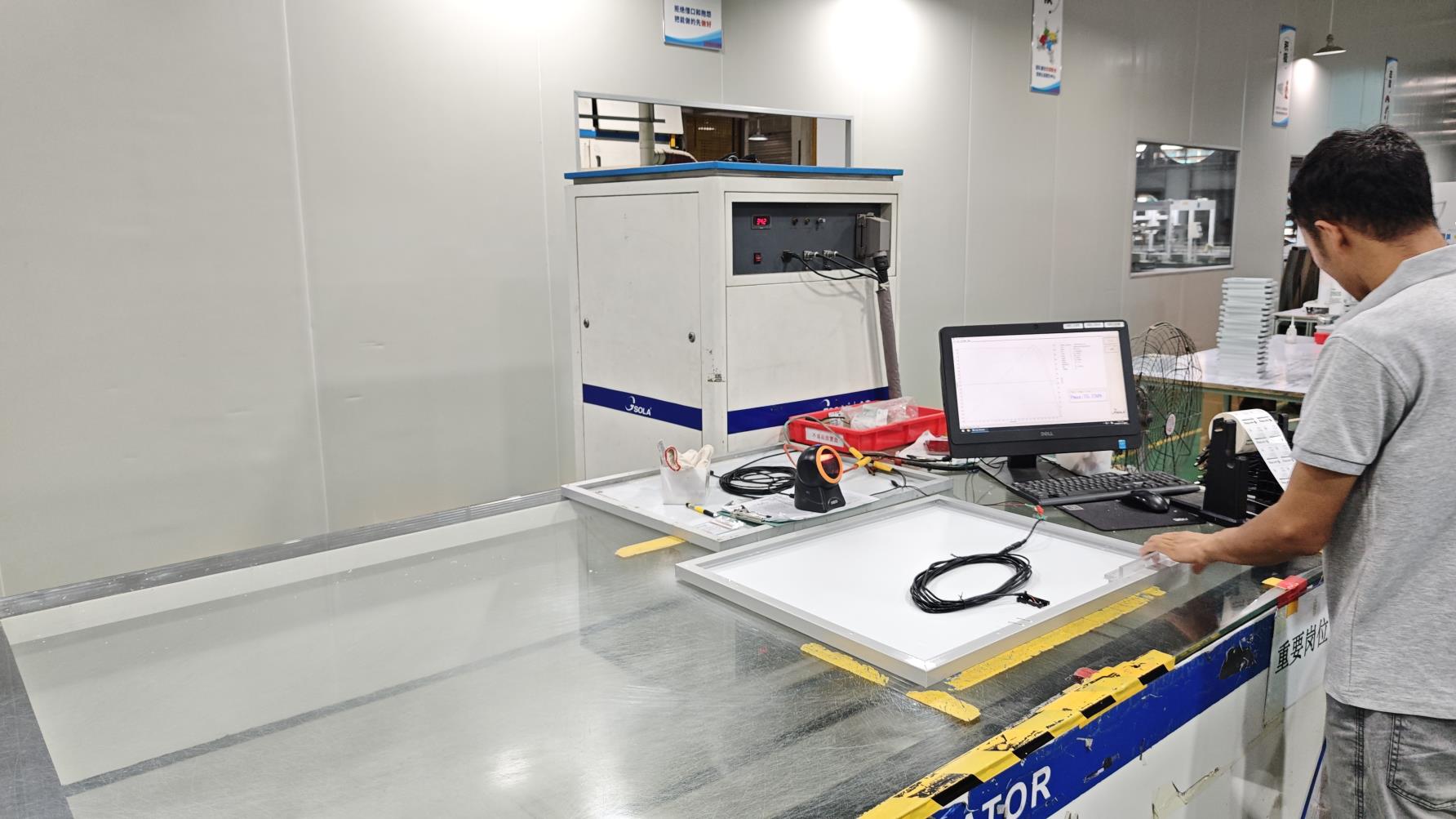
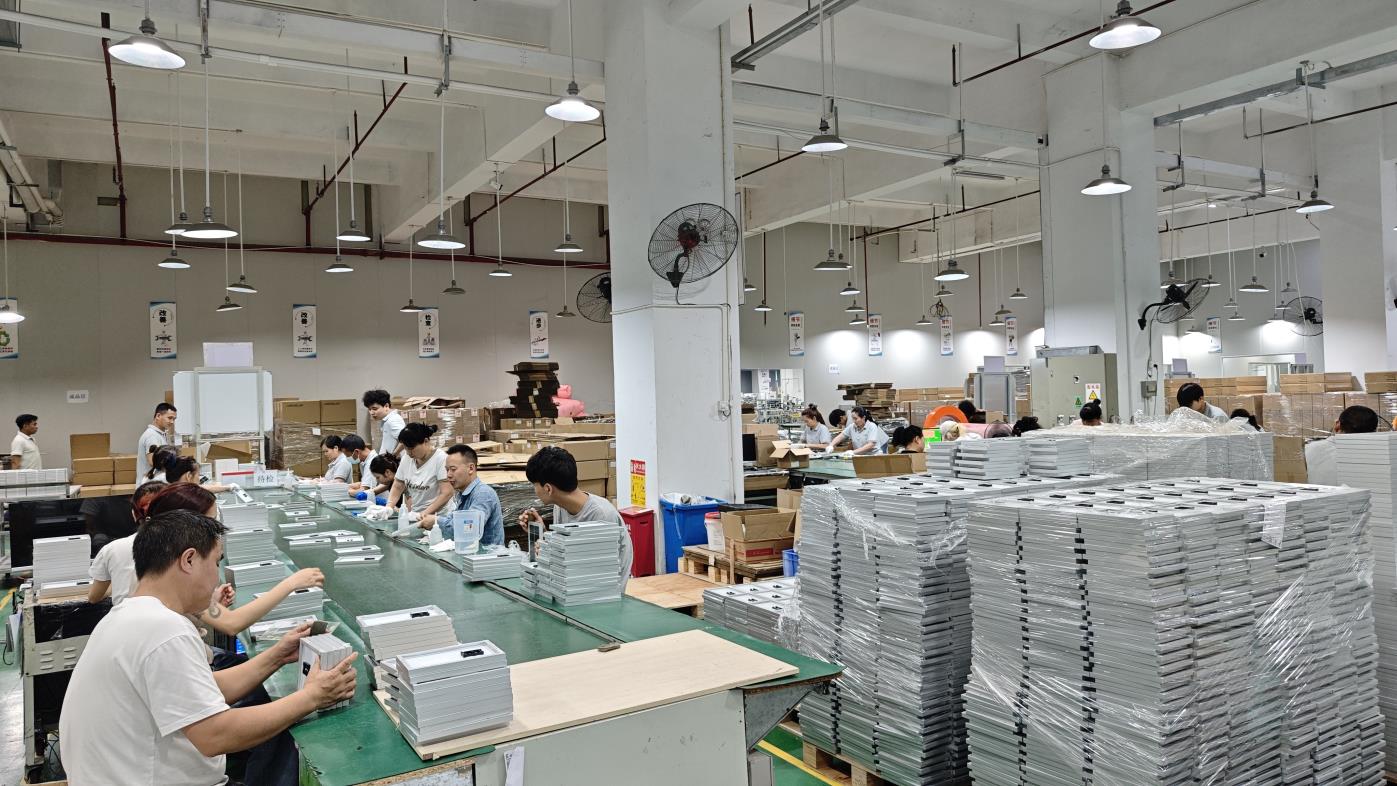
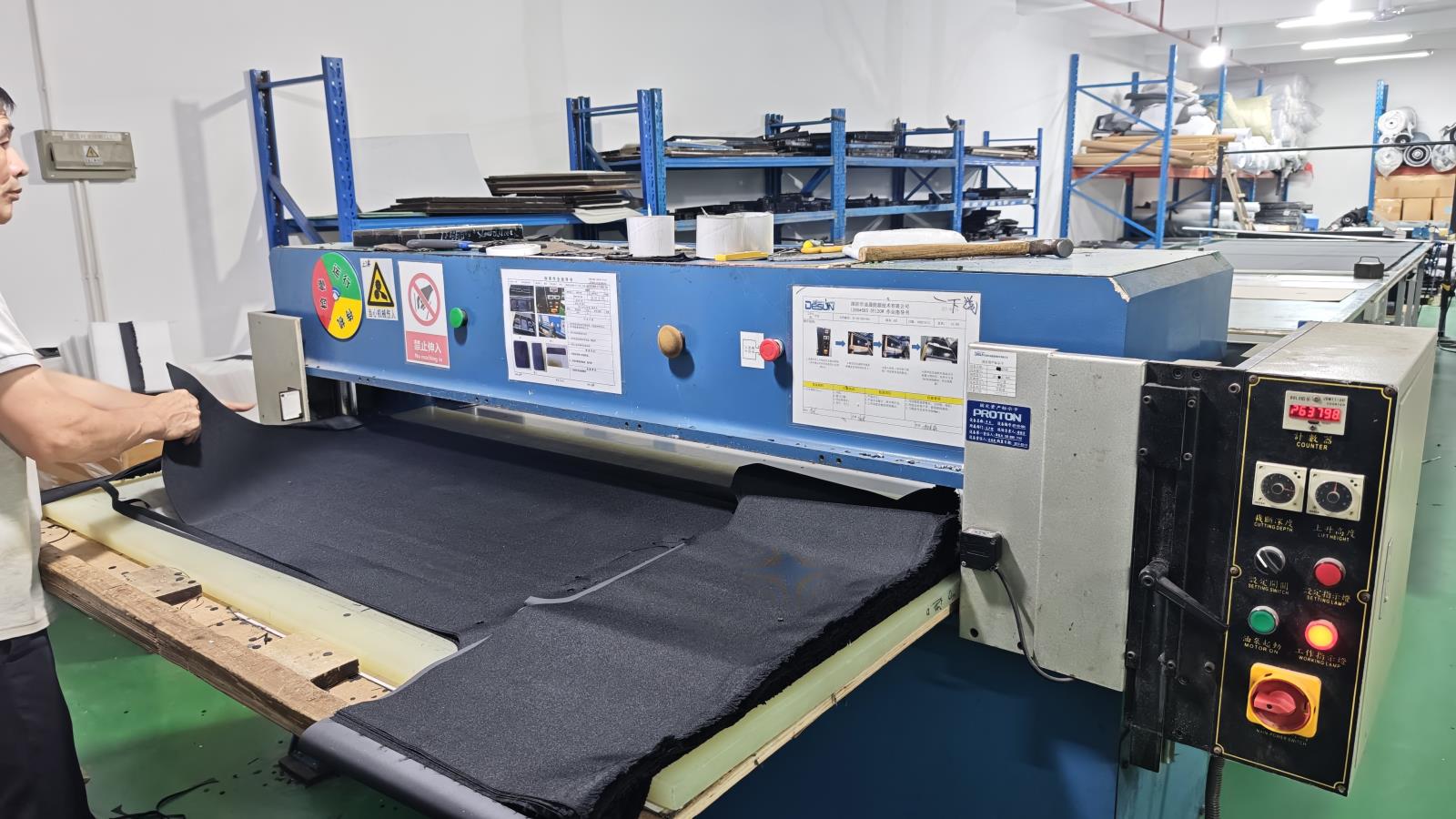
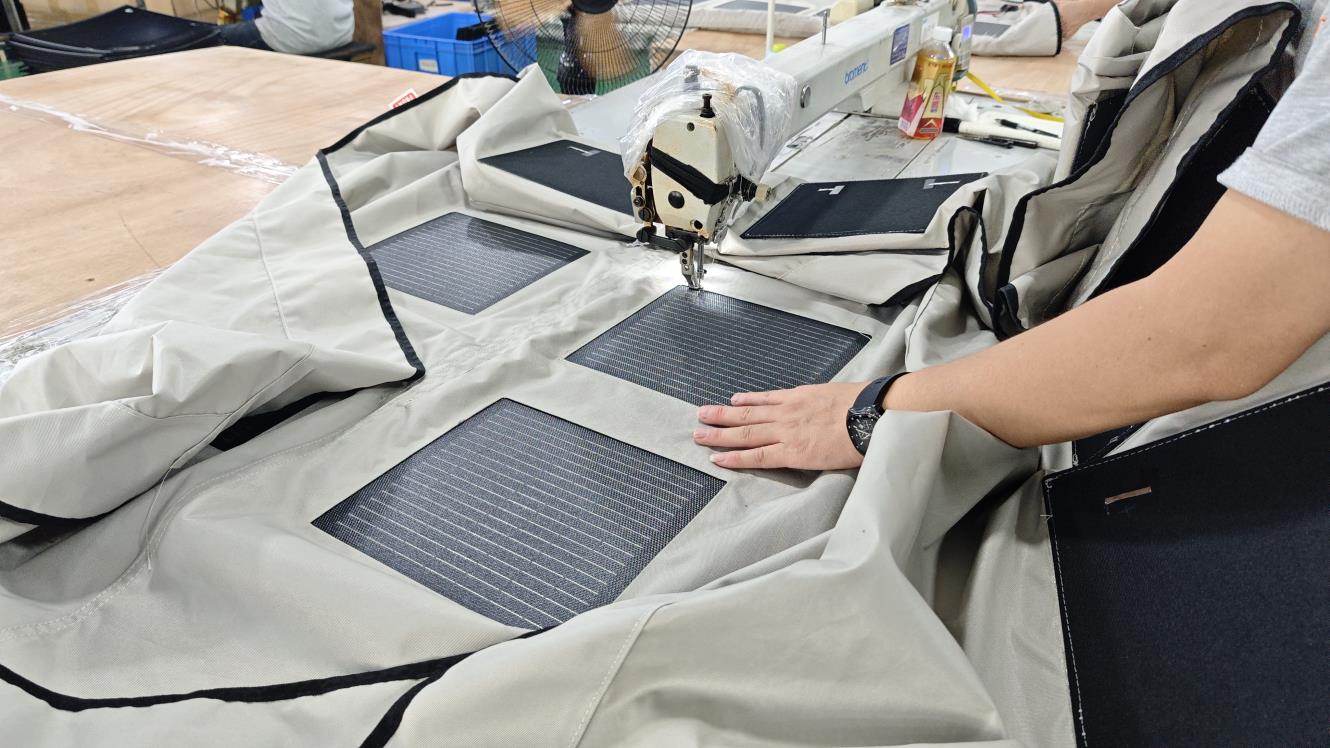
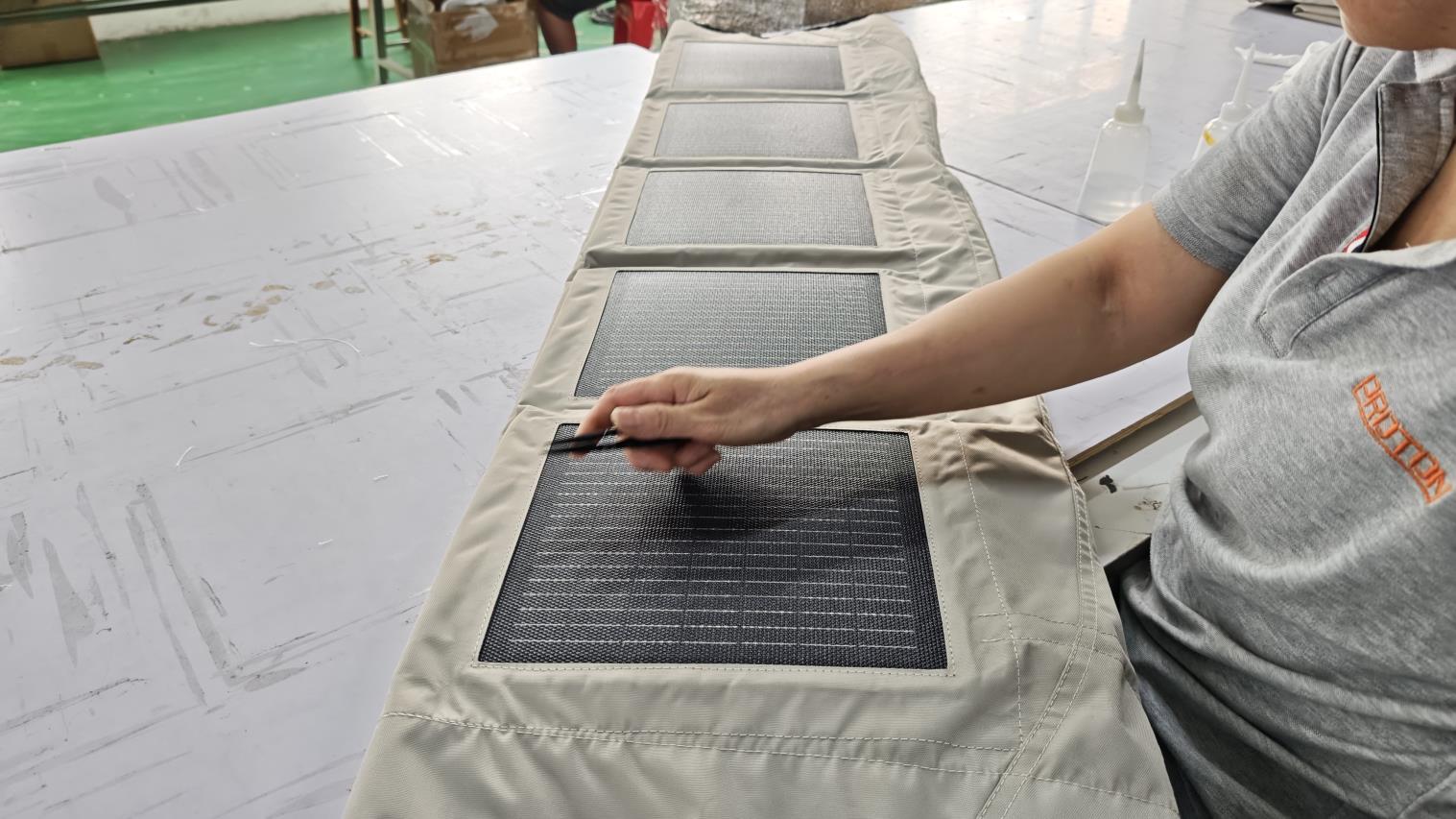
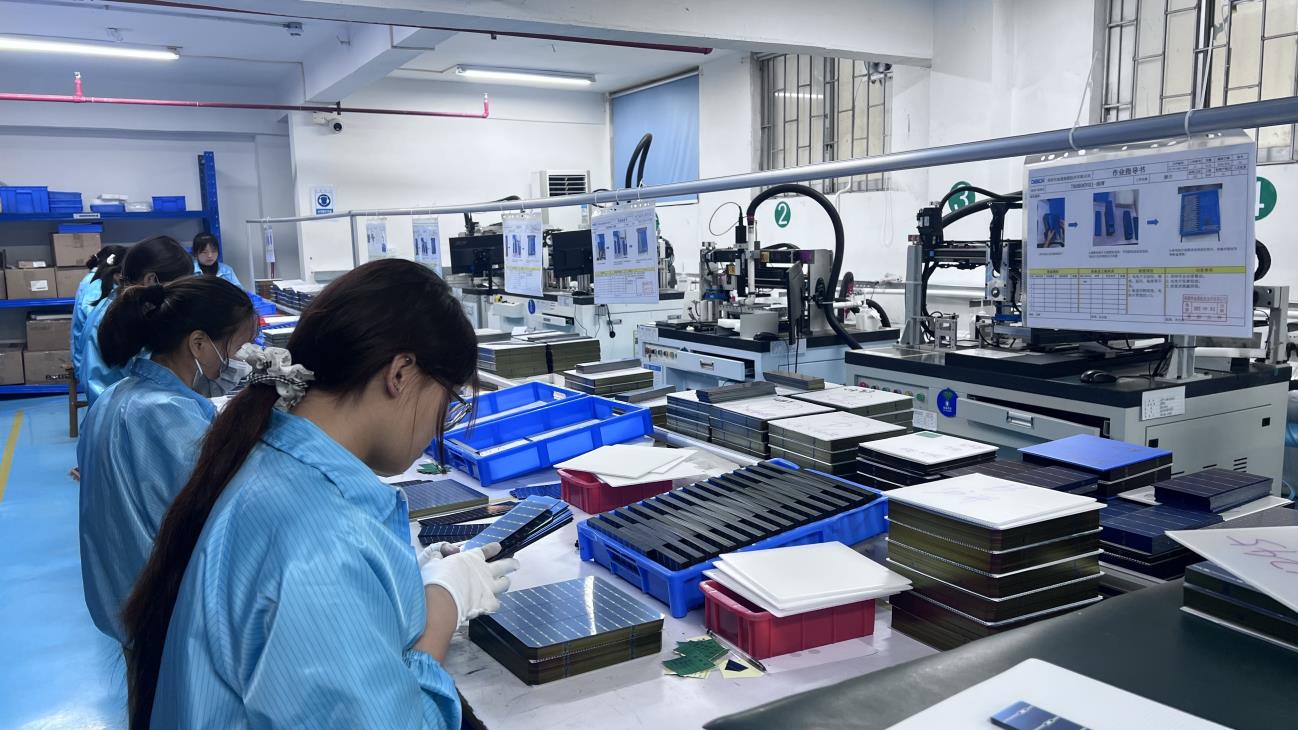
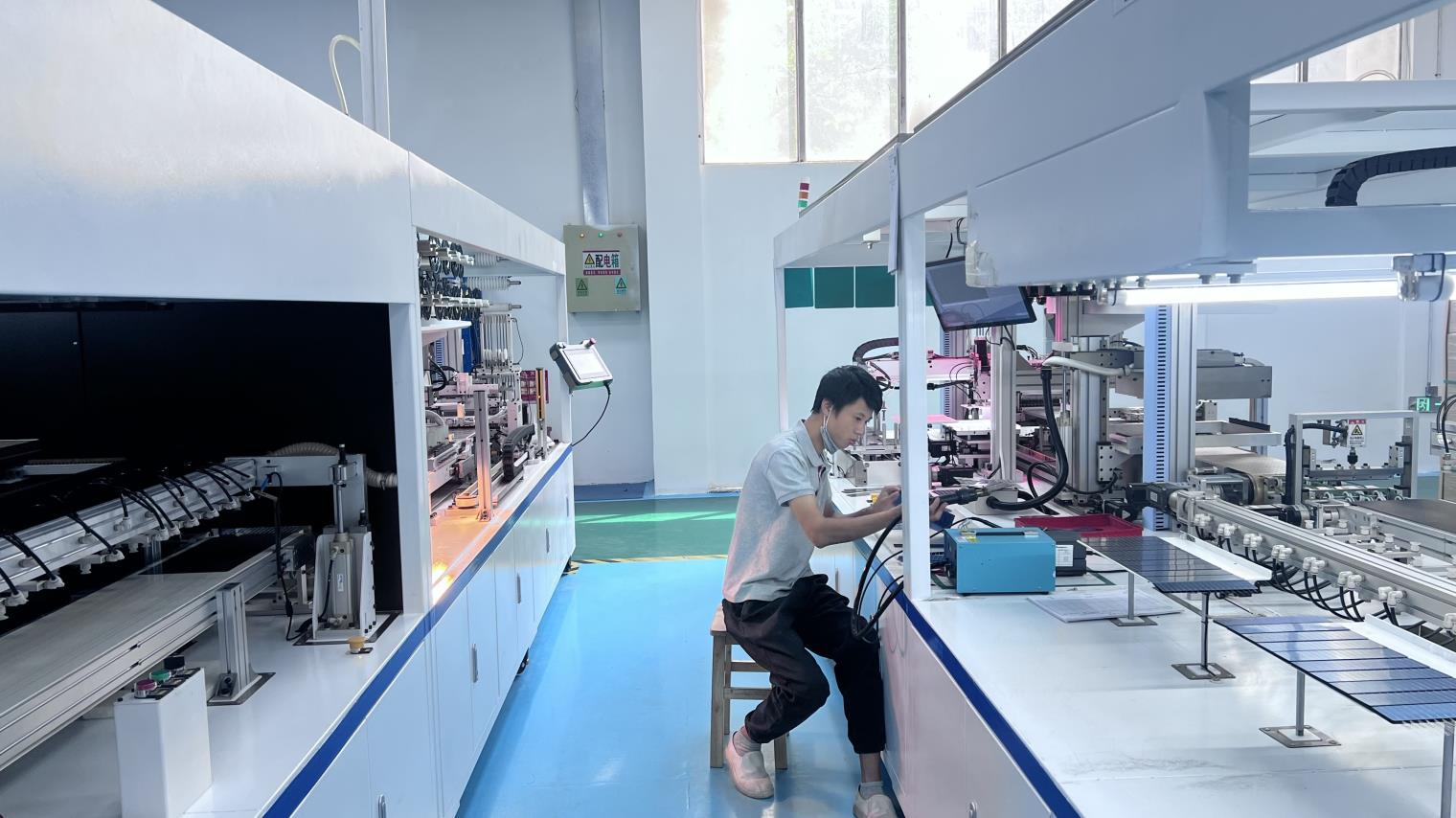
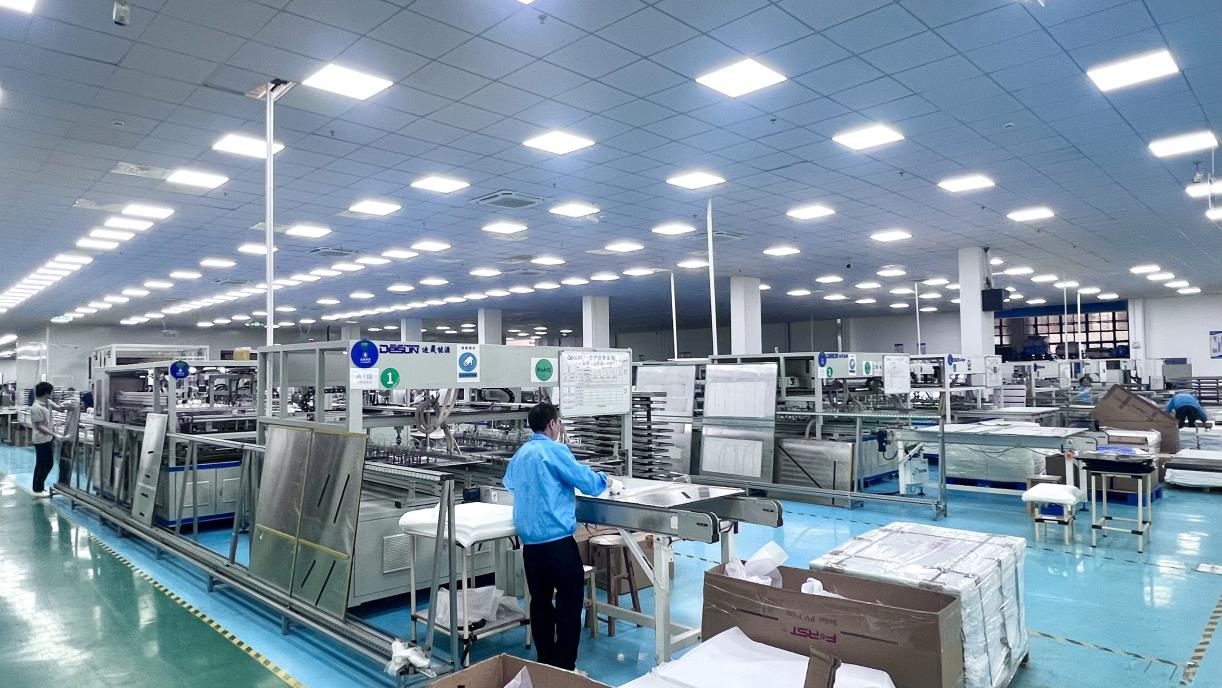
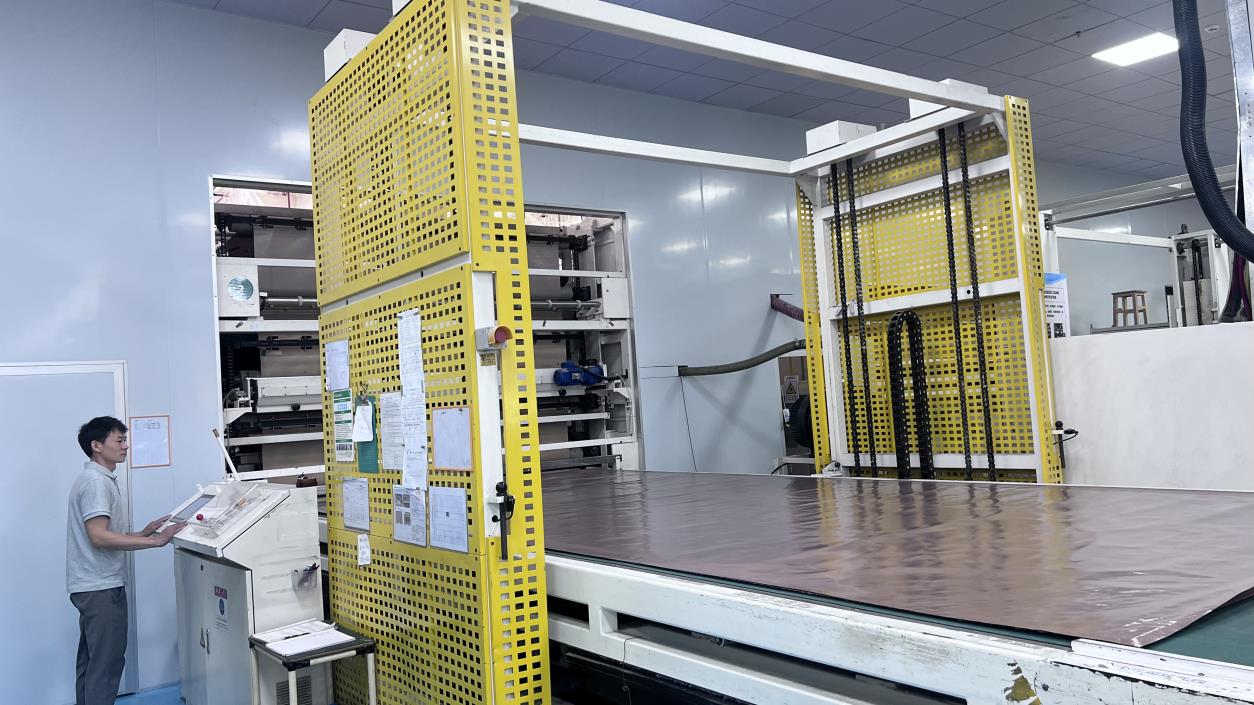
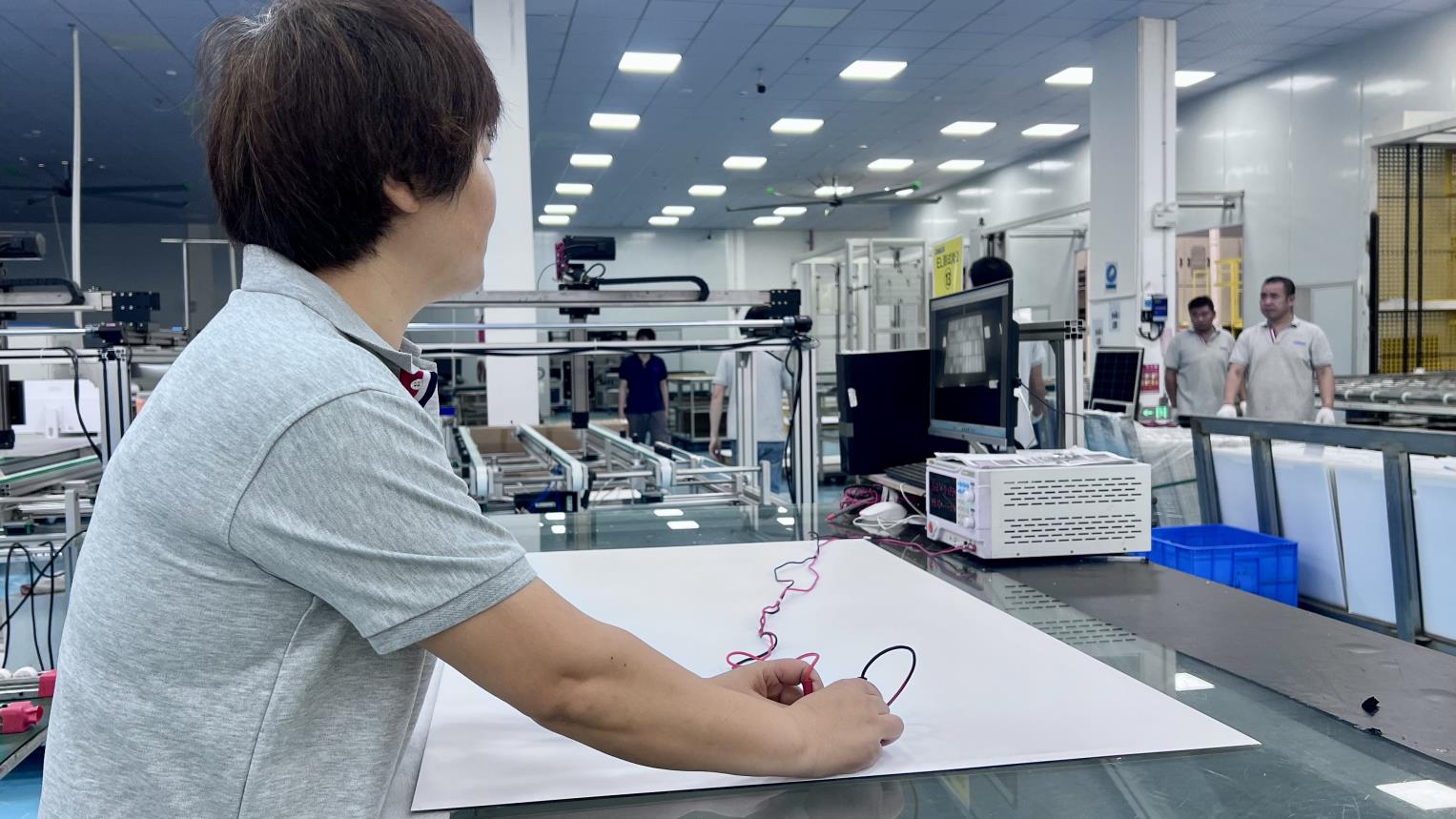
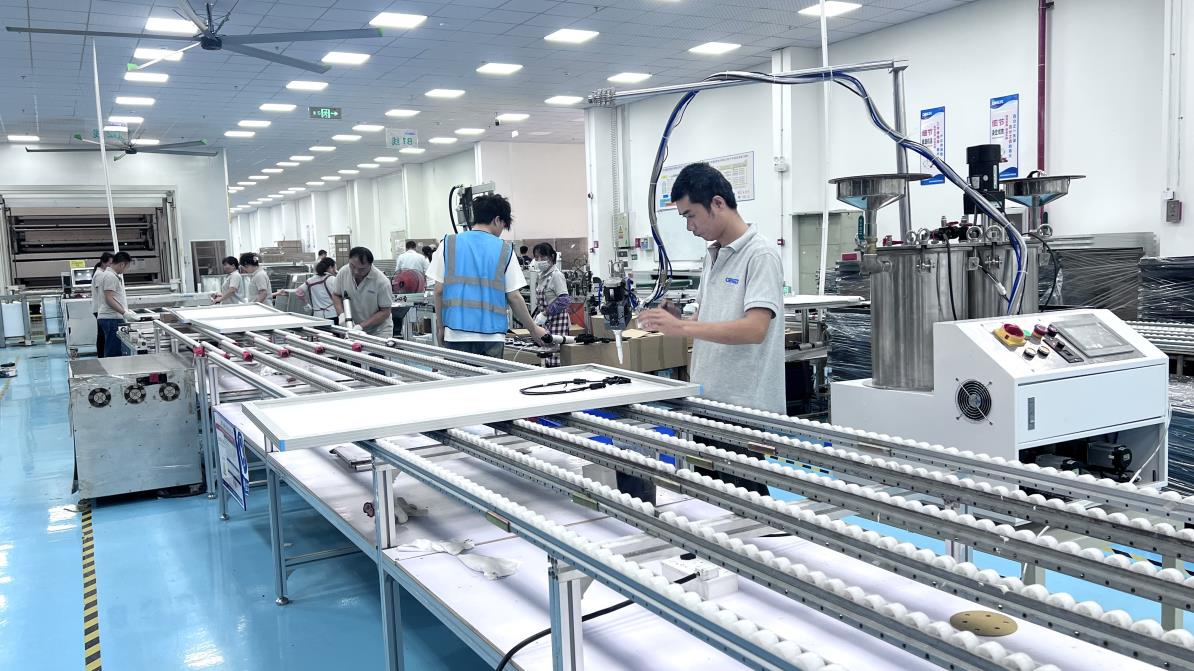
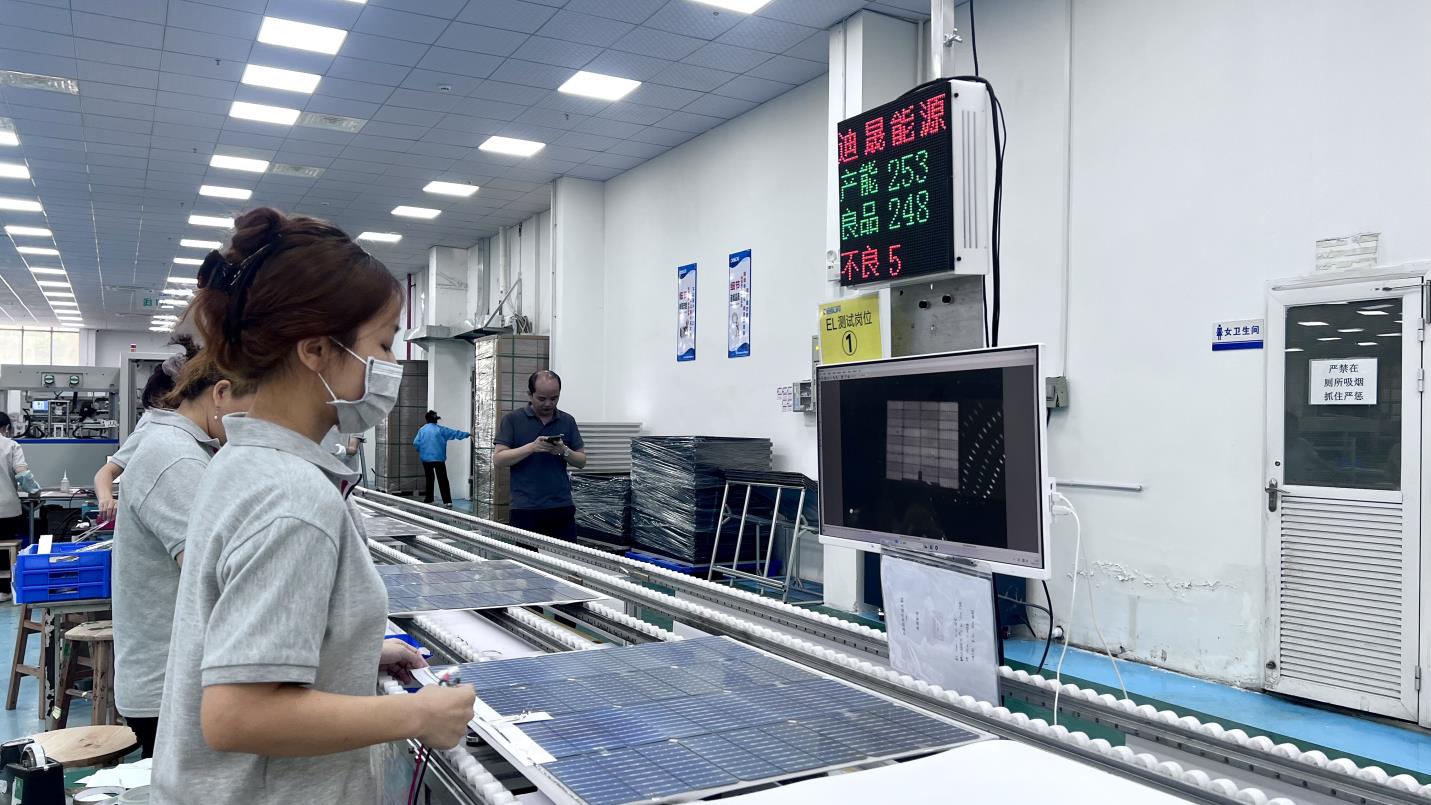
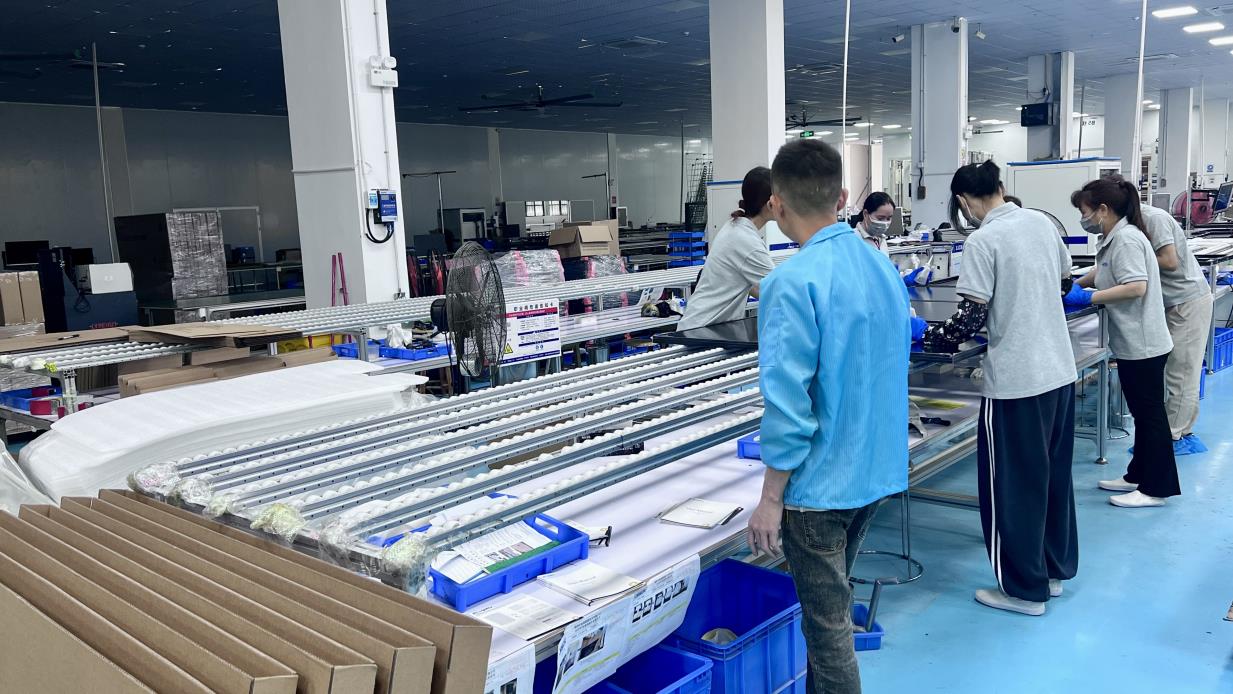
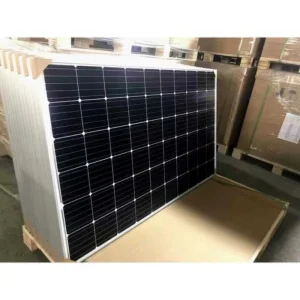
Our state-of-the-art production floor in China employs precise multi-stage automated assembly lines to ensure that every Mono PERC solar panel shipped to Kuala Lumpur matches international Tier-1 performance and reliability standards.
Navigating SEDA registration, SIRIM testing protocols, and Tenaga Nasional Berhad (TNB) grid integration policies.
For solar panels to be legally installed on roofs within Kuala Lumpur and Selangor, they must carry standard certifications from SIRIM QAS International. Our export lines are fully certified under international standards (IEC 61215 and IEC 61730), enabling direct eligibility for local installers.
The Malaysian Fire and Rescue Department (Bomba) enforces strict guideline MS 2697 regarding high-voltage DC installations on roofs. Our Mono PERC panels feature rapid shutdown capability compatibility and Class-A fire-rated glass configurations, securing rapid building permit approvals.
Interconnecting to Tenaga Nasional Berhad’s low-voltage and medium-voltage grids requires precise electrical harmonics profiling. Our factory-tested solar inverters and certified PERC solar panels deliver clean electrical parameters compliant with the TNB Technical Guidebooks.
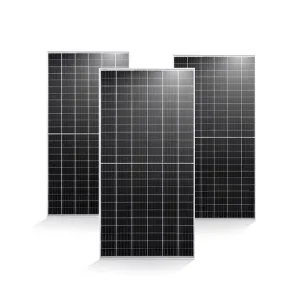
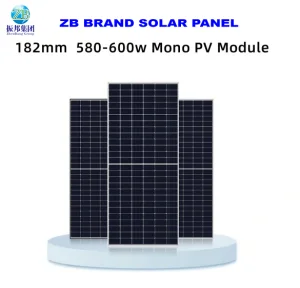
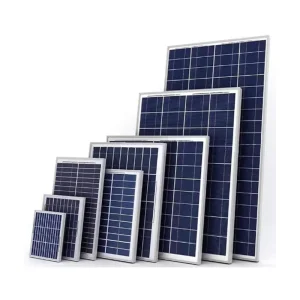
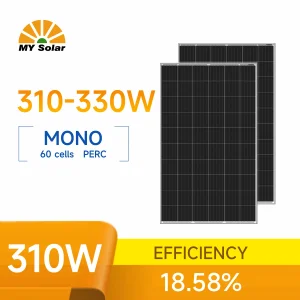
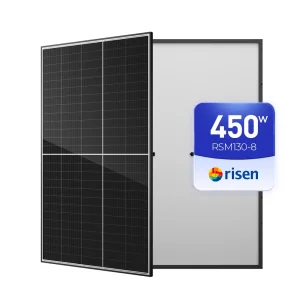
Explore our full line of specialized Mono-PERC, Bifacial, and high-efficiency double-glass panels engineered for distribution and commercial projects in Malaysia.
Authoritative answers on technology parameters, financial ROI under SEDA schemes, and Chinese import logistics.
 ConTech Solar