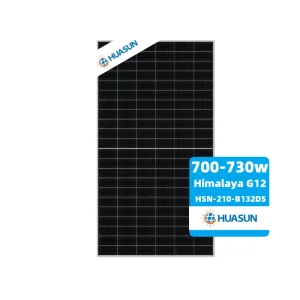
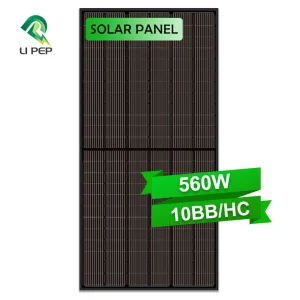
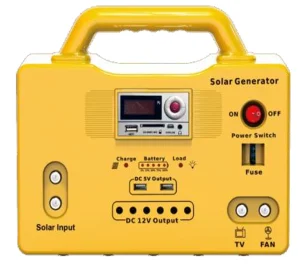
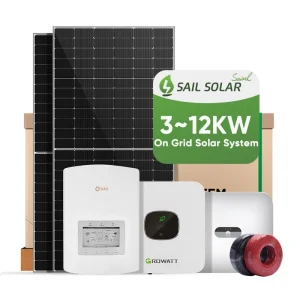
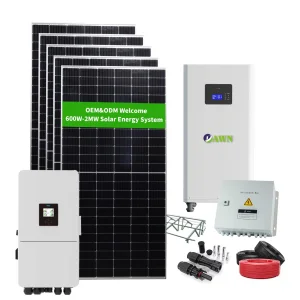
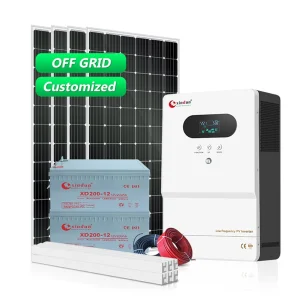
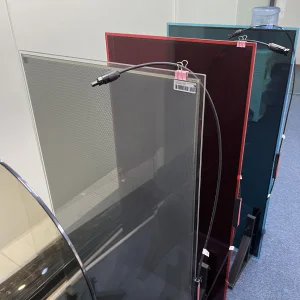
Explore our premium grade photovoltaic modules, hybrid storage generators, and utility-scale solar arrays built for multi-regional resilience.
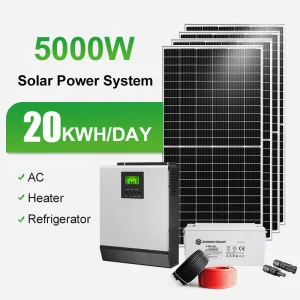
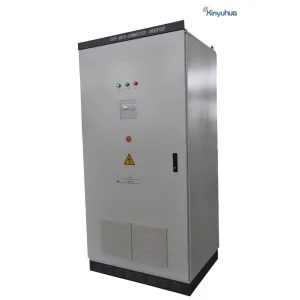
The global energy paradigm is undergoing a massive shift. As decarbonization mandates transition from voluntary corporate social responsibility (CSR) initiatives to legally binding compliance mechanisms worldwide, the critical role of premium balance of systems (BOS) and high-quality solar power accessories has never been more evident. Industry data highlights that while PV modules account for a significant portion of direct capital expenditures (CAPEX), the stability and operational lifetime of any system are heavily dictated by the reliability of its electrical accessories, cabling, robust mounting frames, storage systems, and advanced power management interfaces.
From utility-scale solar farms across North America and Europe to highly localized commercial and industrial (C&I) rooftop installations across the APAC region, the demand for premium components has skyrocketed. Factors such as extreme environmental conditions, grid volatility, and the integration of highly complex hybrid configurations necessitate the usage of certified components. Xiamen ConTech Solar Co., Ltd. is positioned at the helm of this manufacturing shift. Our company is a high-tech enterprise dedicated to the research, development, production, and distribution of state-of-the-art photovoltaic and off-grid technology, serving as a trusted supplier to international contractors, distributors, and EPC (Engineering, Procurement, and Construction) companies.
“Solar energy systems are only as resilient as their weakest connection point. Precision engineering in structural mounting, electrical isolation, and advanced energy storage determines the lifetime LCOE (Levelized Cost of Energy) of modern clean energy arrays.”
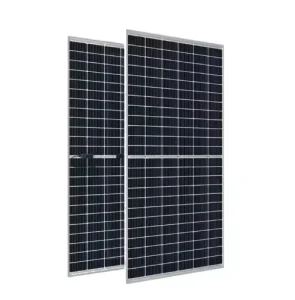
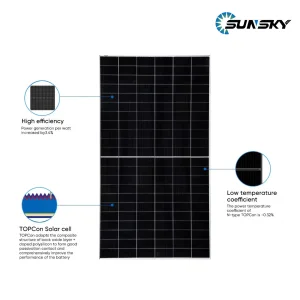
Modern solar engineering has transitioned from low-yield silicon panels to highly advanced, high-density structures. The emergence of N-Type Heterojunction (HJT) cells, bifacial double-glass architectures, and shingled solar modules has driven the demand for high-capacity, low-loss electrical accessories and inverters. These higher efficiency modules achieve lower degradation rates and higher energy yields, but they require robust Balance of Systems (BOS) to handle increased electrical loads and higher system voltages, often up to 1500V.
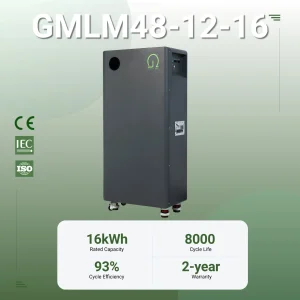
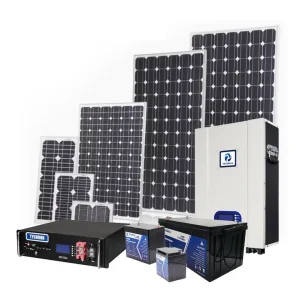
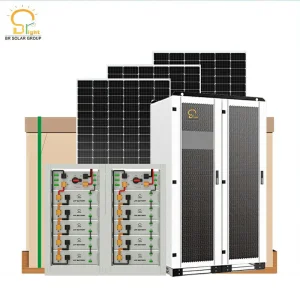
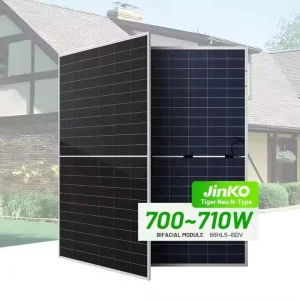
Another major driver is the integration of Smart Grid technology and decentralized Energy Storage Systems (ESS). Homeowners and utility operators are shifting away from traditional grid-tied systems toward hybrid, intelligent off-grid configurations that guarantee uninterrupted backup power. As a leading solar power accessories manufacturer, we focus heavily on the design and production of next-generation components. These include intelligent solar controllers, integrated energy storage enclosures, high-capacity Lithium Iron Phosphate (LiFePO4) battery packs, and modular hybrid inverters designed to work seamlessly with international tier-1 panels like Jinko, Longi, Trina, and Ja Solar.
Advancing system architecture to support high-voltage operations, reducing balance of system costs and thermal energy losses.
Integrating machine learning algorithms into hybrid solar inverters and battery management systems to maximize energy optimization.
Fusing functional photovoltaic properties directly into structural materials like tempered glass facades, fences, and balcony screens.
Our comprehensive solar accessories portfolio is carefully developed to meet specific regional requirements and unique spatial demands:
Review the comprehensive fabrication, assembly, and strict multi-phase quality control operations performed inside our state-of-the-art manufacturing facility.
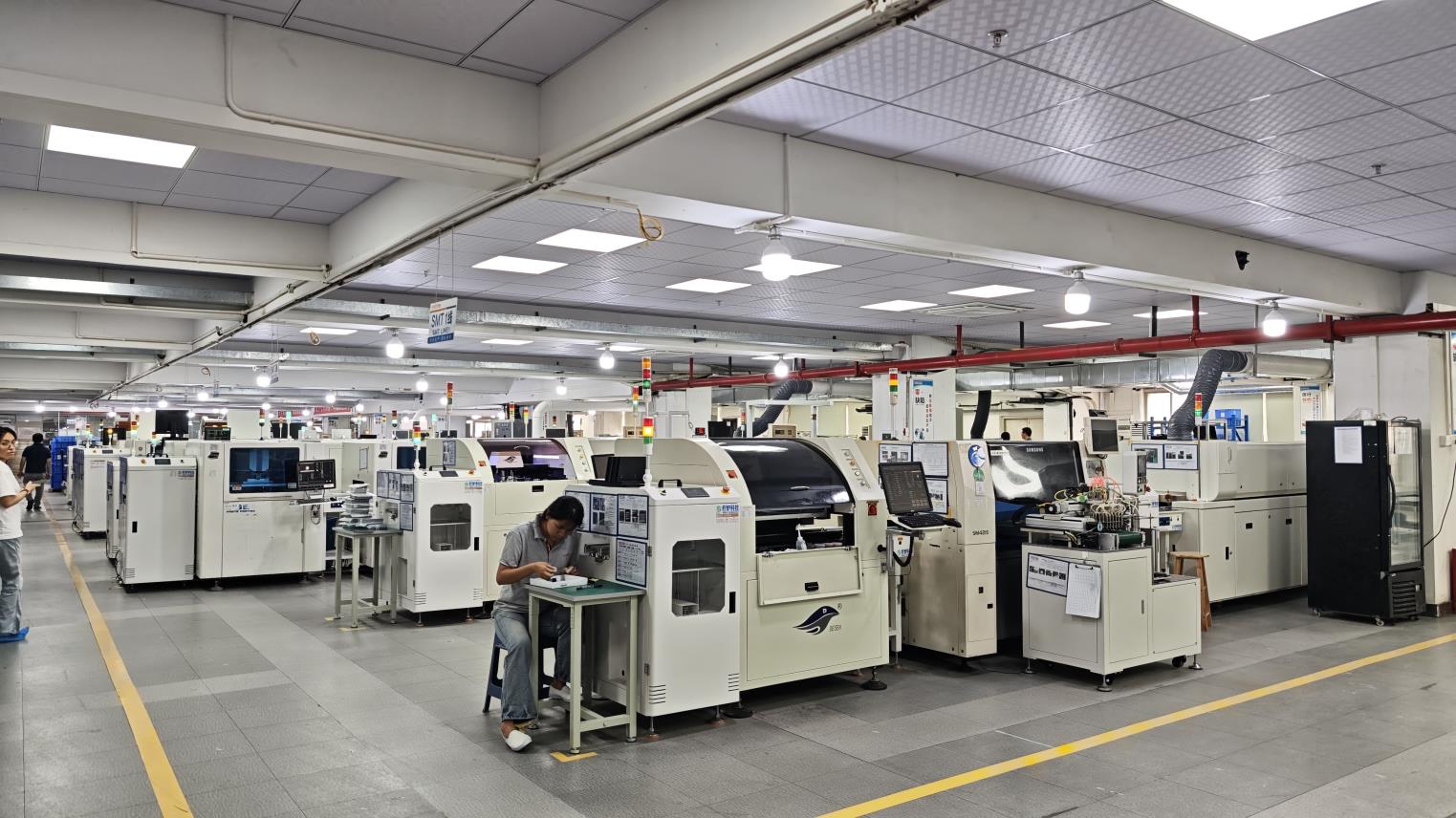
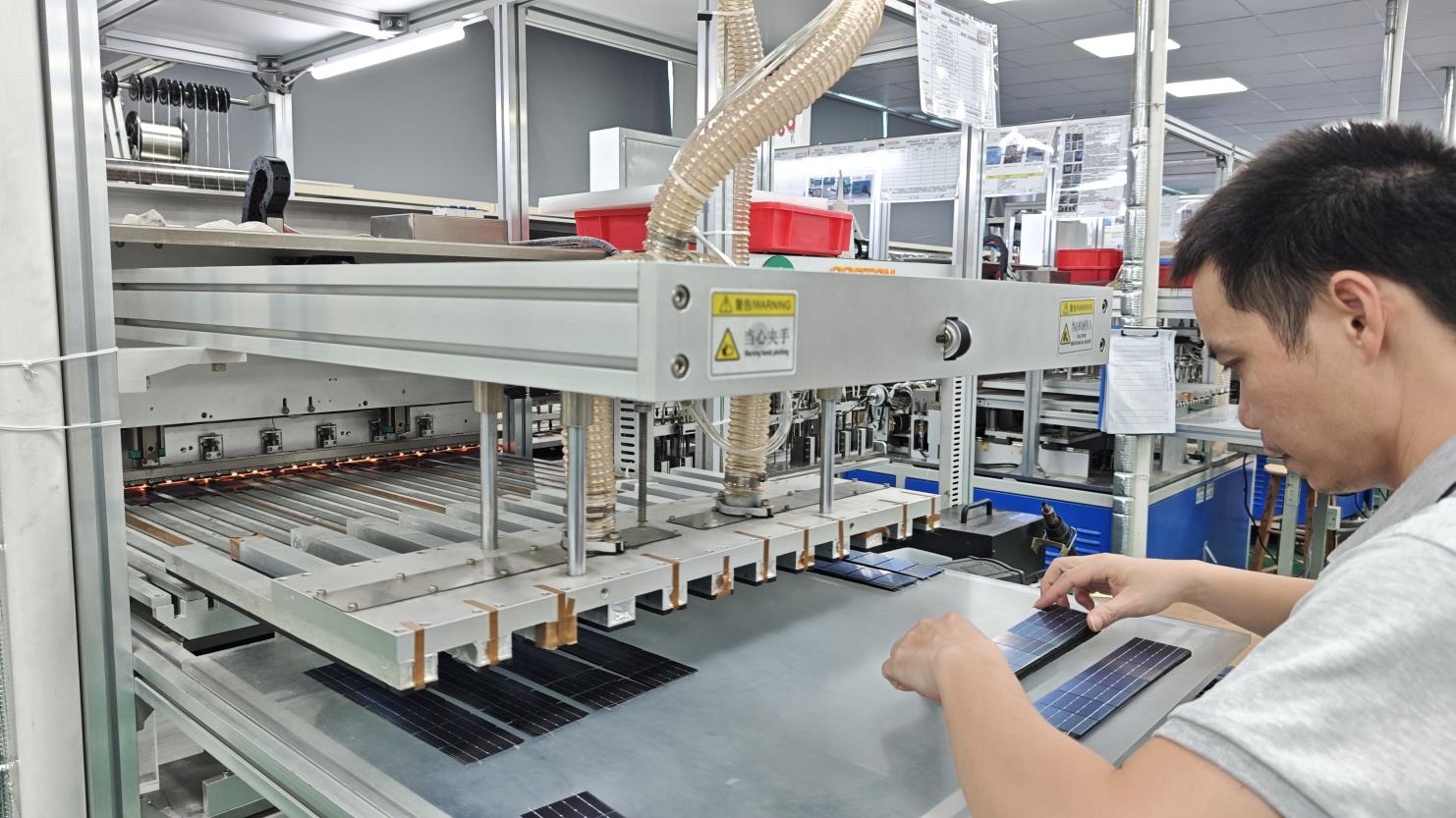
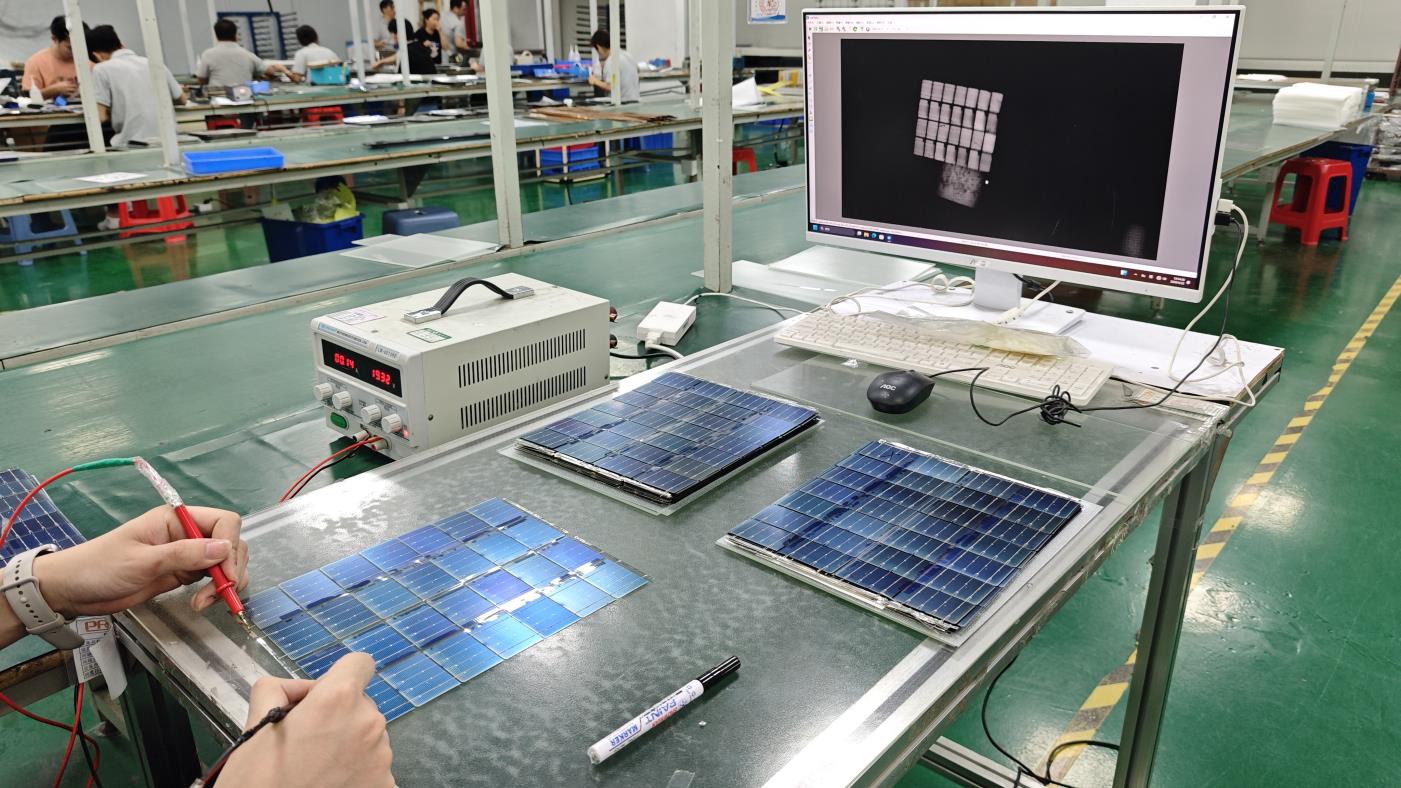
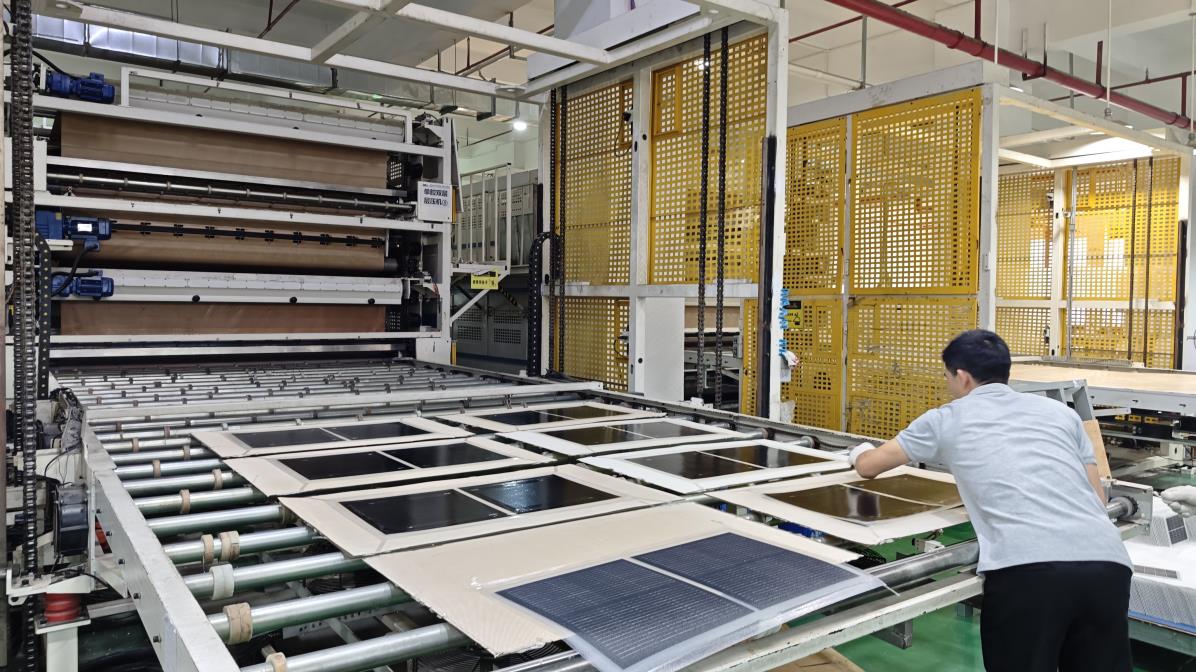
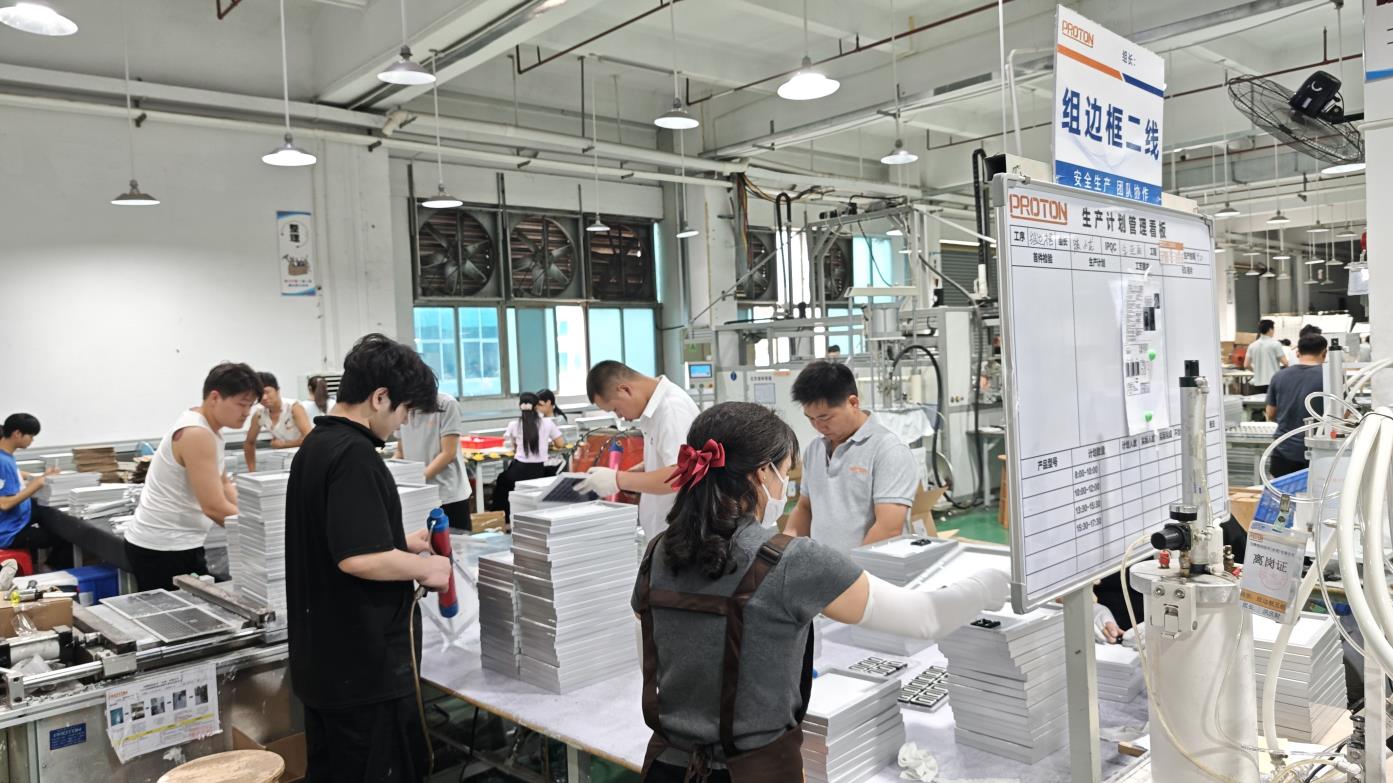
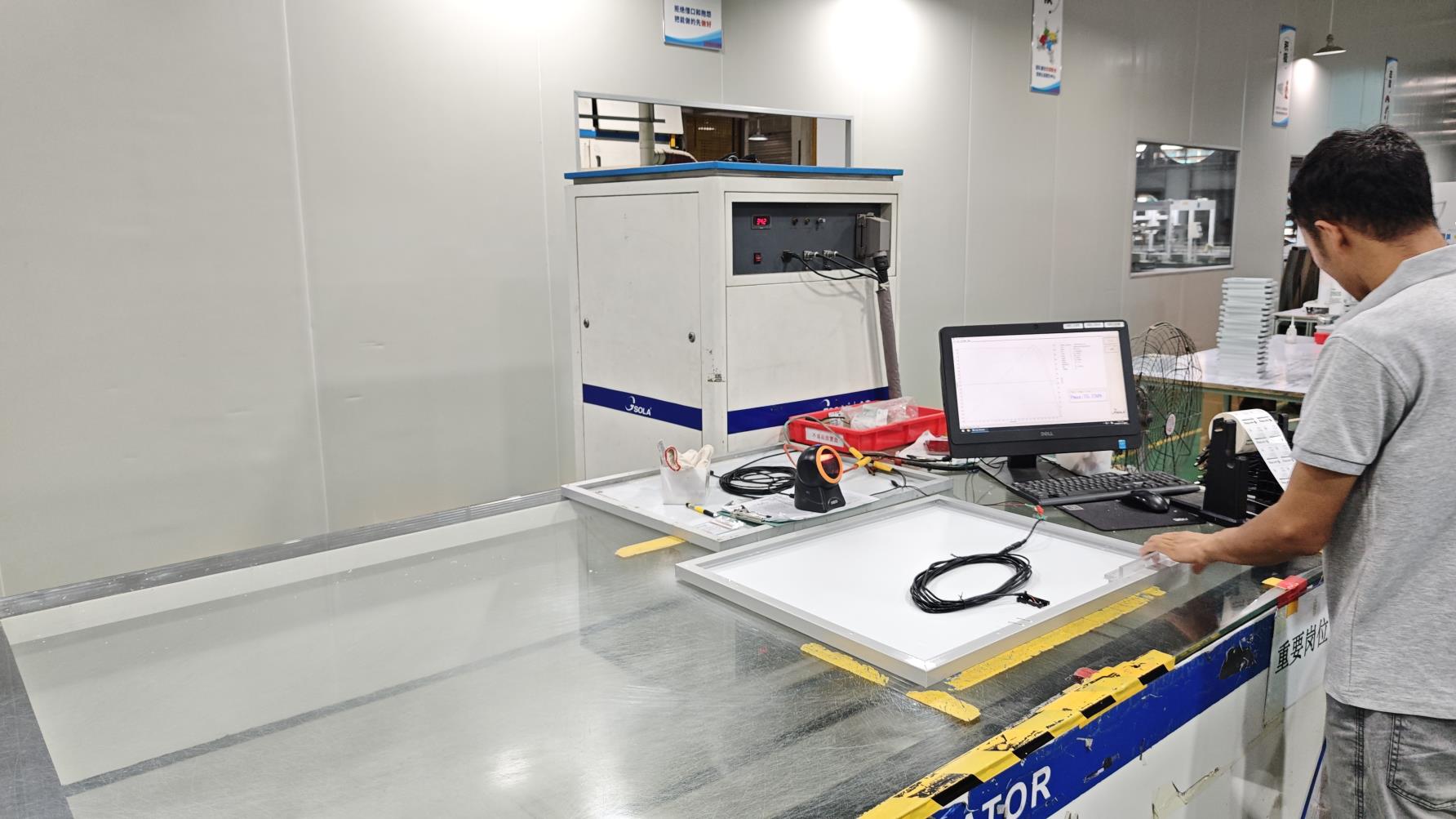
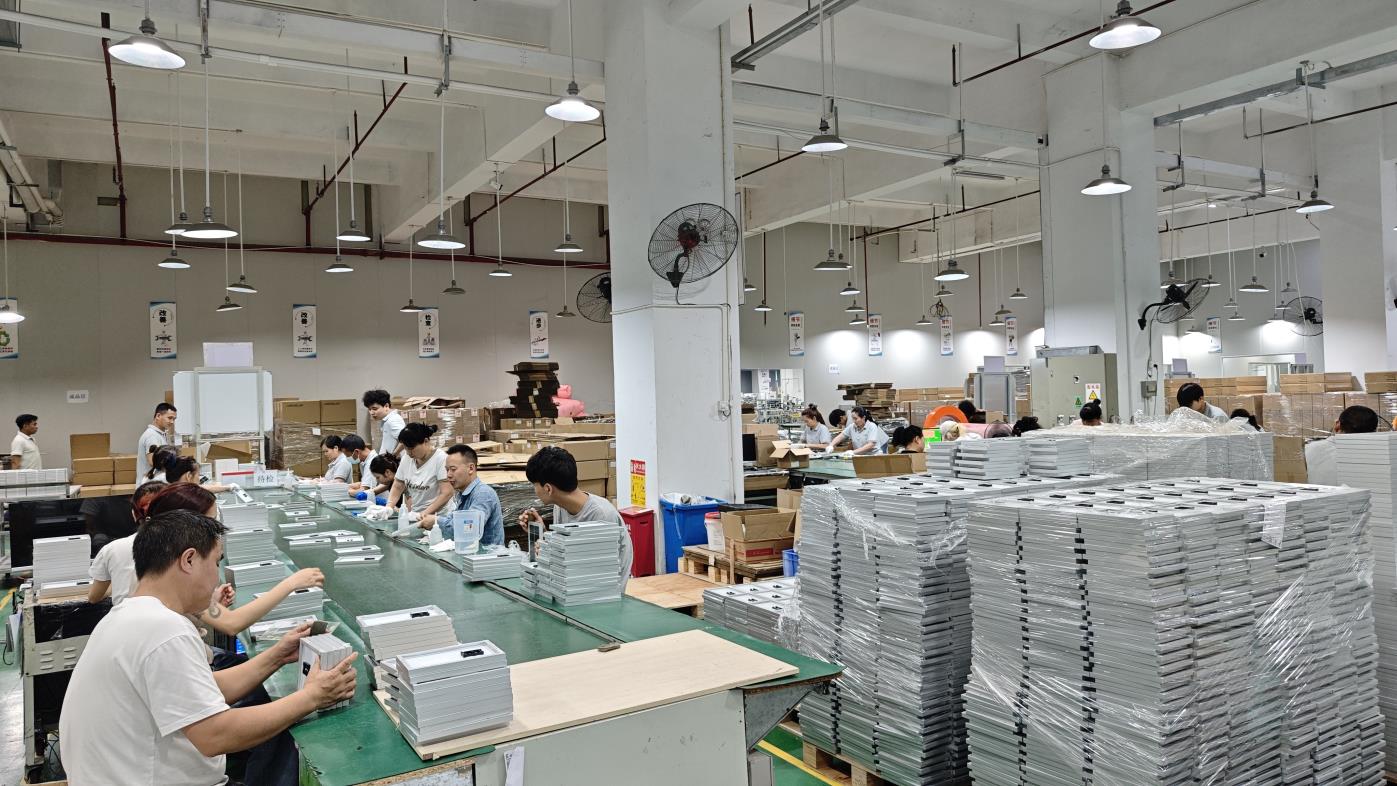
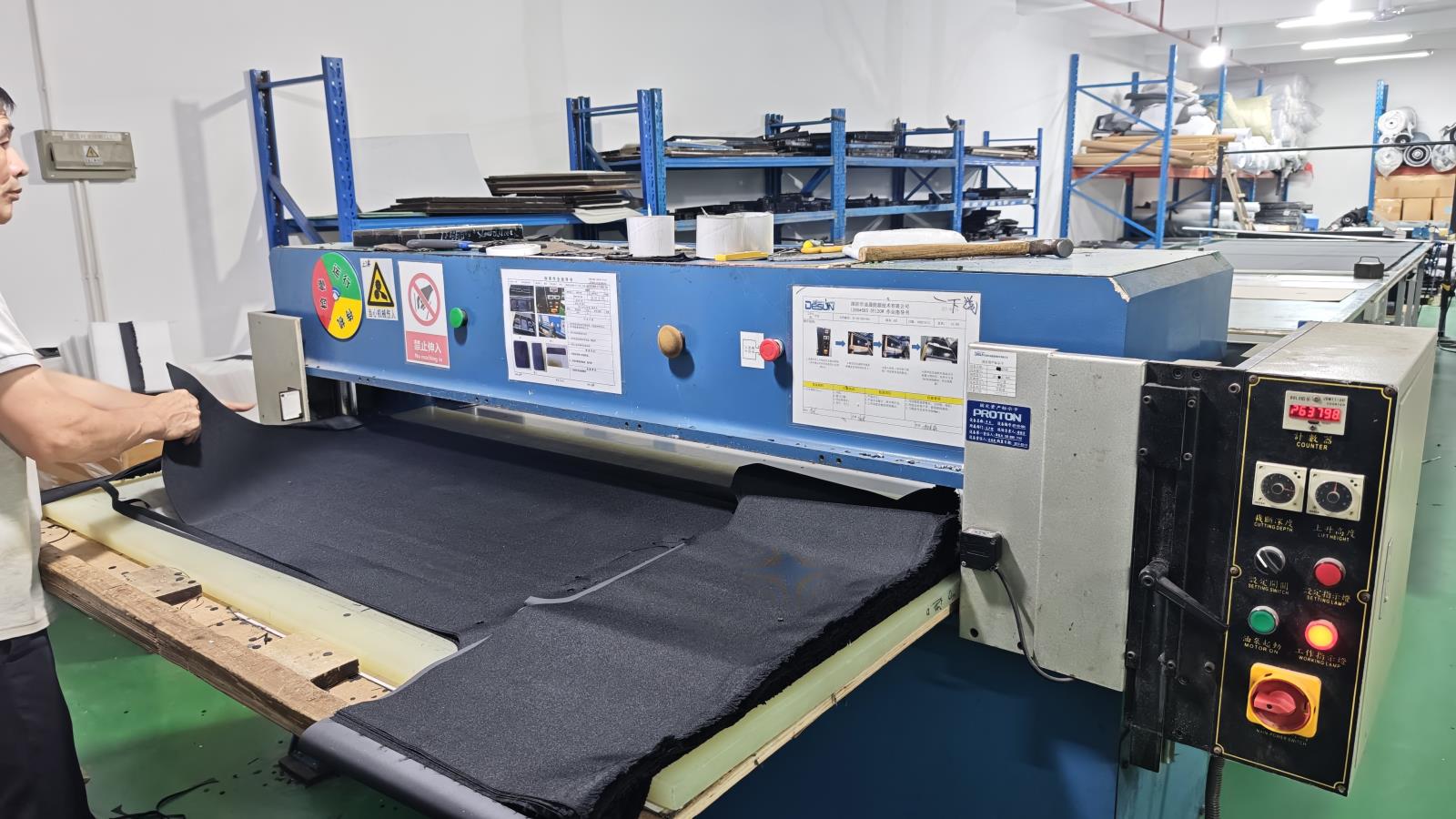
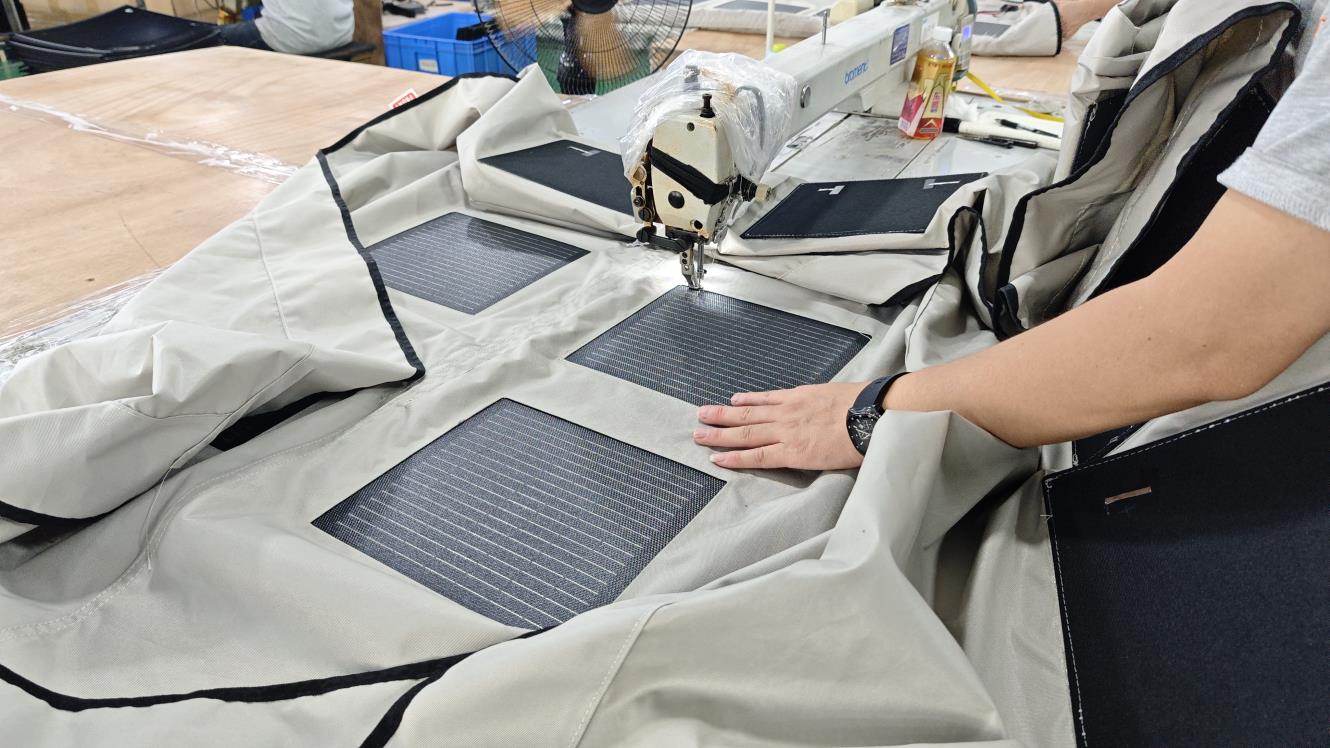
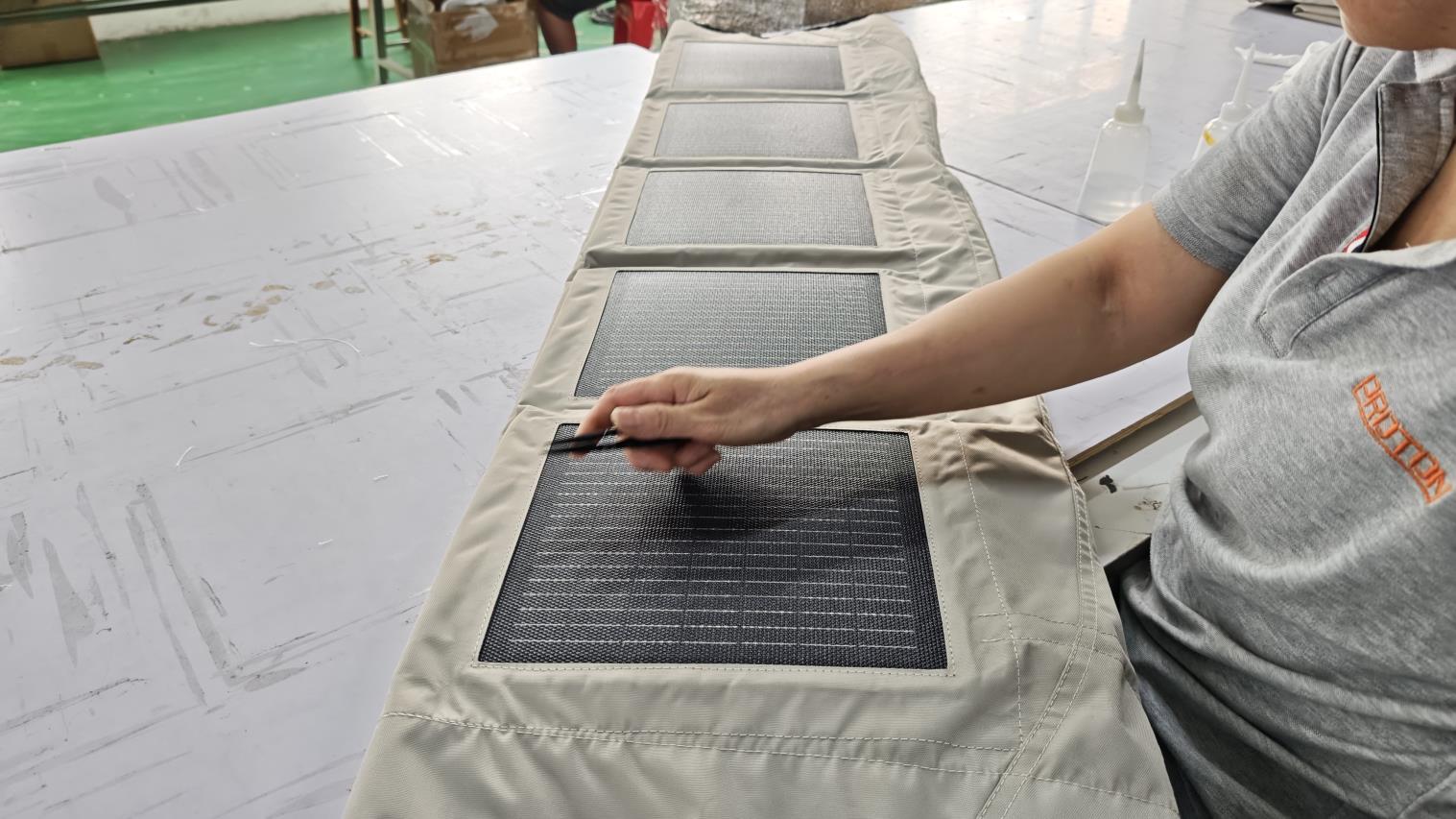
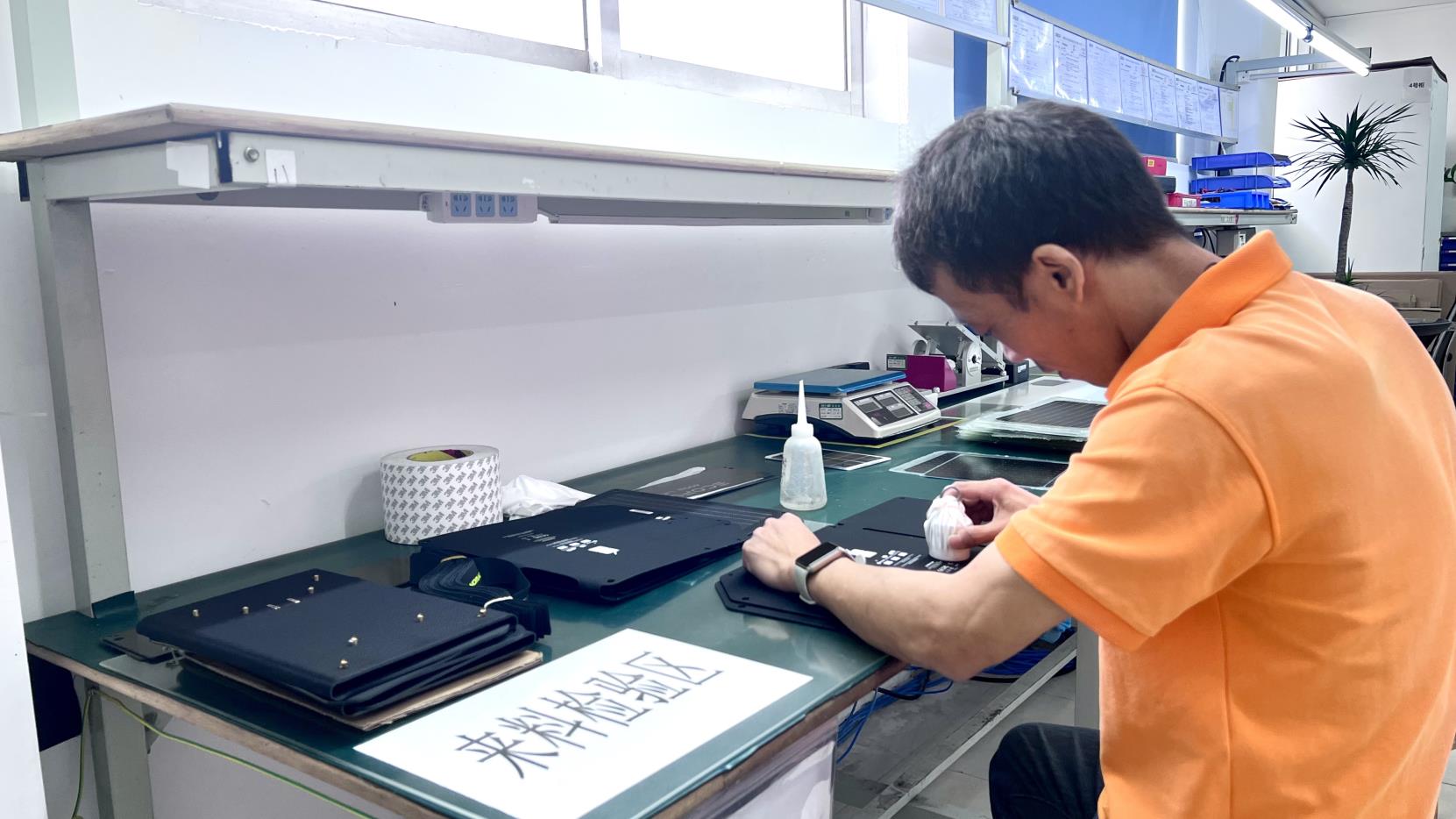
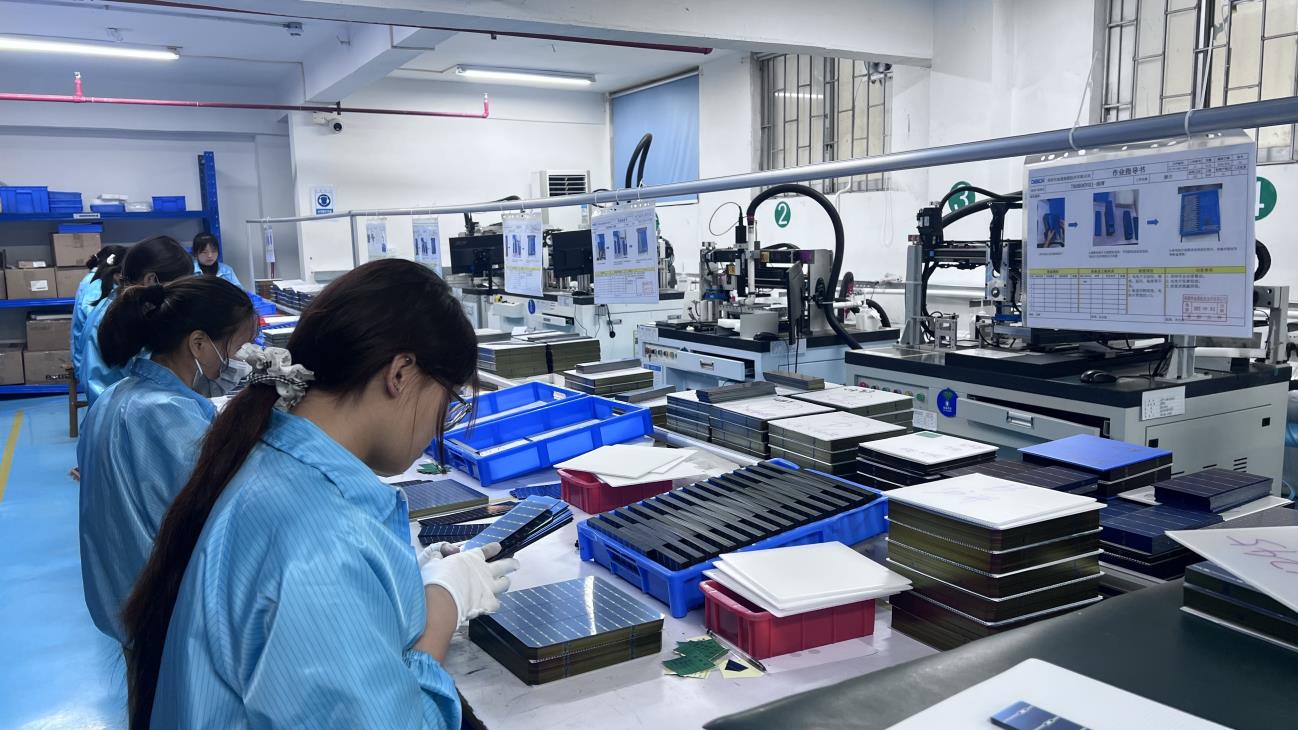
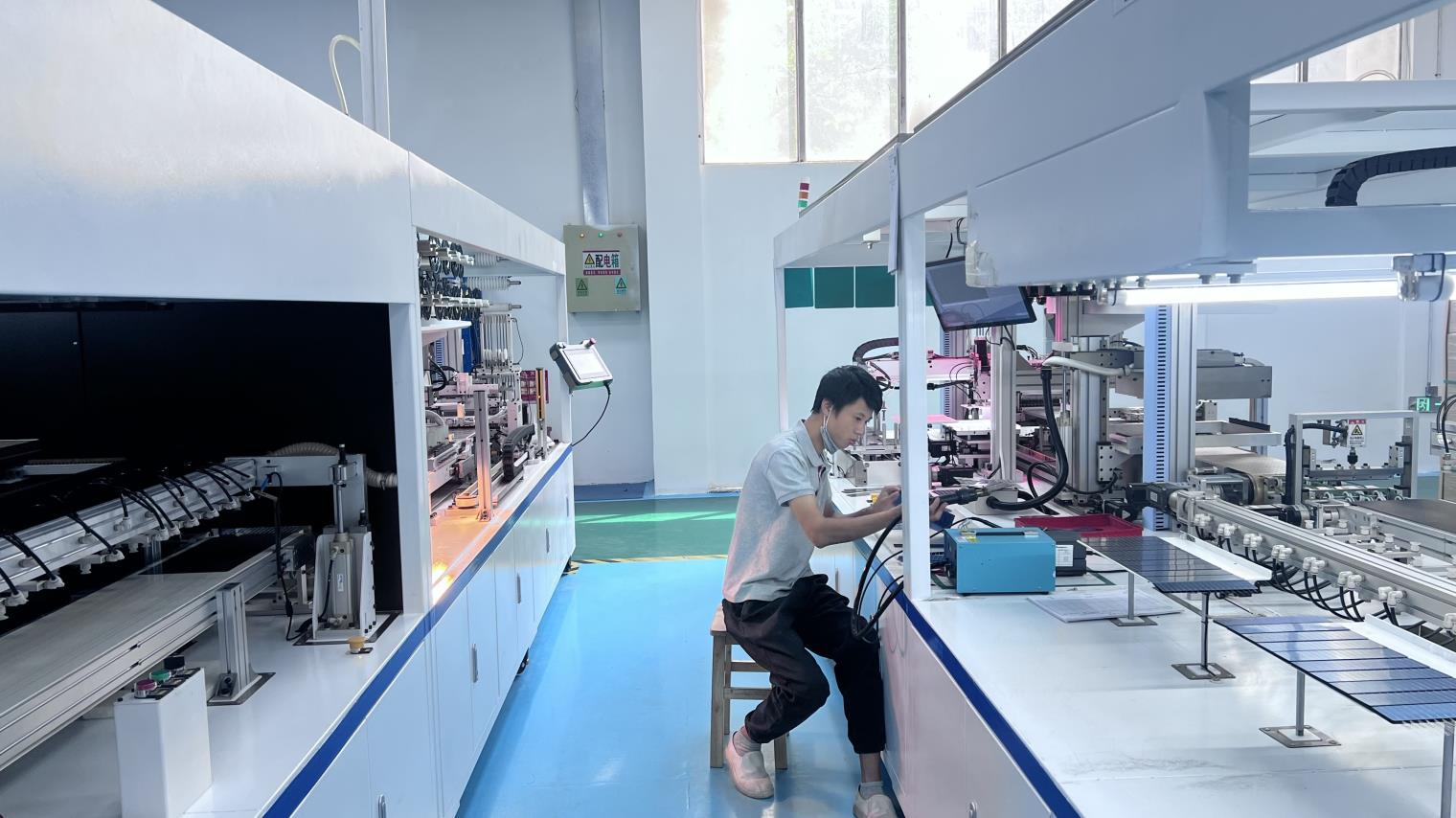
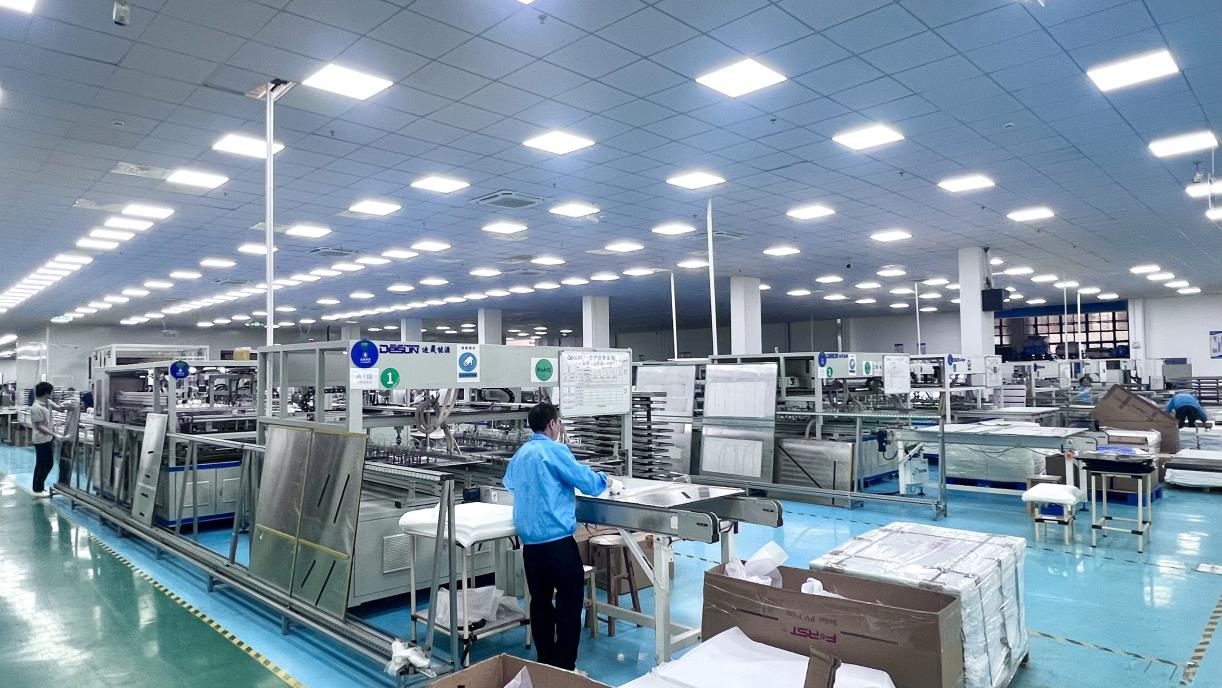
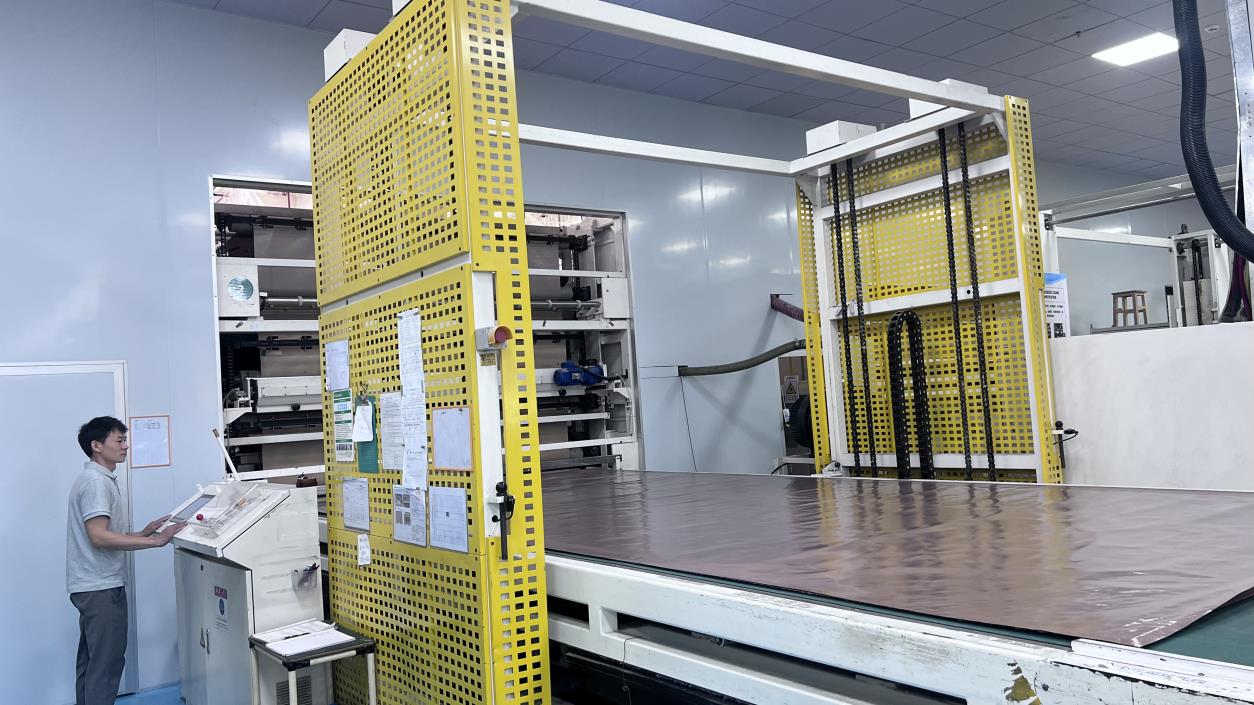
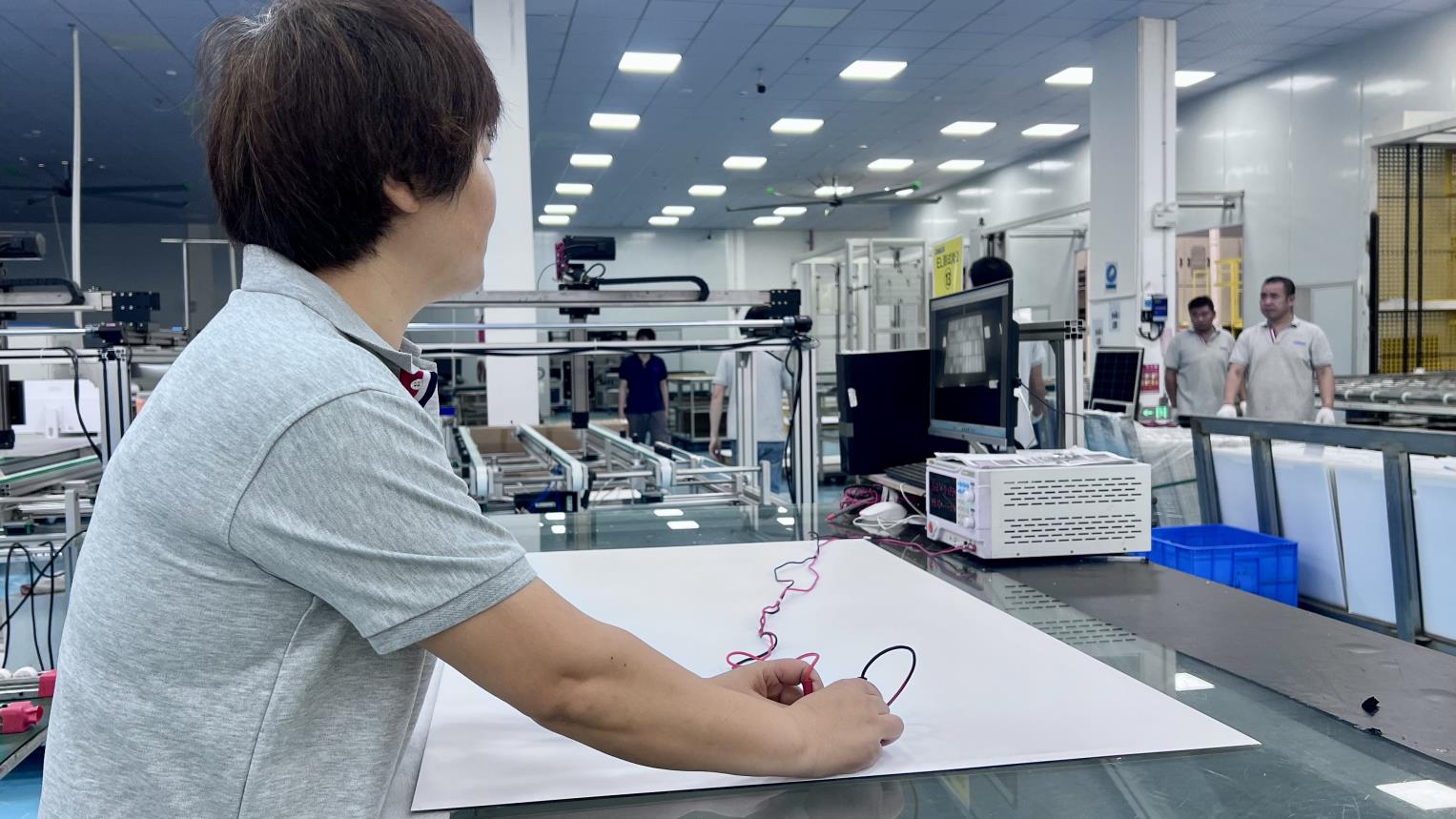
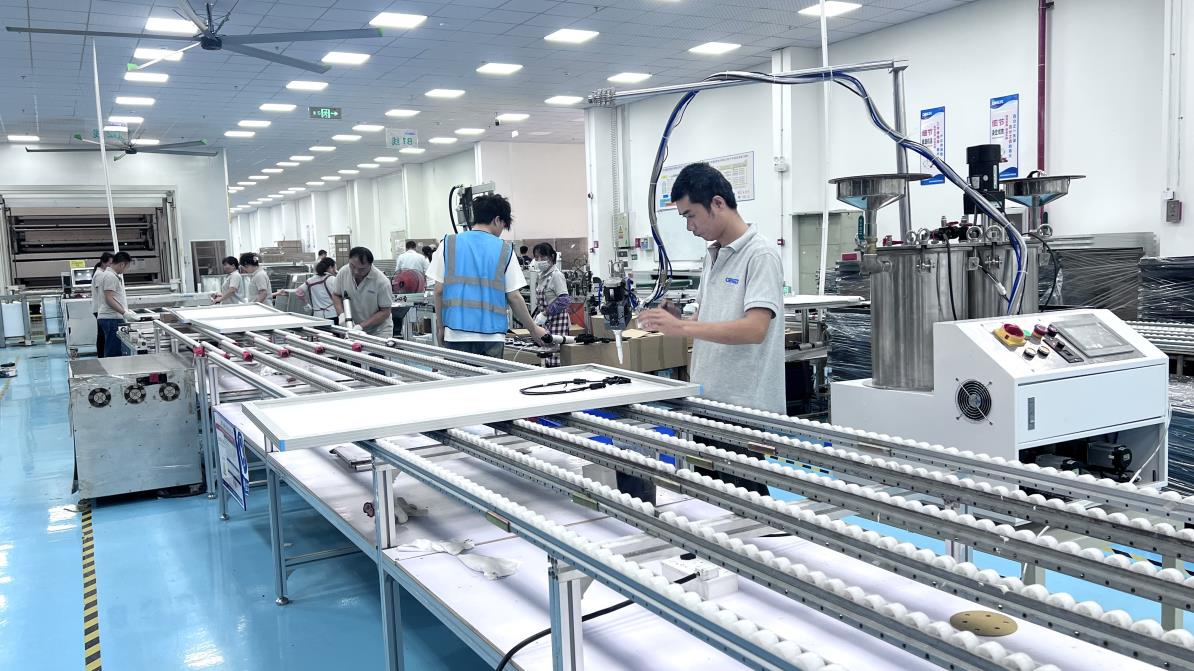
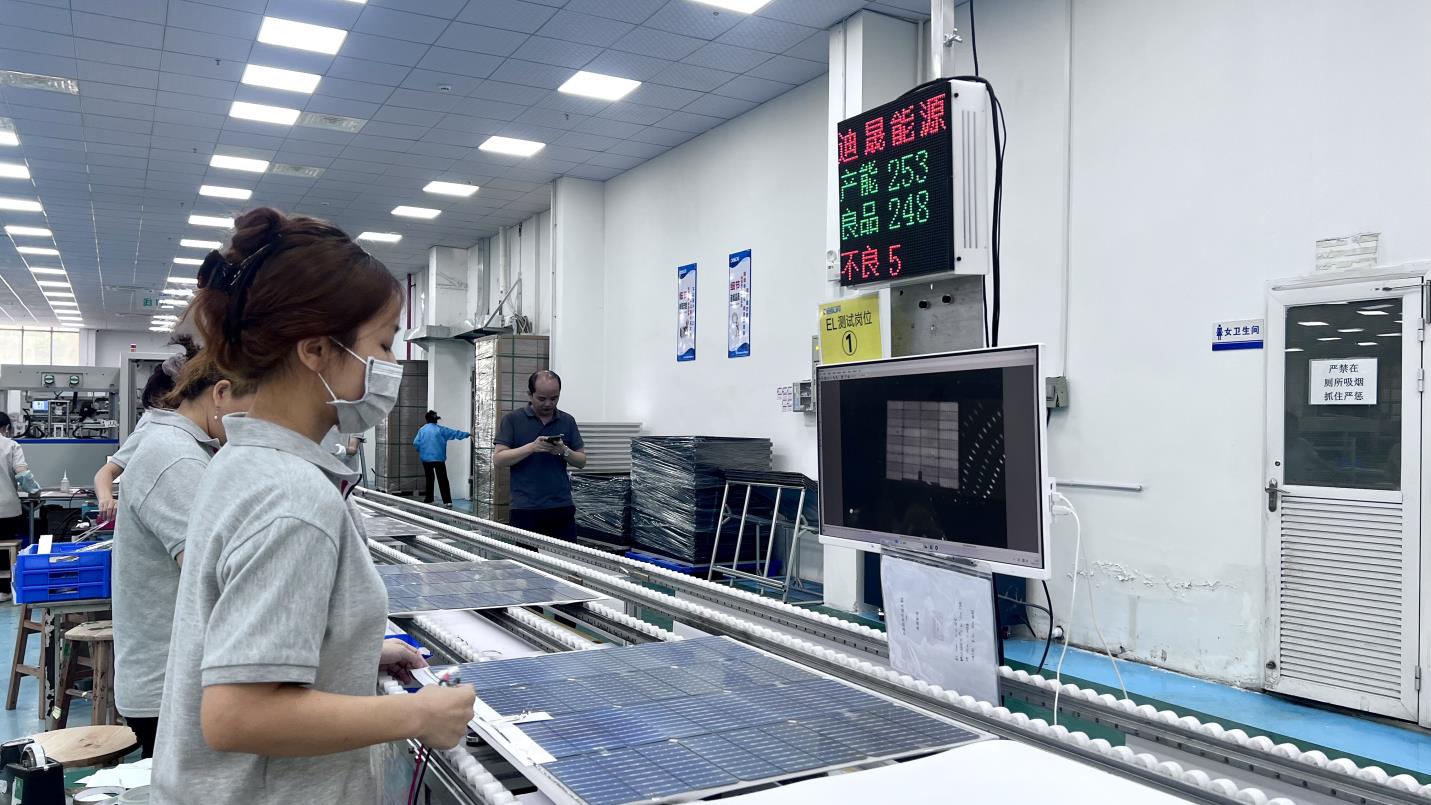
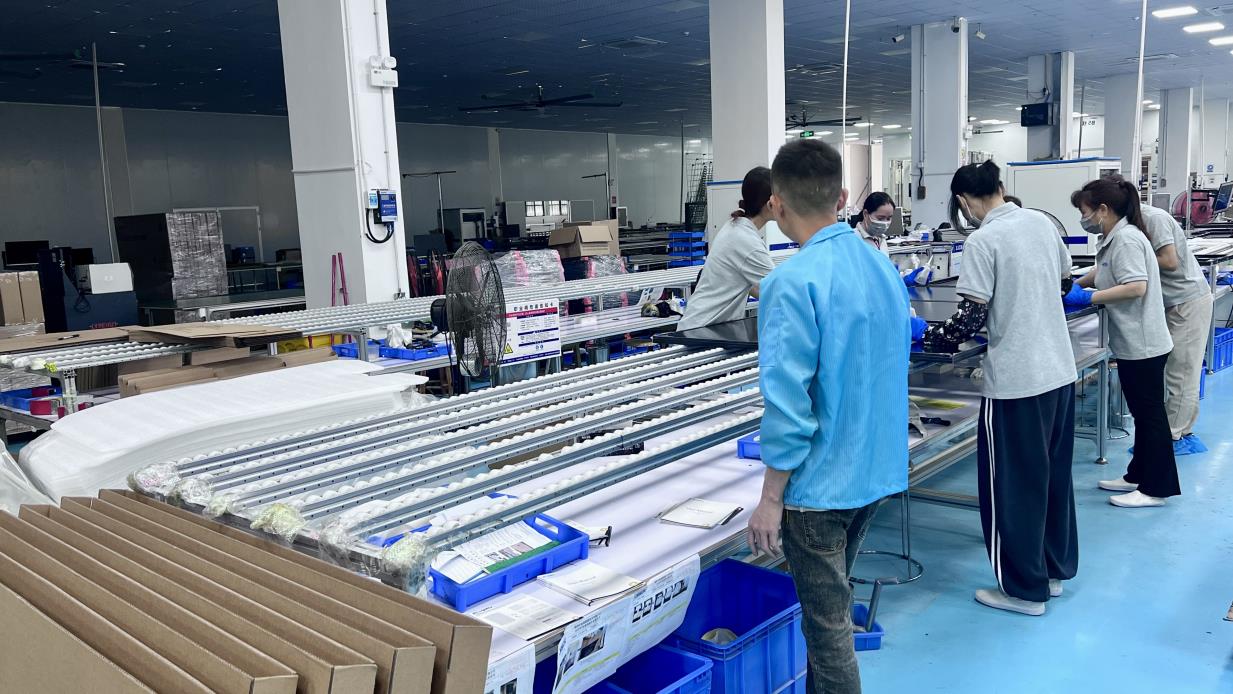
Xiamen ConTech Solar Co., Ltd. operates highly automated production halls designed to eliminate manual assembly defects. Our SMT (Surface Mount Technology) assembly line and automatic high-speed string welding lines guarantee uniform connections between cells. Cell damage is systematically prevented through precise laser scribing, which partitions cells without introducing thermal stress micro-cracks. Automated stacking and solar panel lamination are performed under strict heat, vacuum, and timing controls, ensuring that internal layers are perfectly sealed against moisture ingress.
Our quality control process is built on a multi-stage framework. Every incoming material undergoes a strict IQC (Incoming Quality Control) verification before reaching the assembly floor. Following automated lamination, panels are processed through a series of intermediate and finished product evaluations. These include comprehensive EL (Electroluminescence) tests, visual inspection checks, high-voltage isolation tests, and flash tests that analyze power production curves under simulated sunlight. Ultimately, clean, packaged solar accessories and modules are dispatched globally, backed by complete warranty coverage.
As PV projects are expected to perform reliably for 25 to 30 years, selecting high-grade raw materials is critical to preventing degradation. Modern PV plants must withstand UV radiation, high humidity, salt-spray exposure, and extreme temperature fluctuations. Standard EVA encapsulants are increasingly replaced by high-performance POE (Polyolefin Elastomer) materials, which offer superior resistance to Potential Induced Degradation (PID) and significantly lower water vapor transmission rates.
Furthermore, mounting structures now rely on highly corrosion-resistant materials like Zn-Al-Mg (Zinc-Aluminum-Magnesium) coated steel, which provides self-healing properties along cut edges. On the electrical side, premium copper wiring with cross-linked polyolefin (XLPO) insulation is utilized to withstand constant solar exposure and thermal cycling without drying or cracking. By focusing on these critical material upgrades, ConTech Solar ensures that every off-grid kit, power backup system, and BIPV facade element delivers consistent, long-term performance.
Xiamen ConTech Solar Co., Ltd. is a high-tech enterprise specializing in the research, development, production, and sale of solar energy products. Guided by the business philosophy of "Innovative Technology, Superior Quality, and Sustainable Development," ConTech Solar continuously strengthens its technological innovation and product development capabilities. With a strong R&D team and advanced manufacturing technology, Xiamen ConTech Solar Co., Ltd. mainly produces solar panels, solar controllers, solar energy systems, and related photovoltaic products.
These products are widely used in residential rooftops, commercial and industrial solar projects, large-scale photovoltaic power stations, agricultural applications, street lighting systems, and off-grid energy solutions. Adhering to the principle of "Customer First, Quality Foremost," Xiamen ConTech Solar Co., Ltd. has earned a strong reputation in both domestic and international markets through competitive pricing, professional technical support, and excellent after-sales service. The company actively promotes green energy development and strives to contribute to global sustainable energy solutions.
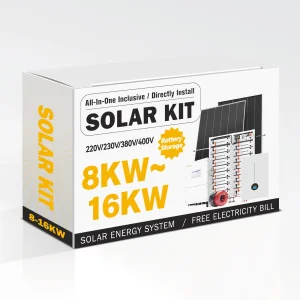
Explore our off-grid solar kits, advanced thin-film modules, and balcony PV accessories, designed for seamless home and commercial integration.
Get professional answers to technical queries regarding solar power systems, battery safety, and industrial-grade installations.
 ConTech Solar