Evaluating the systemic shift towards high-efficiency PV flow engineering under regional grid challenges and ESG decarbonization mandates.
Modern agriculture, municipal water supply systems, and industrial operations are undergoing a rapid technological migration away from fossil-fuel-dependent irrigation. Traditionally, off-grid water pumping relied on diesel generators—systems burdened by volatile fuel costs, logistical challenges, and high carbon footprints. Today, the convergence of high-efficiency N-Type bifacial solar panels, advanced Permanent Magnet Brushless DC (PM-BLDC) motors, and intelligent MPPT (Maximum Power Point Tracking) controllers has transformed solar water pumping into a commercially dominant solution.
In the global commercial and industrial (C&I) sectors, solar water pumping is no longer viewed as a mere sustainability initiative but as a strategic infrastructure asset that significantly lowers the Levelized Cost of Water (LCOW). In arid regions such as Sub-Saharan Africa, the Middle East, Western Australia, and parts of Latin America, access to a consistent grid is non-existent. Solar water pumping factories in China have actively stepped into this space, exporting robust systems designed to withstand extreme thermal ranges, dusty conditions, and severe electrical fluctuations.
For large-scale agricultural projects, deploying a centralized solar pumping array directly impacts the bottom line. By capitalizing on daytime solar radiation, systems pump water to elevated reservoirs or directly feed drip-irrigation networks in real time. This operational philosophy drastically minimizes battery storage requirements—which historically represented the single largest point of failure and maintenance expense in off-grid solar designs.
An anatomical look at the engineering innovations driving modern high-head submersible and surface solar water systems.
Advanced digital controllers monitor real-time PV array performance and dynamically adjust frequency output. This allows soft-starts, eliminating in-rush current spikes that deteriorate motor windings, while maximizing water yield under low-light conditions.
Abandoning traditional AC induction, modern solar submersible pumps rely heavily on brushless DC motors featuring rare-earth magnets. These systems boast efficiency ratings up to 92%, translating to more GPM (gallons per minute) per watt of solar power.
Cloud-integrated modems and sensors monitor pressure, dynamic water tables, flow rate, and dry-run state. System operators can adjust output parameters remotely via smartphone or receive alerts for pump cavitation or blockages.
To engineer a sustainable and high-performance solar water pumping station, the factory must tailor components for the system's exact Total Dynamic Head (TDH), flow requirements, and geographic solar radiation curve. TDH calculations factor in static water lift, frictional pipe losses, and discharge elevation. Leading-edge Chinese solar water pumping factories utilize state-of-the-art computational fluid dynamics (CFD) software to design impeller stages and internal pump casing geometries. By optimizing these hydraulic components, the factories minimize internal turbulence, which maximizes water output even under low solar irradiance periods like early morning or late afternoon.
Simultaneously, the technical integration of dual-power inputs (AC grid/diesel and DC solar power) within a single controller unit represents the future of critical water supply configurations. When solar energy decreases, a hybrid inverter automatically supplements power from the AC grid or auto-starts a diesel generator, ensuring uninterrupted water flow without manual intervention. This level of smart grid logic is engineered directly into our top-tier manufacturing lines in China.
Bridging high-tech hardware with localized environmental challenges to create highly resilient off-grid communities.
In global agricultural operations, integrating solar pumps with automatic drip-irrigation networks minimizes water waste. The system operates directly during peak solar hours, delivering precise amounts of water straight to plant roots. This synchronization limits evaporative losses, mitigates soil erosion, and maintains optimal soil moisture.
For isolated cattle ranches and nomadic pasture lands, solar submersible pumps provide reliable, low-maintenance drinking water systems. Integrated pressure switches and storage tanks automate the delivery process, protecting herds from dehydration in regions where installing high-voltage grid lines is economically impossible.
Reclaiming arid or ecologically degraded lands relies heavily on lowering the water table or supplying steady volumes of fresh water for soil flushing. Solar-driven pumps operate autonomously in desolate, harsh locations, sustaining forestation barriers and slowing desertification with zero carbon emissions.
Beyond these standard configurations, commercial mining operations and construction sites employ high-head solar pumps for deep-well dewatering. By eliminating the hazard of diesel refueling in underground shafts, these systems reduce environmental risks, improve overall mine safety, and contribute to lower overall operational costs.
How industrial clustering and advanced automated manufacturing deliver unbeatable value and reliability to global buyers.
China represents the undisputed global epicenter for solar power system manufacturing and hydraulic engineering. The strategic alignment of these two massive industries has catalyzed a highly resilient supply chain that yields significant advantages for international buyers:
By leveraging these systemic supply chain dynamics, Chinese factories can deliver fully integrated, high-end solar water pumping kits at a fraction of the cost of European or North American competitors, without compromising on component lifetimes, performance margins, or certification compliance.
Under the rigorous operational framework of Xiamen ConTech Solar Co., Ltd. - Driving absolute quality through every stage of production.
Xiamen ConTech Solar Co., Ltd. is a professional high-tech enterprise specializing in the research, development, production, and sales of solar energy products. Since its establishment, the company has been committed to providing efficient, reliable, and environmentally friendly solar solutions to customers worldwide. Guided by the business philosophy of "Innovative Technology, Superior Quality, and Sustainable Development," ConTech Solar continuously strengthens its technological innovation and product development capabilities.
With a strong R&D team and advanced manufacturing technology, Xiamen ConTech Solar Co., Ltd. mainly produces solar panels, solar controllers, solar energy systems, and related photovoltaic products. These products are widely used in residential rooftops, commercial and industrial solar projects, large-scale photovoltaic power stations, agricultural applications, street lighting systems, and off-grid energy solutions.
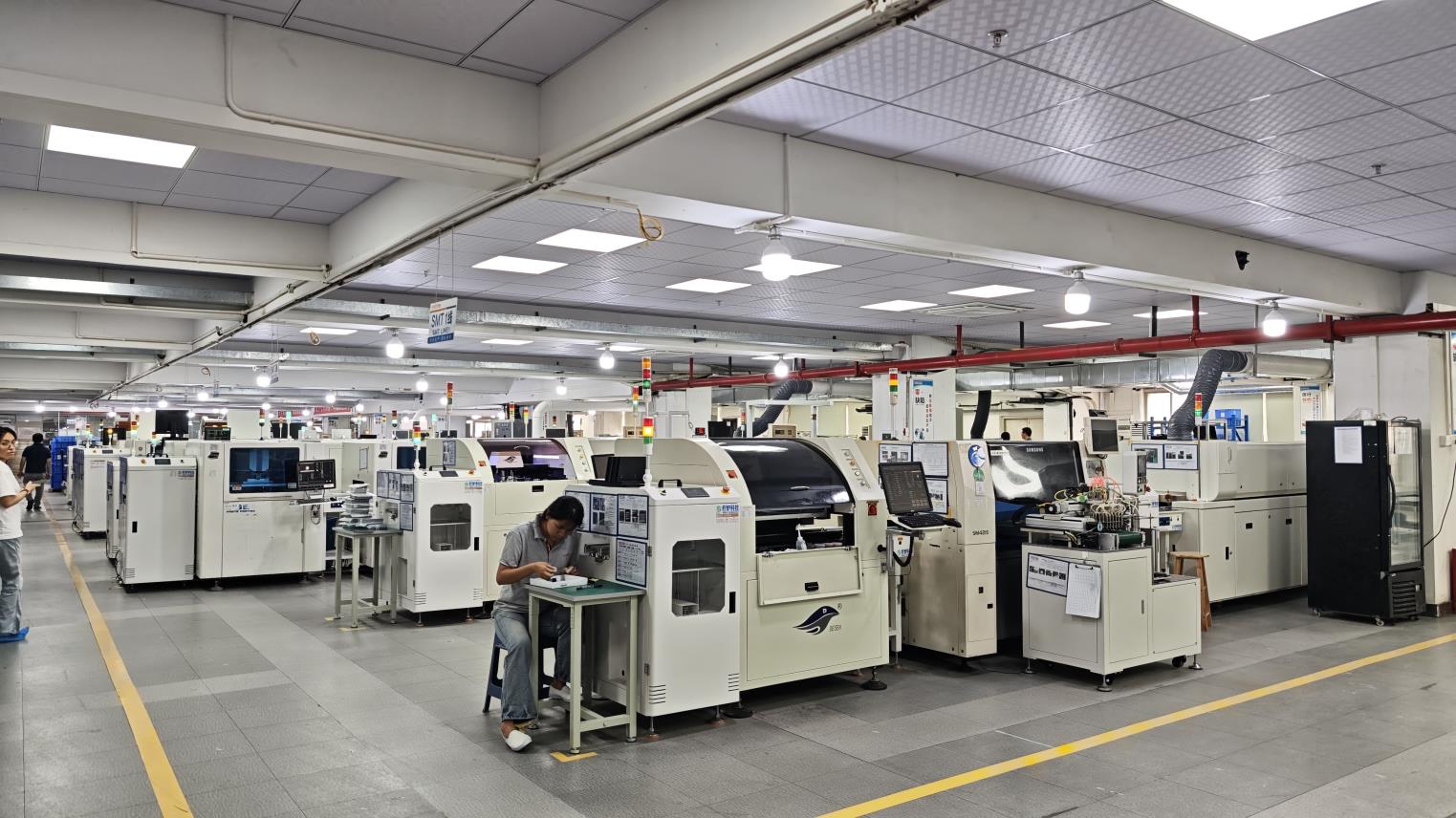
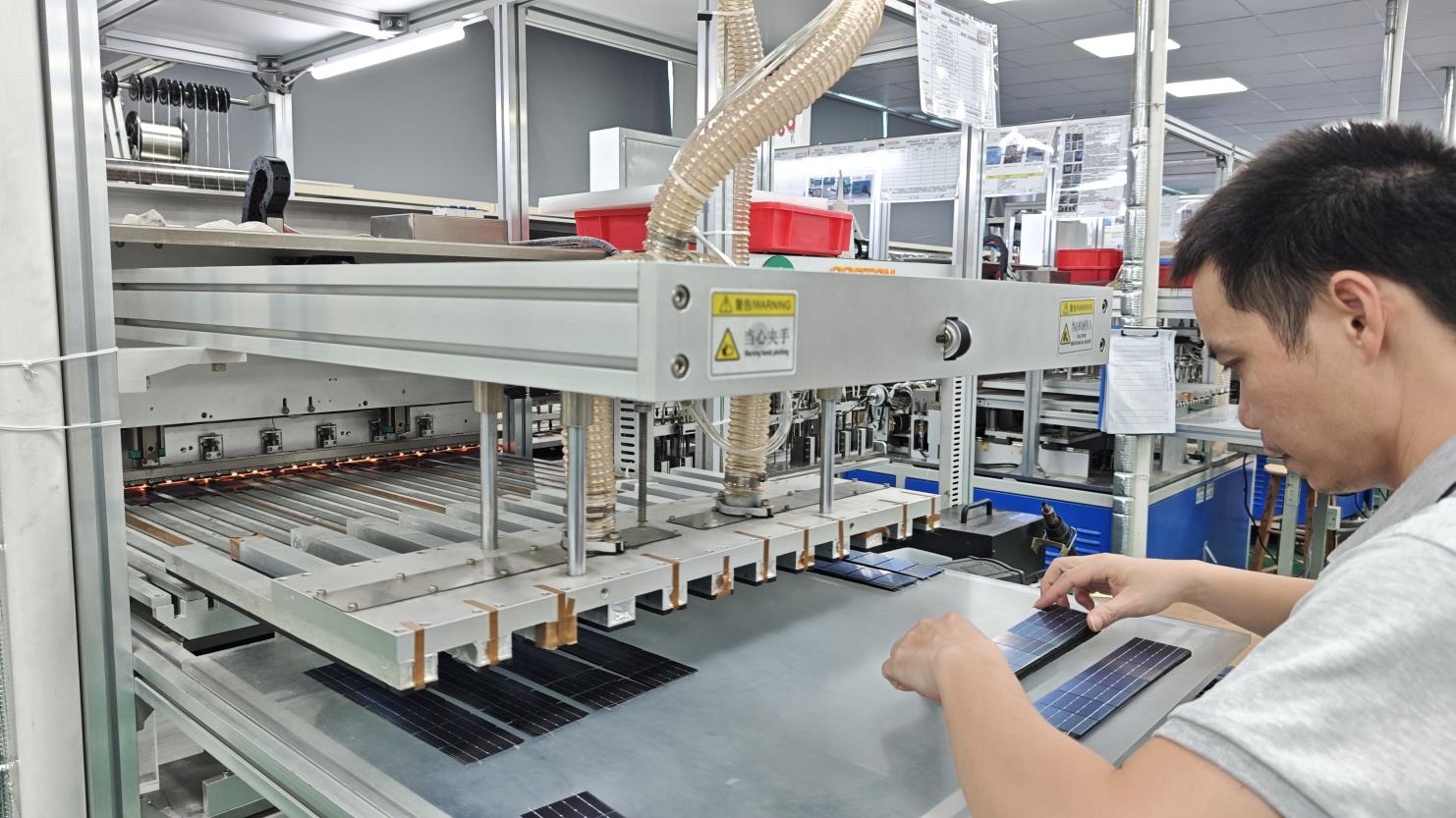
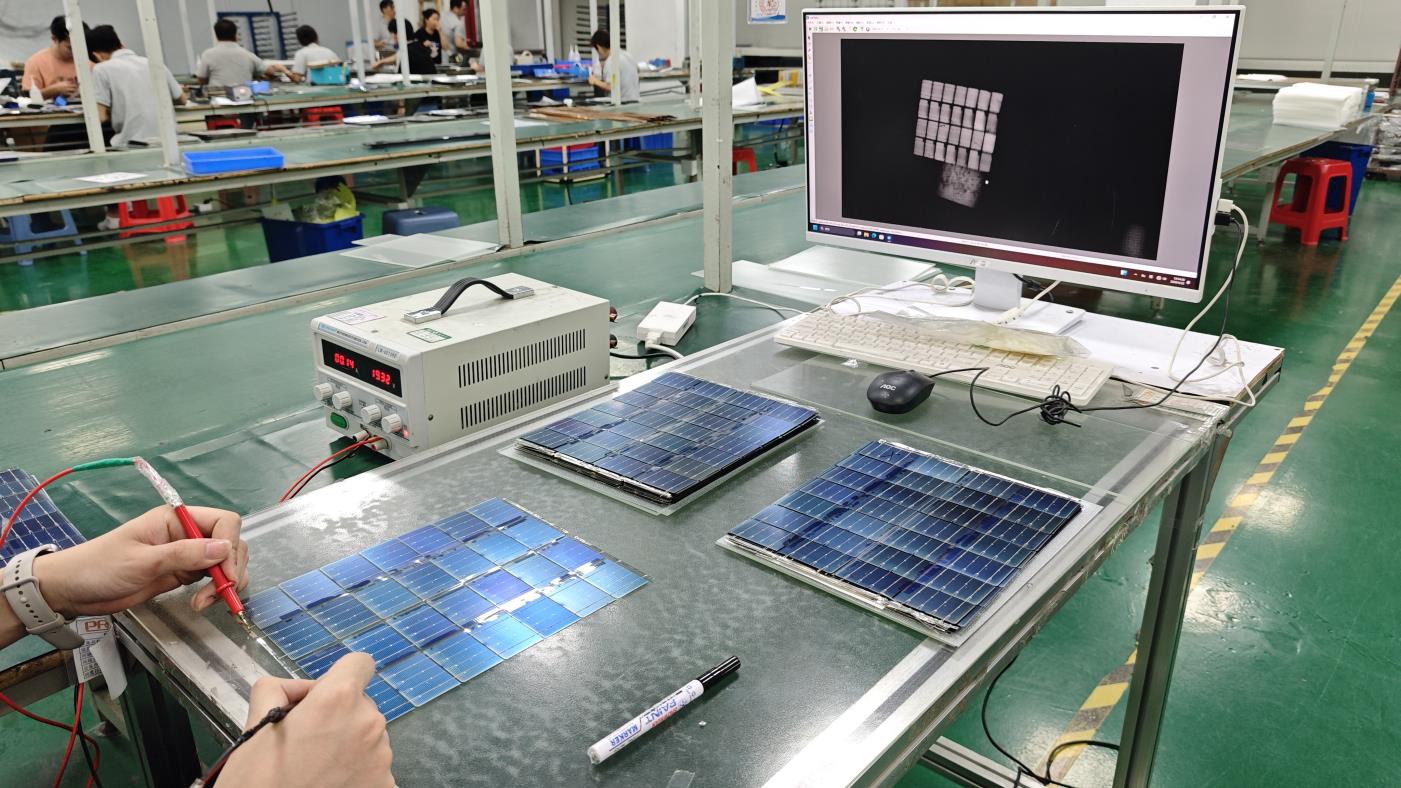
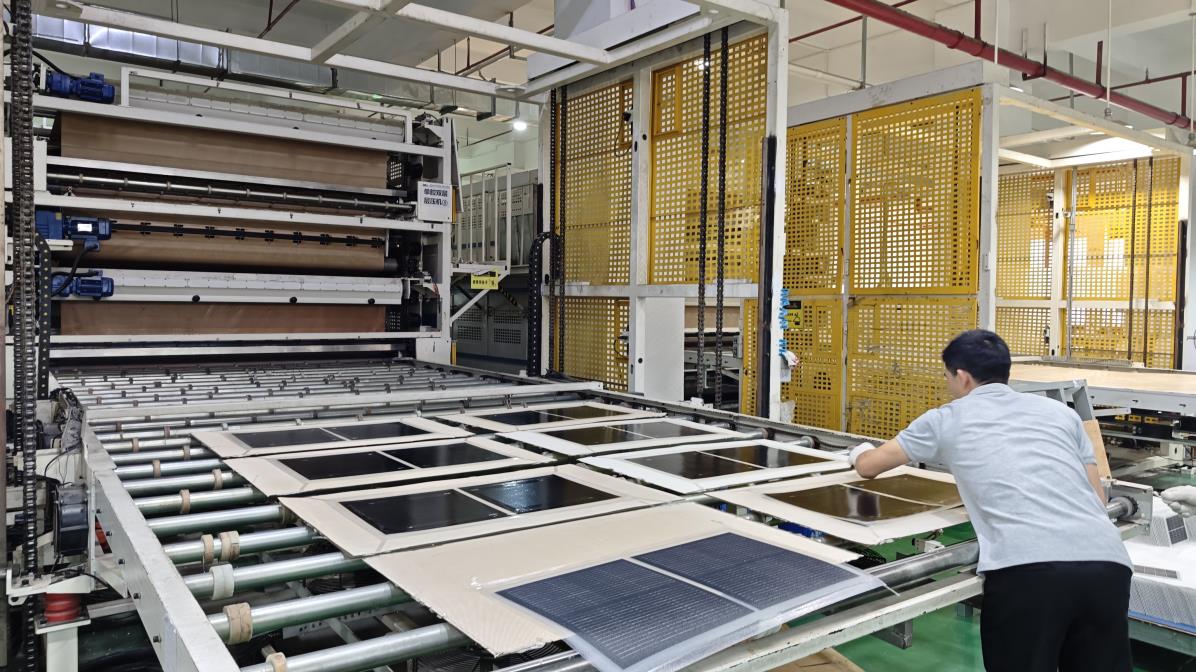
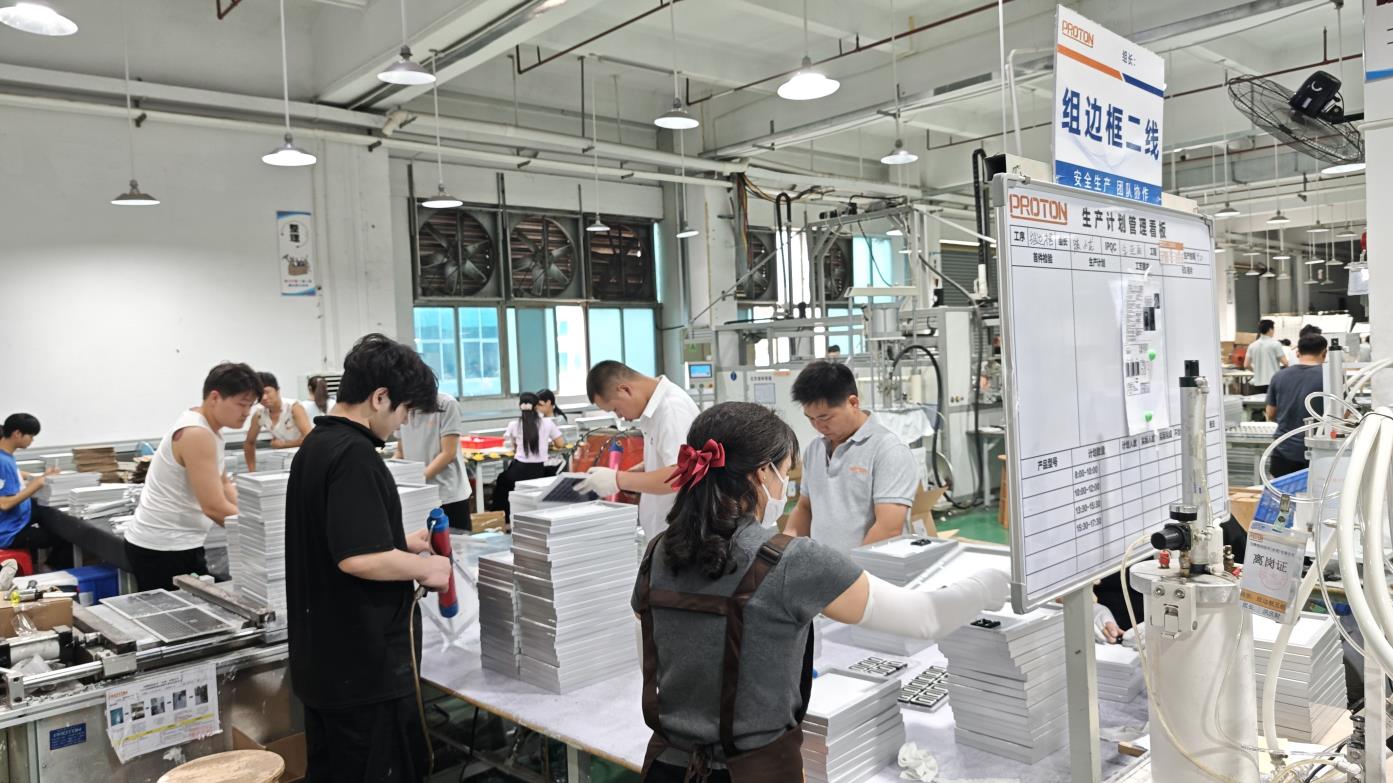
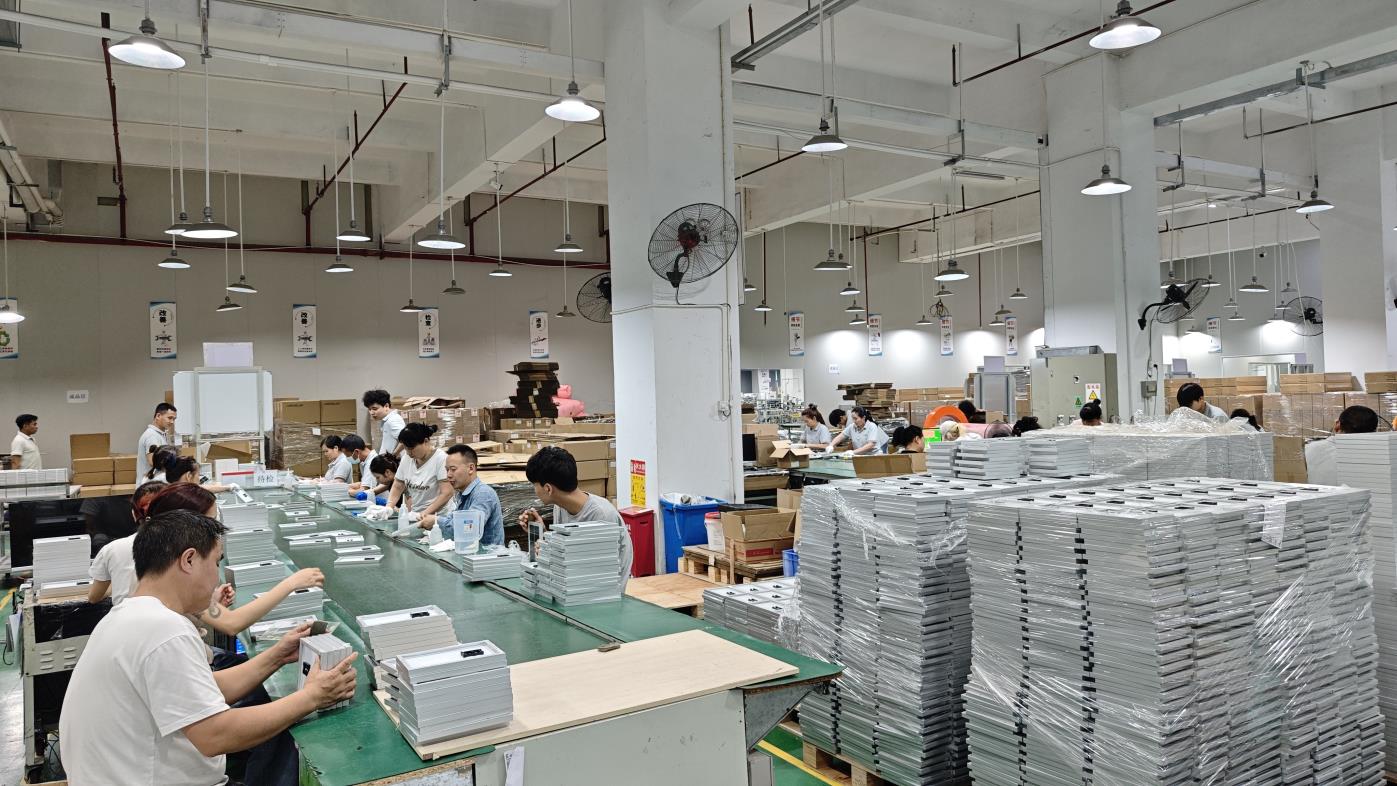
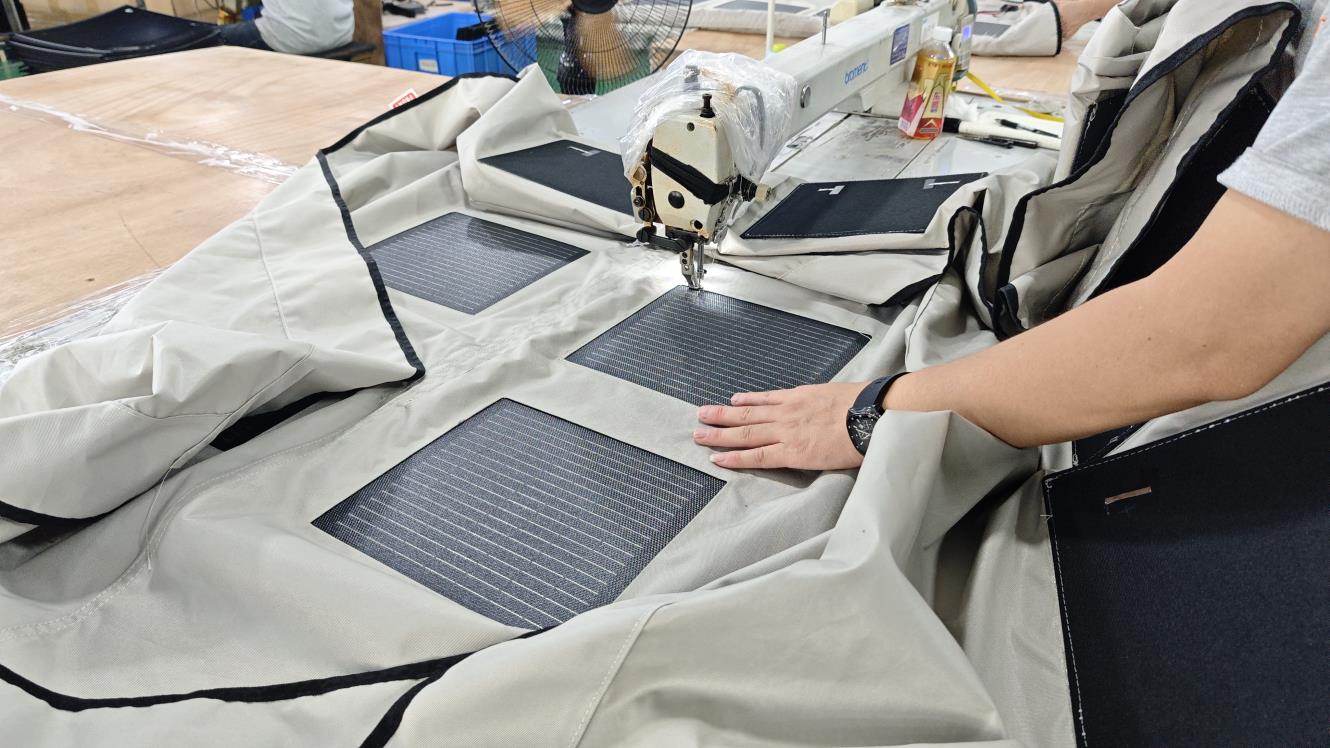
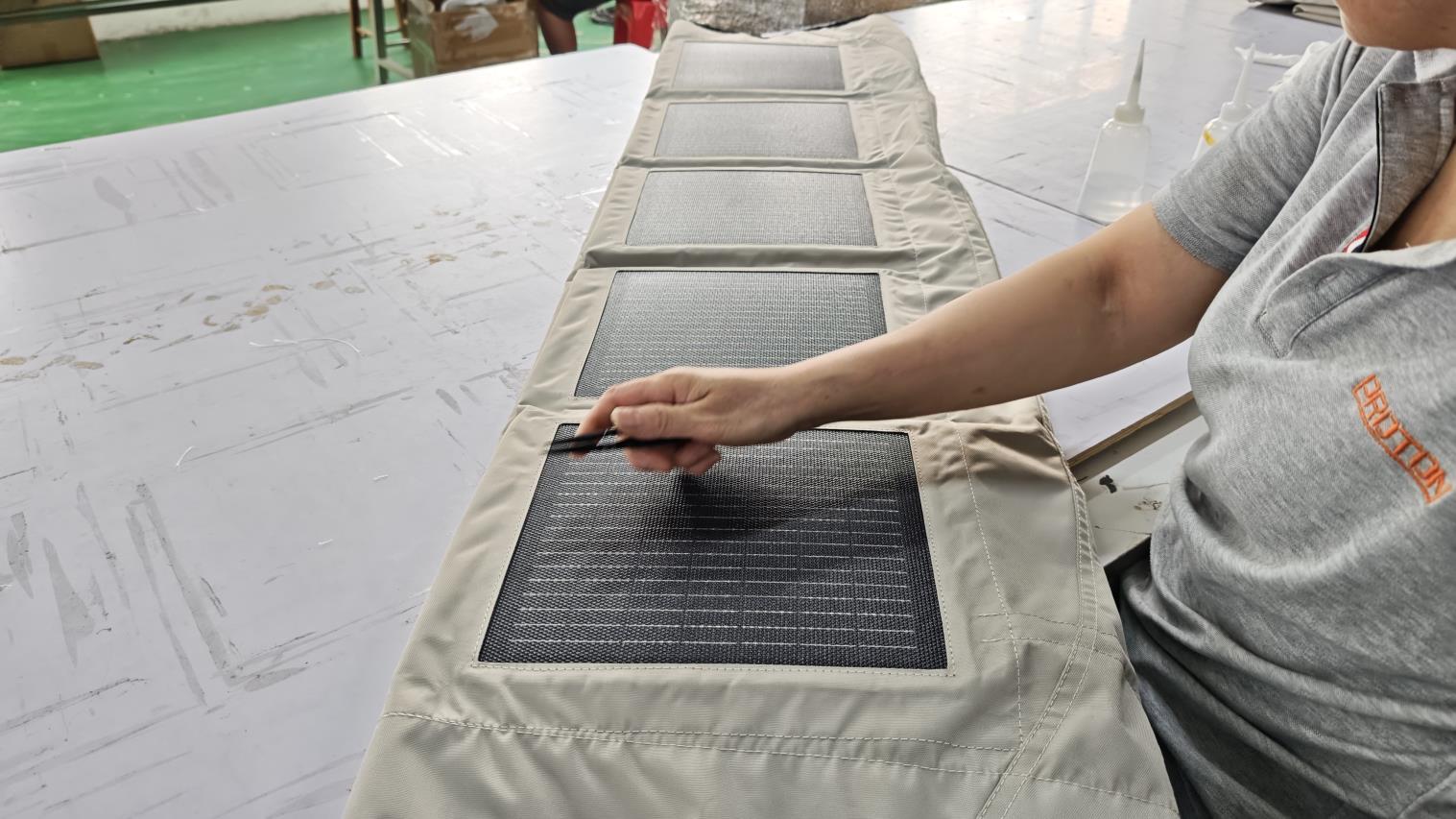
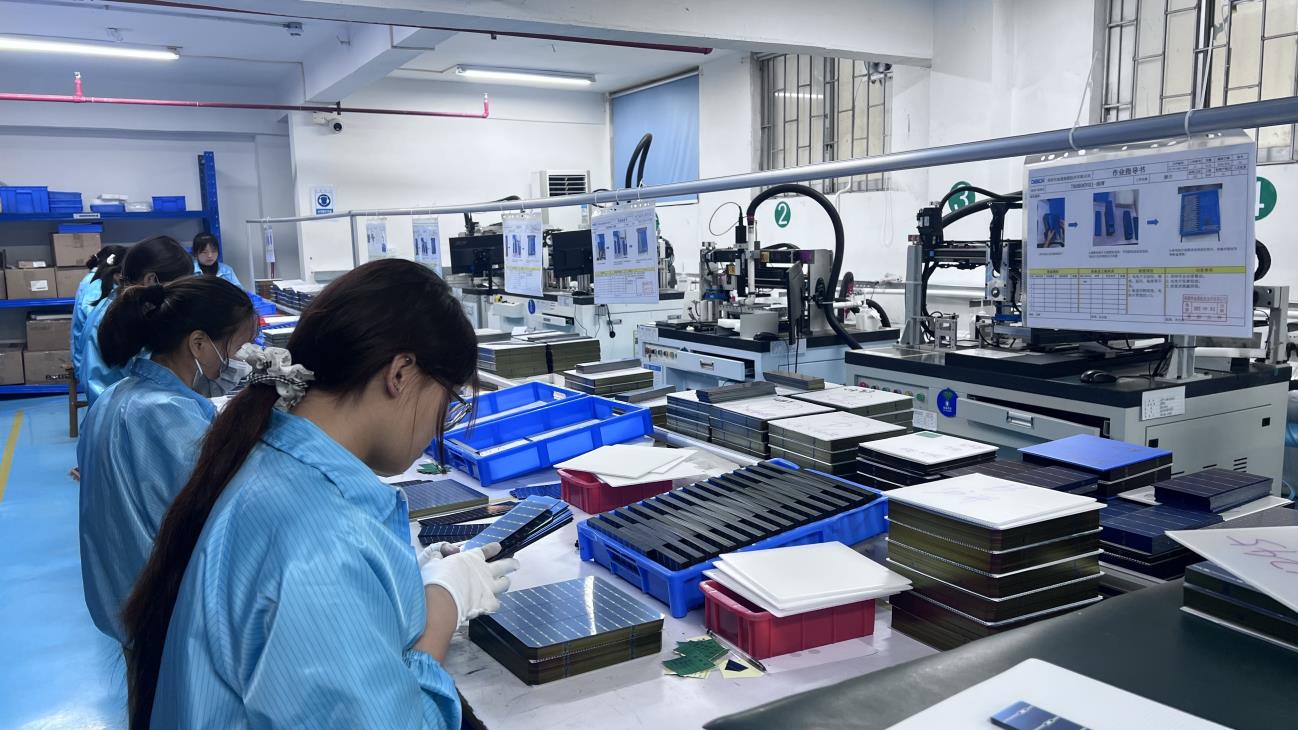
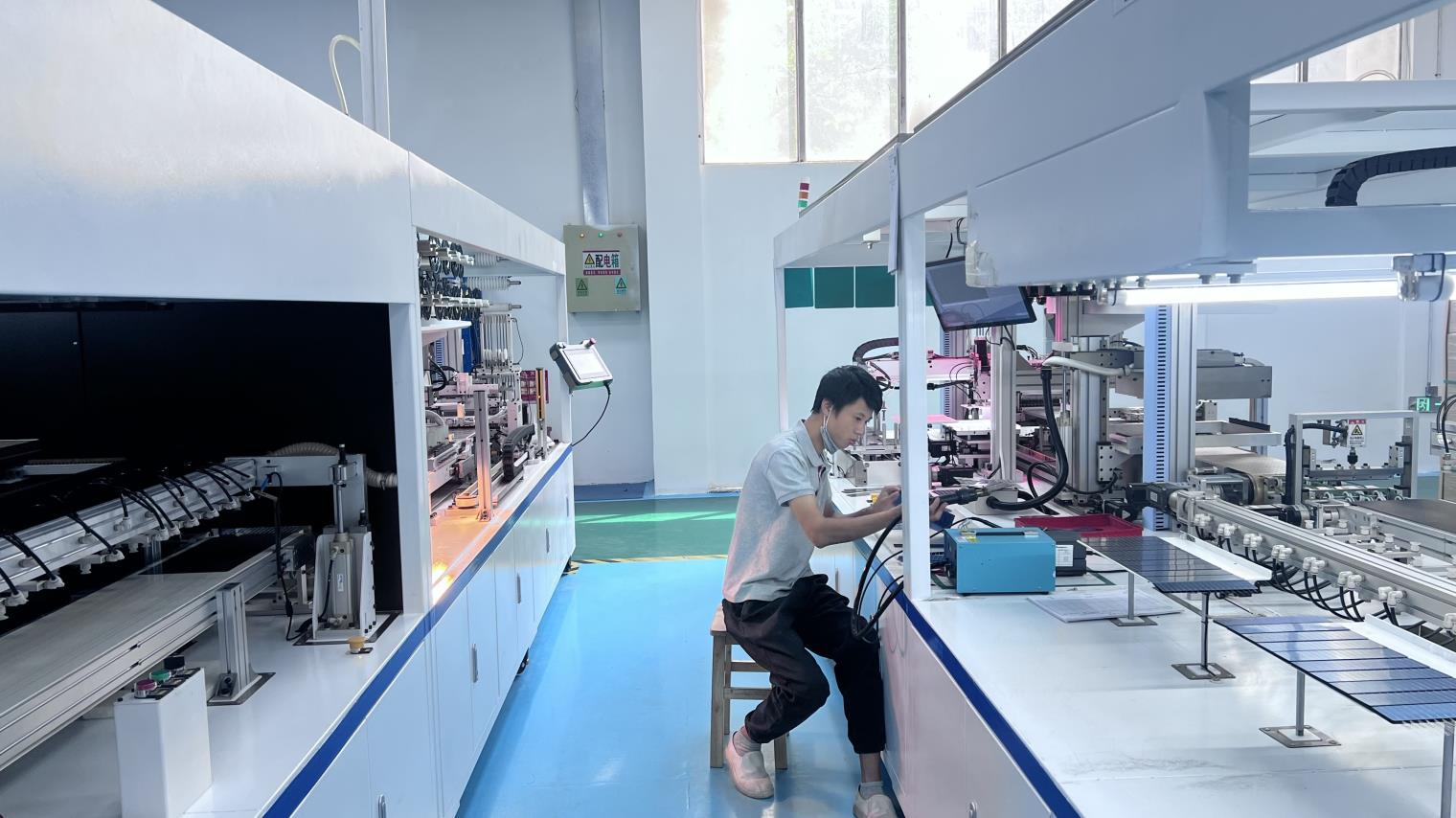
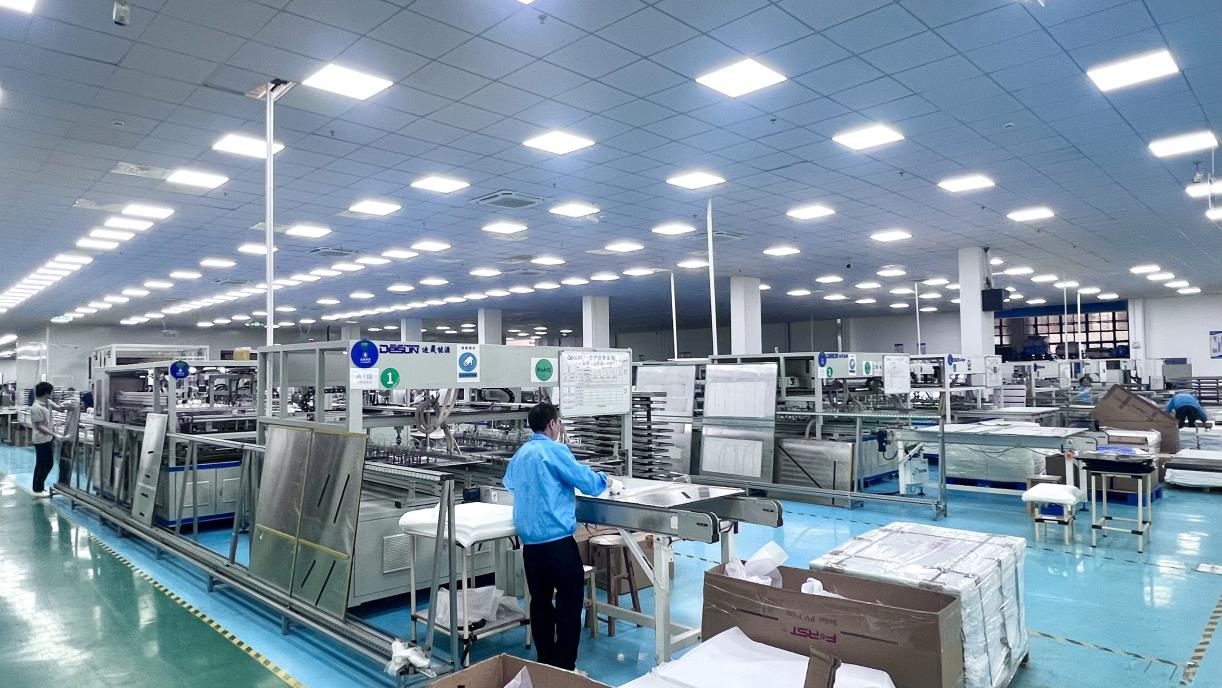
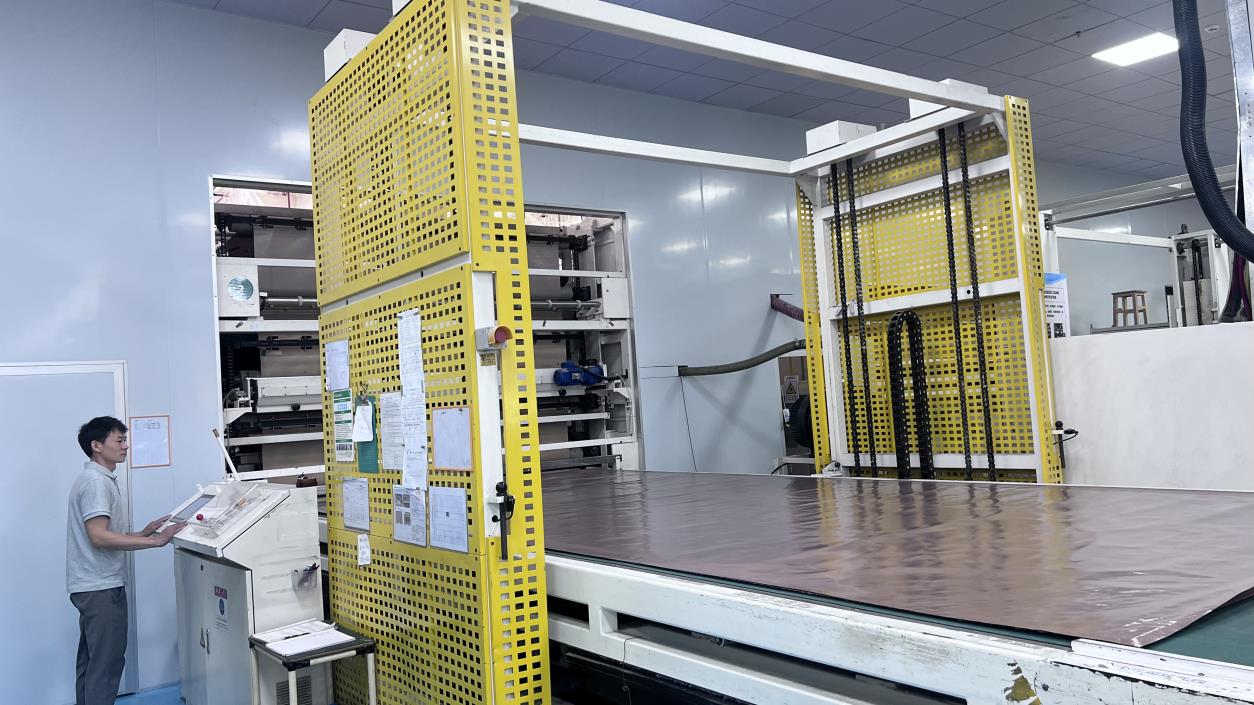
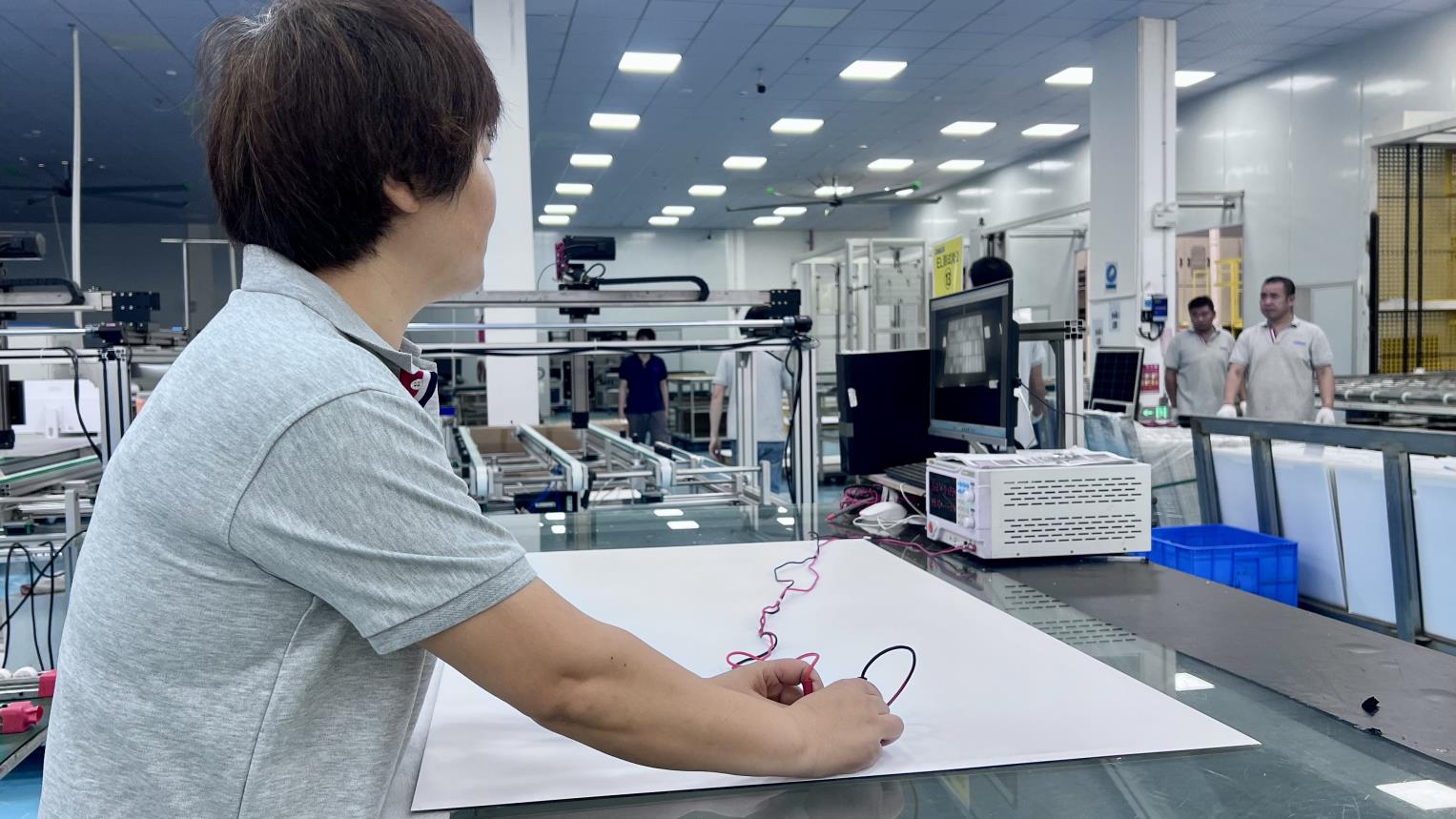
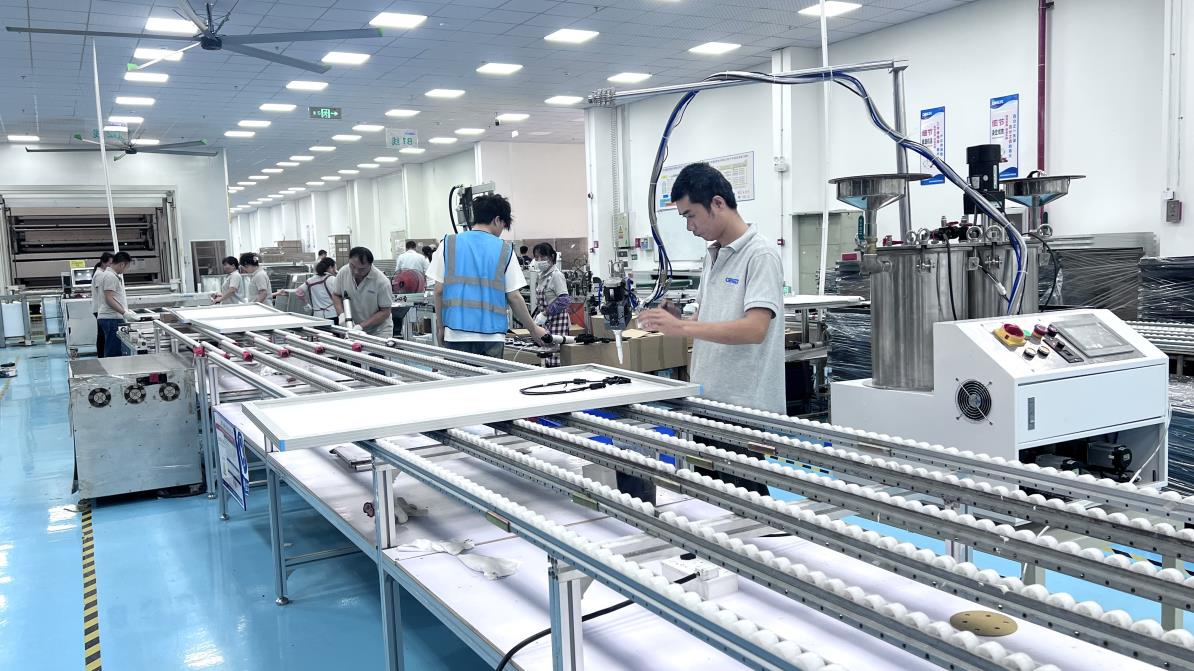
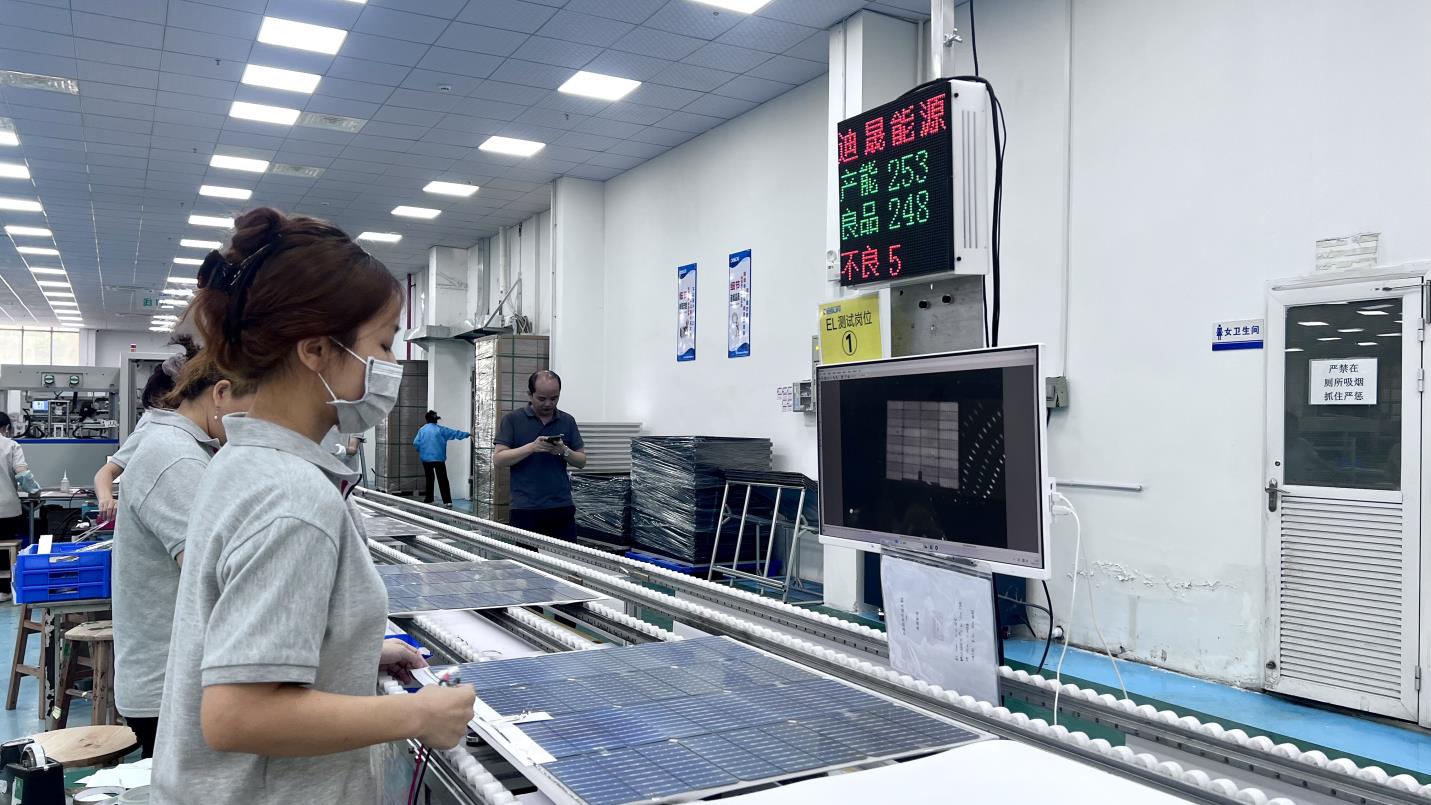
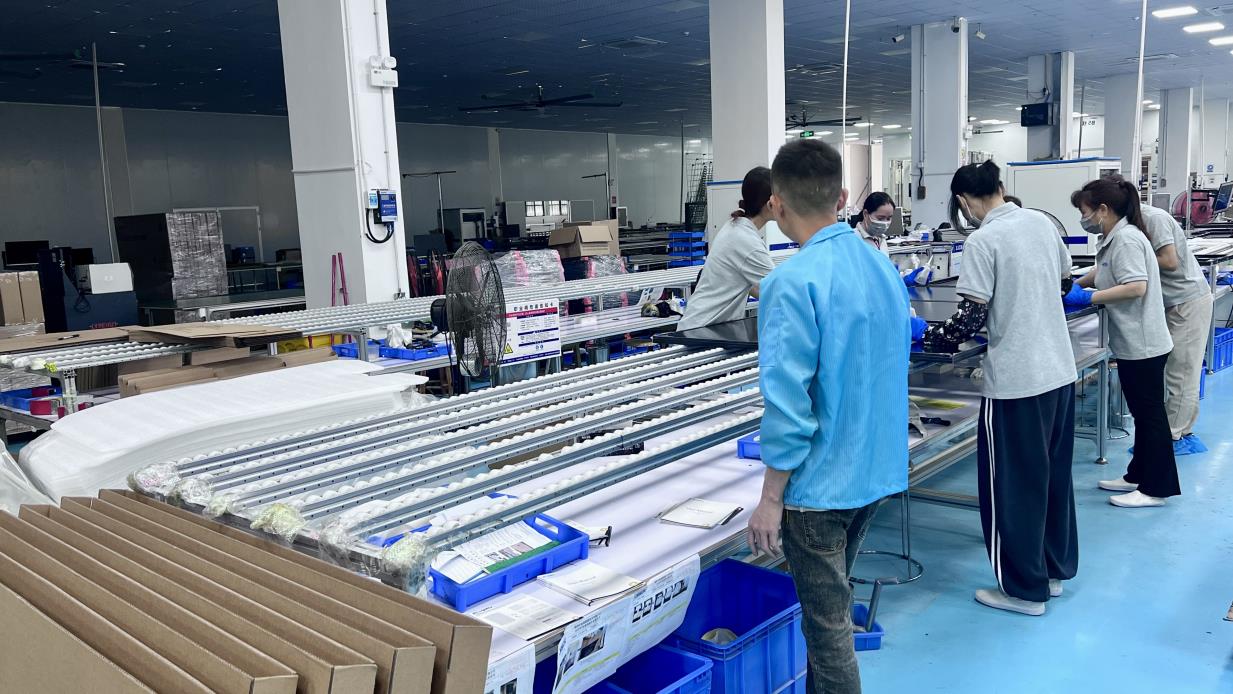
The company is equipped with advanced production facilities and strict quality control systems to ensure the stability and reliability of every product. ConTech Solar has established a comprehensive quality management system and continuously improves production efficiency and product performance to meet international standards and customer requirements.
Adhering to the principle of "Customer First, Quality Foremost," Xiamen ConTech Solar Co., Ltd. has earned a strong reputation in both domestic and international markets through competitive pricing, professional technical support, and excellent after-sales service. The company actively promotes green energy development and strives to contribute to global sustainable energy solutions. Looking ahead, Xiamen ConTech Solar Co., Ltd. will continue to focus on innovation, expand its global market presence, and build long-term partnerships with customers around the world for mutual growth and success.

Securing safe, reliable, and compliant installations globally with universally recognized engineering credentials.
Deploying critical utilities like water supply demands adherence to rigid regional safety and performance codes. Xiamen ConTech Solar products undergo strenuous international testing protocols to guarantee legal market placement and maximum insurance terms for operators:
Verifies comprehensive safety parameters for high-voltage DC system electronics, electromagnetic compatibility, and structural grounding paths across European zones.
Ensures the mechanical stability and electrical reliability of PV modules in corrosive, damp-heat agricultural settings and prolonged industrial environments.
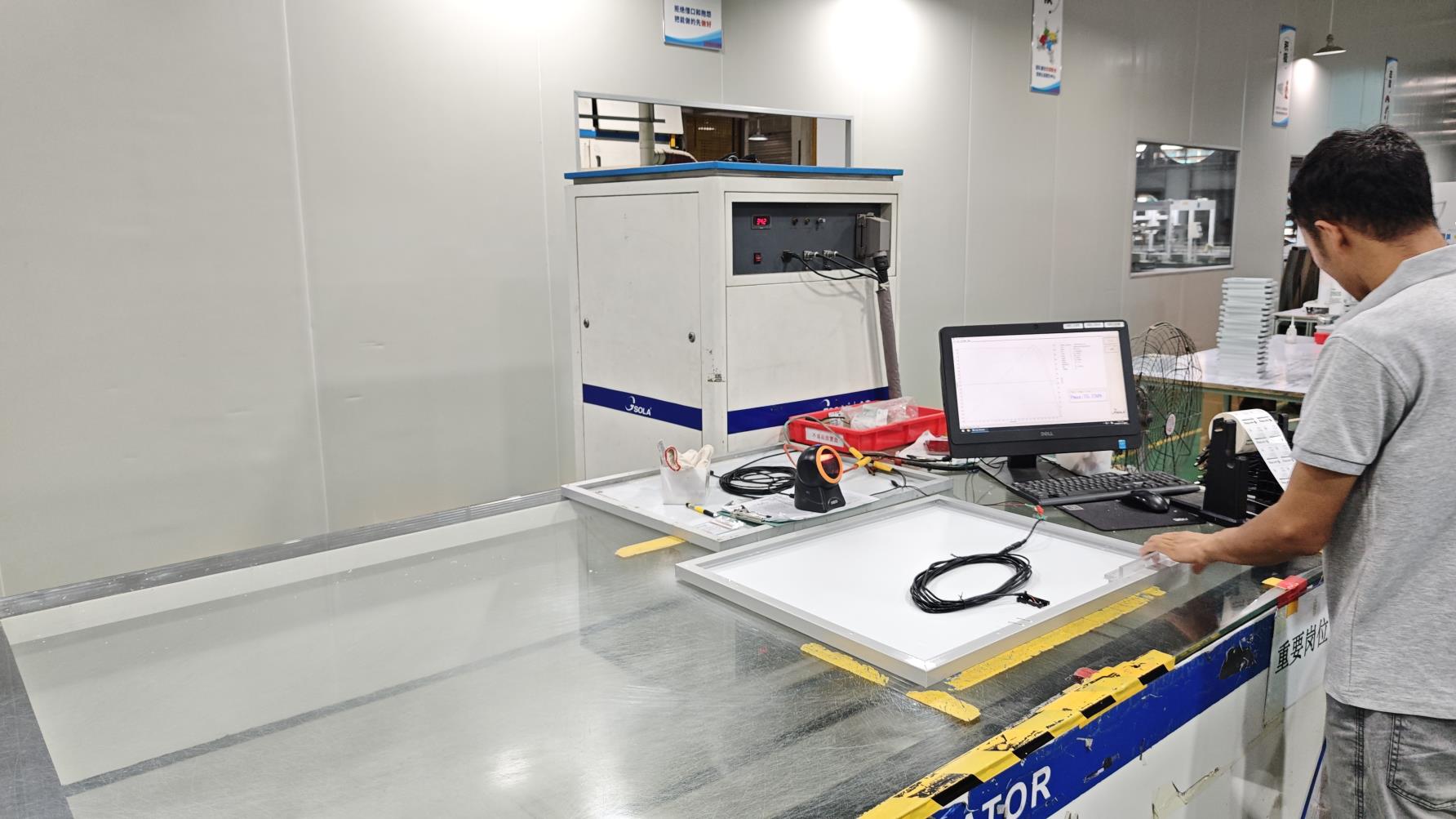
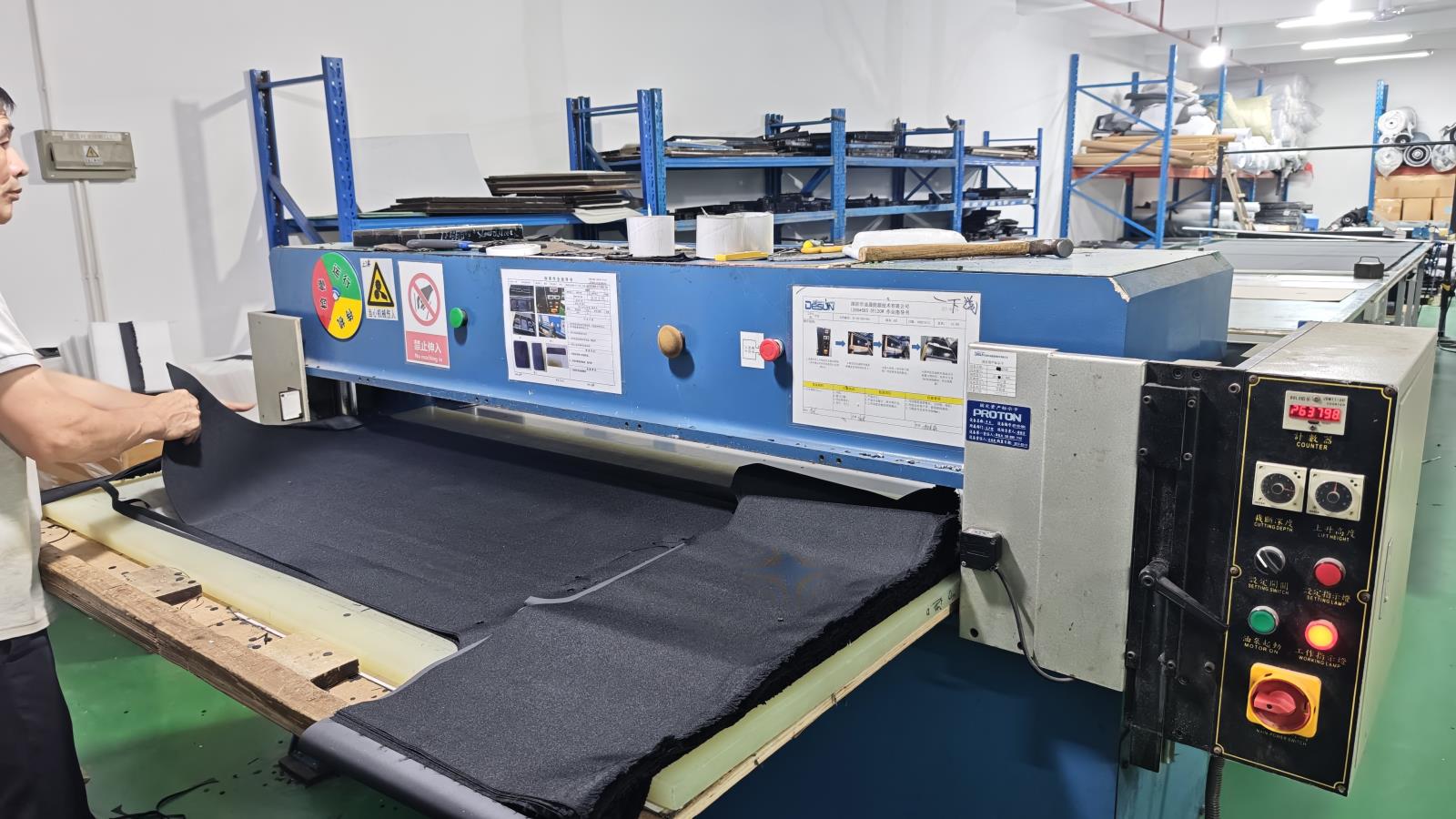
Guarantees rigorous traceability of raw materials and operational continuity across production steps, from laser cutting to final testing validation.
To assist local distribution networks and international EPC contractors, our dedicated engineering support team offers comprehensive pre-sale sizing consultation. We utilize specialized PV system simulation software to calculate dynamic pumping rates based on your local coordinates' monthly average insolation. This ensures you buy a system perfectly tailored to your exact hydraulic needs.
Answering the core technical, engineering, and logistics queries standard to global utility buyers.
 ConTech Solar