Understanding why your MPPT solar charge controller is not charging properly can be frustrating. According to solar energy expert, Dr. Emily Stokes, "Many users overlook simple setup issues that can cause significant charging problems." This insight highlights the necessity of troubleshooting to ensure optimal performance.
Many factors can affect the efficiency of your solar charge controller. Battery health plays a critical role. If the batteries are old or defective, they may not accept a charge effectively. Additionally, improper wiring can lead to power loss. Poor connections may also hinder the charge process.
Moreover, environmental conditions should not be ignored. Is your solar panel receiving adequate sunlight? Shading or dirt can greatly reduce charging efficiency. It's essential to assess these variables carefully. Addressing the question: why is my MPPT solar charge controller not charging, requires diligent evaluation of both technical setup and environmental factors.
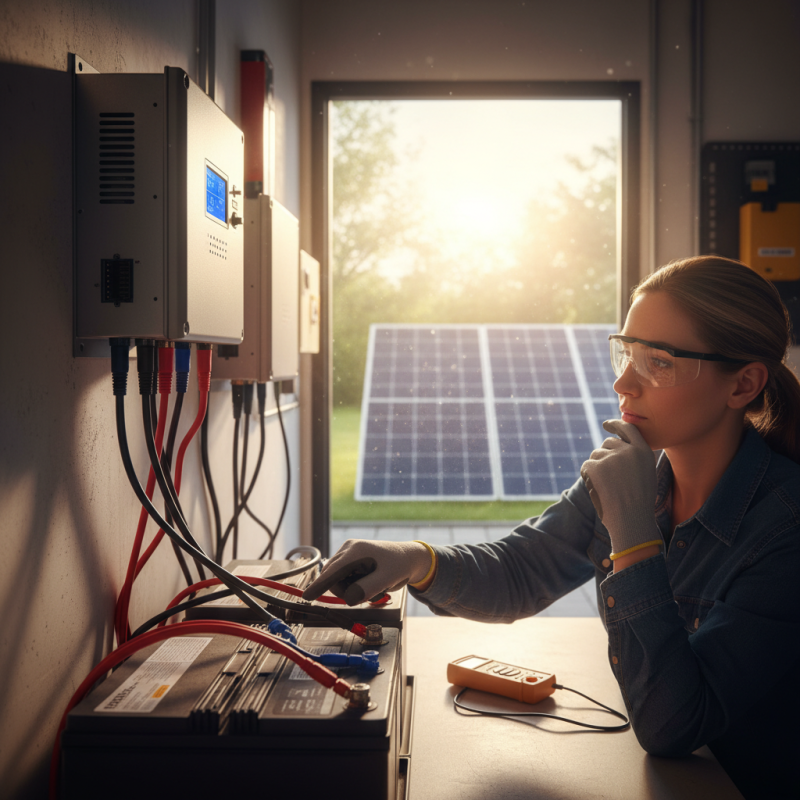
MPPT solar charge controllers are essential for optimizing energy capture from solar panels. They work by adjusting the voltage and current from the panels to ensure maximum power is directed into the battery system. This enhances efficiency, especially in varying sunlight conditions.
Understanding their functionality helps in troubleshooting issues. For instance, improper installation or inadequate wiring can impact performance. It’s crucial to ensure that connections are secure and conform to specifications. Sunlight exposure must also be consistent to maximize energy flow. A lack of sunlight can mislead you into thinking the controller is faulty.
Regular maintenance is often overlooked. Dust on the solar panels can reduce performance, leading to undercharging. Monitoring the system helps identify irregularities early. If the charge controller seems unresponsive, check the display for error codes. Sometimes, a reset can solve issues. Don't ignore these signs; they can save time and money in the long run. Recognizing these points can lead to better performance from your MPPT solar charge controller.
An MPPT solar charge controller is crucial for maximizing energy from your solar panels. However, it might not always charge properly. Some common signs can help diagnose the issue. If your battery isn't reaching full charge, that’s a red flag. Check if the charging voltage appears lower than expected. This might indicate a problem with the controller’s efficiency.
Another sign is inconsistent charging. If the charging display fluctuates rapidly or shows frequent errors, it needs attention. Look for error codes or warning lights on the controller’s display. These indicators could signal wiring issues or temperature problems with the system. A controller not adjusting to changing sunlight conditions can also reflect improper performance.
In addition, check for physical signs. Inspect cables for wear or damage. Frayed connections can hinder the charging process. It’s essential to ensure everything is clean and securely connected. If your batteries seem to drain quickly despite a functioning controller, it indicates deeper issues. These problems might require expert evaluation, so don’t hesitate to seek professional help.
When your MPPT solar charge controller fails to charge properly, several factors may be at play. One common issue is inadequate sunlight exposure. Solar panels need direct sunlight for optimal performance. If shadows from nearby trees or buildings hinder light, charging will be affected. Regularly check your panel’s location and adjust their angle as needed.
Battery health is another crucial factor. Aging or damaged batteries may not hold charge effectively. Use a multimeter to check voltage and ensure connections are tight. Poor connections or corroded terminals can also interrupt the flow of energy. If you notice physical wear, it might be time for replacements.
Lastly, the configuration settings of your MPPT controller should not be overlooked. Incorrect settings can lead to inefficient operation. Review the manufacturer’s guidelines for battery type and system voltage. An error in these settings can result in underperformance. Regular maintenance and monitoring can highlight emerging issues before they escalate.
| Potential Cause | Description | Impact on Charging | Suggested Solution |
|---|---|---|---|
| Insufficient Sunlight | Low or inconsistent sunlight due to weather conditions or location. | May prevent the solar panels from generating enough power. | Ensure solar panels are positioned correctly and clear of obstructions. |
| Faulty Wiring | Damaged or poorly connected wires can interrupt the charging process. | Can cause voltage drop and inadequate power transfer. | Inspect and repair any damaged wiring. |
| Battery Issues | Old, damaged, or incorrectly sized batteries can affect charging. | May lead to extended charging times or process failure. | Test batteries and replace as necessary. |
| Controller Malfunction | Internal components of the MPPT controller can fail or malfunction. | Can result in inaccurate charging levels. | Check for error messages and consider servicing the unit. |
| Improper Settings | Settings may be incorrectly configured for the specific battery type. | Can lead to inefficient or incomplete battery charging. | Review the controller settings and adjust as needed. |
MPPT solar charge controllers are vital for optimizing solar energy efficiency. However, issues can arise that hinder proper charging. A common problem is inadequate sunlight exposure. When solar panels receive only 70% of their rated sunlight, charging efficiency drops significantly. Users should monitor weather conditions and clean panels regularly to maximize energy capture.
Another potential issue is battery health. A deteriorating battery may not hold a charge efficiently. According to industry reports, batteries should be evaluated every six months for capacity and voltage. If a battery consistently underperforms, it might be time for an upgrade.
Wiring problems can also affect charging rates. Loose connections or damaged cables can cause significant losses. Great care should be taken during installation. Ensure that all connections are tight and secure. Reassessing system layout can reveal unnoticed obstacles that affect performance. Keeping these factors in mind helps maintain an efficient MPPT system.
When experiencing issues with your MPPT solar charge controller, it may be tempting to troubleshoot on your own. However, there are clear signs that indicate it's time to seek professional assistance. For instance, if the controller consistently fails to charge the batteries despite proper sunlight exposure, this hints at potential underlying issues. Electrical connections may be faulty. Alternatively, the controller might be damaged.
Another situation requiring expert help is if you notice battery swelling or excessive heat. These symptoms can lead to serious problems. Professionals can assess the system's performance accurately. They have the necessary tools and expertise to identify what’s wrong. Misconfigured settings can also lead to poor performance, and adjusting these can be tricky. A qualified technician can ensure everything is optimized for maximum efficiency.
Ask yourself if you’re comfortable dealing with high voltages and complex systems. Knowing your limits is crucial. DIY repairs can lead to more significant issues down the line. In cases of doubt, it's always safer to consult a professional. Their insights can save time and resources while ensuring your solar system operates effectively.
: Look for low battery charge, inconsistent voltage, and rapid fluctuations on the display.
Check for shadows from trees or buildings and adjust the panels’ angle for direct sunlight.
Inspect the wiring for damage, check connections, and look for physical wear on components.
Aging or damaged batteries may not hold a charge well. Test their voltage regularly with a multimeter.
Seek help if your controller fails to charge despite good sunlight or if the batteries show swelling.
Incorrect settings can lead to poor performance. Always review manufacturer guidelines for adjustments.
Regularly monitor performance, clean connections, and replace worn components to prevent issues.
Dealing with high voltages can be dangerous. It’s wiser to consult a professional if unsure.
Ignoring these can lead to significant problems and costly repairs. Address issues promptly.
Yes, corroded terminals or loose connections can disrupt electricity flow and reduce efficiency.
If you're wondering why is my MPPT solar charge controller not charging properly, it's essential to understand the functionality of these devices. MPPT (Maximum Power Point Tracking) solar charge controllers are designed to optimize the energy harvested from solar panels and ensure efficient charging of batteries. However, several common signs can indicate that your charge controller is not performing as expected.
Potential causes for inadequate charging may include issues such as faulty wiring, insufficient sunlight, or hardware malfunctions. To troubleshoot these problems effectively, one can follow a series of steps, including checking connections and analyzing system performance. If the problem persists after attempting these solutions, seeking professional help may be necessary to ensure the safe and proper functioning of your solar power system.
