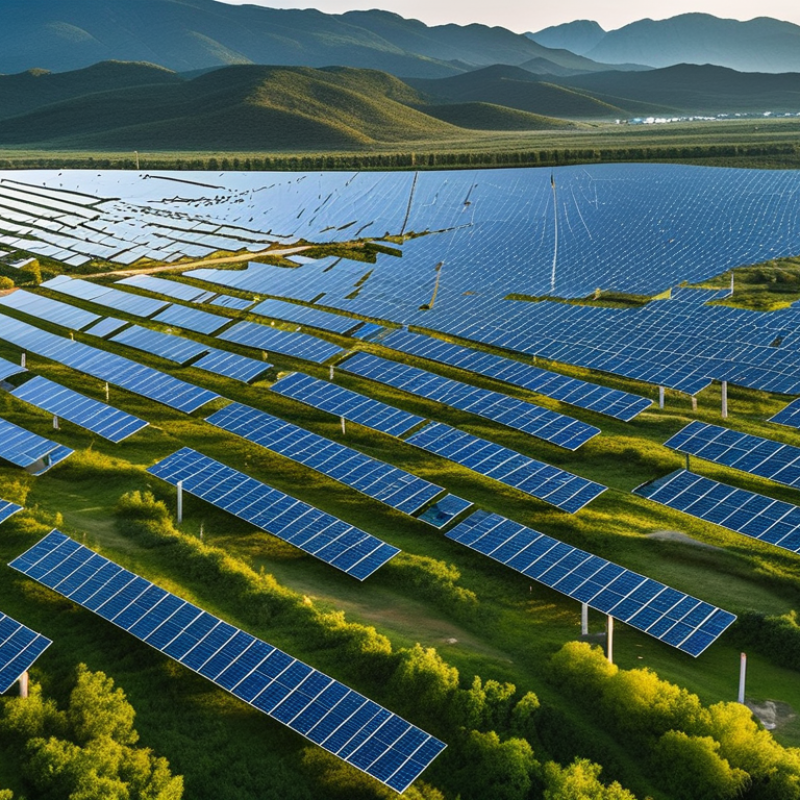
Expanding an existing solar panel array can significantly enhance your energy production. However, it requires careful planning and consideration of various factors. Understanding how to expand an existing solar panel array effectively involves several crucial steps.
First, evaluate your current setup. Are your current panels producing maximum output? If not, you might need to address installation issues or consider the surrounding environment. Shade from trees or buildings can impact performance.
Next, think about the available space. Do you have enough room for additional panels? Consider the orientation and angle of the new panels, as these factors influence energy absorption. It's important to ensure that your inverter and other components can handle the increased capacity effectively.
Finally, budget for this expansion. Costs can add up quickly, and it’s essential to weigh the potential energy savings against upfront expenses. Planning, research, and seeking professional guidance can make a significant difference in the success of your solar expansion project.
Assessing your current energy needs is crucial before expanding your solar panel array. The National Renewable Energy Laboratory (NREL) emphasizes the importance of evaluating energy consumption patterns. This data can help determine how much additional capacity is required. Homeowners can analyze their monthly energy bills for insights into usage trends. An average U.S. household uses around 877 kWh per month, according to the U.S. Energy Information Administration.
Understanding peak energy demands is essential. For instance, during summer, air conditioning drives higher electricity consumption. Identifying these spikes ensures that the solar expansion meets demand effectively. This calculation could involve a detailed breakdown of appliances and their consumption rates. Upgrading energy efficiency in your home can also lower your overall needs, making your solar expansion more efficient.
Consider monitoring tools that track real-time energy use. Such devices can provide insights into daily and seasonal variations. Adjusting your plans based on this data may lead to a better investment. Expanding your array based on precise figures helps avoid oversizing, which can waste resources. Ultimately, understanding your current energy needs is foundational for a successful solar investment.
Choosing the right location for your solar panel installation is crucial. A well-placed solar array can produce more energy and maximize your investment. Start by assessing the sun exposure in your area. Aim for a location with at least six hours of direct sunlight daily. Shadows from nearby buildings or trees can significantly reduce efficiency. Consider the angle of your roof or land. A south-facing orientation usually captures the most sunlight.
Evaluate local regulations and zoning laws before installation. In some areas, building codes might restrict where you can install panels. Research any homeowner association rules too. This understanding prevents future conflicts. Furthermore, think about future developments. What if someone plants a tree next door? This can lead to unexpected shading issues.
Consider the climate as well. High temperatures can affect solar panel efficiency. If you live in a cooler climate, you may not need to worry as much about overheating. On the other hand, consistent snow accumulation can also block sunlight. Regular maintenance, like snow removal, is essential in these regions. Take your time to reflect on these aspects before making a decision. Your choices today will impact energy production for years to come.
| Tip Number | Tip Description | Considerations |
|---|---|---|
| 1 | Assess Sunlight Exposure | Choose locations with minimal shading from trees or buildings. |
| 2 | Evaluate Roof Condition | Ensure the roof is structurally sound and has no leaks. |
| 3 | Consider Orientation | South-facing panels typically receive the most sunlight. |
| 4 | Look for Unobstructed Views | Select locations free from tall structures that may obstruct sunlight. |
| 5 | Check Local Regulations | Ensure compliance with local installation codes and zoning laws. |
| 6 | Consider Roof Pitch | A steeper pitch can improve energy collection efficiency. |
| 7 | Think About Maintenance Access | Ensure you can easily access the panels for cleaning and maintenance. |
| 8 | Evaluate Electrical Connections | Plan for safe and efficient connections to your home’s electrical system. |
| 9 | Consider the Surrounding Environment | Avoid areas prone to heavy snow or debris accumulation. |
| 10 | Invest in Quality Equipment | Choose durable solar panels and installation components for longevity. |
Expanding your solar panel array can be a rewarding venture, but it requires a solid understanding of local regulations and incentives. Each region might have unique rules regarding installation. Knowing these can save you time and money. In some cases, permits might be necessary. Check with your local authorities to ensure compliance. You may also need to consider zoning laws and building codes that impact your installation plans.
Incentives for solar energy vary widely. Some areas offer tax credits, rebates, or even grants to encourage solar adoption. Taking advantage of these can significantly reduce your upfront costs. Research available programs in your area. Many local governments have websites detailing these incentives. Don't overlook potential loans tailored for renewable energy projects.
Understanding local regulations and incentives can be intricate. Every detail matters. Be prepared for potential obstacles, like slow approval processes or insufficient local support. Engage with local solar energy communities or online forums. You might find invaluable insights from those who have navigated these waters before you. Connecting with experts can enhance your reliability and credibility as you expand your solar investments.
Selecting quality components is crucial for a successful solar panel array. When choosing solar panels, consider efficiency ratings. Higher efficiency means more energy generation in less space. Look for panels that come with solid warranties of at least 25 years; this indicates the manufacturer's confidence in their product.
Inverter selection also matters greatly. A good inverter maximizes energy conversion and can enhance system performance. Look for models that are easy to monitor, ensuring you can track performance and catch issues early. Additionally, don’t overlook mounting systems. They should be durable and suited for your local weather conditions. Poorly installed mounts can lead to panel damage over time.
When expanding your solar setup, assess the compatibility of new components with your existing system. Not all components work well together, so seek expert advice. You may need to replace your inverter or upgrade other parts. Each adjustment requires careful planning and professional input. Solar technology evolves rapidly; staying informed about new products is a wise strategy.
When expanding your solar panel array, proper maintenance is essential. Regular cleaning of the solar panels ensures they operate at peak efficiency. Dust and debris can accumulate on the surface and block sunlight. Ideally, you should clean the panels every few months, especially in areas with high dust levels.
Additionally, check for signs of wear and tear. Inspect cables and connectors for corrosion or damage. A small issue can lead to larger problems if not addressed promptly. It's also wise to monitor the energy output regularly. If you notice a sudden drop, investigate the cause. This could indicate a failure in the system requiring attention.
Consider investing in professional maintenance if you feel overwhelmed. While doing it yourself is possible, specialists can spot potential issues you might miss. They bring experience and knowledge to the table. Investing in maintenance is not just about fixing problems; it’s about ensuring optimal performance over time. An extended solar system can lead to significant energy savings, but only with proper care and maintenance.
: Assessing energy needs helps determine how much additional capacity is needed for effective solar expansion.
Homeowners can review their monthly energy bills to identify usage trends over time.
Seasonal factors, like summer heat, can drive higher energy demands, especially for air conditioning.
Monitoring tools track real-time energy use, offering insights into daily and seasonal variations.
Regular cleaning and inspection for wear and tear are essential to ensure panels operate efficiently.
Ideally, clean the panels every few months, especially in areas with more dust and debris.
A sudden drop in energy output may signal a failure or an issue requiring investigation.
Hiring professionals can help identify potential issues that you might overlook during self-maintenance.
Neglecting maintenance may lead to larger problems and reduce the system's overall efficiency and performance.
Yes, increasing energy efficiency can lower overall energy needs and make solar expansion more effective.
Expanding an existing solar panel array requires careful planning and consideration of several key factors. First, assess your current energy needs to determine how much additional capacity you require. Next, choose the right location for your solar panel installation, ensuring it receives ample sunlight and complies with local regulations. Understanding these local laws and any available incentives is crucial for a smooth expansion process.
Additionally, selecting quality components is vital for the overall success and longevity of your solar array. Finally, proper maintenance and upkeep of your extended solar system will ensure optimal performance and efficiency over time. By following these tips, you can learn how to expand an existing solar panel array effectively, maximizing your investment in renewable energy.
