Choosing the right battery can determine how well a smart solar controller performs each day. A controller may regulate charging precisely, but it cannot correct a battery that is poorly matched, aging, or installed in unsuitable conditions. Temperature, charging voltage, discharge depth, maintenance needs, and available space all influence the final decision. Real-world experience shows that the best option is rarely the most expensive one.
So, what type of battery is best for a smart solar controller? The answer depends on the system’s size, daily energy demand, climate, and monitoring features. Lithium iron phosphate batteries offer excellent cycle life, stable performance, and useful depth of discharge. Absorbent glass mat batteries remain practical for smaller off-grid systems, especially where installation simplicity matters. Flooded lead-acid batteries can still serve budget-conscious users, although they require ventilation, inspections, and careful charging.
Other choices deserve attention, including gel, nickel-based, sodium-ion, and advanced lead-carbon batteries. Each chemistry has strengths, weaknesses, and different controller settings. A battery may look ideal on paper yet perform poorly beside a hot shed wall or under irregular winter sunlight. That detail is easy to overlook.
This guide compares seven battery types using practical selection criteria and manufacturer-based specifications. It considers safety, lifespan, efficiency, maintenance, cost, and controller compatibility. Some recommendations may change as battery technology develops. That is worth admitting. Reliable solar design requires checking the battery datasheet, controller profile, wiring limits, and local installation conditions before purchase. Small details matter.
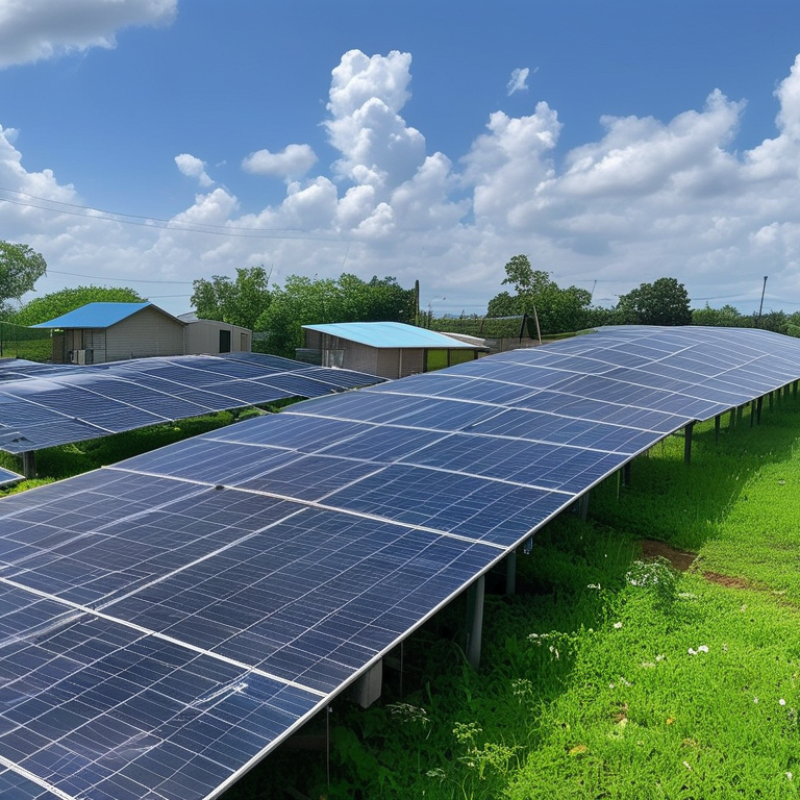
Smart solar controllers work differently with each battery chemistry because charging voltage, absorption time, and safety limits are not interchangeable. Flooded lead-acid batteries need regular gassing control and ventilation. AGM and gel batteries reduce maintenance, but excessive voltage can still shorten their lives. Lithium iron phosphate batteries require precise voltage control and communication with a battery management system. Nickel-based batteries tolerate wider operating conditions, while sodium-ion batteries are emerging options with different voltage curves. Nickel-cadmium batteries remain technically durable, but environmental and regulatory concerns limit many applications.
The controller should identify battery chemistry, temperature, capacity, and allowable charging current. This is practical, not merely a software preference. The U.S. Department of Energy reports that lithium-based storage can achieve higher usable depth of discharge than conventional lead-acid systems. The International Energy Agency also recorded a 14% decline in lithium-ion battery prices during 2023, improving their economic appeal. However, price is only one measurement. Lazard’s 2024 levelized-cost analysis shows that storage economics still depend heavily on cycle life, replacement timing, and utilization.
A temperature sensor matters.
For lead-acid batteries, the controller should adjust charging voltage as temperature changes. Lithium systems usually need charging protection below freezing, unless internal heating is available. In field testing, installation errors often matter more than advertised efficiency. A controller may support seven battery types, yet poor cable sizing, incorrect profiles, or missing BMS communication can undermine performance. The uncomfortable lesson is simple: compatibility on a product sheet does not guarantee a reliable solar system.
| Battery Type | Typical Nominal Voltage | Recommended Usable Depth of Discharge | Typical Cycle Life | How a Smart Solar Controller Should Be Configured | Main Advantages | Important Limitations | Best Application |
|---|---|---|---|---|---|---|---|
| Flooded Lead-Acid | 12 V, 24 V, or 48 V systems | About 50% | Approximately 500–1,000 cycles | Select a flooded or user-defined lead-acid profile. Use temperature compensation, bulk/absorption charging, and periodic equalization only when permitted by the battery manufacturer. | Low initial cost; widely available; tolerant of conventional three-stage charging. | Heavy; requires ventilation and electrolyte checks; lower efficiency; repeated deep discharge shortens life. | Budget-conscious off-grid systems with a ventilated battery area. |
| AGM Lead-Acid | 12 V, 24 V, or 48 V systems | About 50% | Approximately 500–800 cycles | Choose an AGM or sealed lead-acid profile. Use absorption and float stages, temperature compensation, and avoid equalization unless specifically approved. | Sealed and low-maintenance; good vibration resistance; can deliver relatively high current. | More expensive than flooded lead-acid; sensitive to overcharging and prolonged heat; still relatively heavy. | RVs, backup systems, and indoor installations with limited maintenance access. |
| Gel Lead-Acid | 12 V, 24 V, or 48 V systems | About 50% | Approximately 700–1,200 cycles | Use the manufacturer’s gel profile with a lower controlled charging voltage. Disable equalization unless expressly supported, because overvoltage can cause permanent damage. | Sealed; low gassing under correct charging; good resistance to moderate deep cycling. | Accepts charge more slowly; highly sensitive to overcharging; performance decreases in cold conditions. | Low-maintenance solar storage where charging currents are moderate. |
| Lithium Iron Phosphate (LiFePO4) | 12.8 V, 25.6 V, or 51.2 V nominal packs | Typically 80–90% | Approximately 2,000–5,000 cycles | Select a lithium or LiFePO4 profile. Disable equalization and unnecessary float charging. Use a battery-management system, and block charging below the permitted low-temperature limit. | High usable capacity; long cycle life; high round-trip efficiency; light weight; stable voltage. | Higher upfront cost; requires an appropriate battery-management system; charging below freezing can damage the cells. | Daily-cycle off-grid homes, mobile power, and systems requiring compact storage. |
| Lithium-Nickel-Manganese-Cobalt Oxide (NMC) | Typically 3.6–3.7 V per cell; commonly assembled into 12 V, 24 V, or 48 V packs | Typically 70–90% | Approximately 1,000–2,000 cycles | Use a charger profile specifically matched to the pack voltage and chemistry. A certified battery-management system, cell balancing, current limits, and temperature protection are essential. | High energy density; low weight; strong power output; compact form factor. | Requires robust protection electronics; more sensitive to heat and overcharge than LiFePO4; not interchangeable with lead-acid settings. | Space-constrained mobile or hybrid systems using a complete, protected battery pack. |
| Sodium-Ion | Typically 12 V, 24 V, or 48 V battery packs | Typically 80–90% | Often specified at approximately 2,000–4,000 cycles, depending on the cell design | Use only the profile supplied for the specific pack. Confirm charging voltage, current limits, communication requirements, and low-temperature behavior before connecting a generic controller. | Good low-temperature capability in some designs; avoids lithium and cobalt; high usable capacity potential. | Less standardized and less widely available; energy density is generally lower than many lithium-ion alternatives. | Emerging stationary or backup applications where the complete battery system provides verified solar-charging specifications. |
| Nickel-Metal Hydride (NiMH) | 1.2 V per cell; packs are usually custom-built for the system voltage | Typically 50–70% | Approximately 500–1,000 cycles | Do not connect directly to a standard lead-acid or lithium solar profile. Use a dedicated charge-control system that detects charge termination and controls heat and overcharge. | Lower toxicity than nickel-cadmium; useful in specialized low-voltage applications; relatively tolerant of occasional overcharge when correctly managed. | Higher self-discharge than many modern lithium batteries; produces heat during charging; uncommon for large solar storage. | Specialized or legacy solar systems with a purpose-built NiMH charging controller. |
Note: Voltage settings, charge limits, temperature compensation, and cycle-life figures vary by battery design and operating conditions. Always follow the battery manufacturer’s charging specifications and confirm that the solar controller supports the battery chemistry and nominal system voltage.
: Each chemistry needs different voltage, absorption time, current limits, and safety settings. One profile cannot suit every battery.
Provide ventilation, regular water checks, temperature compensation, and controlled gassing. Keep terminals clean and the charging area dry.
They need less maintenance, but excessive voltage can cause lasting damage. Gel batteries are especially sensitive to incorrect charging settings.
It needs precise voltage control, low-temperature charging protection, and suitable battery management communication. Equalization is usually inappropriate.
Lithium-titanate and sodium-ion batteries can perform well in cold environments. Support may vary, so check the controller profile carefully.
Yes, some nickel-metal hydride and nickel-iron systems can work. Their charging behavior differs greatly from lithium and lead-acid batteries.
Often, but not always. Voltage depends on chemistry, temperature, charging stage, and manufacturer limits. Never copy settings blindly.
Thin cables, loose terminals, incorrect profiles, missing communication, and poor fuse selection can cause undercharging. Product compatibility is not enough.
It helps adjust lead-acid charging voltage and protects lithium batteries in freezing conditions. Temperature matters.
Not completely. Calibration errors, cable loss, and standby current can make a full battery appear healthier than it is. Check measured voltage, heat, swelling, corrosion, and unusual readings.
Choosing the right battery is essential for getting the best performance from a smart solar controller. This guide explains how intelligent controllers regulate charging according to battery chemistry, voltage, temperature, and state of charge. It reviews seven leading options, including lithium iron phosphate, lithium-ion, flooded lead-acid, AGM, gel, nickel-based, and saltwater batteries. Each type has different charging requirements, safety considerations, operating limits, and communication capabilities, so compatibility with the controller’s settings and monitoring functions is critical.
The comparison focuses on lifespan, energy efficiency, upfront cost, maintenance, depth of discharge, and performance in different solar applications. Lithium-based batteries generally provide high efficiency and long service life, while lead-acid options may offer a lower initial cost and simpler installation. The best choice depends on system size, budget, climate, usage patterns, and backup expectations. By understanding these factors, users can confidently determine what type of battery is best for a smart solar controller and build a reliable, efficient, and appropriately matched solar energy system.

 ConTech Solar